Piper nigrum L. / Black Pepper, popularly known as black pepper, is a perennial climbing plant of the Piperaceae family, cultivated for its fruits, the peppercorns, which are widely used as a spice and in traditional medicine. Native to the Malabar Coast of India, this ancient plant has spread throughout the world because of its culinary value and its recognized therapeutic properties. Peppercorns are harvested at different stages of ripeness and processed to produce the black, white, and green varieties.
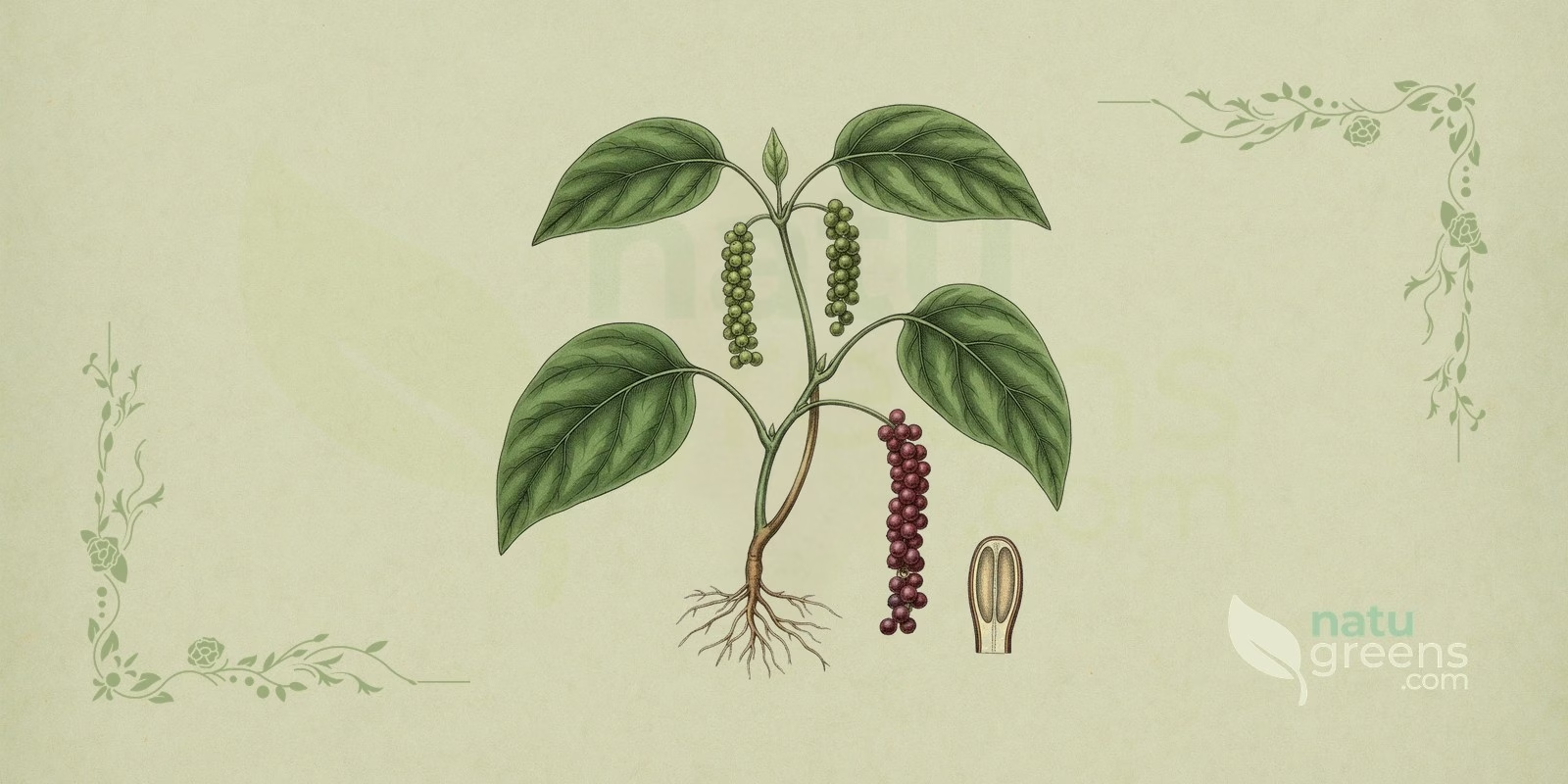
In global herbal tradition, black pepper holds a prominent place as a digestive stimulant and bioavailability enhancer. Its applications range from treating gastrointestinal disorders to relieving inflammation and pain. The plant is recognized for its rich phytochemical composition, especially piperine, the alkaloid responsible for its pungency and for many of its pharmacological properties. Modern scientific research has validated many of the traditional uses of black pepper, cementing its place as one of the most studied and widely used medicinal plants in the world.
Popular and International Names of Black Pepper
- English: black pepper, peppercorn.
- Spanish: pimienta, pimienta negra.
- Portuguese: pimenta-do-reino, pimenta-preta.
- French: poivre, poivrier.
- Italian: pepe.
- German: Gemeiner Pfeffer, Pfeffer.
Botanical Synonyms of Piper nigrum
The botanical name Piper nigrum L. is widely accepted and has no common botanical synonyms that are frequently used in contemporary scientific literature to refer to the same species. However, it is worth noting that the Piperaceae family includes numerous species of the genus Piper, and some of these may be confused with black pepper or share similar common names in different regions.
Botanical Family: Piperaceae
The Piperaceae family is a group of flowering plants comprising about 5 genera and more than 3,600 species, distributed mainly in tropical and subtropical regions of the world. This family is known for including plants of great economic and medicinal importance, such as black pepper (Piper nigrum) and kava (Piper methysticum). Species in the Piperaceae family are characterized by simple, alternate, and generally aromatic leaves, and by inflorescences in the form of spikes or catkins, with small flowers lacking a perianth.
Black pepper shares morphological characteristics typical of the family, including the production of small fruits that contain a single seed. The Piperaceae family is rich in bioactive compounds, especially alkaloids (such as piperine), essential oils, and amides, which confer medicinal properties on many of its species. The chemical diversity of this family has been the subject of intense pharmacological research, contributing to the development of phytopharmaceuticals and dietary supplements.
Parts of Black Pepper Used
- Essential oil
- Fruit (drupe/peppercorn)
- Oleoresins
Ethnobotanical and Traditional Uses
- Antiseptic
- Digestive stimulant
- Expectorant
- Relief of intestinal colic and flatulence
- Relief of rheumatic and muscular pain
- Treatment of colds and flu
Therapeutic Properties of Black Pepper
- Analgesic (traditional use for pain relief)
- Anti-inflammatory (effect studied in reducing inflammation)
- Antibacterial (activity studied against bacteria)
- Antidepressant (effect studied on mood)
- Antidiabetic (effect studied on blood sugar)
- Antioxidant (activity studied against free radicals)
- Antiparasitic (activity studied against parasites)
- Antiproliferative (activity observed in laboratory studies, without clinical proof)
- Antispasmodic (effect studied in reducing spasms)
- Bioavailability enhancer (effect studied on the bioavailability of other compounds)
- Gastroprotective (protective effect studied on the stomach)
- Hepatoprotective (protective effect studied on the liver)
- Immunomodulatory (effect studied on the immune system)
- Neuroprotective (protective effect studied on the nervous system)
Detailed Phytochemical Profile of Black Pepper
- 3-Carene
- Alkaloids (piperine, piperidine, chavicine)
- alpha-Phellandrene
- alpha-Pinene
- alpha-Thujene
- beta-Bisabolene
- beta-Caryophyllene
- beta-Phellandrene
- D-Limonene
- Essential oils
- Flavonoids
- Sabinene
- Tannins
- Terpenoids
Preparation and Administration Forms of Black Pepper
Black pepper is used in a variety of preparation forms, both for culinary and medicinal purposes, taking advantage of its bioactive compounds. The choice of preparation depends on the intended goal and the desired concentration of active principles.
Teas and Infusions
Black pepper tea is prepared from dried, ground peppercorns. It is traditionally used to relieve colds, flu, and digestive complaints. It can be consumed on its own or combined with other spices, such as ginger and turmeric, to enhance its therapeutic effects and improve its flavor. Infusion is a gentle way of extracting the volatile compounds and some of the alkaloids.
Extracts
Extracts of Piper nigrum are concentrated preparations obtained through various extraction methods, such as solvent extraction. These extracts are standardized to contain high concentrations of piperine and other phytochemicals. They are frequently used in the pharmaceutical and supplement industries to formulate products aimed at increasing the bioavailability of other nutrients and medications, or to harness the specific properties of piperine.
Essential Oil
Black pepper essential oil is obtained by steam distillation of the fruits. It is rich in monoterpenes and sesquiterpenes, such as sabinene, 3-carene, and beta-caryophyllene. It is used in aromatherapy for its warming, stimulating, and analgesic properties, being applied topically (always diluted in a carrier oil) to relieve muscular and rheumatic pain, or inhaled to decongest the respiratory tract.
Oleoresins
Oleoresins are extracts that contain both the volatile oils and the non-volatile compounds of black pepper, such as piperine. They represent a more complete profile of the plant’s phytochemicals and are used in applications where the characteristic pungency and aroma of pepper are desired, together with its therapeutic benefits. They are commonly used in the food and fragrance industries.
Powder
Dried peppercorns are ground to produce black pepper powder, the most common form used in cooking. Freshly ground powder offers the best aroma and flavor. Besides its use as a seasoning, the powder can be incorporated into homemade medicinal preparations or into capsules for oral consumption, taking advantage of its digestive and metabolic properties.
Tinctures
Black pepper tinctures are hydroalcoholic extracts that concentrate the plant’s active principles. They are prepared by macerating peppercorns in a solution of alcohol and water over a period of time. Tinctures allow for precise dosing and are quickly absorbed by the body. They are used to harness black pepper’s digestive, anti-inflammatory, and bioavailability-enhancing properties.
Synergy with Other Medicinal Plants
Piperine, the main alkaloid of Piper nigrum, is widely recognized for its ability to increase the bioavailability of other compounds and nutrients. This property makes it an excellent bioavailability enhancer when combined with other medicinal plants and spices, amplifying their therapeutic effects.
Turmeric (Curcuma longa)
The combination of black pepper with turmeric is one of the most studied and valued synergies. Piperine can increase the bioavailability of curcumin, turmeric’s active compound, by up to 2000%. This enhancement amplifies curcumin’s anti-inflammatory, antioxidant, and antiproliferative effects, and the combination is frequently used in formulations aimed at combating chronic inflammation and promoting overall health.
Ginger (Zingiber officinale)
Studies indicate that the combination of Piper nigrum, Curcuma longa, and Zingiber officinale may reduce inflammatory markers. Ginger, with its own anti-inflammatory, digestive, and antiemetic properties, complements the effects of black pepper, creating a powerful blend for relieving gastrointestinal discomfort and inflammation.
Other Herbs and Spices
Black pepper can increase the absorption of numerous medications and nutrients, making it a valuable addition to herbal and nutraceutical formulations. Its ability to inhibit metabolizing enzymes and act as a P-gp substrate contributes to raising the plasma concentrations of various substances, amplifying the therapeutic benefits of many herbal combinations.
Recipes and Usage Protocols of Black Pepper
Piper nigrum is a versatile spice, used both in cooking and in traditional medicine. Below are some recipes and usage protocols for harnessing its benefits.
Digestive Black Pepper and Ginger Tea
Ingredients: 1/2 teaspoon of freshly ground black pepper, 1 thin slice of fresh ginger, 200 ml of boiling water, honey to taste (optional).
Preparation: Add the black pepper and ginger to a cup. Pour in the boiling water, cover, and let steep for 5-7 minutes. Strain and sweeten with honey if desired. Drink after meals to aid digestion and relieve flatulence. This tea can also be helpful in relieving cold symptoms.
Turmeric and Black Pepper Blend for Traditional Anti-Inflammatory Use
Ingredients: 1 teaspoon of turmeric powder, 1/4 teaspoon of freshly ground black pepper, 1 tablespoon of extra virgin olive oil.
Preparation: Mix all the ingredients until a smooth paste forms. Take one teaspoon of this blend daily, preferably with a meal, as a traditional way of enhancing curcumin’s anti-inflammatory effects. The piperine in black pepper significantly increases curcumin’s absorption.
Massage Oil for Muscle Pain
Ingredients: 5 drops of black pepper essential oil, 30 ml of a carrier oil (such as sweet almond or jojoba oil).
Preparation: In a dark glass bottle, mix the black pepper essential oil with the carrier oil. Shake well. Apply a small amount to the affected area and gently massage until absorbed. This oil is traditionally used to relieve muscle pain, stiffness, and rheumatic aches due to black pepper’s analgesic and anti-inflammatory properties. Avoid sun exposure after application.
Black Pepper Tincture for Digestive Stimulation
Ingredients: 50 g of whole peppercorns, 250 ml of 70% grain alcohol.
Preparation: Coarsely crush the peppercorns and place them in a dark glass jar. Cover with the grain alcohol, making sure the peppercorns are completely submerged. Seal the jar well and let it macerate for 2-4 weeks in a cool, dark place, shaking daily. After the maceration period, strain the tincture through a fine cloth or coffee filter and store it in a dark glass bottle. Take 10-20 drops diluted in a little water, 2-3 times a day, before meals, as a traditional way of stimulating digestion and relieving a feeling of heaviness in the stomach.
The preparations above follow traditional records and do not replace professional guidance. Before any internal use, consult the contraindications and interactions described in this article.
The preparations above follow traditional records and do not replace professional guidance. Before any internal use, check the contraindications and interactions described in this article.
Associated Therapies
Piper nigrum has been incorporated into various traditional therapeutic practices, beyond its direct culinary and medicinal use. Its versatility and bioactive properties make it relevant to holistic healing systems.
Ayurveda
In Ayurvedic medicine, black pepper is known as Maricha and is a fundamental component. It is valued for its ability to balance the three doshas (Vata, Pitta, and Kapha), especially for pacifying Kapha. It is used as a digestive stimulant (deepana), a carminative (pachana), and to treat colds, coughs, respiratory problems, and gastrointestinal disorders. It is often combined with other herbs, such as turmeric and ginger, to enhance its effects.
Western Herbalism
In modern herbal medicine, black pepper is recognized primarily for its piperine content, which acts as a bioavailability enhancer, increasing the bioavailability of other compounds and medications. It is used to improve digestion, as an anti-inflammatory and antioxidant, and to relieve rheumatic and muscular pain, often through the use of its essential oil.
Homeopathy
In homeopathy, Piper nigrum is used to treat sensations of burning and pressure in various parts of the body. It is indicated for symptoms such as sadness, apprehension, difficulty concentrating, and intense headaches. It acts mainly on the digestive, respiratory, and urinary systems, and is a remedy for states of irritability and heightened sensitivity to pain.
Traditional Chinese Medicine (TCM)
In TCM, black pepper is classified as a hot, pungent herb that enters the stomach and large intestine meridians. It is used to warm the interior, dispel cold, promote digestion, and relieve pain. It is indicated for conditions such as cold abdominal pain, vomiting, diarrhea, and for strengthening the Qi of the spleen and stomach.
Contraindications and Side Effects of Black Pepper
Although Piper nigrum is widely used, its use, especially in high doses or in the form of concentrated piperine supplements, can present contraindications and side effects. It is essential to be aware of this information for safe and mindful use.
General Contraindications
Black pepper is contraindicated in individuals with bleeding disorders, since in large amounts it can increase the risk of bleeding. It should be avoided before surgery. People with gastritis, stomach ulcers, or gastrointestinal sensitivity should use it with caution, as its pungent nature can aggravate these conditions. There are indications that it should be used with caution or avoided in cases of kidney disorders. The safety of high-dose use during pregnancy and breastfeeding is not well established, so it is advisable to avoid it or consult a healthcare professional.
Common Side Effects
Excessive consumption of black pepper can irritate the stomach lining, causing nausea, bloating, acidity, and heartburn. In rare cases, mild gastric bleeding can occur. Allergic reactions, though rare, can manifest as skin rashes, difficulty breathing, or dizziness. Inhaling pepper powder can cause coughing, sneezing, and a runny nose. Most of these side effects are associated with the consumption of isolated piperine or doses much higher than those found in culinary use of the spice.
Drug Interactions
Piperine is a potent inhibitor of cytochrome P450 enzymes (especially CYP3A4 and CYP2C) and of P-glycoprotein, which together metabolize and transport many medications. When consumed as an extract or concentrated supplement, this inhibition can increase the plasma concentration of drugs such as theophylline, carbamazepine, diclofenac, and ciprofloxacin, amplifying their effects and side effects, and raising the risk of toxicity. This interaction is relevant for piperine supplements and extracts, not for the use of black pepper as a seasoning in ordinary culinary amounts, which does not pose a significant risk of this kind. Patients taking medications should consult a healthcare professional before using piperine supplements to avoid adverse interactions.
Historical Notes and Interesting Facts
Piper nigrum has a rich and fascinating history that elevated it from a simple spice to an item of great commercial and cultural value over the centuries. Its trajectory is intrinsically linked to the development of global trade and the exploration of new routes.
Black Gold
In antiquity, black pepper was so valuable that it was referred to as “black gold” by merchants. It was traded for precious metals and was even used as currency and as dowry, demonstrating its immense economic and social value at the time.
Origin and Cultivation
Black pepper is believed to be native to the Malabar Coast of India, where its cultivation dates back thousands of years, to around 1500 BCE. Records indicate its use in traditional Indian cuisine since that time, establishing it as a long-standing spice.
Ancient Trade and the Age of Discovery
Ancient civilizations such as Greece and Rome already traded in pepper. The Romans, from the 1st century CE onward, developed a thriving spice trade, with pepper being one of the most coveted goods. The spice trade, and black pepper in particular, was one of the main driving forces of the European Age of Discovery, spurring great voyages in search of direct maritime routes to its sources.
Versatility of the Plant
Black pepper is the same plant that produces black, white, and green pepper. The difference between them lies in the ripeness stage of the fruits and in the processing methods. Black pepper is obtained from dried unripe fruits, white pepper from ripe fruits with the skin removed, and green pepper from unripe fruits that are preserved.
Frequently Asked Questions about Black Pepper
Black pepper is a popular spice and a medicinal plant with many benefits. Here are some frequently asked questions about its use and properties.
Can Black Pepper Help Digestion?
Yes, black pepper is known for stimulating digestive enzymes, which can improve digestion and relieve symptoms such as bloating and flatulence. Piperine, its main active compound, contributes to this effect.
Is It Safe to Consume Black Pepper Daily?
In ordinary culinary amounts, black pepper is generally safe for most people. However, excessive consumption or the use of concentrated piperine supplements can cause gastrointestinal irritation and drug interactions. Consult a healthcare professional if you have any concerns.
What Are the Health Benefits of Black Pepper?
Black pepper has antioxidant, anti-inflammatory, antibacterial, and neuroprotective properties. It is also a bioavailability enhancer, increasing the absorption of other nutrients and bioactive compounds, such as curcumin from turmeric.
Does Black Pepper Interact with Medications?
Yes, piperine can interact with certain medications, altering their metabolism and increasing their concentrations in the blood, especially when consumed as concentrated supplements. If you take medications regularly, it is crucial to consult a doctor or pharmacist before using black pepper supplements.
What Is the Difference Between Black, White, and Green Pepper?
All of them come from the same plant, Piper nigrum. Black pepper is made from dried unripe fruits, white pepper from ripe fruits that have had their skin removed, and green pepper from unripe fruits that are preserved to keep their color and milder flavor.
Notice: this content is for informational purposes and does not replace professional medical advice. Consult a physician or herbal practitioner before using medicinal plants, especially during pregnancy, breastfeeding, or alongside medication.
References and Scientific Studies
View All 8 Cited References
- PEER2021 Ashokkumar, K., Murugan, M., Dhanya, M. K., Pandian, A., & Warkentin, T. D. (2021). Phytochemistry and therapeutic potential of black pepper [Piper nigrum (L.)] essential oil and piperine: a review. Clinical Phytoscience, 7(1), 1-15.
- PEER2013 Butt, M. S., Pasha, I., Sultan, M. T., & Randhawa, M. A. (2013). Black pepper and health claims: a comprehensive treatise. Critical Reviews in Food Science and Nutrition, 53(9), 875-886.
- PMC2013 Kesarwani, K., & Gupta, R. (2013). Bioavailability enhancers of herbal origin: An overview. Asian Pacific Journal of Tropical Biomedicine, 3(4), 253-262.
- PEER2024 Mollazadeh-Aval, A., Boghrati, Z., Rahman, A., & Zarei, A. (2024). Piper nigrum and Piperine: Phytochemistry, Traditional Uses, Preclinical Studies, and Clinical Trials. In: Medicinal and Aromatic Plants. Springer, Cham.
- PEER2023 Siddiqui, S., Khushtar, M., Zafar, A., Hasan, S. M., & Khan, S. (2023). Mechanism-based physiological effects of piperine: A review. Current Pharmacology Reports, 9(1), 1-14.
- PEER2019 Takooree, H., Aumeeruddy, M. Z., Rengasamy, K. R. R., Venugopala, K. N., Zengin, G., & Mahomoodally, M. F. (2019). A systematic review on black pepper (Piper nigrum L.): from folk uses to pharmacological applications. Critical Reviews in Food Science and Nutrition, 59(19), 3116-3147.
- PMC2022 Tripathi, A. K., Ray, A. K., & Mishra, S. K. (2022). Molecular and pharmacological aspects of piperine as a potential molecule for disease prevention and management: evidence from clinical trials. Beni-Suef University Journal of Basic and Applied Sciences, 11(1), 16.
- PEER2025 Wiraswati, H. L., Ma’ruf, I. F., Hidayati, N. A., Ramadhanti, J., & Wahyuni, S. (2025). Harnessing the anticancer potential of Piper nigrum: a synergistic approach to chemotherapy enhancement and reduced side effects. Discover Oncology, 16(1), 1-15.