Chondrus crispus Stackhouse / Irish Moss, commonly known as Irish moss, carrageen moss or carragheen, is a red marine alga of the family Gigartinaceae, described by John Stackhouse in 1797. Native to the rocky Atlantic shores of Europe and North America, it is now used far beyond its natural range thanks to its culinary, traditional and industrial applications. In Ireland, Chondrus crispus has held a place in folk medicine for centuries, where it was used to ease a variety of complaints. Its fronds, which range in color from yellowish green to red and deep purple, are harvested to make infusions, extracts and other herbal products.
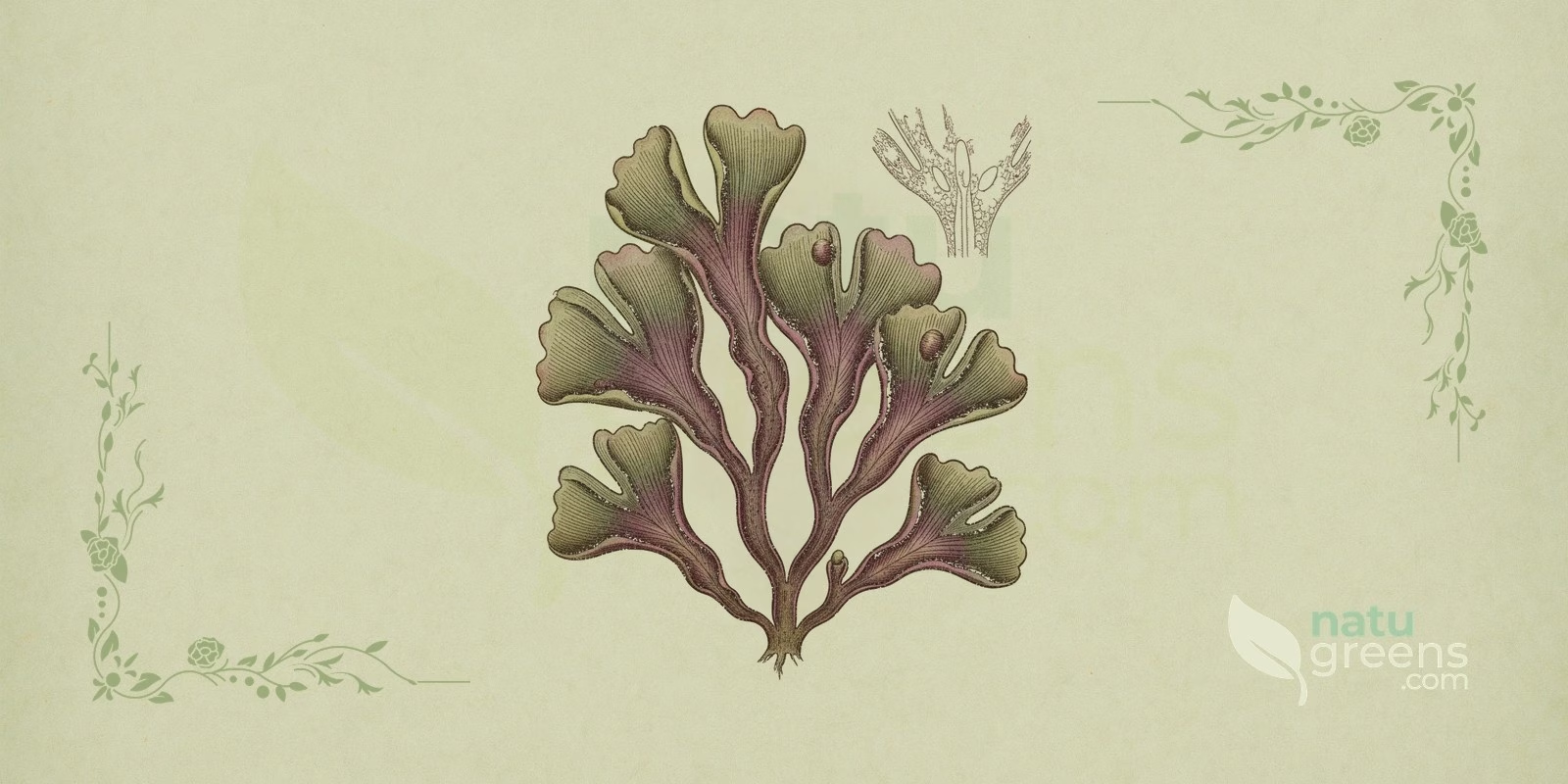
In European herbal tradition, Irish moss holds a prominent place as a mucilaginous and nourishing agent, with uses ranging from gastrointestinal complaints to the relief of respiratory problems. Its composition is especially rich in carrageenan, a polysaccharide responsible for the seaweed’s thickening and stabilizing properties. Modern scientific research has been investigating several of the traditional uses of Chondrus crispus, which has made it one of the most widely studied and used seaweeds in the world. Even so, most of the evidence comes from laboratory and animal studies.
Popular and International Names of Irish Moss
The seaweed’s names in different languages tend to refer to Ireland, to the mossy look of its fronds and to its use as a jelly, as the list below, organized by language, shows.
- English: carrageen moss, carragheen, Irish moss, jelly moss, pearl moss.
- French: goémon blanc, mousse d’Irlande, mousse perle.
- German: Irisch Moos, Knorpeltang.
- Italian: carragheen, muschio irlandese.
- Portuguese: musgo-carragaen, musgo-da-Irlanda, musgo-irlandês.
- Spanish: musgo carragaen, musgo de Irlanda.
Botanical Synonyms of Chondrus crispus
The accepted scientific name for this species is Chondrus crispus Stackhouse, 1797. There are no widely recognized botanical synonyms used interchangeably in contemporary scientific literature, which gives the species taxonomic stability. Trade names should not be confused with synonyms, however, because other seaweeds are sometimes sold under the generic name sea moss without being Chondrus crispus or botanical synonyms of it.
Botanical Family: Gigartinaceae
The family Gigartinaceae belongs to the order Gigartinales, within the class Florideophyceae and the division Rhodophyta, which comprises the red algae. These are benthic marine algae that live attached to rocky substrates in coastal environments, and their species stand out for their complex morphology and for life cycles that usually involve an alternation of generations. Many of them are important sources of carrageenan, a polysaccharide widely used in the food and pharmaceutical industries for its gelling and thickening properties.
Chondrus crispus is one of the best-known members of the family and shares with the others the presence of carrageenan in its cell walls. The diversity of the Gigartinaceae includes several species of ecological and economic importance for coastal marine ecosystems. Research on the group continues to identify bioactive compounds and potential applications, which underlines its relevance to marine biotechnology and to studies on human health.
Parts of Irish Moss Used
The part of Irish moss that is used is the thallus, made up of branched fronds, which can be eaten whole after being washed and rehydrated or processed into extracts and powders for food use and supplements.
- Extracts
- Powder
- Whole seaweed (fronds), dried or rehydrated
Ethnobotanical and Traditional Uses
Ethnobotanical records of Irish moss combine food, medicinal and agricultural uses, especially in Ireland, and the items below reflect the traditional use of the seaweed, not indications of proven efficacy.
- Food in times of scarcity, such as during the Great Famine in Ireland.
- Livestock feed supplement.
- Mucilage traditionally used for diarrhea, dysentery and stomach ulcers.
- Thickener and stabilizer in foods and dairy products.
- Traditional relief of flu and other mild respiratory complaints.
- Traditional relief of sore throats and persistent coughs.
Therapeutic Properties of Irish Moss
Most of the properties listed below come from laboratory and animal studies carried out with seaweed extracts or isolated carrageenans, so they should not be read as proven effects in humans, nor do they replace medical care.
- Antibacterial (activity of extracts against bacteria observed in the laboratory)
- Anticoagulant (effect of carrageenan on blood clotting observed in experimental studies)
- Anti-inflammatory (reduction of inflammatory markers in experimental studies)
- Antioxidant (neutralization of free radicals in laboratory assays)
- Antiproliferative (activity observed in laboratory studies, without clinical proof)
- Antithrombotic (effect on thrombus formation investigated in experimental studies)
- Antiviral (activity of carrageenans against HPV, HSV and SARS-CoV-2 observed in the laboratory)
- Blood pressure regulator (effect on blood pressure investigated in preliminary studies)
- Cytoprotective (cell protection observed in laboratory studies)
- Hypocholesterolemic (effect on cholesterol investigated in preliminary studies)
- Hypoglycemic (effect on blood sugar investigated in preliminary studies)
- Immunomodulatory (modulation of the immune response observed in experimental studies)
- Nephroprotective (kidney protection observed in experimental models)
- Neuroprotective (protection of nerve tissue observed in experimental models)
- Prebiotic (fibers that serve as a substrate for the gut microbiota, according to preliminary studies)
- Thyroid support (source of iodine, a mineral the thyroid needs, though excess is harmful)
Detailed Phytochemical Profile of Irish Moss
The composition of Chondrus crispus varies with the harvesting site, the season and the processing, but carrageenan, proteins and minerals form the basis of the seaweed’s nutritional profile, alongside vitamins and phenolic compounds present in smaller amounts.
- Amino acids (essential and non-essential)
- Calcium
- Carotenoids
- Carrageenan (sulfated galactans: kappa, iota, lambda)
- Flavonoids
- Iodine
- Iron
- Magnesium
- Manganese
- Minerals (about 15% of dry weight)
- Peptides
- Phenols
- Polysaccharides
- Polyunsaturated fatty acids (PUFAs)
- Potassium
- Proteins (14.4% to 27% of dry weight)
- Sterols
- Sulfur
- Tannins
- Trace elements (copper and zinc)
- Vitamins (A, B1, B2, B9, B12, C, D, E, K)
Preparation and Administration Forms of Irish Moss
Irish moss reaches consumers in many forms, from the dried fronds used in infusions and homemade gels to industrially made supplements, whose quality depends on where the seaweed comes from and on contaminant control.
- Capsules
- Gel
- Infusion (tea)
- Powder
- Standardized extracts
- Tablets
- Tincture
Synergy with Other Medicinal Plants
For Respiratory Health
In herbal tradition, Irish moss is combined with elder (Sambucus nigra) and thyme (Thymus vulgaris), plants used as expectorants and mucolytics. This combination is traditionally used to ease the symptoms of flu, other respiratory complaints and bronchitis, as well as to clear the airways and calm coughs. According to this tradition, the mucilages of Chondrus crispus would act together with the volatile compounds of these plants, an effect that still awaits scientific confirmation.
For Digestive Health
The combination with ginger (Zingiber officinale) and peppermint (Mentha × piperita) is traditionally used to support digestion. Within this traditional framework, while Chondrus crispus is studied as a prebiotic and used as a protective agent for the stomach lining, ginger and peppermint contribute carminative and antispasmodic properties associated with relief from bloating, gas and abdominal discomfort.
Recipes and Usage Protocols of Irish Moss
Irish Moss Gel
Traditional use: the gel is one of the most popular ways of bringing the seaweed into the kitchen, and it is traditionally used as a natural thickener in sweet and savory dishes.
Ingredients: 1 cup of dried Irish moss and 3 to 4 cups of filtered water.
Method: Rinse the Irish moss thoroughly in cold water to remove impurities and soak it in filtered water for 4 to 12 hours, until it softens and swells. Drain off the soaking water, rinse again and place the rehydrated seaweed in a blender with 3 to 4 cups of filtered water, blending until the mixture is smooth and gelatinous. Store the gel in a tightly closed glass jar in the refrigerator for up to 2 to 3 weeks and use it in small portions in soups, sauces and fruit smoothies or as a thickener in recipes, bearing in mind that frequent consumption increases iodine intake.
Traditional Infusion for Cough and Sore Throat
Traditional use: the infusion is traditionally used to soothe coughs, sore throats and congestion, and tradition attributes this calming effect to the seaweed’s mucilage acting on irritated mucous membranes.
Ingredients: 1 tablespoon of dried Irish moss, 250 ml of boiling water and, if desired, honey and lemon.
Method: Rinse the Irish moss, place it in a cup and cover it with the boiling water, letting it steep for 10 to 15 minutes before straining. If you like, add honey and a few drops of lemon to round out the flavor, and drink the infusion while it is still warm. Keep use occasional and moderate, without extending daily consumption over long periods because of the iodine content, and consult a health professional before making the infusion part of your routine.
The preparations above follow traditional records and do not replace professional guidance. Before any internal use, check the contraindications and interactions described in this article.
Associated Therapies
Phytotherapy
In phytotherapy, Chondrus crispus is valued for its mucilaginous properties, which explain its traditional use in mild inflammatory conditions of the gastrointestinal and respiratory tracts, above all as a demulcent to soothe irritated mucous membranes and as a gentle expectorant. Standardized extracts and Irish moss gels are used to provide a more consistent amount of bioactive compounds, especially carrageenan, in formulations aimed at digestive and immune health. Contemporary phytotherapy includes it in nutritional support protocols, always as a complement and never as a substitute for medical care in chronic conditions.
Functional Nutrition
In functional nutrition, Irish moss is regarded as a superfood because of its dense nutritional profile, which brings together minerals such as calcium, iodine, iron, magnesium and zinc, as well as vitamins and amino acids. Its wealth of fiber with prebiotic action contributes to the health of the gut microbiota, supporting digestion and nutrient absorption. The seaweed is often added to diets that seek to support thyroid function and the immune system, appearing in desserts, fruit smoothies and supplements. Since even a small portion can provide a lot of iodine, regular consumption should be moderate and supervised by a nutritionist or physician, especially in people who already have a thyroid condition.
Contraindications and Side Effects of Irish Moss
Irish moss (Chondrus crispus) is a seaweed rich in iodine and carrageenan, traditionally used as a food and as a thickener, and it is contraindicated in hyperthyroidism and in autoimmune thyroid diseases because of its iodine content. Prolonged use at high doses should be avoided because of the risk of iodine excess, and caution is needed in people with irritable bowel syndrome or intestinal inflammation, since degraded carrageenan (unlike the whole seaweed) has been associated with gastrointestinal irritation in some studies. Do not use during pregnancy or breastfeeding without medical advice, because of the effect of excess iodine.
Allergies and Hypersensitivity
People with a known allergy to seaweed, to iodine or to other components of Chondrus crispus should avoid consuming it, since reactions can appear as skin rashes, itching, swelling or, in rare cases, anaphylaxis. It is worth checking where the product comes from, because cross-contamination with other marine allergens can occur. As sensitivity varies from person to person, introducing the seaweed into the diet gradually helps to detect any adverse reaction.
Thyroid Disorders
Because of its high iodine content, excessive consumption of Irish moss can be problematic for people who already have thyroid disorders, such as hyperthyroidism or Hashimoto’s disease. Although iodine is essential for the gland to work properly, high doses can worsen these conditions or induce thyroid dysfunction in susceptible people, so anyone with thyroid problems should consult a health professional before adding the seaweed to their diet.
Drug Interactions
Chondrus crispus may interact with some medications, starting with anticoagulants such as warfarin. The seaweed’s vitamin K tends to reduce the effect of this drug, while the anticoagulant activity attributed to carrageenan in experimental studies could add to it and raise the risk of bleeding. The high iodine content may also interfere with thyroid medications and alter their efficacy. People taking glucose-lowering drugs or other diabetes medications should be cautious, because the seaweed may influence blood sugar levels. In all these cases, use should be discussed with a physician or pharmacist beforehand.
Heavy Metals and Contaminants
Like other seaweeds, Chondrus crispus can accumulate heavy metals such as arsenic, cadmium, lead and mercury, as well as other contaminants from the marine environment. For this reason, the quality and safety of the product depend heavily on where the seaweed comes from and on how it is harvested and processed. Ideally, choose reputable suppliers that test for contaminants, since frequent consumption of contaminated seaweed can lead to a build-up of toxic substances in the body, with possible long-term adverse effects on health.
Gastrointestinal Problems
In some people, especially in large amounts, Irish moss can cause gastrointestinal discomfort, with bloating, gas, cramps and diarrhea, an effect linked mainly to its high content of fiber and carrageenan, which can act as a laxative. Food-grade carrageenan is generally considered safe, but in sensitive people or those with pre-existing bowel conditions, such as irritable bowel syndrome (IBS) and inflammatory bowel disease (IBD), it may worsen symptoms. In addition, a review of animal experiments associated the degraded form of carrageenan with intestinal lesions. It is therefore advisable to introduce the seaweed gradually and observe the individual response.
Pregnancy, Breastfeeding and Children
The safety of Chondrus crispus during pregnancy and breastfeeding has not been extensively studied. The lack of conclusive data, combined with the possible impact of iodine on the thyroid and the anticoagulant effects under investigation, leads to the recommendation that pregnant and breastfeeding women should not use the seaweed without medical advice. The same caution applies to children, for whom safety data are also lacking, and in all these cases prudence is the best way to protect the health of mother and baby.
Historical Notes and Interesting Facts
History and Survival
According to historical accounts, Irish moss played an important role in the survival of part of the Irish population during the Great Famine of 1845 to 1849, when the loss of the potato crops led many families to turn to the seaweed as a source of food and nutrients. This episode helps explain the place of Chondrus crispus in Ireland’s food culture as a resource in times of scarcity and as a symbol of the ability to adapt to adverse conditions.
Industrial Versatility
Beyond its medicinal and food uses, the carrageenan extracted from Irish moss is a versatile industrial ingredient, used as a thickener, stabilizer and gelling agent in a wide range of products, from cosmetics and personal care items to paints and textiles. Its ability to form gels and modify the texture of liquids has made carrageenan a constant presence in industrial applications, which explains the global economic importance of this seaweed and of other carrageenan-producing species in the family Gigartinaceae.
Frequently Asked Questions about Irish Moss
What Is Irish Moss Tea?
It is an infusion made from the dried fronds of the seaweed Chondrus crispus, traditionally consumed for its mucilaginous and nourishing properties and associated by tradition with relief from respiratory and digestive complaints. It has a mild flavor, can be sweetened with honey or seasoned with lemon and provides minerals and vitamins, although it should be consumed in moderation because of its iodine content.
What Is Irish Moss Traditionally Used For?
Tradition uses Irish moss to soothe coughs and sore throats, support digestion and supplement the diet with minerals, iodine among them. Laboratory studies are also investigating anti-inflammatory, antioxidant and prebiotic activities, but these findings are not equivalent to proven effects in humans.
How Do You Prepare Irish Moss Tea?
Rinse one tablespoon of the dried seaweed thoroughly, place it in a cup and cover it with 250 ml of boiling water, letting it steep for 10 to 15 minutes before straining. Honey or lemon can be added to taste, and many recipes advise against boiling the seaweed directly in the water, because this can alter the properties of the carrageenan. Consumption should be occasional and moderate, with professional guidance for any ongoing use.
Does Irish Moss Have Side Effects?
Yes, especially when consumed in excess or by sensitive people, and the most common effects are gastrointestinal discomforts such as bloating, gas and diarrhea, linked to its high fiber content. Its iodine content calls for caution in people with thyroid disorders, and an allergy to seaweed is also a contraindication, so it is advisable to consult a health professional before starting regular consumption.
Who Should Avoid Irish Moss?
It should be avoided by people with an allergy to seaweed or iodine and by those with hyperthyroidism or autoimmune thyroid diseases, such as Hashimoto’s disease. Pregnant and breastfeeding women should not use it without medical advice, and anyone taking anticoagulants, thyroid medications or glucose-lowering drugs needs professional advice before use. People with irritable bowel syndrome or intestinal inflammation should also be cautious with the seaweed.
Can the Iodine in Irish Moss Affect the Thyroid?
It can, because the seaweed is rich in iodine and prolonged use at high doses carries a risk of excess of this mineral, which can worsen or trigger thyroid dysfunction in susceptible people. For this reason, Irish moss is contraindicated in hyperthyroidism and in autoimmune thyroid diseases and should not be used during pregnancy or breastfeeding without medical advice, because of the effect of excess iodine.
Notice: this content is for informational purposes and does not replace professional medical advice. Consult a physician or herbal practitioner before using medicinal plants, especially during pregnancy, breastfeeding, or alongside medication.
References and Scientific Studies
- PMC2024 Čmiková N, et al. Seaweed Nutritional Value and Bioactive Properties: Insights from Ascophyllum nodosum, Palmaria palmata, and Chondrus crispus. Life (Basel). 2024.
- PMC2020 Darias-Rosales J, et al. Risk assessment of iodine intake from the consumption of red seaweeds (Palmaria palmata and Chondrus crispus). Environ Sci Pollut Res Int. 2020.
- PMC2021 Lomartire S, et al. An Overview to the Health Benefits of Seaweeds Consumption. Mar Drugs. 2021.
- PMC2024 Park SJ, et al. An Update on the Chemical Constituents and Biological Properties of Selected Species of an Underpinned Genus of Red Algae: Chondrus. Mar Drugs. 2024.
- PMC2001 Tobacman JK. Review of harmful gastrointestinal effects of carrageenan in animal experiments. Environ Health Perspect. 2001.