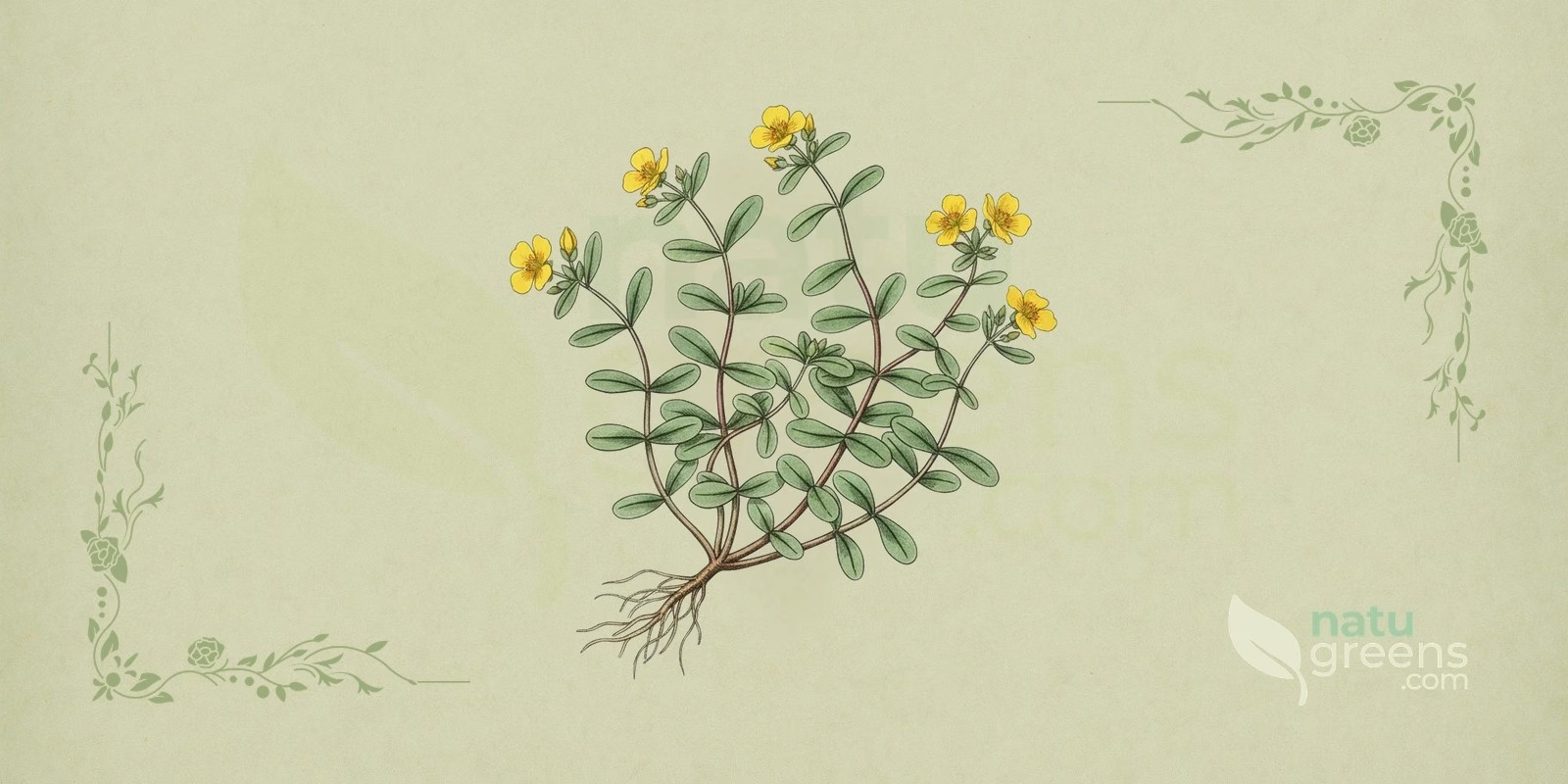
Portulaca oleracea L. / Purslane, also known as common purslane or garden purslane, is an annual succulent that can behave as a perennial in tropical zones. It belongs to the Portulacaceae family, was described by Carl Linnaeus and has a very wide distribution, occurring from Europe and North Africa to the Middle East, Asia and the Americas. Valued for millennia as both a food and a medicinal plant, purslane appears in ancient texts such as those of Theophrastus and Pliny the Elder. Its fleshy leaves and reddish stems concentrate nutrients and bioactive compounds that attract interest in the kitchen as much as in research.
Purslane is recognized for its nutritional composition and stands out as one of the leafy vegetables richest in omega-3 fatty acids, especially alpha-linolenic acid (ALA). It also supplies a good amount of essential vitamins and minerals. Its ease of cultivation and its ability to adapt to very different environments contributed to its wide spread and to its use across many cultures. Modern scientific research has been examining many of these traditional uses, and some of them find support in laboratory studies and in clinical trials that are still preliminary. Taken together, this reinforces the plant’s reputation as a valuable food without turning it into a substitute for medical treatment.
Popular and International Names of Purslane
- English: common purslane, fatweed, garden purslane, little hogweed, pigweed, pursley, pussley, wild portulaca.
- French: pourpier, pourpier commun, pourpier maraîcher.
- German: Echter Portulak, Gemüse-Portulak, Portulak, Sommerportulak.
- Italian: erba grassa, porcellana, portulaca.
- Portuguese: beldroega, beldroega-comum (PT); beldroega, bredo-de-porco, caaponga, porcelana, portulaca, salada-de-negro, verdolaga (BR).
- Spanish: verdolaga, verdolaga común.
Botanical Synonyms of Portulaca oleracea
Portulaca oleracea L. has accumulated several botanical synonyms over time, a reflection of its wide distribution and of the morphological variation that led botanists of different eras to describe forms or varieties of the plant as separate taxa. Among the most frequently cited are Portulaca officinarum Crantz and Portulaca hortensis Rupr. The list below brings together, in alphabetical order, the main names that have been applied to the species.
- Portulaca granulato-stellulata (Poelln.) Ricceri & Arrigoni
- Portulaca hortensis Rupr.
- Portulaca neglecta Mackenzie & Bush
- Portulaca nitida (Danin & H.G. Baker) Ricceri & Arrigoni
- Portulaca officinarum Crantz
- Portulaca oleracea subsp. sylvestris Čelak.
- Portulaca oleracea var. sylvestris DC.
- Portulaca retusa Engelm.
Botanical Family: Portulacaceae
Portulaca oleracea belongs to the Portulacaceae family, a group of dicotyledonous plants marked by succulent species. Many of them are adapted to arid environments thanks to their fleshy leaves and their capacity to store water, which makes them resistant to drought. In its traditional circumscription, the family included about 20 genera and more than 500 species distributed mainly across temperate and tropical regions. More recent phylogenetic classifications, however, have restricted Portulacaceae practically to the genus Portulaca and moved several former members to families such as Montiaceae and Talinaceae. Many species in the group are grown as ornamental, food or medicinal plants, for example moss rose (Portulaca grandiflora), an ornamental relative of purslane that is sometimes confused with it because of shared common names.
Parts of Purslane Used
- Flowers
- Leaves
- Seeds
- Stems
In the diet, the leaves and tender stems are used above all, while the seeds have also been the subject of phytochemical studies and of clinical trials on metabolism.
Ethnobotanical and Traditional Uses
- Ayurvedic medicine: traditional record of use as a diuretic, as an anti-inflammatory and for skin problems.
- Folk medicine: valued in several traditions as a food-medicine because of its nutritional profile, although this broad use does not mean proven efficacy for each condition.
- Food: eaten as a leafy vegetable in salads, soups and stews in many cultures, from Europe and North Africa to the Middle East, Asia and Mexico.
- Topical use: crushed fresh leaves applied, according to tradition, to small wounds, insect bites and skin irritations.
- Traditional Chinese medicine: traditionally used for intestinal infections, diarrhea, dysentery, urinary tract infections and insect bites.
Therapeutic Properties of Purslane
The properties listed below summarize what tradition and research attribute to purslane. Most of them were observed in laboratory and animal studies, and none of them replaces medical evaluation and treatment.
- Analgesic (pain reduction observed in animal models)
- Anti-inflammatory (activity described in laboratory and animal studies)
- Antimicrobial (action against microorganisms observed in the laboratory)
- Antioxidant (free radical scavenging in laboratory assays)
- Antiulcerogenic (protection of the gastric mucosa observed in animal models)
- Cardioprotective (cardiovascular protection suggested by experimental studies, still under research)
- Diuretic (increased urine volume according to the traditional record)
- Hepatoprotective (liver protection observed in animal models)
- Hypocholesterolemic (cholesterol reduction investigated in preliminary studies)
- Hypoglycemic (possible reduction of blood glucose, an effect still under research)
- Immunomodulatory (modulation of the immune response observed in the laboratory)
- Muscle relaxant (muscle relaxation described in experimental studies)
- Neuroprotective (protection of nerve cells observed in experimental studies)
- Wound-healing (traditional record for small wounds, supported by animal studies)
Scientific Evidence on Purslane
Portulaca oleracea has drawn growing interest from the scientific community. Literature reviews describe neuroprotective, antimicrobial, antioxidant and anti-inflammatory activities, largely observed in laboratory assays and animal models. Its richness in omega-3 fatty acids (ALA), vitamins A, C and E and minerals is also a focus of research, especially given the plant’s role as a nutrient-dense food. Antimicrobial activity against various pathogenic bacteria has been documented in the laboratory, while in vivo animal studies recorded anti-inflammatory action associated with a reduction in enzymes involved in the inflammatory process.
In the metabolic field, small clinical trials and recent meta-analyses have assessed the effect of eating purslane on blood glucose, insulin and the lipid profile of people with type 2 diabetes. Studies using the plant’s seeds recorded reductions in glucose, triglycerides and total cholesterol, along with an increase in HDL, a result that explains the cardiometabolic interest in the species. These findings, however, do not yet allow the possible hypoglycemic or cardioprotective effect to be treated as established fact. The subject remains under research and does not justify using the plant in place of prescribed medication.
Detailed Phytochemical Profile of Purslane
The chemical profile of purslane combines nutrients and secondary metabolites, and the groups below appear frequently in reviews devoted to the species.
- Alkaloids, including the oleraceins described in the species.
- Antioxidants: alpha-tocopherol, ascorbic acid, carotenoids (beta-carotene, lutein, zeaxanthin), flavonoids (apigenin, kaempferol, quercetin), glutathione.
- Minerals: calcium, copper, iron, magnesium, manganese, potassium, zinc.
- Mucilages.
- Organic acids: citric acid, malic acid, oxalic acid.
- Phenolic compounds.
- Polyunsaturated fatty acids: alpha-linolenic acid (ALA), from the omega-3 series, accompanied by linoleic acid, from the omega-6 series.
- Saponins.
- Triterpenoids.
- Vitamins: vitamin A (beta-carotene), B vitamins (folate, niacin, pyridoxine), vitamin C (ascorbic acid), vitamin E (alpha-tocopherol).
Preparation and Administration Forms of Purslane
- Compresses
- Culinary use (salads, sautés, soups)
- Decoction
- Extract (dry, fluid)
- Fresh juice
- Infusion (tea)
- Poultice
- Tincture
At home, culinary use and topical applications predominate, whereas extracts and tinctures call for professional guidance on quantity and duration of use.
Synergy with Other Medicinal Plants
Glucose Metabolism
In herbal tradition, purslane is often combined with other plants investigated for a possible effect on blood glucose, on the idea that different bioactive compounds would act on distinct metabolic pathways and complement one another. This hypoglycemic effect is still under research and may add to that of antidiabetic drugs. For this reason, the combination should be understood only as a traditional record, without replacing conventional care or dispensing with professional follow-up and glucose monitoring.
Inflammatory Processes
Alongside plants traditionally used as anti-inflammatories, purslane appears in combinations that tradition employs for inflammatory discomfort. This practice rests on the presence of omega-3 fatty acids and flavonoids that showed anti-inflammatory activity in laboratory studies. This combined effect, however, has not been consistently demonstrated in people, which is why such combinations should be seen as a traditional record and not as a promise of relief.
Cardiovascular Health
Together with plants that tradition associates with care of the heart and the lipid profile, purslane is traditionally used as part of a diet geared toward cardiovascular health. Its omega-3 and antioxidant content is being investigated in studies on cholesterol, blood vessel protection and heart function, but these effects remain under research and only make sense within a comprehensive health plan supervised by a professional.
Recipes and Usage Protocols of Purslane
Poultice for Skin Inflammation
Ingredients: fresh purslane leaves.
Preparation: Crush the fresh leaves into a paste, apply it directly to small wounds, insect bites or areas of irritated skin and cover with a clean cloth, leaving it on for 20 to 30 minutes. The application can be repeated as needed and is traditionally used to soothe irritation and support the healing of superficial lesions. This use is based on the traditional record of the plant’s anti-inflammatory and wound-healing action. Deep, infected or non-healing wounds should be assessed by a health professional, and the paste should be discontinued at the first sign of redness or itching.
Infusion for Digestion and General Well-Being
Ingredients: a small amount of fresh or dried purslane leaves and one cup of boiling water.
Preparation: Pour the boiling water over the leaves, let steep for 5 to 10 minutes and strain before drinking. Tradition takes this infusion after meals to support digestion, or at other times of the day for its nutritional contribution, always occasionally and in moderation. The amount of leaves and the frequency of use should be defined with guidance, especially by anyone with a history of kidney stones, pregnant women and people taking diabetes medication; consult a health professional.
Sautéed Purslane
Ingredients: tender purslane leaves and stems, chopped garlic and olive oil.
Preparation: Sauté the tender leaves and stems with the chopped garlic in olive oil for a few minutes, until soft, and serve as a side to main dishes or add to omelets, soups and stews. It is a tasty way to include purslane in the diet, and quick cooking preserves a good share of the nutrients, although it slightly reduces the most heat-sensitive ones, such as vitamin C.
Fresh Purslane Salad
Ingredients: tender purslane leaves and stems, tomato, cucumber, onion, olive oil and lemon.
Preparation: Add the tender purslane leaves and stems to a green salad with tomato, cucumber and onion and season with a light olive oil and lemon dressing. Purslane brings a slightly tart and salty flavor, a crunchy texture and a meaningful supply of nutrients, which makes the salad a refreshing everyday option.
Green Juice with Purslane
Ingredients: a handful of fresh purslane, apple, cucumber, ginger and coconut water.
Preparation: Blend the purslane with the apple, cucumber, ginger and coconut water, strain if you prefer and drink right away. The drink provides a concentrated supply of vitamins, minerals and antioxidants. It is a practical way to increase your daily intake of green vegetables, but because it also concentrates the plant’s oxalates, anyone with a history of kidney stones should have it only now and then and with guidance.
The preparations above follow traditional records and do not replace professional guidance. Before any internal use, check the contraindications and interactions described in this article.
Associated Therapies
Clinical Phytotherapy
In clinical phytotherapy, interest in purslane centers on extracts evaluated in research on metabolic, inflammatory and cardiovascular disorders. Studies highlight its anti-inflammatory and antioxidant activities and its possible hypoglycemic effect, which is still under research. Any use beyond food should be prescribed and monitored by a health professional, who assesses the dose, the duration of treatment and interactions with the medications being taken.
Traditional Chinese Medicine (TCM)
In TCM, purslane, called ma chi xian, is traditionally employed for intestinal infections, diarrhea, dysentery, urinary tract infections and insect bites. Tradition classifies it as an herb of cold nature and sour taste, with the function of “clearing heat and detoxifying”. These concepts, specific to that system, guide its use to balance the body and support digestive and urinary functions, with no direct equivalence to Western medical diagnoses.
Functional Nutrition
In functional nutrition, purslane is included in meal plans designed to diversify the intake of plant-based omega-3, vitamins and minerals. This makes it especially relevant in vegetarian and vegan diets, in which omega-3 sources tend to be limited. The goal is to support cardiovascular and brain health and the balance of inflammatory processes within a varied diet. The body, however, converts only a small part of ALA into the long-chain forms (EPA and DHA), and no single food protects against chronic disease on its own.
Contraindications and Side Effects of Purslane
General Contraindications
Purslane is contraindicated for people with a known allergy to the plant or to other species of the Portulacaceae family. It contains oxalates, which calls for moderation in anyone with a history of calcium oxalate kidney stones, since excessive consumption can contribute to stone formation in susceptible people. The medical literature also records cases of oxalate nephropathy associated with eating large quantities of the plant. For this reason, people with kidney disease or a predisposition to kidney problems should consume it in moderation and under medical guidance.
Pregnancy and Breastfeeding
Traditional use as a uterine stimulant is recorded for purslane, which also has a reputation as an emmenagogue. For this reason, concentrated medicinal amounts, such as extracts, tinctures, concentrated juices or frequent infusions, are best avoided during pregnancy. Use as an occasional salad leaf is not the target of this caution, since occasional consumption as food is generally considered safe. During breastfeeding, there are no safety studies confirming that medicinal amounts are harmless, and prudence advises consulting a health professional before any regular use or larger portions, both in pregnancy and while breastfeeding.
Drug Interactions
A possible hypoglycemic effect that may add to that of antidiabetic drugs has been recorded, a finding from studies that is still under research and should not be treated as established fact. Even so, anyone taking diabetes medication should monitor their blood glucose and talk to their doctor before consuming the plant in medicinal amounts. Because of its diuretic properties, purslane may, in theory, enhance the effect of diuretic drugs and favor an electrolyte imbalance. People taking anticoagulants such as warfarin should also seek guidance before turning to extracts or supplements of the plant, because this possible interaction has been little studied and carries a risk of altered blood clotting. Before combining purslane with any medication, consult a health professional.
Common Side Effects
Side effects of purslane tend to be rare and mild, but consumption can cause nausea, vomiting or allergic skin reactions in sensitive people. Topical application may occasionally cause contact dermatitis. High doses of extract have been associated with liver and kidney damage in animal models. These effects are not common in humans with moderate consumption, but they reinforce the need to avoid prolonged use of concentrated preparations. If any adverse reaction occurs, use should be stopped and a health professional consulted.
Historical Notes and Interesting Facts
Purslane is often cited among the most nutritious leafy vegetables, thanks to its richness in omega-3 fatty acids, vitamins A, C and E and essential minerals. Its use as food and medicine goes back thousands of years, with mentions in the writings of Theophrastus, in the 4th century BC, and of Pliny the Elder, in his Natural History. In India, where it is known as kulfa, the plant is widely used in cooking and in traditional medicine. Its remarkable hardiness lets it grow in poor soils and under adverse conditions, which makes it a “weed” in some contexts and, at the same time, a valuable source of food.
The slightly tart and salty flavor of purslane comes from oxalic and malic acids, which give the plant its characteristic organoleptic profile. The species also draws botanists’ attention for its ability to switch between C4 photosynthesis and crassulacean acid metabolism (CAM) during periods of drought, a mechanism that helps explain its tolerance of hot, dry environments.
Frequently Asked Questions about Purslane
Does Purslane Help with Weight Loss?
Although it is nutritious and low in calories, purslane lacks robust scientific evidence that it causes weight loss on its own. It can serve as a healthy complement to a balanced diet combined with an active lifestyle, contributing to satiety and nutrient intake without adding many calories. Including it in your meals therefore supports general health and can only indirectly help with weight control.
Is Purslane Safe for Everyone?
No, purslane is not safe for everyone, and people with an allergy to the plant or a history of kidney stones should be cautious because of its high oxalate content. Pregnant women should avoid concentrated medicinal amounts, since traditional use as a uterine stimulant has been recorded, and breastfeeding women should consult a health professional before regular use. People taking anticoagulants, diuretics or diabetes medication also need guidance, because the plant’s possible hypoglycemic effect, still under research, may add to that of antidiabetic drugs.
Can People with Kidney Stones Eat Purslane?
Purslane contains oxalates, so anyone with a history of calcium oxalate kidney stones should eat it in moderation. The medical literature describes cases of oxalate nephropathy associated with eating large quantities of the plant, which makes daily use in juices, extracts or generous portions inadvisable for people who have already had kidney stones. In these cases, the most prudent approach is to set the appropriate frequency and amount with a nephrologist or dietitian.
Can Purslane Be Eaten Raw?
Yes, purslane’s tender leaves and stems can be eaten raw in salads, one of the most popular ways to enjoy the plant, with its slightly tart and salty flavor and crunchy texture. Eating it raw better preserves heat-sensitive nutrients such as vitamin C and some antioxidant compounds. Before serving, wash the leaves and stems well to remove soil and other residues.
How Can You Identify Purslane?
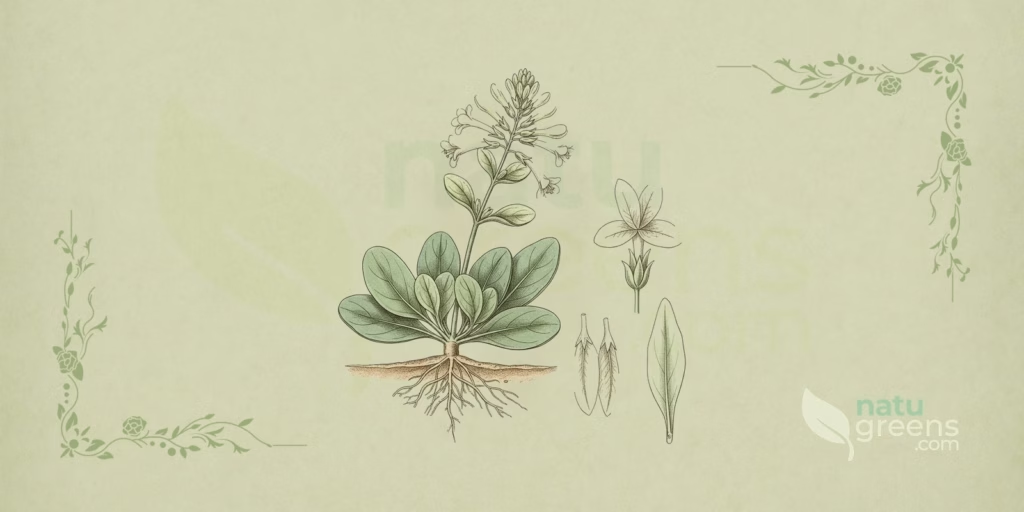
Purslane (Portulaca oleracea) is easy to recognize by its reddish, succulent stems, which grow prostrate or semi-erect and form mats close to the ground. The leaves are fleshy, obovate to spatulate in shape and bright green. The small yellow five-petaled flowers open for only a few hours on sunny mornings. Its succulent appearance and creeping growth are the most useful indicators, and since other low-growing plants can be mistaken for it, it should only be gathered for eating when identification is certain.
What Is the Best Way to Eat Purslane for Omega-3?
Eating the fresh leaves and stems in salads or juices is a good way to take advantage of purslane’s nutrients, including omega-3. Because heat can degrade some of the more sensitive fatty acids, raw consumption is preferable to maximize omega-3 intake, whether in fresh salads or green juices. Anyone with a history of kidney stones should still keep portions moderate because of the oxalates.
Notice: this content is for informational purposes and does not replace professional medical advice. Consult a physician or herbal practitioner before using medicinal plants, especially during pregnancy, breastfeeding, or alongside medication.
References and Scientific Studies
- PMC2023 Abbasi S, et al. The effects of purslane (Portulaca oleracea) on glycemic indices: A GRADE-assessed systematic review and meta-analysis of randomized controlled trials. Phytother Res. 2023.
- PMC2022 Ebrahimian Z, et al. Effects of Portulaca oleracea L. (purslane) on the metabolic syndrome: A review. Iran J Basic Med Sci. 2022.
- PMC2023 Ghorani V, et al. Phytochemical Characteristics and Anti-Inflammatory, Immunoregulatory, and Antioxidant Effects of Portulaca oleracea L.: A Comprehensive Review. Evid Based Complement Alternat Med. 2023.
- PMC2017 Iranshahy M, et al. A review of traditional uses, phytochemistry and pharmacology of Portulaca oleracea L. J Ethnopharmacol. 2017.
- PMC2022 Jalali J, et al. Ameliorative effects of Portulaca oleracea L. (purslane) on the metabolic syndrome: A review. J Ethnopharmacol. 2022.