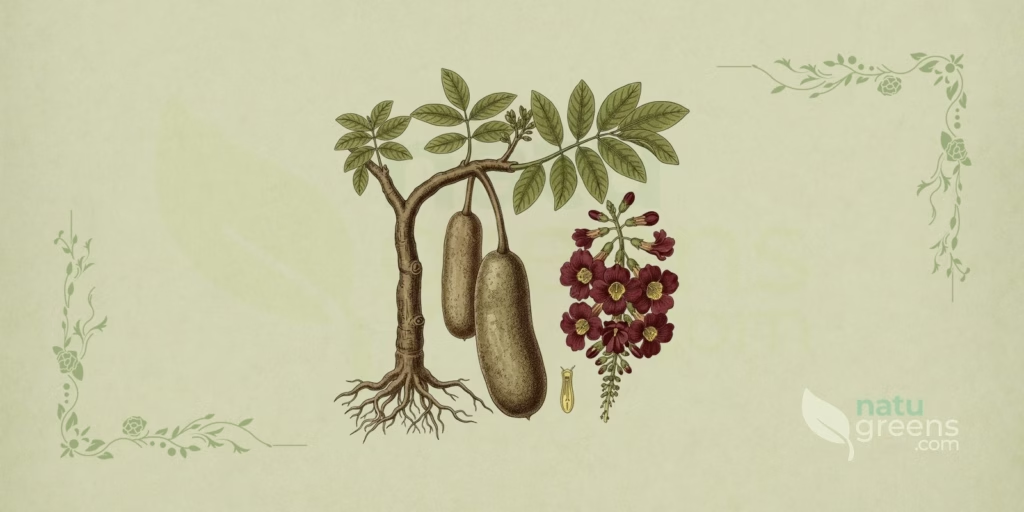
Gymnema sylvestre (Retz.) R.Br. ex Sm. / Gurmar, commonly known as gymnema, is a perennial woody climber native to tropical and subtropical regions of Asia, including India and the Arabian Peninsula, as well as Africa and Australia. The plant has been used for millennia in Ayurvedic medicine, particularly in traditional records linked to blood sugar balance, and its leaves, soft in texture and hairy on the surface, are the most prized part for preparing extracts and infusions.
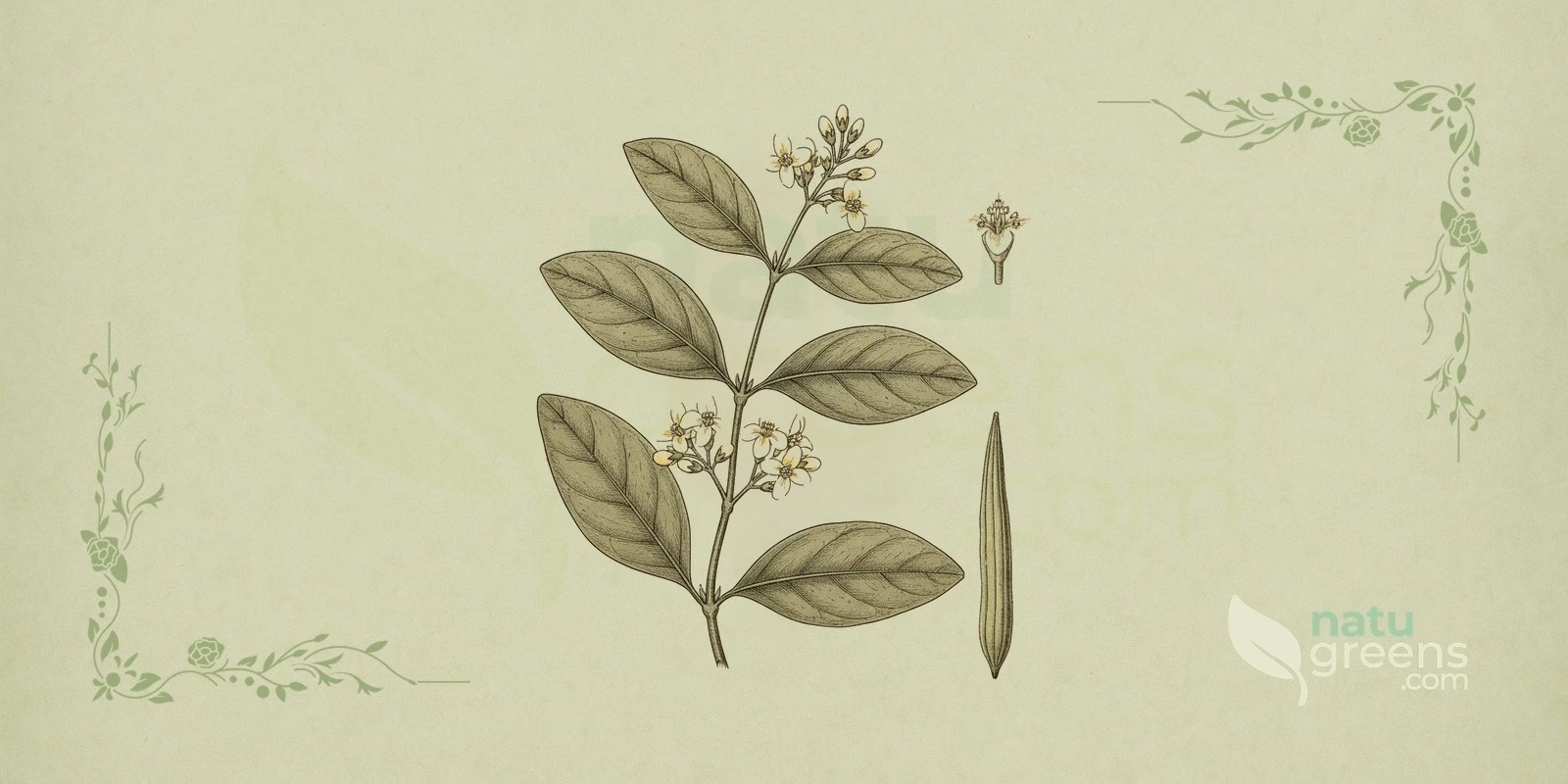
In herbal tradition, gurmar stands out for its ability to temporarily suppress the perception of sweet taste, an effect attributed to the gymnemic acids in its leaves that earned it the nickname “sugar destroyer” in several languages, starting with its own Hindi name. Modern research has been examining some of these traditional uses, with promising results in preliminary studies on glucose metabolism and body weight control, but the clinical evidence remains limited and does not support using the plant as a substitute for any medical treatment.
Popular and International Names of Gurmar
The name gurmar comes from Hindi and combines the ideas of sugar and destruction, a meaning close to that of the Sanskrit madhunashini, while meshashringi, which means ram’s horn, alludes to the shape of the plant’s fruits.
- English: Australian Cowplant, Gurmar, Gymnema, Periploca of the Woods, Small Indian Ipecacuanha.
- French: Gymnema sylvestre.
- German: Gymnema.
- Hindi: Gurmar.
- Italian: Gymnema.
- Portuguese: Cipó-de-Açúcar, Destruidor de Açúcar, Gimnema, Gurmar.
- Sanskrit: Madhunashini, Meshashringi.
- Spanish: Gimnema, Gurmar.
Botanical Synonyms of Gymnema sylvestre
Gymnema sylvestre has accumulated several botanical synonyms over its taxonomic history, the best known being Asclepias geminata Roxb., Gymnema humile Decne., Gymnema parvifolium Wall. and Periploca sylvestris Retz. The last of these is the basionym of the species, that is, the original name published by Retzius, which explains the abbreviation in parentheses in the current author citation; the other names circulated in different periods and contexts, but Gymnema sylvestre is today the name most widely accepted by the scientific community.
Botanical Family: Apocynaceae
Gymnema sylvestre belongs to the family Apocynaceae, a vast and diverse group of flowering plants. The species was formerly classified in Asclepiadaceae, a family now treated as the subfamily Asclepiadoideae within Apocynaceae. The group includes a wide variety of species, many of them with a history of medicinal use, and its plants are typically characterized by latex and by bioactive compounds with various pharmacological applications, some of them toxic, which underlines the need for caution when using species from this family.
Parts of Gurmar Used
The leaves concentrate the gymnemic acids and are by far the most widely used part, either dried or as extracts, while the roots appear less often, mainly in homeopathic preparations.
- Leaves, dried or as standardized extracts
- Roots, mentioned in homeopathic preparations
Ethnobotanical and Traditional Uses
Ethnobotanical records and Ayurvedic literature cite the traditional use of gurmar in the situations listed below, and the list documents this tradition of use without representing clinical proof of efficacy for any of them.
- Allergies
- Antimicrobial
- Antioxidant
- Aphrodisiac
- Constipation
- Cough
- Dental caries
- Diabetes, as traditional support for blood sugar balance
- Eye disorders
- Obesity
- Stomach problems
- Viral infections
Therapeutic Properties of Gurmar
The properties described below summarize findings from laboratory studies, animal studies and small clinical trials, and should be read as ongoing lines of research, not as treatment recommendations.
Blocking Sweet Taste Perception
The leaves of Gymnema sylvestre contain gymnemic acids, triterpenoid saponins that act on the taste receptors of the tongue and temporarily suppress the perception of sweetness in substances such as sucrose, stevia, xylitol and artificial sweeteners. The effect usually lasts 15 to 50 minutes, sometimes extending for several hours, and it is specific to sweetness, since the perception of bitter, salty and sour tastes remains unchanged. This is the best documented action of the plant, described in experimental studies since the 1960s.
Sugar Absorption and Insulin Secretion
Experimental studies suggest that gymnemic acids also bind to receptors in the intestinal wall, which could reduce the absorption of sugar molecules and, as a result, contribute to lower blood glucose levels. Animal research and small clinical trials in people with diabetes are also looking into a possible stimulating effect on the secretion and release of insulin, a hormone central to blood sugar regulation, but these findings are preliminary and do not allow the plant to be regarded as an alternative to prescribed medication. Precisely because of this hypoglycemic effect, anyone already using insulin or oral antidiabetic drugs needs professional supervision before any use.
Sweet Food Intake and Appetite Control
Extracts of Gymnema sylvestre taken as lozenges, mouth rinses or teas have been associated, in small studies, with a lower intake of sweet foods. The proposed explanation is that suppressing sweet taste makes sugary foods less appealing and consequently reduces calorie intake, so some researchers are investigating the plant as a support for adherence to changes in eating habits, still without conclusive results in large studies.
Research on Weight Control
Gymnema sylvestre is also being investigated for its potential in weight control, and in Japan, according to the literature on the plant, a considerable volume of leaves is consumed every year for this purpose. Preliminary research suggests that combining Gymnema sylvestre extract with hydroxycitric acid and niacin-bound chromium may contribute to a reduction in body weight in people with overweight or obesity, although the design of these studies does not make it possible to isolate the role of the plant. The working hypothesis is that reduced sugar absorption and a weaker craving for sweets account for part of this effect, but it still needs confirmation in larger, independent clinical trials.
Detailed Phytochemical Profile of Gurmar
The chemical composition of gurmar is dominated by oleanane-type triterpenoid saponins, the group to which the gymnemic acids belong, considered the main agents responsible for suppressing sweet taste. Reviews of the species also record flavonols and gurmarin, a polypeptide that likewise interferes with sweet perception, although this action has been described mainly in rodents.
- Flavonols
- Gurmarin (polypeptide)
- Gymnemic acids (triterpenoid saponins)
- Triterpenoid saponins
Preparation and Administration Forms of Gurmar
Gurmar reaches consumers mainly as dried leaf for infusion and as a standardized extract in capsules or tablets, while lozenges and mouth rinses take advantage of the direct action of the leaves on taste. Whatever the form, the daily amount should be set with a healthcare professional, because the effect on blood sugar varies with the extract, its standardization and the simultaneous use of medications.
- Capsules
- Extracts (lozenges, mouth rinses)
- Tablets
- Teas and infusions
Synergy with Other Medicinal Plants
Combinations Studied for Glucose Metabolism
In traditional practice and in commercial formulations, Gymnema sylvestre often appears alongside other plants found in the traditional record of support for blood sugar balance. The combination with fenugreek (Trigonella foenum-graecum) was evaluated in an animal model, with an antidiabetic effect reported by the authors, and a study in rats also tested the combination with probiotics, with equally early results. Cinnamon (Cinnamomum verum) and berberine, an alkaloid present in several plants, are cited as potential partners in managing blood sugar and weight, but the combination has not been validated in clinical trials. Because all of these components can lower glucose, combining them increases the risk of hypoglycemia, especially in people already taking diabetes medication.
Combinations Investigated for Weight Control
For weight control, Gymnema sylvestre has also been tested in combination with other compounds. A pilot trial in overweight volunteers combined the plant extract with hydroxycitric acid and niacin-bound chromium and reported a reduction in body weight, while other formulations brought together glucomannan, chitosan, fenugreek and vitamin C, with weight and fat loss described by the authors. There are also reports of combination with inositols and alpha-lactalbumin, alongside an appropriate diet, in patients with obesity and metabolic disorders, but none of these studies isolates the effect of gurmar, and the results require confirmation before any recommendation can be made.
Recipes and Usage Protocols of Gurmar
Traditional Gurmar Leaf Infusion
Ingredients: 1 teaspoon of dried Gymnema sylvestre leaves and 200 ml of boiling water.
Preparation: Place the leaves in a cup, add the boiling water, cover and let steep for 5 to 10 minutes before straining. In Ayurvedic tradition, the infusion is taken before meals, in records linked to blood sugar balance. The daily amount and duration of use should not be decided on your own, so consult a healthcare professional, especially if you use insulin or oral antidiabetic drugs, and keep monitoring your blood sugar throughout the entire period.
Standardized Extract Capsules
Ingredients: capsules of Gymnema sylvestre extract standardized for gymnemic acids, usually at 25%.
Preparation: Follow the manufacturer’s instructions and the guidance of the professional supervising your case. The daily doses used in clinical studies varied according to the extract and the degree of standardization and do not automatically apply to every person, so the choice of dose, the timing of use, usually before meals and with water, and any later adjustment should be decided by a healthcare professional, with blood sugar monitoring, and never by trial and error on your own.
The preparations above follow traditional records and do not replace professional guidance. Before any internal use, check the contraindications and interactions described in this article.
Associated Therapies
Ayurveda and the Ancient Tradition of Gurmar
In Ayurvedic medicine, Gymnema sylvestre, known as gurmar or madhunashini, names that convey the idea of a sugar destroyer, has been used for more than two millennia. The tradition employs it in records linked to various conditions, including diabetes, inflammation, asthma and even snakebites, and its reputation for blood sugar balance is long-standing in this system, in which the plant frequently appears in complex herbal formulations aimed at metabolic balance. This traditional prestige, however, is not equivalent to clinical proof, and current use should follow the same precautions about drug interactions described further below.
Homeopathy and an Individualized Approach
In homeopathy, a preparation derived from the leaves and roots of Gymnema sylvestre is cited in the materia medica for cases of diabetes mellitus and for complaints associated with high blood sugar, including slow-healing wounds, always with an individualized and holistic approach that, according to the principles of this system, seeks to stimulate the body’s own responses. The efficacy of homeopathy in diabetes has no scientific proof, and no homeopathic preparation replaces medical treatment or justifies reducing medication.
Contraindications and Side Effects of Gurmar
General Contraindications
Gymnema sylvestre is contraindicated for people with a known allergy to plants of the Apocynaceae family, to which it belongs, since reactions can range from contact dermatitis to more serious conditions. It should be avoided during pregnancy and breastfeeding due to a lack of safety data, as there are no studies proving the plant’s safety during these periods, and caution here protects both mother and baby. The same lack of data applies to use in children, which should only be considered under pediatric guidance.
Precautions and Drug Interactions
Gurmar has a hypoglycemic effect that may add to that of insulin and oral antidiabetic drugs; for this reason, it should only be used with professional guidance and blood sugar monitoring, and the rule is never to replace or reduce medication on your own. The combination can potentiate the action of these medications and lead to episodes of hypoglycemia, that is, dangerously low blood sugar levels, so close medical follow-up is essential to assess whether doses need adjusting. The same caution applies to combining it with other plants or supplements that also lower glucose, such as fenugreek, cinnamon and berberine, and it is recommended to stop use at least two weeks before any surgical procedure because of its potential to alter glucose levels.
Reported Side Effects
Side effects of Gymnema sylvestre are usually rare and mild, and in some people consumption may cause gastrointestinal symptoms such as nausea, abdominal pain or loss of appetite, reactions that are generally transient and tend to disappear with continued use or with a dose adjustment guided by a professional. The medical literature also records a case report of toxic hepatitis attributed to the plant, used as a natural remedy for type 2 diabetes, which calls for attention to signs such as yellowing of the skin or eyes, dark urine and severe fatigue. If symptoms persist or worsen, or if signs of hypoglycemia appear, such as shaking, cold sweats and confusion, seek medical advice for a proper evaluation.
Historical Notes and Interesting Facts
The Sugar Destroyer of Antiquity
Gymnema sylvestre is known around the world as the “sugar destroyer”, a name that reflects its ability to block the perception of sweet taste and that has been documented for more than two millennia in Ayurvedic medicine, where the plant was used in records linked to blood sugar balance. Its long history of use and its popular nickname show the importance the plant held in traditional health practices, especially in India, one of the regions where it is native.
Gymnemic Acids in the Plural
For decades, the literature treated “gymnemic acid” as if it were a single substance, but a historical review published in 2014 showed that the name actually refers to a complex mixture of related triterpenoid saponins. That is why gymnemic acids are now referred to in the plural, and the standardization of commercial extracts usually indicates the total content of this group, not that of a single compound.
A Plant with Global Impact
Although native to Asia, Africa and Australia, Gymnema sylvestre has gained worldwide recognition, and its influence on sweet perception, together with interest in its possible role in glucose metabolism, has made it a growing subject of research in modern herbal medicine and in the dietary supplement industry. The path that took the plant from tropical forests to the shelves of pharmacies and health food stores illustrates the cultural value it has acquired, although science is still working to separate tradition from proven effect.
Frequently Asked Questions about Gurmar
Does Gurmar Replace Diabetes Treatment?
Gurmar does not replace diabetes treatment and should not be seen as a cure, even though preliminary studies are investigating whether gymnemic acids reduce sugar absorption in the intestine and stimulate insulin production. Anyone considering it as a complement needs professional guidance and blood sugar monitoring, especially if already taking diabetes medication, and should never replace or reduce medication on their own.
How Long Does Gurmar Take to Work?
The blocking of sweet taste is almost immediate once the leaves or extracts touch the tongue, and it lasts from minutes to a few hours. The effects on blood sugar and weight investigated in studies, on the other hand, were observed only after weeks or months of supervised use, and the response varies with the dose, the form of administration and each person’s metabolism, which is why professional supervision is the way to assess whether use makes sense.
Can Gurmar Be Used with Insulin or Oral Antidiabetic Drugs?
Only with professional guidance and blood sugar monitoring, because the hypoglycemic effect of gurmar can add to that of insulin and oral antidiabetic drugs and cause dangerous drops in blood sugar. The physician supervising the case is the one who assesses whether use is appropriate and whether doses need adjusting, and the patient should never replace or reduce medication on their own.
Are There Serious Side Effects Associated with Gurmar?
Side effects are usually rare and mild, such as nausea, abdominal pain or loss of appetite, but people allergic to plants of the Apocynaceae family may have allergic reactions, and there is one case report of toxic hepatitis attributed to the plant. The main concern, however, is hypoglycemia caused by interaction with diabetes medications, which is why medical supervision is essential.
Can Pregnant and Breastfeeding Women Use Gurmar?
The recommendation is to avoid gurmar during pregnancy and breastfeeding due to a lack of safety data, since no study has proven the plant’s safety during these periods. The same caution applies to children, and any exception should be assessed by a healthcare professional.
Why Does Gurmar Take Away the Sweet Taste of Food?
The gymnemic acids in the leaves temporarily occupy the sweet taste receptors on the tongue, so that sugar, stevia, xylitol and artificial sweeteners no longer taste sweet for a period that usually ranges from 15 to 50 minutes. The effect is specific to sweetness and does not alter the perception of bitter, salty or sour tastes.
Notice: this content is for informational purposes and does not replace professional medical advice. Consult a physician or herbal practitioner before using medicinal plants, especially during pregnancy, breastfeeding, or alongside medication.
References and Scientific Studies
- PMC1990 Baskaran K, et al. Antidiabetic effect of a leaf extract from Gymnema sylvestre in non-insulin-dependent diabetes mellitus patients. J Ethnopharmacol. 1990.
- PMC2015 Di Fabio G, et al. Gymnema sylvestre R. Br., an Indian medicinal herb: traditional uses, chemical composition, and biological activity. Curr Pharm Biotechnol. 2015.
- PMC2023 Kashif M, et al. Unlocking the anti-diabetic potential of Gymnema sylvestre, Trigonella foenum-graecum, and their combination thereof: An in-vivo evaluation. Food Sci Nutr. 2023.
- PMC2004 Preuss HG, et al. Effects of a natural extract of (-)-hydroxycitric acid (HCA-SX) and a combination of HCA-SX plus niacin-bound chromium and Gymnema sylvestre extract on weight loss. Diabetes Obes Metab. 2004.
- PMC2010 Shiyovich A, et al. Toxic hepatitis induced by Gymnema sylvestre, a natural remedy for type 2 diabetes mellitus. Am J Med Sci. 2010.