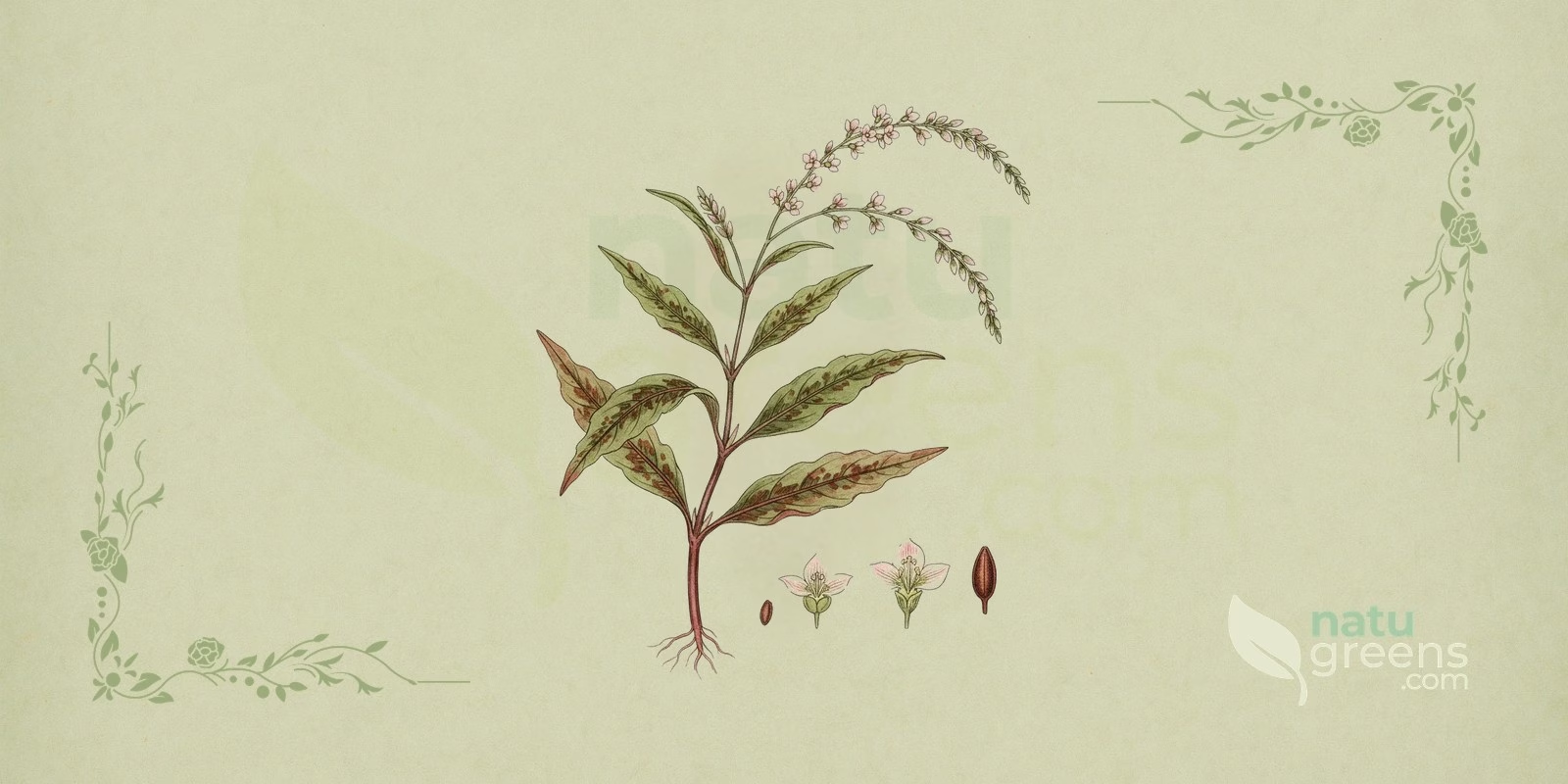
Persicaria hydropiper (L.) Delarbre / Water Pepper, also commonly known as marshpepper knotweed and arse smart, is an annual herbaceous plant in the Polygonaceae family. It was originally described by Carl Linnaeus as Polygonum hydropiper and later transferred to the genus Persicaria by Delarbre. The species is widely distributed across temperate regions of Asia, Europe, North America, Australia and New Zealand. It has been valued for centuries in traditional medicine and in cooking, particularly in Japan and China, thanks to the characteristic pungent flavor of its leaves and the wide range of folk uses it has accumulated over time.
Historically, Persicaria hydropiper has been used in many cultures for complaints ranging from digestive problems to inflammation and infections. Its complex phytochemical makeup, rich in sesquiterpenoids and flavonoids, is associated with anti-inflammatory, antioxidant and antimicrobial activities observed mainly in laboratory and animal studies. Recent research has been looking into several of these traditional uses, which explains the growing interest in the plant within contemporary herbal medicine, even though clinical trials confirming these effects in humans are still lacking.
Popular and International Names of Water Pepper
- English: arse smart, marshpepper knotweed, water pepper.
- Chinese: la liao.
- French: poivre d’eau, renouée poivre d’eau.
- German: Pfefferknöterich, Wasserpfeffer.
- Italian: pepe d’acqua, persicaria bruciante.
- Japanese: tade.
- Portuguese: capiçoba, cataia, curage, persicária-mordaz, persicária-picante, pimenta-d’água, pimenta-do-brejo.
- Spanish: chile de agua, persicaria picante, pimienta de agua.
The name erva-de-bicho, often attributed to this plant, refers in Brazil mainly to related native species, such as Persicaria punctata and Persicaria hydropiperoides, which belong to the same genus and should be treated as related species rather than as synonyms of water pepper. For this reason, traditional Brazilian erva-de-bicho recipes usually refer to these native plants and not to the Eurasian species described in this article.
Botanical Synonyms of Persicaria hydropiper
The most common botanical synonym of Persicaria hydropiper (L.) Delarbre is Polygonum hydropiper L., a name widely used in earlier classifications. It reflects the taxonomic complexity of the Polygonaceae family, in which the boundary between the genera Polygonum and Persicaria has shifted over time. Another recorded synonym is Polygonum acre Lam., although Persicaria hydropiper is now the name accepted by most botanical databases. The name Polygonum hydropiperoides Michx., sometimes listed among the synonyms by mistake, belongs to a distinct species, Persicaria hydropiperoides, which is related to water pepper but not equivalent to it.
Botanical Family: Polygonaceae
The Polygonaceae family, known as the buckwheat family, is a diverse group of flowering plants comprising about 50 genera and more than 1,200 species. Its members often have stems with swollen nodes and membranous stipules that wrap around the base of the petioles. The family covers a wide range of life forms, from annual herbs to shrubs and trees, and has a worldwide distribution, with the greatest concentration in temperate regions.
Many Polygonaceae species are recognized for their medicinal, culinary and ornamental uses. Besides Persicaria hydropiper, the family includes well-known members such as rhubarb (Rheum rhabarbarum) and buckwheat (Fagopyrum esculentum). Compounds such as flavonoids, tannins and anthraquinones are common in the group and help explain both the traditional applications of these plants and their ecological importance.
Parts of Water Pepper Used
- Leaves
- Seeds
- Stems
- Whole plant (aerial parts)
Ethnobotanical and Traditional Uses
Ethnobotanical records gather the folk uses listed below, which reflect the traditions of different peoples and are not equivalent to proven clinical indications.
- Anthelmintic (traditional use against intestinal worms)
- Antifertility (traditionally recorded as an emmenagogue and abortifacient)
- Antiseptic for wounds and skin diseases (traditional use)
- Colds and cough
- Edema and epilepsy (traditional use)
- Headache and fevers
- Hemorrhoids and menstrual problems
- Inflammation of various kinds
- Relief of diarrhea and dyspepsia
- Rheumatism and ulcers
Therapeutic Properties of Water Pepper
The properties below come from traditional records and preliminary studies, largely conducted in the laboratory and in animals, and are no substitute for evaluation by a health professional.
- Analgesic (effect on pain investigated in preliminary studies)
- Anthelmintic (traditional use against intestinal worms)
- Antibacterial (activity against bacteria observed in the laboratory)
- Antidiabetic (preliminary studies are investigating an effect on blood glucose)
- Antifungal (activity against fungi observed in the laboratory)
- Anti-inflammatory (reduced inflammation observed in preliminary studies)
- Antimicrobial (activity against microorganisms observed in the laboratory)
- Antinociceptive (lower pain sensitivity in animal models)
- Antioxidant (free radical scavenging in laboratory assays)
- Antiproliferative (activity observed in laboratory studies, without clinical evidence)
- Antipyretic (traditional use in fevers)
- Antiseptic (traditional use on wounds)
- Antiviral (activity investigated in laboratory studies)
- Hemostatic (traditional use to stop minor bleeding)
- Immunomodulatory (influence on the immune system in preliminary studies)
- Neuroprotective (effect investigated in laboratory and animal studies)
- Sedative (traditionally described as calming)
Detailed Phytochemical Profile of Water Pepper
- Alkaloids
- Carboxylic Acids (caproic acid, cinnamic acid, valeric acid)
- Essential Oils (trans-β-bergamotene, β-caryophyllene, 1,4-cineole, fenchone, α-humulene, α-pinene, β-pinene)
- Flavonoids (apigenin, isorhamnetin, kaempferol, quercetin, rutin)
- Glycosides
- Phenolic Acids
- Phytosterols
- Saponins
- Sesquiterpenoids (polygodial or tadeonal, warburganal)
- Tannins
Among these compounds, drimane-type sesquiterpenoids such as polygodial and warburganal are responsible for the characteristic heat of the leaves and also for their irritant action on the skin and mucous membranes. Flavonoids such as quercetin and rutin, in turn, account for much of the antioxidant activity investigated in the laboratory.
Preparation and Administration Forms of Water Pepper
- Compresses
- Dry extract
- Fluid extract
- Poultice
- Tea (infusion or decoction)
- Tincture
Because it contains pungent compounds that irritate the skin and mucous membranes, water pepper calls for careful preparation in any form. Teas, tinctures and extracts for internal use are traditionally taken in small amounts and for only a few days, while poultices and compresses should first be tested on a small patch of skin. The right dose of each preparation depends on the chosen form, the concentration of the product and the condition of the person using it, so it should be set with a health professional.
Synergy with Other Medicinal Plants
For Digestive Complaints
Herbal tradition pairs water pepper with ginger (Zingiber officinale) and peppermint (Mentha × piperita) in preparations traditionally used for cramps, flatulence and indigestion. In this combination, tradition looks for complementary carminative and antispasmodic effects. Ginger has a history of use as an antiemetic, and peppermint contributes menthol, which is associated with relaxation of the smooth muscle of the gastrointestinal tract, rounding out the action attributed to water pepper.
For Inflammation and Pain
In traditional records of use for joint and muscle pain, water pepper appears alongside turmeric (Curcuma longa) and devil’s claw (Harpagophytum procumbens), plants studied for their anti-inflammatory and analgesic action. According to preliminary studies, the curcumin in turmeric and the iridoids in devil’s claw act on different inflammatory pathways, which is why tradition sees their combination with the sesquiterpenoids of water pepper as complementary, although no clinical trials have evaluated this blend.
For Infections
The combination of water pepper with echinacea (Echinacea purpurea) and garlic (Allium sativum) has a traditional record in mild infectious conditions. Echinacea is studied for its influence on the immune system, and garlic for the antimicrobial activity observed in the laboratory. The idea behind this combination is to add these actions to the antibacterial and antifungal activity described for water pepper in preliminary studies, which in no way replaces medical care for an infection.
Recipes and Usage Protocols of Water Pepper
Infusion for Digestive Complaints
Ingredients: a small portion of dried water pepper leaves, in an amount set with a health professional, and one cup of boiling water.
Preparation: Place the leaves in a cup, add the boiling water, cover and let steep for 5 to 7 minutes before straining. This infusion is traditionally used for mild diarrhea, dyspepsia and flatulence, taken after main meals, always in small amounts and for a short period. Anyone intending to use it should consult a health professional first.
Poultice for Skin Inflammation
Ingredients: fresh water pepper leaves and a little warm water.
Preparation: Crush the fresh leaves into a paste, adding a little warm water if needed to reach the desired consistency. In tradition, the paste is applied to inflamed skin, minor wounds or insect bites, covered with a clean cloth and left on for 20 to 30 minutes, up to 2 or 3 times a day. Its traditional purpose is to soothe inflammation and support healing. Because the plant’s pungent compounds can cause burning and dermatitis, it is advisable to test the paste first on a small patch of skin, avoid mucous membranes and very sensitive skin, and stop at the first sign of irritation.
Tincture for Internal Use
Ingredients: 50 g of dried water pepper leaves and stems and 250 ml of 70% grain alcohol.
Preparation: Place the dried plant in a dark glass jar, cover it with the alcohol, seal tightly and leave to macerate for 14 days in a cool, dark place, shaking daily, before straining and storing the tincture. Tradition uses this tincture diluted in water for gastrointestinal complaints, for rheumatism and as an anthelmintic. The number of drops and the length of use, however, should be determined by a health professional, since internal use of the plant is only acceptable in small doses and for a short period.
Decoction for Hemorrhoids
Ingredients: 2 tablespoons of dried water pepper leaves and stems and 500 ml of water.
Preparation: Bring the water to a boil, add the dried plant and simmer over low heat for 10 minutes, then remove from the heat, cover, let cool and strain. The warm liquid is traditionally used in sitz baths, twice a day, to ease the inflammation and discomfort associated with hemorrhoids, an effect that tradition attributes to the plant’s astringent and hemostatic properties. Because polygodial irritates mucous membranes, the sitz bath should be stopped if burning occurs. Anyone with bleeding hemorrhoids needs a medical evaluation before any home use.
The preparations above follow traditional records and do not replace professional guidance. Before any internal use, check the contraindications and interactions described in this article.
Associated Therapies
Herbal Medicine
In herbal medicine, water pepper is valued for the anti-inflammatory, antimicrobial and hemostatic activities that tradition attributes to it and that preliminary studies have been investigating. The plant appears in traditional formulations aimed at gastrointestinal disorders, such as diarrhea and dyspepsia, and at the care of minor wounds. Standardized extracts of the plant seek to ensure a stable concentration of active compounds such as the sesquiterpenoids, to which many of the effects under study are attributed. Current research is examining Persicaria hydropiper as a candidate for new applications, still without confirmation in large clinical trials.
Homeopathy
In homeopathy, the plant goes by the name Polygonum hydropiper and is used in conditions involving inflammation and pain, especially of the gastrointestinal and urinary tracts, as well as hemorrhoids, varicose veins and circulatory problems accompanied by a burning sensation. The homeopathic remedy is prepared from the fresh plant and given in specific potencies with the aim, according to the principles of this practice, of stimulating the body’s capacity for self-healing. The choice of potency and dosage is individualized according to each patient’s symptoms.
Traditional Chinese Medicine (TCM)
In TCM, water pepper is known as la liao and classified as an herb with a warm nature and a pungent taste. According to the concepts specific to this system, it is used to disperse cold, activate blood circulation, remove stagnation and relieve pain. Its traditional indications include abdominal pain, diarrhea, dysentery, swelling and insect bites, and the plant is also applied topically to wounds and skin inflammation. TCM usually integrates la liao into complex herbal formulas, tailored to each patient’s syndromes, with the aim of bringing the body’s energy back into balance.
Contraindications and Side Effects of Water Pepper
General Contraindications
Polygodial and other sesquiterpenes are skin and mucous membrane irritants and can cause burning and dermatitis with topical use. This calls for caution with poultices and compresses as well as with sitz baths. Water pepper is contraindicated during pregnancy, because of its traditional record as an emmenagogue and abortifacient, and during breastfeeding. Outside these groups, internal use is only acceptable in small doses and for a short period, always under the guidance of a health professional. People with a history of allergy to plants of the Polygonaceae family should avoid the plant, and use in children is not recommended without professional supervision. People with bleeding disorders need to be cautious, because tradition attributes to the plant an action on blood clotting.
Common Side Effects
With moderate use, reported side effects tend to be mild, but they may include gastrointestinal irritation, such as nausea and stomach discomfort, especially at high doses. Skin irritation may also occur when concentrated extracts or fresh leaves come into direct contact with the skin or mucous membranes, an effect linked to the plant’s pungent compounds. In case of an adverse reaction, use should be stopped and a doctor consulted without delay.
Drug Interactions
Because tradition attributes to water pepper an action on blood clotting, using it together with anticoagulants such as warfarin, with aspirin or with other antiplatelet drugs may alter the response to these medications and increase the risk of bleeding. The plant may also influence the metabolism of other drugs through liver enzymes. Preliminary studies are investigating an effect on blood glucose, which calls for caution in people taking glucose-lowering drugs. The traditional record of a calming effect warrants the same care with sedatives. Patients on any continuous medication should seek medical advice before using water pepper, to avoid unwanted interactions.
Distinction from Brazilian Erva-de-Bicho
In Brazil, the name erva-de-bicho refers to related native species, such as Persicaria punctata and Persicaria hydropiperoides, which should be treated as related species and not as synonyms of water pepper. Traditional Brazilian erva-de-bicho recipes usually refer to these native plants. For this reason, the preparation and safety guidance in this article should not be automatically transferred to them, nor theirs to Persicaria hydropiper.
Historical Notes and Interesting Facts
A Peculiar Name and an Intense Flavor
The peculiar name of water pepper comes from the intensely hot taste of its leaves, reminiscent of black pepper. This pungency is mainly due to polygodial, a sesquiterpene that acts on pain receptors. In Japan, the plant is so well known for its flavor that it gave rise to a popular proverb, “Tade kuu mushi mo sukizuki” (蓼食う虫も好き好き), which means “Some insects eat water pepper and like it” and is equivalent to the English sayings “There’s no accounting for taste” or “To each their own”.
Historical Substitute for Black Pepper
In times of scarcity, such as wartime in Europe, water pepper was grown and used as an affordable, pungent substitute for black pepper, which was an expensive spice that was hard to obtain. Its ability to grow in damp environments and its hardiness made the plant a valuable alternative for flavoring food in those lean times.
A Soil Indicator Plant
Persicaria hydropiper is often found on damp soils, riverbanks, ditches and marshy ground. Its presence can serve as a natural indicator of soils with good moisture and, at times, of disturbed areas. This ecological trait highlights the adaptability of the species and the role it plays in aquatic and semi-aquatic ecosystems.
Frequently Asked Questions about Water Pepper
Is Water Pepper Safe to Consume?
In small amounts and as a condiment, water pepper has a long culinary tradition, especially in cultivated varieties, which are less pungent. The wild type, on the other hand, can be very pungent and irritate the mouth and stomach. For medicinal purposes, internal use is only acceptable in small doses and for a short period. The plant is contraindicated during pregnancy and breastfeeding and calls for caution in people with blood clotting problems. For this reason, consult a health professional before using it for medicinal purposes.
What Is the Difference Between Water Pepper and Erva-de-Bicho?
Although the two names sometimes appear as equivalents, in Brazil erva-de-bicho refers mainly to related native species, such as Persicaria punctata and Persicaria hydropiperoides. Water pepper, by contrast, refers to Persicaria hydropiper, a name that alludes to the plant’s pungent taste and its preferred habitat in damp places. Traditional Brazilian erva-de-bicho recipes usually refer to the native species, which should be treated as related species and not as synonyms.
How Is Water Pepper Used in Cooking?
In Japan, the young leaves of water pepper, whose reddish sprouts are known as beni-tade, are used fresh to garnish dishes such as sashimi, tempura and sushi, adding a pungent touch. The plant also goes into sauces such as tade-zu, which accompanies grilled fish. In other cuisines, it can be added to salads, soups or stews, always in moderation because of the intensity of its flavor.
Does Water Pepper Have Side Effects?
Yes, and they are mainly related to the plant’s pungent compounds. Polygodial and other sesquiterpenes irritate the skin and mucous membranes and can cause burning and dermatitis with topical use, as well as nausea and stomach discomfort at high doses. The plant should be avoided by people allergic to the Polygonaceae family, by pregnant women and by breastfeeding women. Anyone taking anticoagulants needs medical advice before any use. If an adverse reaction occurs, use should be stopped.
Can Pregnant Women Use Water Pepper?
No, because water pepper is contraindicated during pregnancy owing to its traditional record of use as an emmenagogue and abortifacient, which also appears in ethnobotanical reports of an antifertility effect. The same restriction applies to breastfeeding, a period for which safety data are lacking. Any questions about use during these periods should be taken to a health professional.
Why Does Water Pepper Taste So Hot?
The pungency of the leaves comes mainly from polygodial, also called tadeonal, a sesquiterpenoid that acts on pain receptors. Together with warburganal, it is responsible for the heat reminiscent of black pepper. These same compounds explain why the plant can irritate the skin and mucous membranes, which is why both its culinary and medicinal use call for moderation.
Notice: this content is for informational purposes and does not replace professional medical advice. Consult a physician or herbal practitioner before using medicinal plants, especially during pregnancy, breastfeeding, or alongside medication.
References and Scientific Studies
- PMC2020 Ayaz M, et al. Persicaria hydropiper (L.) Delarbre: A review on traditional uses, bioactive chemical constituents and pharmacological and toxicological activities. Journal of Ethnopharmacology. 2020.
- PMC2014 Huq AK, et al. Ethnobotanical, Phytochemical, Pharmacological, and Toxicological Aspects of Persicaria hydropiper (L.) Delarbre. Evidence-Based Complementary and Alternative Medicine. 2014.
- PMC2024 Jovanović M, et al. New Perspectives on the Old Uses of Traditional Medicinal and Edible Herbs: Extract and Spent Material of Persicaria hydropiper (L.) Delarbre. Nutrients. 2024.
- PMC2021 Nasir A, et al. Review on Pharmacological and Phytochemical Prospects of Traditional Medicinal Plant: Persicaria hydropiper (Smartweed). Current Topics in Medicinal Chemistry. 2021.