Hordeum vulgare L. / Barley. Hordeum vulgare L., commonly known as barley, is an annual cereal grass belonging to the Poaceae family. Native to the Fertile Crescent, the region stretching from the Levant to Mesopotamia, this species has spread across the globe.
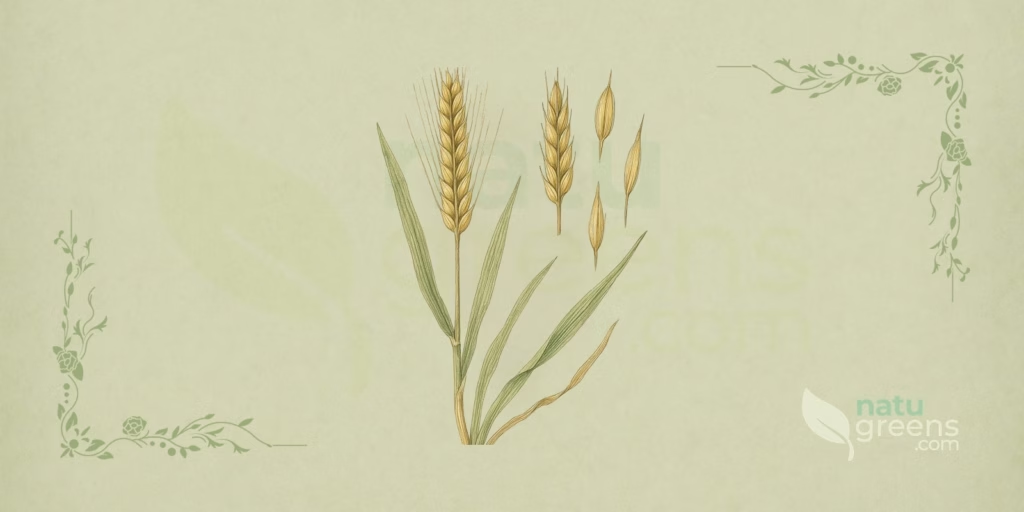
Barley is one of the oldest cereals cultivated by humanity, with evidence of its use going back more than 10,000 years. Historically, it played a crucial role in the diet and culture of several ancient civilizations, valued for its nutritional and therapeutic properties. Today, barley remains important as food, fodder, and in beverage production, and is the object of growing interest in natural medicine thanks to its potential health benefits.
Popular and International Names of Barley
- English: barley, common barley, cereal barley, grain barley.
- Spanish: cebada, hordio.
- Portuguese: cevada, cevada-comum.
- French: orge.
- Italian: orzo.
- German: Gerste.
Botanical Synonyms of Barley
The taxonomy of barley, Hordeum vulgare L., presents several botanical synonyms reflecting the complexity of its classification over time. Although Hordeum vulgare is the currently accepted name, other denominations have been used. These synonyms help trace the botanical history and genetic diversity of the species and are important for conservation and crop improvement studies.
- Hordeum aegiceras Nees ex Royle
- Hordeum polystichon var. hackelii Chiov.
- Hordeum polystichon var. vulgare (L.) Döll
- Hordeum praecox R.E.Regel
- Hordeum pyramidatum R.E.Regel
Botanical Family: Poaceae
Barley belongs to the botanical family Poaceae, also known as Gramineae. This is one of the largest and most important families of flowering plants, encompassing about 12,000 species. The Poaceae are characterized by cylindrical culms, usually hollow between the nodes although corn and sugarcane have solid ones, by long, narrow leaves, and by inflorescences in spikes or panicles. This family includes many of the most important cereals for human and animal nutrition, such as wheat, rice, corn, and oats. Its economic and ecological importance is immense, providing the dietary basis for much of the world’s population and playing a vital role in terrestrial ecosystems.
Parts Used of Barley
The parts of barley most used for medicinal and culinary purposes are its grains and, to a lesser extent, the young leaves. The grains are the main source of nutrients and bioactive compounds, processed in various ways. The young leaves, known as barley grass, are valued for their high content of vitamins and minerals. Both parts offer distinct benefits and are employed in different preparations to optimize the extraction of their active components.
- Grains (seeds)
- Leaves (barley grass / green barley)
Ethnobotanical and Traditional Uses of Barley
Barley has a rich history of ethnobotanical and traditional uses, being one of the first cereals domesticated by humanity. In traditional medicine, it was employed to treat a variety of conditions. Ancient civilizations, such as the Egyptians and Romans, used barley as a staple food and for medicinal purposes. It was common in the treatment of burns, wounds, and inflammation, and was recognized for its diuretic and nutritive properties. Barley was also an essential component in the diet of Roman gladiators, giving them energy and endurance.
- Diuretic
- Malt production for beer and other beverages
- Recovery food during convalescence
- Staple food for people and animals
- Treatment of fatigue
- Treatment of gastrointestinal complaints
- Treatment of inflammation
- Treatment of wounds and burns
Therapeutic Properties of Barley
Barley is recognized for a wide range of medicinal properties, attributed to its rich nutritional and phytochemical composition. The presence of soluble fiber, such as beta-glucans, contributes significantly to its beneficial effects, while the phenolic compounds and other antioxidants in barley offer protection against oxidative stress. Its multifaceted action allows it to support several health conditions, from metabolic regulation to cellular protection.
- Antidiabetic (helps regulate blood sugar levels); traditional use, without established clinical efficacy
- Anti-inflammatory (reduces inflammation)
- Antimicrobial (inhibits the growth of microorganisms); traditional use, without established clinical efficacy
- Antiobesity (supports weight management)
- Antioxidant (fights free radicals)
- Calming (promotes relaxation)
- Digestive (improves gastrointestinal function)
- Diuretic (increases urine production)
- Emollient (its mucilage and beta-glucans form a film that soothes irritated mucosa and skin)
- Hypocholesterolemic (lowers cholesterol levels); traditional use, without established clinical efficacy
- Hypoglycemic (lowers blood sugar levels); traditional use, without established clinical efficacy
Detailed Phytochemical Profile of Barley
The phytochemical profile of barley is complex and diverse, forming the basis of its medicinal properties. Barley grains are an abundant source of bioactive compounds, including a variety of antioxidants, vitamins, and essential minerals. Beta-glucans, a type of soluble fiber, are particularly notable for their effects on cardiovascular and metabolic health, while hordenine, an alkaloid that accumulates in the roots and in sprouted shoots, occurs in negligible amounts in the mature grain.
- Beta-glucans (soluble fiber)
- Flavonoids
- Hordenine (alkaloid, concentrated in roots and sprouts)
- Minerals (calcium, iron, magnesium, phosphorus, potassium, zinc)
- Phenolic compounds (1.2-2.9 mg/g GAE)
- Proteins (mainly hordeins; lysine is the limiting amino acid, as in other cereals)
- Tocopherols
- Tocotrienols
- Vitamins (B1, B2, B3, B6, E)
Preparation and Administration Forms of Barley
Barley can be prepared in many ways, allowing the extraction and use of its active components for different purposes. Preparation methods range from eating the whole grains to making concentrated extracts, each aiming to optimize the bioavailability of its phytochemicals and nutrients.
- Barley water
- Barley tea (infusion)
- Cooked whole grains
- Decoctions
- Extracts
- Flour
- Green barley juice
- Green barley powder
Synergy with Other Medicinal Plants
Barley can be combined with other medicinal plants to enhance its therapeutic effects, creating synergies that optimize results. Combinations should consider the plants’ complementary properties and the specific health goals.
Barley and Ginger for Digestion
Combining barley with ginger (Zingiber officinale) can be particularly effective for improving digestion. Ginger is known for its carminative and antiemetic properties, helping relieve nausea, flatulence, and indigestion. Barley, with its high fiber content, supports intestinal transit and microbiota health. Together, they can form a powerful infusion for gastrointestinal comfort and nutrient absorption, especially after heavy meals or in cases of abdominal discomfort.
Barley and Peppermint for Cramp Relief
Pairing barley with peppermint (Mentha × piperita) is an excellent option for relieving intestinal cramps and spasms. Peppermint has antispasmodic properties that relax the smooth muscle of the gastrointestinal tract, while barley contributes its fiber to regulate bowel function. A combined infusion can reduce the pain and discomfort associated with cramps, irritable bowel syndrome, and other digestive conditions.
Recipes and Usage Protocols of Barley
Barley offers many forms of use, from culinary preparations to specific therapeutic protocols. Its versatility allows it to be easily incorporated into the daily diet, providing nutritional and medicinal benefits.
Barley Water for Hydration and Diuresis
Barley water is a refreshing, diuretic beverage, ideal for promoting hydration and supporting toxin elimination. To prepare it, cook 1/2 cup of pearl barley in 4 cups of water for about 30 minutes, or until the grains are soft. Strain the liquid and add a touch of lemon or honey to taste. Drink throughout the day. This beverage is traditionally used for hydration and urinary comfort, especially in summer, but it does not treat a urinary tract infection: burning on urination, urgency, or fever call for medical assessment and proper treatment. Its natural electrolytes help replenish lost minerals.
Barley Porridge for Digestive Health
Barley porridge is a nutritious, comforting breakfast option that promotes digestive health and satiety. Cook 1/2 cup of barley flakes with 2 cups of water or milk (plant-based or dairy) for 10-15 minutes, stirring occasionally. Add fresh fruit, nuts, or seeds to enrich the flavor and nutritional value. This porridge is rich in fiber, which supports bowel regularity and blood sugar control.
Roasted Barley Tea (Mugicha) for Digestion
Roasted barley tea, known as mugicha in Japan, is a popular beverage with digestive and refreshing properties. To prepare it, lightly toast 2 tablespoons of barley grains in a dry pan until golden and aromatic. Boil the toasted grains in 1 liter of water for 5-10 minutes. Strain and serve hot or cold. Mugicha is naturally caffeine-free and can be enjoyed at any time of day, being especially beneficial after meals to ease digestion and relieve heaviness. Its mild, earthy flavor is much appreciated.
Associated Therapies
Barley, although not traditionally associated with therapies such as homeopathy, can complement integrative health approaches. Its nutritional richness and medicinal properties make it an excellent support for general well-being, and it can be integrated into therapeutic diets, such as those for diabetes management, high cholesterol, or weight control.
Herbal Medicine
In herbal medicine, barley is used for its anti-inflammatory, antioxidant, and diuretic properties. Barley extracts and infusions are employed to relieve inflammatory conditions, support kidney function, and protect cells against oxidative stress. Barley grass, in particular, is valued for its high chlorophyll and nutrient content, used as a general tonic and detoxifier. Modern phytotherapy explores barley’s phytochemicals to develop supplements and formulations targeting the treatment and prevention of various diseases.
Functional Nutrition
In functional nutrition, barley is valued as a whole food rich in fiber, vitamins, and minerals. It is frequently recommended to improve gut health, regulate blood sugar levels, and lower cholesterol. The (1→3)(1→4) beta-glucans in barley are the main focus, with recognized effects on cholesterol, the glycemic response, and the gut microbiota. Barley can be incorporated into meal plans to support weight loss, prevent cardiovascular disease, and optimize metabolic function.
Contraindications and Side Effects of Barley
Although barley is generally considered safe for most people when consumed in food amounts, there are some contraindications and potential side effects to consider, especially in medicinal contexts or for individuals with specific health conditions.
Allergies and Intolerances
Barley contains gluten, making it contraindicated for people with celiac disease or non-celiac gluten sensitivity; anyone with a wheat allergy should discuss barley with an allergist, since cross-reactivity is possible but not the rule. Consumption in these cases can trigger serious adverse reactions, including damage to the small intestine and gastrointestinal symptoms. Barley grass products are only suitable for people with celiac disease when they carry gluten-free certification, because contamination with the grain during harvest and processing is common. In addition, inhaling barley flour can cause asthma in sensitive people. Checking product labels and avoiding cross-contamination is essential to prevent allergic reactions.
Drug Interactions
Barley can interact with certain medications. Because of its hypoglycemic potential, it can potentiate the effect of diabetes medications, leading to an excessive drop in blood sugar levels; diabetic patients should carefully monitor their glucose and adjust medication doses under medical guidance. Green barley powder, made from the leaves, is rich in vitamin K and can reduce the effect of anticoagulants such as warfarin; the grain itself contains a negligible amount of this vitamin. Hordenine, an alkaloid present in barley, can interact with MAO-inhibitor antidepressants, causing side effects such as tachycardia and hypertension.
Pregnancy and Breastfeeding
There is insufficient data on the safety of medicinal use of large amounts of barley during pregnancy and breastfeeding. Although dietary consumption is generally considered safe, the use of concentrated supplements or extracts should be avoided or done with extreme caution and under medical supervision.
Curiosities and Historical Facts of Barley
One of the Oldest Cereals
Barley is recognized as one of the oldest cereals cultivated by humanity, with archaeological evidence dating back more than 10,000 years in the Fertile Crescent. Its domestication marked a turning point in the history of agriculture, enabling the development of permanent settlements and the rise of the first civilizations. Barley’s ability to grow in diverse climate conditions and soils contributed to its rapid spread and adoption across cultures.
Food of Roman Gladiators
In Ancient Rome, barley was an essential food for gladiators, who were known as hordearii, or “barley eaters”. Their diet, rich in this cereal, provided energy and the layer of subcutaneous fat that, according to ancient sources, protected the superficial blood vessels during combat. Barley was valued for its ability to sustain physical vigor and promote recovery. This historical fact highlights barley’s nutritional qualities and its efficacy as an energy source for athletes and individuals with high physical demands.
The Base of Beer and Whisky
Barley is a fundamental ingredient in the production of beer and whisky, being the preferred cereal for the malting process. Malting involves the controlled germination of the grains, activating enzymes that convert starch into fermentable sugars, which are then fermented by yeast to produce alcohol. The quality of the barley used directly influences the flavor, aroma, and texture of the beverages. Its importance in the beverage industry is immense, contributing to the diversity and cultural richness of products enjoyed worldwide.
Frequently Asked Questions about Barley Tea
Does Barley Contain Gluten?
Yes, barley contains gluten. It is therefore not suitable for people with celiac disease or non-celiac gluten sensitivity. Anyone with a wheat allergy should check with an allergist, since cross-reactivity with barley is possible but not the rule. Barley grass products are only suitable for people with celiac disease when they carry gluten-free certification, because contamination with the grain during harvest and processing is common. Gluten-free alternatives are available for those seeking nutritious grains.
What Are Barley’s Health Benefits?
Barley offers several health benefits, including improved digestion thanks to its high fiber content, which also helps control blood sugar and cholesterol levels. It has antioxidant and anti-inflammatory properties, contributing to cellular protection and the reduction of inflammatory processes. Barley is also a good source of essential vitamins and minerals, supporting bone health, immune function, and energy metabolism. Regular consumption can promote satiety and support weight management.
How Do I Prepare Barley Tea?
To prepare barley tea, you can use whole barley grains or roasted barley. For whole grains, rinse a cup of barley and cook it in eight cups of water for 30-45 minutes; strain and drink the liquid. For roasted barley (mugicha), boil two tablespoons in a liter of water for 5-10 minutes, strain, and serve. The tea can be enjoyed hot or cold and is a refreshing, digestive beverage, ideal for the daily routine.
Can Barley Help with Weight Loss?
Yes, barley can be an ally in weight loss. Its high fiber content, especially beta-glucans, promotes a prolonged feeling of satiety, which can lead to lower calorie intake throughout the day. The fiber also helps regulate intestinal transit and stabilize blood sugar levels, avoiding the insulin spikes that can favor fat accumulation. Integrating barley into a balanced diet and active lifestyle can contribute significantly to weight control.
Who Should Not Consume Barley?
People with celiac disease or non-celiac gluten sensitivity should avoid barley, as it contains gluten, and anyone with a wheat allergy should speak to an allergist first. In addition, individuals allergic to barley flour can develop asthma. Patients on diabetes medication should be cautious, as barley can potentiate the hypoglycemic effect. Those taking anticoagulants should consult a doctor before using green barley powder, which is rich in vitamin K. Pregnant and breastfeeding women should use it in moderation and under medical guidance for medicinal purposes.
Notice: this content is for informational purposes and does not replace professional medical advice. Consult a physician or herbal practitioner before using medicinal plants, especially during pregnancy, breastfeeding, or alongside medication.
References and Scientific Studies
- PEER2023 Singh, K., et al. (2023). Pharmacological and therapeutic potential of Hordeum vulgare. Pharmacological Research – Modern Chinese Medicine, 100086.
- PMC2024 Kaur, A. (2024). Unraveling the Hidden Potential of Barley (Hordeum vulgare). Plants, 13(17), 2421.