Arthrospira platensis / Spirulina
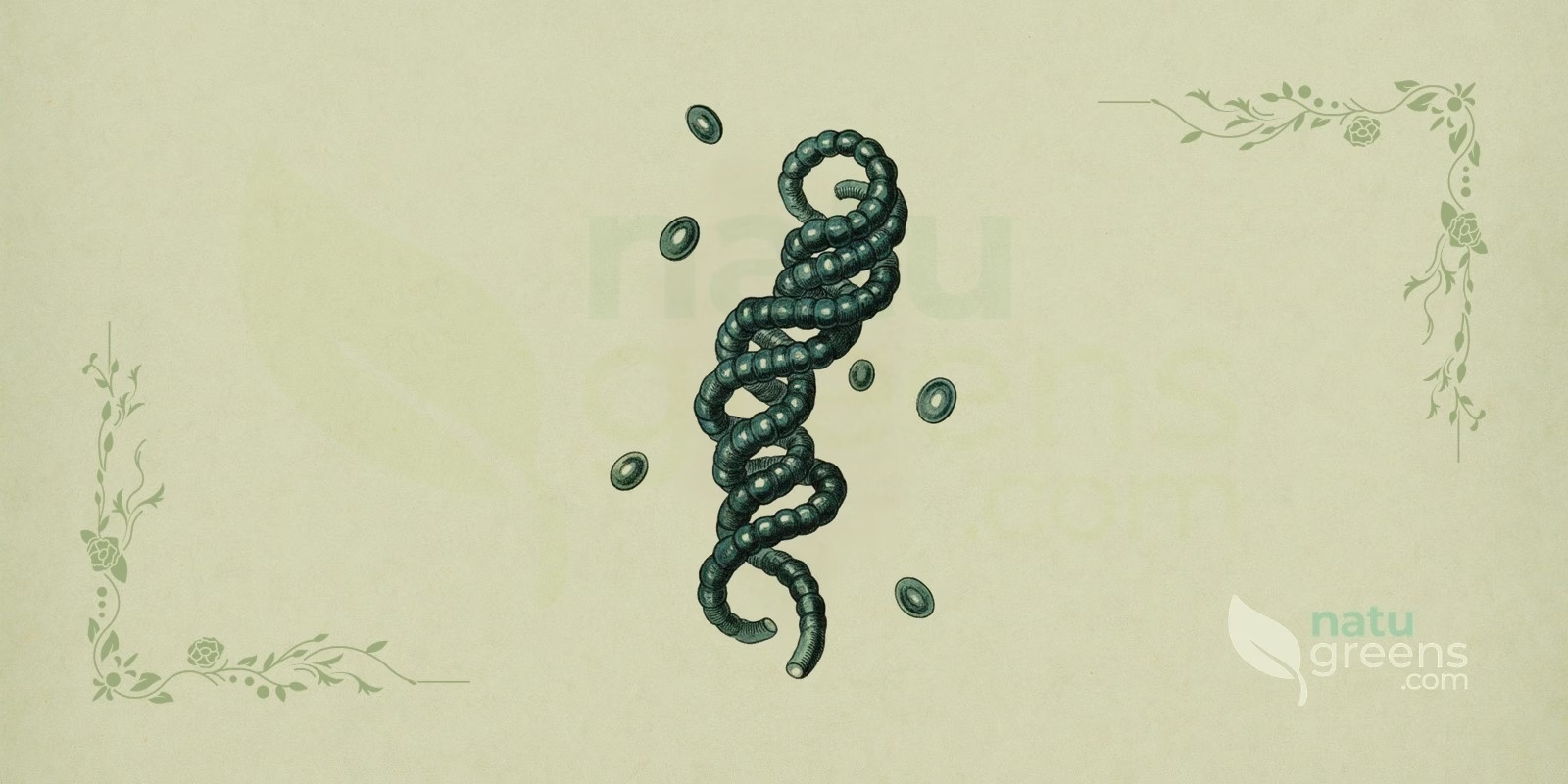
Arthrospira platensis, popularly known as Spirulina, is a filamentous cyanobacterium that has been prized as a superfood for millennia. This phototrophic microalga, belonging to the phylum Cyanobacteriota, stands out for its exceptional nutritional profile and its wide-ranging therapeutic properties. Spirulina is a resilient organism, adapted to alkaline aquatic environments, and its history stretches back more than 3.5 billion years, making it one of the oldest life forms on Earth. Today it is widely used as a dietary supplement and functional ingredient across several industries, contributing to health and well-being worldwide.
Popular and International Names of Spirulina
- English: spirulina.
- Spanish: espirulina.
- Portuguese: spirulina.
- French: spiruline.
- Italian: spirulina.
- German: Spirulina.
Botanical Synonyms of Arthrospira platensis
The designation Arthrospira platensis Gomont, 1892, is the botanical synonym most frequently found in the scientific literature and in commercial contexts. Although Limnospira platensis is the currently accepted nomenclature, the name Arthrospira platensis continues to be widely used in scientific publications and on product labels. Another historical synonym is Spirulina platensis, which reflects the spiral shape observed under the microscope and the origin of its common name.
Botanical Family: Cyanophyceae
Spirulina belongs to the family Cyanophyceae, part of the phylum Cyanobacteriota (formerly known as Cyanobacteria), a group of photosynthetic microorganisms characterized by their ability to carry out oxygenic photosynthesis, much like plants. Cyanobacteria are considered the first organisms to produce oxygen in Earth’s atmosphere, playing a crucial role in the evolution of life, and the family Cyanophyceae brings together a vast diversity of species, many of which are important in aquatic ecology and biotechnology, as is the case with Spirulina.
Parts of Spirulina Used
- Dried biomass (powder, flakes)
- Aqueous extracts
- Hydroalcoholic extracts
Ethnobotanical and Traditional Uses
The history of Spirulina as a food source stretches back to ancient civilizations: the Aztecs, in sixteenth-century Mexico, harvested it from Lake Texcoco and made it a vital part of their diet, recognizing its nutritional value, while the Kanembu tribe, in the Lake Chad region of Africa, still maintains an age-old tradition of consuming dried Spirulina pressed into cakes. These examples demonstrate the early recognition of its nutritional value by different cultures, which prized it over the centuries as a food rich in protein and vitamins, used in both human and animal feed as well as in the production of additives for the agricultural, food, and pharmaceutical industries. Its journey, from ancient civilizations to modern space exploration, underscores its unique value and its capacity to adapt to human nutritional needs throughout history.
Therapeutic Properties of Spirulina
Spirulina is widely recognized for its diverse therapeutic properties and health benefits, which remain the subject of ongoing scientific research. Among its most notable properties are its antioxidant (fights free radicals and reduces oxidative stress), anti-inflammatory (reduces inflammatory processes in the body), antiviral (inhibits viral replication), and antiproliferative (activity observed in laboratory studies, without clinical confirmation) actions. Studies indicate that Spirulina may also act as an antidiabetic (helps control blood sugar levels), anti-obesity (contributes to body weight management), hepatoprotective (protects the liver from damage), and antimicrobial (fights pathogenic microorganisms) agent. In addition, it has shown potential to improve cardiovascular health, strengthen the immune system, promote eye and gut health, and support brain health.
Detailed Phytochemical Profile of Spirulina
Spirulina has a remarkably rich and diverse phytochemical profile that underlies its broad therapeutic properties. Among the main bioactive compounds are phenolic compounds, which, together with carotenoids (including beta-carotene), give Spirulina a potent antioxidant effect, while the presence of essential and unsaturated fatty acids, especially polyunsaturated ones, is crucial for cellular and metabolic health. Phycocyanin, a blue-green pigment, is one of the most studied and valued compounds, recognized for its excellent antioxidant and therapeutic properties, with negligible toxicity. Beyond these, Spirulina contains complex polysaccharides, chlorophyll derivatives, and phycobilins, which also contribute to its antioxidant activity, and secondary phytochemical analyses have further revealed the presence of alkaloids, terpenoids, flavonoids, tannins, saponins, and cardiac glycosides. Its composition includes a high concentration of mannose and vitamin A (retinol), and its richness in high-quality protein, with content that can reach 76.65%, includes essential amino acids such as leucine, lysine, methionine, phenylalanine, threonine, and tryptophan, making it a complete nutritional source.
Preparation and Administration Forms of Spirulina
Spirulina is widely available and consumed in several forms, making it easy to work into a daily diet, the most common being powder, capsules, and tablets. Spirulina powder is versatile and can be easily added to a variety of foods and beverages, often mixed into fruit juices, smoothies, teas, coffees, and even dishes such as sauces and salads, though excessive heating is best avoided to preserve its nutrients. Some people prefer to simply mix it with water, while those looking for a more practical option tend to choose capsules and tablets, which offer controlled, convenient dosing.
Synergy with Other Medicinal Plants
Spirulina shows promising synergies when combined with other medicinal plants and supplements, enhancing its beneficial effects on human health. One of the most studied combinations is with Chlorella vulgaris, another nutrient-rich microalga: joint supplementation with Spirulina and Chlorella has been associated, in traditional use and preliminary studies, with improved wound healing, suggesting a complementary action between their nutritional and bioactive properties, since both microalgae have profiles that complement each other and offer a broader spectrum of benefits. Combining Spirulina with vitamin C is another relevant synergy, as vitamin C can optimize the absorption of iron present in Spirulina, in addition to contributing to overall vitality through its antioxidant and immunostimulant action. Additionally, studies have explored the combination of Spirulina maxima with Curcuma longa (turmeric): a low-dose mixture of Spirulina and turmeric has been investigated for its potential in body composition and metabolic health, especially in individuals who are overweight or obese, without replacing professional guidance.
Recipes and Usage Protocols of Spirulina
Spirulina Energy Smoothie
Ingredients: 1 teaspoon of Spirulina powder, 200 ml of coconut water, 1 banana, 1/2 cup of fresh spinach, 1 tablespoon of chia seeds.
Preparation: Place all the ingredients in a blender and blend until smooth. Drink immediately for a boost of energy and nutrients; this smoothie is traditionally suggested for breakfast or as a post-workout snack.
Green Pesto Sauce with Spirulina
Ingredients: 1 teaspoon of Spirulina powder, 1 cup of fresh basil leaves, 1/4 cup of pine nuts, 1/4 cup of grated parmesan cheese, 1 garlic clove, 60 ml of extra virgin olive oil, salt and pepper to taste.
Preparation: In a food processor, combine the basil, pine nuts, parmesan, garlic, and Spirulina, pulsing until finely chopped. With the processor running, slowly add the olive oil until smooth, season with salt and pepper, and serve with pasta, toast, or as a side dish.
Spirulina and Lemon Detox Juice
Ingredients: 1 teaspoon of Spirulina powder, juice of 1 lemon, 250 ml of water, 1 teaspoon of honey (optional).
Preparation: Mix the Spirulina powder with the lemon juice and water, adding honey to taste for a sweeter touch, and stir well until fully dissolved. It is traditionally drunk in the morning on an empty stomach, as an energizing beverage.
The preparations above follow traditional records and do not replace professional guidance. Before any internal use, check the contraindications and interactions described in this article.
Associated Therapies
Integrative and Complementary Medicine
Spirulina is widely used as a nutritional supplement in various approaches to integrative and complementary medicine. Its richness in nutrients and bioactive compounds allows it to act as a valuable adjunct in several therapies, supporting the body’s physiological functions and optimizing the response to other treatments. One of Spirulina’s main roles in associated therapies is immune support: studies indicate that it has the capacity to modulate immune function, stimulating the production of white blood cells and antibodies that act against viruses and bacteria, an immunomodulatory property that makes it a useful complement in health protocols aimed at strengthening the body’s defenses, especially during periods of greater vulnerability or in conditions that compromise the immune system.
Neuroprotection
Spirulina has shown neuroprotective effects in investigations that highlight its capacity to control microglial activation and neuroinflammatory processes, since its antioxidant and anti-inflammatory compounds contribute to brain health and can be incorporated into strategies to support cognitive function and protect against neurological decline. In laboratory experiments, a specific Spirulina extract, calcium spirulan, proved capable of inhibiting the replication of several viruses, including HIV, herpes simplex virus, and cytomegalovirus, suggesting an antiviral potential that still requires confirmation in clinical studies with humans.
Contraindications and Side Effects of Spirulina
Spirulina, although generally considered safe for most people when consumed at recommended doses, has some contraindications and potential side effects that should be taken into account, and it is essential that individuals be aware of this information before starting supplementation.
General Contraindications
Spirulina is contraindicated for people with a known allergy to blue-green algae or any of its components. People with autoimmune diseases, such as lupus, rheumatoid arthritis, or multiple sclerosis, should avoid consuming Spirulina, since it may stimulate the immune system and potentially worsen the symptoms of these conditions, while people with bleeding disorders or who take anticoagulants (such as warfarin) should exercise caution, since Spirulina may have anticoagulant effects and increase the risk of bleeding. In addition, patients with phenylketonuria (PKU) should avoid Spirulina due to its high phenylalanine content, and women who are pregnant or breastfeeding should consult a healthcare professional before using Spirulina, since its safety in these groups has not been fully established.
Common Side Effects
The side effects of Spirulina are generally mild and transient, and may include gastrointestinal disturbances such as diarrhea, nausea, abdominal pain, and bloating, in addition to fatigue, headaches, and skin rashes. These symptoms tend to diminish with continued use or dose adjustment.
Potential Risks and Contamination
A significant risk associated with Spirulina is contamination: when grown in uncontrolled environments, it can contain heavy metals (such as lead, mercury, and cadmium) and toxins produced by other cyanobacteria, such as microcystins and hepatotoxins, ingestion of which can cause acute poisoning and liver damage. For this reason, it is essential to choose Spirulina products from reliable, certified sources to minimize these risks.
Drug Interactions
Spirulina may interact with certain medications: due to its potential anticoagulant effects, it may increase the risk of bleeding when taken with anticoagulant medications, and it may also interfere with the action of immunosuppressant medications, reducing their effectiveness. Spirulina may also inhibit cytochrome P450 enzymes (specifically CYP1A2 and CYP2E1), which can lead to the accumulation of drugs metabolized by these enzymes, altering their levels in the body and potentially causing adverse effects. It is always advisable to consult a doctor or pharmacist before combining Spirulina with any medication.
Historical Notes and Interesting Facts
Spirulina has a fascinating history spanning millennia, establishing it as one of the oldest and most resilient superfoods on the planet, with an existence that stretches back more than 3.5 billion years, making it one of the first life forms on Earth. This microalga thrives in freshwater lakes and lagoons with moderate temperatures and high alkalinity, and is found in several regions of the world, such as Lake Chad (Chad), Lake Texcoco (Mexico), and Lake Turkana (Kenya). Historically, the use of Spirulina as food is well documented among ancient civilizations: the Aztecs, in sixteenth-century Mexico, were pioneers in its consumption, harvesting it from Lake Texcoco and making it a vital part of their diet, while the Kanembu tribe, in the Lake Chad region of Africa, maintains an age-old tradition of consuming dried Spirulina pressed into cakes. Its richness in protein, vitamins, and minerals led it to be considered a food of the future and even a potential space food, thanks to its high efficiency in producing nutrients in small spaces.
Frequently Asked Questions about Spirulina
Is Spirulina Safe for Daily Consumption?
Yes, Spirulina is generally considered safe for daily consumption by most people, provided it comes from a reliable source and is consumed at recommended doses. It is classified as “Generally Recognized as Safe” (GRAS) by the FDA. However, individuals with certain health conditions or who take specific medications should consult a healthcare professional before starting supplementation.
What Are the Main Benefits of Spirulina?
The main benefits of Spirulina include its potent antioxidant and anti-inflammatory action, support for the immune system, a contribution to cardiovascular health, and antidiabetic and hepatoprotective potential observed in studies. It is also an excellent source of protein, vitamins, and minerals, contributing to overall vitality and well-being.
Can Spirulina Help with Weight Loss?
Spirulina may support weight loss due to its high protein and nutrient content, which can promote satiety and reduce appetite, along with metabolic properties that may support a healthy metabolism. However, it should be used as part of a balanced diet and an active lifestyle, not as a stand-alone solution for weight loss.
Are There Any Drug Interactions with Spirulina?
Yes, Spirulina may interact with certain medications, such as anticoagulants and immunosuppressants, increasing the risk of adverse effects, and it may also affect the metabolism of drugs processed by cytochrome P450 enzymes. It is essential to consult a doctor or pharmacist before combining Spirulina with any medication.
How Should I Store Spirulina?
Spirulina, whether in powder, capsule, or tablet form, should be stored in a cool, dry, dark place, away from direct sunlight and moisture, with the container kept tightly closed to preserve its freshness and potency. Proper storage helps extend its shelf life and maintain the integrity of its nutrients.
Can Spirulina Be Used by Pregnant or Breastfeeding Women?
Women who are pregnant or breastfeeding should consult a healthcare professional before using Spirulina, since the supplement’s safety in these groups has not been fully established. The same caution recommended for other concentrated supplements during pregnancy and breastfeeding applies here.
Notice: this content is for informational purposes and does not replace professional medical advice. Consult a physician or herbal practitioner before using medicinal plants, especially during pregnancy, breastfeeding, or alongside medication.
References and Scientific Studies
- DOI2010 Karkos, P. D., et al. (2010). Spirulina in Clinical Practice: Evidence-Based Human Applications. Recuperado de PubMed Central ↗
- PMC2015 Gutiérrez-Salmeán G, et al. NUTRITIONAL AND TOXICOLOGICAL ASPECTS OF SPIRULINA (ARTHROSPIRA). Nutricion hospitalaria. 2015.
- PMC2023 Maddiboyina B, et al. Food and drug industry applications of microalgae Spirulina platensis: A review. Journal of basic microbiology. 2023.