Persea americana Mill. / Avocado. The avocado tree, scientifically known as Persea americana Mill., is an evergreen tree of the Lauraceae family. Native to the Americas, with archaeological evidence of human use going back thousands of years across Central and South America, this species has spread worldwide thanks to its nutritious fruit and well-known therapeutic properties. The avocado has been used for millennia in traditional medicine to treat a variety of ailments, valued for its creamy, fat-rich pulp as well as its leaves and seeds.
In the herbal tradition, the avocado holds a prominent place as both a functional food and a medicinal plant. Its recorded applications range from improving digestion to support for mood and bone health, always at the level of traditional use and preliminary studies, with no established preventive efficacy. The plant is recognized for its rich phytochemical composition, especially polyphenols, flavonoids, carotenoids, tocopherols, and fatty acids, which account for its anti-inflammatory, antioxidant, and cardioprotective properties. Modern scientific research has validated many traditional uses of the avocado, consolidating its position as one of the most studied and most widely used medicinal plants in the world.
Popular and International Names of the Avocado
- English: avocado, alligator pear, avocado pear.
- Spanish: aguacate, palta.
- Portuguese: abacate, abacateiro, pera-abacate.
- French: avocat, avocatier.
- Italian: avocado.
- German: Avocado, Avocadobaum.
Botanical Synonyms of the Avocado
Persea americana Mill. is the accepted scientific name for the avocado tree. Throughout botanical history, however, the plant has been described under several other denominations. These synonyms reflect the complexity of taxonomic classification and the evolution of knowledge about the species. Understanding the botanical synonyms is crucial for research and for accurate identification of the plant in different scientific and historical contexts.
- Laurus persea L.
- Persea americana var. angustifolia Miranda
- Persea gratissima Gaertn.
- Persea nubigena Williams var. guatemalensis (for the Guatemalan race)
Botanical Family: Lauraceae
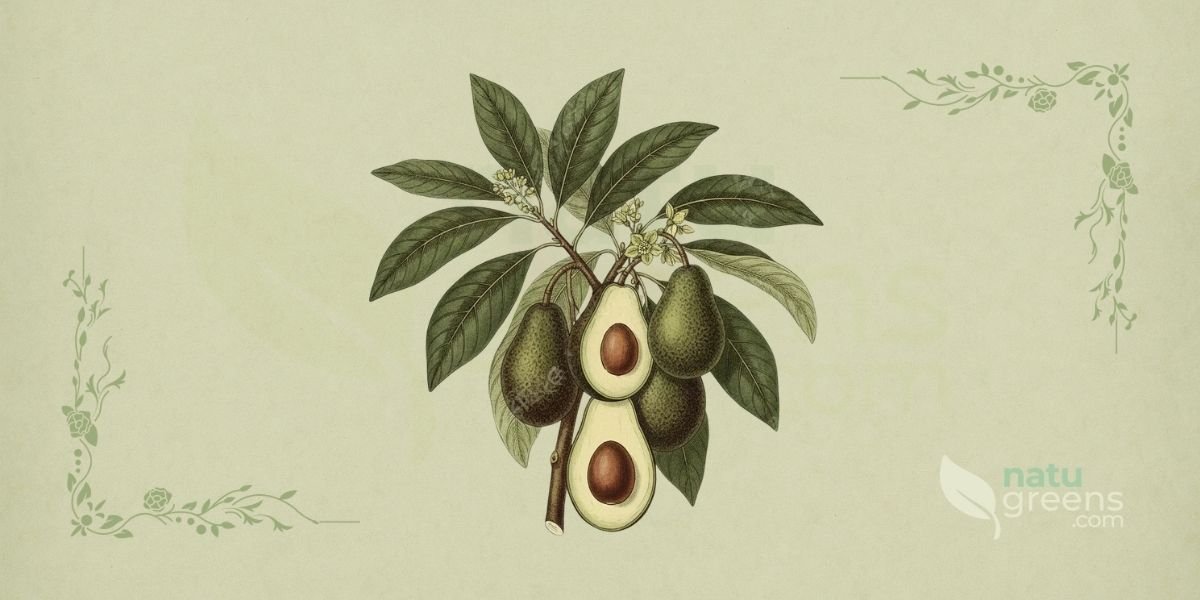
Botanical illustration of Persea americana Mill. (avocado, alligator pear, avocado pear), an evergreen tree of the Lauraceae family described by Philip Miller in 1768, native to Central and South America, showing a robust tree with dense dark green foliage, oval or pear-shaped fruits with green skin and yellowish pulp, and small greenish flowers, in 19th-century botanical encyclopedia style.
The Lauraceae family is a family of flowering plants comprising about 2,500 to 4,000 species in roughly 50 genera, found mainly in tropical and subtropical regions. The Lauraceae are characterized by the presence of essential oils in various parts of the plant, which give them aromatic and medicinal properties. Many members of this family are economically important for their timber, fruits, and spices: besides the avocado, the family includes bay laurel (Laurus nobilis) and cinnamon (Cinnamomum verum). The family is characterized by small, usually inconspicuous flowers and berry- or drupe-type fruits.
The avocado shares morphological features typical of the family, including leathery leaves and the presence of bioactive compounds. The chemical diversity of this family has been the subject of intense pharmacological research, contributing to the development of phytomedicines and dietary supplements. The Lauraceae family is a remarkable example of the botanical wealth of tropical forests and their importance for biodiversity and for traditional and modern medicine.
Parts of the Avocado Used
- Fruit peel
- Fruit pulp
- Leaves
- Seeds
Ethnobotanical and Traditional Uses of the Avocado
- Aphrodisiac use (fruit pulp)
- Bone loss prevention (ethnobotanical record; no preventive effect on bone mass has been established, and osteoporosis calls for medical diagnosis and treatment)
- Bronchitis treatment
- Cough relief
- Diarrhea treatment
- Digestive improvement
- External application of the pulp to intact skin and to the scalp (ethnobotanical record; wounds with purulent discharge point to infection and require medical assessment, never an application of fruit pulp)
- Hypertension treatment (ethnobotanical record; hypertension is usually symptomless and calls for diagnosis, prescribed medication, and regular medical follow-up)
- Malaria treatment (African and Asian ethnobotanical record; malaria is potentially fatal and requires laboratory diagnosis and prescribed antimalarials, with no substitute in any plant)
- Obesity treatment (ethnobotanical record; weight loss depends on nutritional and medical guidance, and no slimming effect of the plant has been established)
- Reduction of depression risk (ethnobotanical record; depression calls for professional assessment and treatment, and no antidepressant effect of the plant has been established)
- Relief of heavy menstrual bleeding
- Stomachache relief
- Ulcer treatment (ethnobotanical record; peptic ulcer calls for medical diagnosis and treatment, including testing for Helicobacter pylori)
- Use for anemia
- Use for urinary incontinence
- Use for urinary tract infections (ethnobotanical record; a urinary tract infection calls for medical assessment and usually for prescribed antibiotics)
Therapeutic Properties of the Avocado
The avocado (Persea americana) is recognized for a wide range of medicinal properties, attributed to its rich phytochemical composition. Scientific studies have validated many of the plant’s traditional uses, highlighting its therapeutic potential. The properties of the avocado span many areas of health, from cardiovascular protection to antimicrobial activity, making it an object of ongoing interest in pharmacological research.
- Anti-inflammatory (reduces inflammation)
- Antimicrobial (fights pathogenic microorganisms); traditional use, without established clinical efficacy
- Antioxidant (fights free radicals and oxidative stress)
- Antitumor (activity against tumor cells observed only in laboratory assays, with no efficacy established in people); traditional use, without established clinical efficacy
- Antiviral (extracts inhibited replication of some viruses, including dengue, only in laboratory assays); traditional use, without established clinical efficacy
- Cardioprotective (protects heart health); traditional use, without established clinical efficacy
- Hepatoprotective (protects the liver from damage); traditional use, without established clinical efficacy
- Hypocholesterolemic (lowers cholesterol); traditional use, without established clinical efficacy
- Hypoglycemic (lowers blood glucose levels); traditional use, without established clinical efficacy
- Hypotensive (helps lower blood pressure); traditional use, without established clinical efficacy
- Neuroprotective (protects the nervous system); traditional use, without established clinical efficacy
- Vasorelaxant (promotes blood vessel relaxation)
Detailed Phytochemical Profile of the Avocado
The avocado (Persea americana) is an abundant source of phytochemical compounds, which are responsible for its extensive medicinal properties. The complexity of its chemical profile varies among the different parts of the plant (pulp, seed, peel, and leaves) and is influenced by factors such as cultivar and ripening stage. These compounds include a wide range of polyphenols, fatty acids, and phytosterols, which act synergistically to deliver the health benefits associated with the avocado.
- Acetogenins (bioactive compounds found in seeds)
- Alkaloids (present in seeds)
- Anthocyanins (found in the peel)
- Carotenoids (important antioxidants)
- Catechins (including epicatechin, present in seeds)
- Fatty acids (oleic acid, monounsaturated and polyunsaturated)
- Fiber
- Flavonoids (quercetin, quercetin-3-glucoside, quercetin-3-rhamnoside) and other non-flavonoid phenolic compounds (vanillin, p-coumaroyl-D-glucose)
- Folate
- Magnesium
- Phenolic acids (chlorogenic, ferulic, gallic, sinapinic, p-coumaric, gentisic, protocatechuic, 4-hydroxybenzoic, benzoic), alongside non-phenolic organic acids and plant growth regulators (quinic, succinic, abscisic) and vitamin B5 (pantothenic acid)
- Phytosterols (β-sitosterol, stigmasterol, campesterol, avenasterol) and related triterpenes (cycloartenol), alongside stanols
- Polyphenols
- Potassium
- Proanthocyanidins (present in seeds)
- Saponins (present in seeds)
- Tannins (present in seeds and peel)
- Tocopherols (α, β, γ, and δ-tocopherols)
- Triterpenes (present in seeds)
- Vitamins (A, B6, C, K)
Preparation and Administration Forms of the Avocado
The avocado tree offers several forms of preparation for harnessing its medicinal properties, using different parts of the plant. The choice of preparation depends on the therapeutic goal and the plant part being used. Preparations range from simple infusions to more concentrated extracts, allowing versatile applications in traditional and complementary medicine.
- Fruit pulp (eaten fresh, in culinary preparations, or applied topically)
- Leaf tea (infusion of the leaves for various medicinal purposes)
- Seed extract (research use only; contains lectins that agglutinate red blood cells in laboratory assays, with no established therapeutic indication)
- Seed oil (contains steroids and is used in pharmaceutical products)
- Tinctures (alcoholic extracts of leaves or other plant parts)
Synergy with Other Medicinal Plants
Avocado and Green Tea for Cardiovascular Health
Combining avocado with green tea (Camellia sinensis) can offer synergistic benefits for cardiovascular health. While the avocado provides healthy fats and phytosterols that help regulate cholesterol, green tea is rich in catechins, potent antioxidants that improve endothelial function and reduce oxidative stress. Together, they can promote better circulation and protection against heart disease.
Avocado and Ginger for Anti-Inflammatory Action
To enhance anti-inflammatory action, the avocado can be paired with ginger (Zingiber officinale). The avocado’s bioactive compounds, such as polyphenols, combine with ginger’s gingerols for a more robust anti-inflammatory effect. This synergy is particularly useful for relieving muscle and joint pain and chronic inflammatory conditions.
Avocado and Turmeric for Antioxidant Support
Turmeric (Curcuma longa), known for curcumin, a powerful antioxidant and anti-inflammatory compound, can complement the avocado in cellular protection. The combination increases overall antioxidant capacity, helping neutralize free radicals and protect the body’s cells from oxidative damage. This duo is excellent for maintaining general health and preventing degenerative diseases.
Blood Sugar Control
For blood sugar control, the avocado can be combined with plants such as cinnamon (Cinnamomum verum) and fenugreek (Trigonella foenum-graecum). The avocado’s fiber and healthy fats help moderate glucose absorption, while cinnamon and fenugreek are known to improve insulin sensitivity. This combination can benefit individuals with insulin resistance or type 2 diabetes, helping stabilize post-meal glucose levels.
Cardiovascular Health
Combining the avocado with antioxidant-rich plants and healthy fats, such as olive oil and garlic, can boost its cardioprotective benefits. The avocado, with its high content of monounsaturated fats and potassium, works synergistically with the polyphenols of olive oil and the sulfur compounds of garlic (Allium sativum) to promote heart health, lower LDL cholesterol, and regulate blood pressure.
Digestive Health
Pairing the avocado with digestive plants such as ginger (Zingiber officinale) and peppermint (Mentha × piperita) can optimize gastrointestinal health. The avocado’s fiber promotes intestinal regularity, while ginger and peppermint relieve nausea, bloating, and indigestion. This synergy is effective for mild digestive complaints, promoting a healthy gut environment and efficient nutrient absorption.
Recipes and Usage Protocols of the Avocado
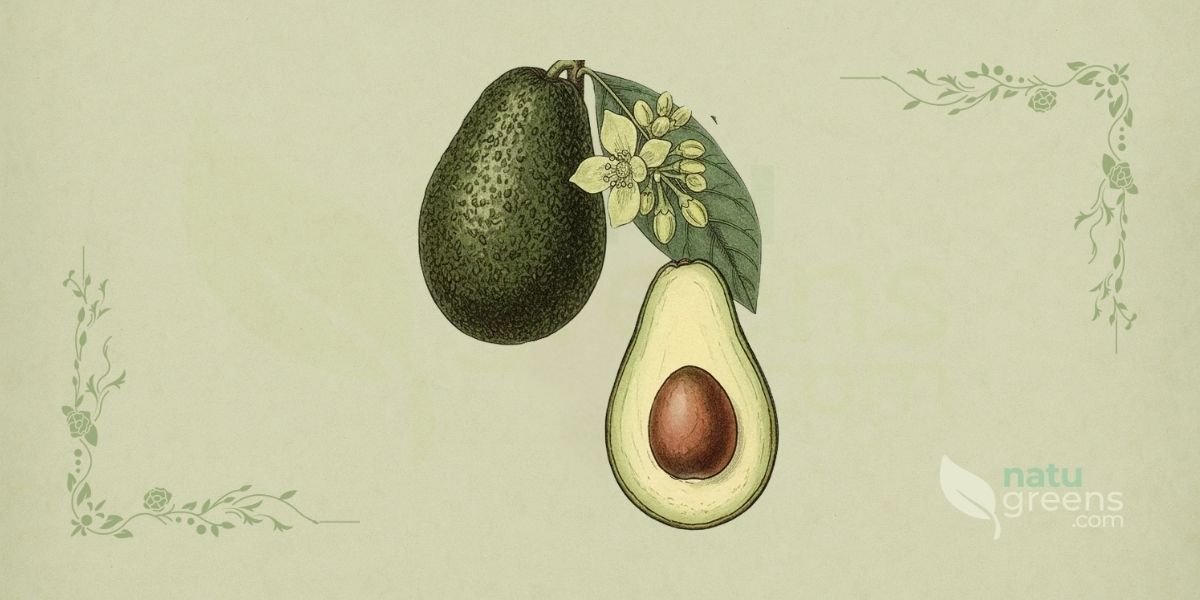
Botanical illustration in 19th-century encyclopedia style showing the fruit of Persea americana (avocado), cut open with the inner seed exposed at the center.
The avocado can be incorporated into the diet and wellness routines in many ways, using the fruit pulp as well as other parts of the plant. Recipes and usage protocols vary with the purpose, whether nutrition, topical treatment, or medicinal teas. Following the guidelines is important to ensure the efficacy and safety of the preparations.
Avocado Leaf Tea for Hypertension
Ingredients: 5-7 fresh avocado leaves, 500 ml of water.
Preparation: Wash the leaves well and place them in a pan with the water. Bring to the boil and simmer for about 10 minutes. Remove from the heat, strain, and let cool slightly. Traditional use records up to two cups a day, over short periods only. The leaves concentrate persin, and hypertension requires diagnosis and prescribed medication: do not stop or replace antihypertensive treatment, and use only with professional guidance.
Avocado Face Mask for Hydration
Ingredients: 1/2 ripe avocado, 1 tablespoon of honey, 1 teaspoon of olive oil.
Preparation: Mash the avocado pulp into a smooth paste. Add the honey and olive oil, mixing well. Apply the mask to clean, dry skin, avoiding the eye area. Leave on for 15-20 minutes and rinse with warm water. This mask deeply nourishes the skin, providing hydration and softness.
Avocado Salad for Cardiovascular Health
Ingredients: 1 ripe avocado cut into cubes, 1 medium tomato chopped, 1 cucumber sliced, 1/2 red onion thinly sliced, leafy greens (lettuce, arugula), chopped fresh cilantro to taste, olive oil, juice of 1/2 lemon, salt and black pepper to taste.
Preparation: In a large bowl, combine the greens, tomato, cucumber, and red onion. Add the avocado cubes and the cilantro. Drizzle with olive oil and lemon juice, season with salt and pepper, and toss gently. Serve as a side or as a light main dish. The salad brings together monounsaturated fats, fiber, and antioxidants, which makes it useful both for heart health and cholesterol control and for a quick, nourishing meal.
Avocado Smoothie for Energy and Digestion
Ingredients: 1/2 ripe avocado, 1 banana, 200 ml of milk (plant-based or dairy), 1 tablespoon of chia seeds, honey or sweetener to taste.
Preparation: Place all the ingredients in a blender and blend until creamy and smooth. Add ice if you like, and serve immediately. Rich in fiber and healthy fats, the smoothie supports digestion, keeps you full for longer, and works well at breakfast or as a snack.
Associated Therapies
Aromatherapy
Although the avocado is not traditionally used in aromatherapy for an essential oil, avocado pulp oil is an excellent carrier oil. Rich in vitamin E, carotenoids, and monounsaturated fatty acids, it is frequently used to dilute more potent essential oils in therapeutic massage. Avocado oil nourishes the skin, improves its elasticity, and aids the absorption of essential oils, enhancing their therapeutic effects in skin treatments and muscle relaxation.
Herbal Medicine
Herbal medicine uses the avocado in several forms, drawing above all on what research has described for the fruit pulp and its oil. Extracts of leaves, seeds, and peel appear in traditional records linked to hypertension, inflammation, and gastrointestinal complaints, yet those indications have no established clinical efficacy and replace no prescribed treatment. The approach values the integral use of the plant and the synergy of its compounds, always under professional guidance.
Clinical Phytotherapy
In modern clinical phytotherapy, the avocado is studied as avocado and soybean unsaponifiables (ASU), obtained from the unsaponifiable fraction of the fruit oil combined with soybean oil in a fixed ratio. These unsaponifiables have been assessed as symptomatic adjuncts in osteoarthritis, on account of the anti-inflammatory and chondroprotective properties attributed to them. They are not pulp or seed extracts, and the soybean fraction is essential to the formulation. Clinical phytotherapy employs the avocado as an adjuvant in weight-management diets, cholesterol regulation, and cardiovascular support. Prescription is individualized, considering each patient’s specific needs and possible interactions with other medications.
Homeopathy
The avocado is not part of the reference homeopathic materia medica, and the classical sources describe no established preparation of Persea americana. Whatever uses are occasionally attributed to the plant in this context are not backed by clinical studies demonstrating efficacy. The uses described in this article refer to the food and to phytotherapy, not to homeopathic preparations.
Functional Nutrition
The avocado is a central food in functional nutrition because of its exceptional nutritional profile. It is a rich source of monounsaturated fats, fiber, vitamins (K, C, B6, E, folate), and minerals (potassium, magnesium). In functional nutrition, the avocado is recommended to promote cardiovascular health, optimize digestion, stabilize blood sugar levels, support brain and eye health, and as part of anti-inflammatory strategies. It is frequently integrated into meal plans to improve satiety and overall diet quality.
Contraindications and Side Effects of the Avocado
Despite its many benefits, the consumption and use of the avocado (Persea americana) and its derivatives can present contraindications and side effects in certain situations. Being aware of these precautions is essential for safe use. Consulting a health professional is always recommended before starting any treatment with medicinal plants, especially for individuals with pre-existing conditions or on other medications.
General Contraindications
The avocado is generally safe for most people when eaten in moderation. However, individuals with a known allergy to fruits such as banana or kiwi, or to latex, may have allergic reactions to avocado because of latex-fruit syndrome. Pregnant and breastfeeding women should consume avocado in moderation and consult a health professional if in doubt, although there is no substantial evidence of toxicity at normal dietary doses.
Drug Interactions
The avocado contains vitamin K in small to moderate amounts, which can interfere with the anticoagulant effects of medications such as warfarin. Individuals on anticoagulant therapy should monitor their avocado intake and consult their doctor. In addition, some avocado compounds can interact with diabetes and hypertension medications, requiring caution and medical follow-up. Very ripe avocados supply tyramine, so anyone taking monoamine oxidase inhibitor (MAOI) antidepressants should follow the prescriber’s dietary guidance, because blood pressure can rise.
Common Side Effects
Side effects of the avocado are rare and usually mild. In some people, excessive consumption can cause gastrointestinal discomfort, such as bloating or diarrhea, because of its high fiber and fat content. Allergic reactions can manifest as hives, swelling, itching, or breathing problems in sensitive individuals. Topical application of avocado-based products can occasionally cause contact dermatitis on sensitive skin.
Allergic Reactions
Some people can develop allergic reactions to avocado ranging from mild to severe. Symptoms can include itching of the mouth and throat, swelling of the lips and tongue, hives, nausea, vomiting, and, in rare cases, anaphylaxis. Avocado allergy can be associated with latex-fruit allergy syndrome, due to similar proteins found in both.
Toxicity in Animals
Parts of the avocado tree, especially the leaves, bark, and seeds, contain persin, a toxin that can be harmful to some animals, such as birds, horses, cattle, and goats. Although generally harmless to humans, persin can cause heart and respiratory problems in animals, so pets and livestock should be kept from eating these parts of the plant.
Historical Notes and Interesting Facts about the Avocado
Origin and Ancient History
The avocado tree is native to the Americas, with archaeological evidence of human use dating back thousands of years in several regions of Central and South America. It was a highly valued fruit for its large, oily pulp. The name avocado comes from the Spanish aguacate, derived from the Nahuatl ahuacatl, a word that names the fruit itself and that was also used metaphorically for testicle, a secondary reading contested by specialists in the language. The first written mention of the avocado in Europe was in 1519 by Martín Fernández de Enciso.
Millennia of Cultivation
The avocado is native to Mexico and Central America, where archaeological finds record the gathering of wild fruit some 10,000 years ago and cultivation with selection for larger fruit from roughly 5,000 years ago. The Aztecs called it ahuacatl, the ordinary name of the fruit in classical Nahuatl. It was introduced to Europe by the Spanish in the 16th century and later spread to other parts of the world. The avocado tree is one of the few fruit trees that can bear fruit for more than 100 years, with some trees in Mexico still fruiting after centuries.
The Avocado as Fruit and Berry
Botanically, the avocado fruit is classified as a large single-seeded berry, not a drupe, because of the imperceptible endocarp covering the seed. The fruit, which can weigh from 100 to 1,000 grams, has a single large central seed. Modern cultivated varieties were developed through human selection for larger, fleshier fruits with thinner skin. The avocado seed, often discarded, is rich in antioxidants and has been the object of growing research interest for its potential health benefits.
A Symbol of Love and Fertility
An interesting fact is that the avocado was considered a symbol of love and fertility by ancient civilizations. In some cultures, the avocado tree was regarded as sacred.
Environmental and Social Impact
The avocado’s popularity has exploded globally in recent decades, driven by its culinary versatility and well-known nutritional benefits. However, intensive avocado cultivation has raised environmental concerns, especially regarding water consumption and deforestation in some producing regions, such as Chile and Mexico, where pressure on local water resources is significant. Social issues have also been documented, and climate change poses an additional threat, with suitable growing areas expected to shift significantly due to heatwaves and droughts. These impacts have fueled discussions about the sustainability of avocado production and the search for more responsible farming methods.
Frequently Asked Questions about the Avocado
Can Avocado Be Eaten Every Day?
Yes, avocado can be eaten daily as part of a balanced diet. Its healthy fats, fiber, and nutrients benefit cardiovascular health, digestion, and blood sugar control. However, moderation matters because of its high calorie content. Individuals with specific health conditions or allergies should consult a health professional.
Is Avocado Good for the Heart?
The avocado has a well-recognized place in a heart-friendly diet. It is rich in monounsaturated fats, which help lower LDL (“bad”) cholesterol and total cholesterol, above all when they replace saturated fats. The effect on HDL cholesterol is small and inconsistent across studies. It also contains potassium, important for blood pressure regulation, and antioxidants that fight oxidative stress. None of this replaces cardiology care or prescribed medication.
Does Avocado Help with Weight Loss?
Yes, the avocado can be an ally in weight loss. Although calorie-dense, its monounsaturated fats and fiber promote satiety, which can help reduce total calorie intake throughout the day. Studies suggest that including avocado in the diet may be associated with weight management and reduced abdominal fat. It should be integrated into a calorie-deficit eating plan for weight loss.
Is Avocado Good for Hair and Skin?
Yes, the avocado is widely used in beauty products and home treatments for hair and skin. Rich in vitamins E and C, antioxidants, and healthy fats, avocado oil hydrates, nourishes, and protects skin and hair. It can help improve skin elasticity, reduce dryness, and promote hair shine. Avocado hair and face masks are popular for their revitalizing effects.
Which Parts of the Avocado Tree Can Be Used Medicinally?
All parts of the avocado tree have been used medicinally. The fruit pulp is eaten for its many nutritional and therapeutic benefits. The leaves are used for teas and extracts, with hypotensive and anti-inflammatory properties. The seeds and peel also contain bioactive compounds with pharmacological potential, although they should be used with caution because of persin, a toxin for some animals.
Does the Avocado Seed Have Health Benefits?
The avocado seed is rich in antioxidants, fiber, and phenolic compounds. Preliminary research suggests it may have anti-inflammatory, antimicrobial, and anticancer properties. However, more studies are needed to confirm these benefits and determine the safety of consuming the seed. Eating the seed without professional guidance is currently not recommended.
What Is the Best Way to Store Avocados?
Ripe avocados can be kept in the refrigerator for a few days to slow ripening. Unripe avocados should be kept at room temperature until they ripen. To speed up ripening, place them in a paper bag with a banana or apple. To keep a cut avocado half from browning, cover the whole exposed surface with lemon juice or a film of olive oil and press cling film directly onto the flesh, then store it in an airtight container in the refrigerator. The pit shields only the area it physically covers, so the rest of the flesh goes on browning.
Are There Side Effects to Eating Avocado?
For most people, eating avocado is safe. However, some people may be allergic, with symptoms such as itching or swelling. Individuals taking anticoagulants such as warfarin should use caution because of the vitamin K content, which can interfere with the medication. In addition, persin, present in leaves, bark, and seeds, is toxic to some animals but generally harmless to humans.
Notice: this content is for informational purposes and does not replace professional medical advice. Consult a physician or herbal practitioner before using medicinal plants, especially during pregnancy, breastfeeding, or alongside medication.
References and Scientific Studies
Peer-Reviewed Scientific Studies (3)
- PMC2010 Yasir, M., Das, S., & Kharya, M. D. (2010). The phytochemical and pharmacological profile of Persea americana Mill. Pharmacognosy Reviews, 4(7), 77-84.
- PMC2013 Dreher, M. L. (2013). Hass Avocado Composition and Potential Health Effects. Critical Reviews in Food Science and Nutrition, 53(7), 738-750.
- PEER2025 ScienceDirect. (2025). Nutritional, phytochemical and functional properties of Persea americana. Food Chemistry Advances.
Supplementary Readings (2)
- 2019 Bhuyan, D. J., et al. (2019). The Odyssey of Bioactive Compounds in Avocado (Persea americana) and Their Health Benefits. Antioxidants, 8(10), 426.
- 2021 Setyawan, H. Y., et al. (2021). Phytochemical properties of avocado seed: A review. IOP Conference Series: Earth and Environmental Science, 733(1), 012090.