Ficus carica L. / Common Fig, popularly known as fig tree or fig, is a species of deciduous tree of the Moraceae family. Native to the Mediterranean region and Western Asia, this plant has been cultivated by humans since the Stone Age. The fig tree is valued for its edible fruits and its well-known therapeutic properties, used in traditional medicine for many purposes.
Popular and International Names of the Common Fig
- English: common fig, fig tree.
- Spanish: higuera, higo, higuera común.
- Portuguese: figueira-comum, figueira, figo, baforeira.
- French: figuier commun, figue.
- Italian: fico comune, fico.
- German: Echte Feige, Feigenbaum.
Botanical Synonyms of the Common Fig
Although Ficus carica L. is the most widely accepted scientific name, the species has some botanical synonyms, including Ficus communis J.F.Gmel. and Ficus hyrcana Grossh. This taxonomic variation reflects the long history of cultivation and the wide geographic distribution of the fig tree. Understanding the synonyms is crucial for scientific research and for accurate identification of the plant in different botanical and ethnobotanical contexts.
Botanical Family: Moraceae
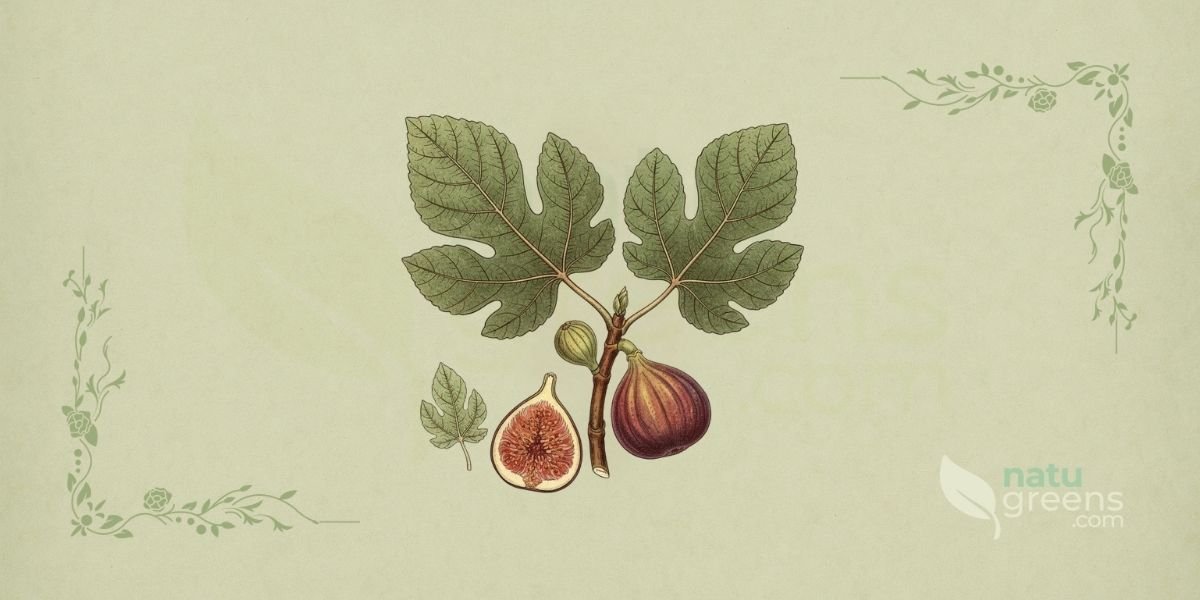
Botanical illustration of Ficus carica L. (common fig, fig tree), a deciduous tree of the Moraceae family, cultivated since the Stone Age, native to the Mediterranean and Western Asia, showing a complete plant with large, lobed leaves, green and purple fruits at different stages of ripening, and a twisted trunk, in 19th-century botanical encyclopedia style on an aged herbarium paper background.
Ficus carica belongs to the Moraceae family, which encompasses about 40 genera and more than 1,000 species of trees, shrubs, and herbs. This family is known for including plants with milky latex and characteristic fruits, such as the fig and the mulberry. The Moraceae are distributed mainly in tropical and subtropical regions, with some species adapted to temperate climates. The family is economically important, providing food, timber, and fiber, and includes several species with traditional medicinal uses.
Parts of the Common Fig Used
- Bark
- Fruits (fresh and dried)
- Latex
- Leaves
- Roots
Ethnobotanical and Traditional Uses of the Common Fig
The common fig has a rich history of use in traditional medicine across many cultures. The fruits, leaves, and roots are employed to treat a wide range of ailments. In Unani medicine, for example, it is used as a mild laxative, expectorant, and diuretic. It is also applied in the treatment of liver and spleen diseases, acting as a deobstruent and anti-inflammatory agent. Figs are traditionally used for hemorrhoids, insect bites, gout, ulcers, and skin infections.
In some traditions, the fruit juice mixed with honey is used for bleeding. In India, the fruits are considered a mild laxative, expectorant, and diuretic. Fig paste is applied to swellings, growths, and inflammation to relieve pain. The leaves are used as an antidiabetic and vermifuge. Historical records cite the latex as an expectorant and anthelmintic, but it is a caustic substance that irritates the mucous membranes, with no internal use recommended today. The roots are used as a tonic in the treatment of leukoderma and ringworm infections. These ethnobotanical uses highlight the versatility and cultural importance of Ficus carica throughout history.
Therapeutic Properties of the Common Fig
- Analgesic (relieves pain)
- Antiangiogenic (inhibits the formation of new blood vessels)
- Antibacterial (fights bacteria); traditional use, without established clinical efficacy
- Anticancer (under study for its antitumor potential)
- Anticonstipation (relieves constipation)
- Antidiabetic (helps control blood sugar); traditional use, without established clinical efficacy
- Antidiarrheal (fights diarrhea)
- Antifungal (fights fungi)
- Anthelmintic (eliminates worms); traditional use, without established clinical efficacy
- Anti-inflammatory (reduces inflammation)
- Antimutagenic (prevents genetic mutations)
- Antioxidant (fights free radicals)
- Antiparasitic (fights parasites); traditional use, without established clinical efficacy
- Antipyretic (reduces fever)
- Antispasmodic (relieves spasms)
- Antituberculosis (under study against the tuberculosis bacillus)
- Antiviral (fights viruses); traditional use, without established clinical efficacy
- Cardioprotective (protects the heart); traditional use, without established clinical efficacy
- Diuretic (increases urine production)
- Expectorant (helps clear mucus)
- Hepatoprotective (protects the liver); traditional use, without established clinical efficacy
- Hypocholesterolemic (lowers cholesterol); traditional use, without established clinical efficacy
- Hypoglycemic (lowers blood sugar); traditional use, without established clinical efficacy
- Laxative (promotes bowel movements)
Detailed Phytochemical Profile of the Common Fig
Ficus carica is rich in a wide range of bioactive compounds that contribute to its medicinal properties. Phytochemical studies have revealed the presence of phenolics, organic acids, and volatile compounds in the leaves and fruits. More than 100 bioactive compounds have been identified, including beta-amyrins, beta-carotenes, beta-sitosterols, arabinose, and xanthotoxol. Triterpenoids are prominent, extracted from the plant’s roots, leaves, and latex.
Figs are an important source of phenolic compounds, which play a significant physiological role in plants and contribute to human health through their antioxidant activity, acting as reducing agents, hydrogen donors, and free radical scavengers. Fig fruits exhibit a high antioxidant capacity thanks to their rich content of polyphenols, flavonoids, and anthocyanins. The presence of these phytochemicals gives Ficus carica remarkable therapeutic potential.
Preparation and Administration Forms of the Common Fig
- Decoction
- Dry extract
- Fluid extract
- Infusion
- Latex
- Poultice
- Tincture
Synergy with Other Medicinal Plants
Blood Sugar Control
For blood sugar control, Ficus carica can be used together with plants such as cinnamon (Cinnamomum verum) or fenugreek (Trigonella foenum-graecum). Fig leaves have shown hypoglycemic properties, which can be complemented by cinnamon’s effects on insulin sensitivity and fenugreek’s reduction of glucose absorption. This synergy can offer natural support for individuals with metabolic disorders, always under professional guidance.
Digestive Complaints
The common fig can be combined with other plants to enhance its digestive effects. For example, the association with peppermint (Mentha × piperita) and lemon balm (Melissa officinalis) can help relieve dyspepsia, flatulence, and intestinal cramps. The fig’s compounds, such as fiber and enzymes, act synergistically with the essential oils of these plants, promoting better gastrointestinal function and reducing discomfort.
Cardiovascular Health
Combining the common fig with plants such as garlic (Allium sativum) or hawthorn (Crataegus monogyna) can be explored for cardiovascular health. The soluble fiber in figs fits into a diet that favors a healthy lipid profile, but there is no evidence that the fig tree itself acts on cholesterol or on heart function. Garlic contributes properties that support circulation and blood pressure, while hawthorn is traditionally used as a cardiac tonic, but it potentiates digitalis drugs and antihypertensives, so anyone already on such treatment should use the combination only with cardiology follow-up.
Recipes and Usage Protocols of the Common Fig
Poultice for Skin Inflammation
Ingredients: Fresh common fig leaves, hot water.
Preparation: Mash a few fresh fig leaves into a paste. Warm the paste slightly in hot water (do not boil). Apply directly to the affected area of skin, such as swellings, boils, or small wounds. Cover with a clean cloth and leave on for 30 minutes to 1 hour. Repeat 2-3 times a day. This poultice helps reduce inflammation and promote healing thanks to the plant’s anti-inflammatory and antiseptic properties. Caution: fresh leaves contain phototoxic furocoumarins. Wash the skin thoroughly after removing the poultice and keep the treated area out of the sun.
Leaf Decoction for Blood Sugar Control
Ingredients: 2-3 dried common fig leaves, 500 ml of water.
Preparation: Wash the leaves well and place them in a pan with the water. Bring to the boil and simmer for 10-15 minutes. Remove from the heat, strain, and let cool. Drink 1 cup (200 ml) twice a day, before main meals. This decoction is traditionally used to help regulate blood sugar levels, but should be used with caution and under medical supervision, especially by diabetics.
Dried Fig Infusion as a Mild Laxative
Ingredients: 2-3 dried figs, 250 ml of boiling water.
Preparation: Cut the dried figs into small pieces. Place them in a cup and add the boiling water. Cover and steep for 10-15 minutes. Strain and drink the infusion, preferably at night before bed. Dried figs are rich in fiber and act as a mild laxative, helping relieve constipation and promoting intestinal health. The softened figs can be eaten after the infusion.
Leaf Tincture for Respiratory Complaints
Ingredients: 50 g of dried common fig leaves, 250 ml of 70% grain alcohol.
Preparation: Finely chop the dried leaves and place them in a dark glass jar. Cover with the alcohol, making sure the leaves are completely submerged. Close the jar tightly and let macerate for 2-4 weeks in a cool, dark place, shaking daily. Strain the tincture and store in a dark bottle. Take 20 to 30 drops diluted in water, 2 to 3 times a day, as an adjunct in mild respiratory complaints, for which the plant’s expectorant and anti-inflammatory properties are traditionally valued. Avoid prolonged sun exposure while using it, since the leaves contain photosensitizing furocoumarins, and bear in mind that a persistent cough or bronchitis calls for medical assessment.
Associated Therapies
Clinical Phytotherapy
In modern clinical phytotherapy, Ficus carica is valued for its standardized extracts, used in various formulations. The leaves, in particular, are studied for their antidiabetic and antioxidant properties. Common fig extracts are employed as adjuvants in the treatment of metabolic disorders, inflammation, and gastrointestinal complaints. Dosage and administration are carefully adjusted by health professionals, considering the phytochemical composition and the patient’s individual needs, ensuring safe and effective treatment.
Homeopathy
Although it is not as widely used as other plants, Ficus carica is mentioned in the homeopathic tradition in connection with a few specific presentations. The homeopathic preparation of the common fig is made from its fresh parts, following the principles of dilution and dynamization. Within homeopathic materia medica the plant is associated with digestive complaints, skin problems and inflammatory conditions, according to the totality of the patient’s symptoms. There are no clinical studies confirming the effectiveness of these preparations for those or any other conditions. The choice of remedy and its potency are determined by a qualified homeopath, who assesses the clinical picture individually.
Contraindications and Side Effects of the Common Fig
General Contraindications
Ficus carica is generally considered safe when consumed as food. However, the fig tree’s latex can cause allergic reactions in sensitive individuals, manifesting as contact dermatitis or skin irritation. People with a known allergy to other Moraceae plants should be cautious. Pregnant or breastfeeding women should consult a health professional before using medicinal fig preparations, given the lack of conclusive safety studies in these groups. Individuals with bleeding disorders or taking anticoagulants should consult a professional before using the plant. The coumarins in figs are furocoumarins, such as bergapten and xanthotoxol, which make the skin sensitive to sunlight rather than acting on coagulation.
Common Side Effects
Side effects of the common fig are rare and usually mild. Eating too many figs can cause diarrhea because of their high fiber content. Topical application of the latex can irritate the skin of sensitive people. In some cases, consuming leaves or extracts can lead to mild gastrointestinal complaints, such as nausea or abdominal discomfort. It is always advisable to start with low doses and observe your individual reaction. If adverse reactions occur, discontinue use and consult a doctor.
Drug Interactions
Ficus carica can interact with certain medications. Because of its hypoglycemic properties, it can potentiate the effect of diabetes medications, requiring careful monitoring of glucose levels to avoid hypoglycemia. The furocoumarins in the plant are photosensitizing and call for attention in anyone taking medicines that also increase light sensitivity. In addition, the fig’s diuretic properties can influence the action of pharmaceutical diuretics. Informing your doctor about the use of any supplement or medicinal plant is essential to avoid unwanted interactions.
Historical Notes and Interesting Facts about the Common Fig
The common fig is one of the oldest plants cultivated by humanity, with archaeological evidence dating back more than 11,000 years, predating the cultivation of cereals. It is mentioned in religious and mythological texts of many cultures, symbolizing fertility, abundance, and knowledge. In the Bible, the fig tree is the first plant named by species, with Adam and Eve using its leaves to cover themselves. In Ancient Rome, it was considered a sacred tree, associated with the she-wolf that nursed Romulus and Remus.
Figs were a staple food for many ancient civilizations, valued for their nutritional value and their ability to be dried and stored. The fig’s complex pollination, involving the fig wasp (Blastophaga psenes), is a fascinating example of coevolution between plant and insect. Fig trees are also remarkable for their longevity, with some trees living for hundreds of years. Their adaptability to different climates and soils contributed to their global spread and their continuing importance in food and medicine.
Frequently Asked Questions about Common Fig Tea
Is Common Fig Tea Safe for Everyone?
Common fig tea is generally safe for most people when consumed in moderation. However, individuals allergic to Moraceae plants, pregnant or breastfeeding women, and people taking diabetes medication or anticoagulants should consult a health professional before drinking the tea. The plant’s latex can irritate some people, and excessive consumption can lead to mild gastrointestinal complaints.
What Are the Main Benefits of Common Fig Tea?
Common fig tea is valued for its laxative, anti-inflammatory, antioxidant, and hypoglycemic properties. It can aid digestion, relieve constipation, reduce inflammation, fight free radicals, and help control blood sugar levels. It is also traditionally used for respiratory complaints, such as coughs and bronchitis, and to promote cardiovascular health. Its benefits derive from the plant’s rich phytochemical composition.
How Do I Prepare Common Fig Leaf Tea?
To prepare common fig leaf tea, use 2-3 dried leaves per 500 ml of water. Wash the leaves well and place them in a pan with the water. Bring to the boil and simmer for 10-15 minutes. Remove from the heat, strain, and let cool. Drinking 1 cup (200 ml) twice a day, before main meals, is recommended. Do not exceed the recommended dose and observe how your body responds to the tea.
Does Common Fig Tea Help with Weight Loss?
Although common fig tea can aid digestion and blood sugar control, there is no robust scientific evidence of its direct efficacy for weight loss. The fiber in figs can promote satiety, and the plant’s metabolic properties can indirectly support a healthy lifestyle. However, effective, sustainable weight loss requires a combination of balanced diet, regular exercise, and, if needed, professional follow-up.
Can Fresh Figs Be Used to Make Tea?
Yes, fresh figs can be used to make tea, although dried figs are more common for laxative infusions. For a fresh fig tea, cut 2-3 figs into pieces and steep them in boiling water for about 10-15 minutes. Fresh fig tea can be milder in flavor and still offer some of the fruit’s nutritional and digestive benefits. For more concentrated medicinal properties, however, the leaves or extracts are generally preferred.
Notice: this content is for informational purposes and does not replace professional medical advice. Consult a physician or herbal practitioner before using medicinal plants, especially during pregnancy, breastfeeding, or alongside medication.
References and Scientific Studies
Peer-Reviewed Scientific Studies (4)
- PMC2013 Mawa, S., Husain, K., & Jantan, I. (2013). Ficus carica L. (Moraceae): Phytochemistry, Traditional Uses and Biological Activities. Evidence-Based Complementary and Alternative Medicine, 2013, 974256.
- PEER2014 Badgujar, S. B., Patel, V. V., Bandivdekar, A. H., & Mahajan, R. T. (2014). Traditional uses, phytochemistry and pharmacology of Ficus carica: A review. Pharmaceutical Biology, 52(11), 1487-1503.
- PEER2022 Hajam, T. A., & Saleem, H. (2022). Phytochemistry, biological activities, industrial and traditional uses of fig (Ficus carica): A review. Chemico-Biological Interactions, 368, 110237.
- PEER2021 Li, Z., et al. (2021). A comprehensive review on phytochemistry, bioactivities and traditional uses of Ficus carica Linn. leaves. Journal of Ethnopharmacology, 271, 113881.
Supplementary Readings (1)
- 2024 Fazel, M. F., et al. (2024). Ficus carica: A Promising Nutraceutical. Drug Design, Development and Therapy, 18, 117-130.