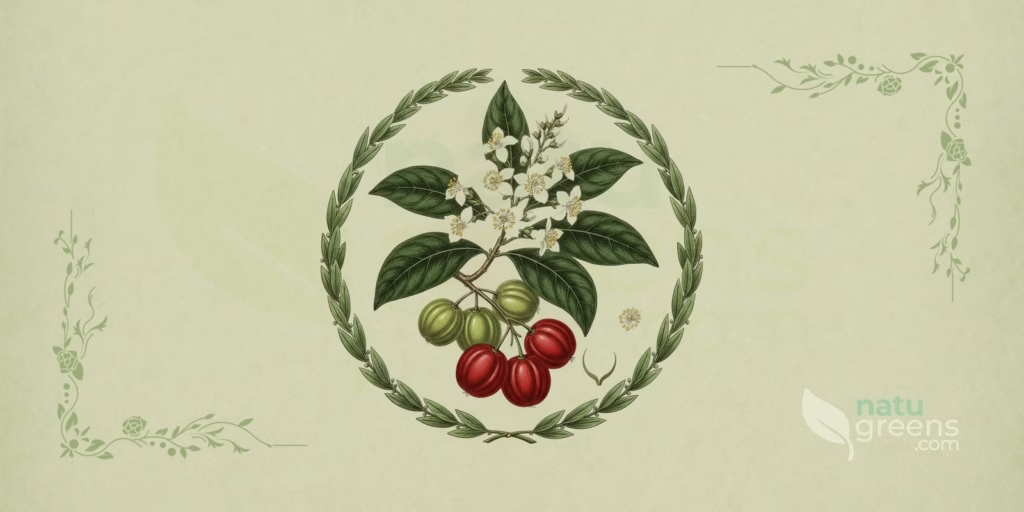
Iris domestica (L.) Goldblatt & Mabb. / Blackberry Lily, formerly Belamcanda chinensis (L.) DC., is a perennial herbaceous plant of the Iridaceae family. Native to East Asia, it has been used in traditional Chinese medicine for centuries. Its flowers are orange-red with dark spots, the seeds resemble blackberries, and the rhizome is the part most valued for its therapeutic properties.
In the phytotherapeutic tradition the blackberry lily is well recognized for its anti-inflammatory, expectorant, and antifebrile properties. Modern scientific research has validated many of those traditional uses, and the richness of its phytochemical profile stands out. Compounds such as isoflavones and iridal triterpenoids are responsible for its diverse biological activities. The plant is a notable example of ancestral wisdom that also carries contemporary scientific validation.
Popular and International Names of Blackberry Lily
- English: leopard lily, blackberry lily, leopard flower.
- Spanish: lirio leopardo, flor de leopardo.
- Portuguese: flor-leopardo, lírio-leopardo (BR); belamcanda chinesa, anginia, lírio-da-amora (PT).
- French: lis léopard, fleur de léopard.
- Italian: giglio leopardo, fiore di leopardo.
- German: Leopardenblume, Leopardenlilie, Brombeerlilie.
- Chinese (TCM): she gan.
Botanical Synonyms of Blackberry Lily
The plant is Iris domestica (L.) Goldblatt & Mabb., and its most recognized botanical synonym is Belamcanda chinensis (L.) DC. That reclassification took place in 2005 and was based on evidence from molecular DNA sequencing. Other synonyms include Epidendrum domesticum L., Vanilla domestica (L.) Druce, Belamcanda punctata Moench, Gemmingia chinensis (L.) Kuntze, Ixia chinensis L., Moraea chinensis, and Pardanthus chinensis Ker Gawl.
Botanical Family: Iridaceae

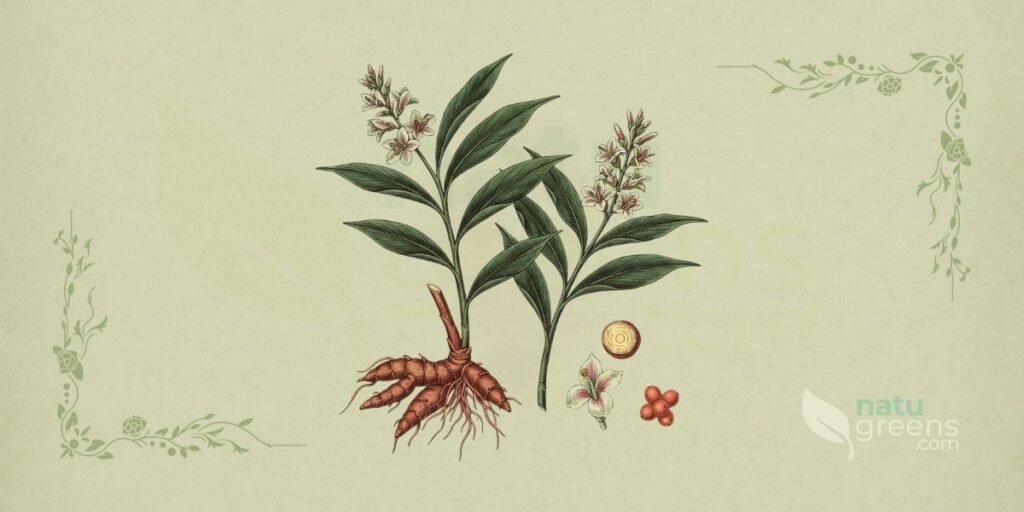
Detailed botanical illustration of Iris domestica (blackberry lily, leopard lily), a perennial herbaceous plant of the Iridaceae family, focusing on the underground rhizome. The rhizome is robust, horizontal, with fibrous roots and lateral buds, displaying the texture and structure that make it the most important part of the plant for medicinal uses. The illustration is presented in 19th-century botanical encyclopedia style, with a sage-green herbarium paper background, highlighting the complexity and natural beauty of the plant.
Iris domestica belongs to the Iridaceae family, which encompasses approximately 1,800 species across about 60 genera. The family is known for ornamental plants such as irises and gladioli. The Iridaceae are characterized by showy flowers and by rhizomes or bulbs, and many of their species have economic and medicinal importance. The blackberry lily shares the characteristics typical of the family, including sword-shaped leaves and flowers with six tepals. Its chemical diversity is vast, with flavonoids and isoflavones among the compounds that confer medicinal properties, and pharmacological research continues to explore its therapeutic potential.
Parts Used of Blackberry Lily
- Rhizomes
- Roots
Ethnobotanical and Traditional Uses of Blackberry Lily
- Antidote
- Antifebrile
- Anti-inflammatory
- Expectorant
- Pain relief (analgesic)
- Treatment of acute tonsillitis
- Treatment of bronchitis
- Treatment of cough with abundant expectoration
- Historical record of use in glottis edema (a medical emergency with risk of asphyxia; it requires immediate care, never phytotherapy)
- Treatment of liver problems
- Treatment of sore throat
Therapeutic Properties of Blackberry Lily
- Analgesic (relieves pain)
- Antiangiogenic (inhibits the formation of new blood vessels)
- Antibacterial (fights bacteria); traditional use, without established clinical efficacy
- Antidiabetic (helps control blood sugar); traditional use, without established clinical efficacy
- Antifungal (fights fungi)
- Anti-inflammatory (reduces inflammation)
- Antimutagenic (prevents genetic mutations)
- Antioxidant (fights free radicals)
- Antitumor (antitumor activity in studies)
- Antiviral (fights viruses); traditional use, without established clinical efficacy
- Expectorant (facilitates the elimination of mucus)
- Febrifuge (reduces fever)
- Hypoglycemic (lowers blood sugar); traditional use, without established clinical efficacy
- Skin-soothing (helps calm irritated skin)
Detailed Phytochemical Profile of Blackberry Lily
- Belamcandin
- Flavonoids
- Iridal triterpenoids
- Iridin
- Irigenin
- Irisflorentin
- Isoflavones
- Quinones
- Shekanin
- Simple phenols
- Stilbenes
- Tannins
- Tectoridin
- Tectorigenin
- Xanthone glycosides
The rhizome isoflavones, such as tectorigenin and irigenin, show estrogenic activity in studies, so anyone with a hormone-dependent condition or undergoing hormone therapy must not use the plant without a medical assessment.
Preparation and Administration Forms of Blackberry Lily
- Decoction
- Extracts
- Tinctures
- Topical use (root extract)
Synergy with Other Medicinal Plants
In Traditional Chinese Medicine (TCM) the blackberry lily is used alongside other herbs to enhance its therapeutic effects. In respiratory formulations it is combined with expectorant and anti-inflammatory plants. The synergy of the phytochemicals results in a broader and more effective action. Research on synergistic combinations outside TCM is still limited, so more studies are needed to explore its potential in combination therapies.
Recipes and Usage Protocols of Blackberry Lily
Decoction for Respiratory Conditions
In Traditional Chinese Medicine, the dried rhizome enters decoctions at 3 to 9 grams per day in total, always prescribed and monitored by a qualified practitioner, traditionally for sore throats, coughs, and expectoration. Because this is the most toxic part of the plant, homemade preparation for internal use is not recommended, and no self-medication dosage is given here. It is important to consult a healthcare professional before starting any phytotherapeutic treatment, especially with plants that have potential toxicity.
Topical Extract for Skin Irritations
An extract of the blackberry lily root can be prepared for topical use, since it has soothing properties that help relieve irritation. There is, however, no published evidence that it controls the skin’s oil production. Apply a small amount of the diluted extract with a cotton pad to the affected area, twice a day. Perform a patch test on a small area of skin before widespread use to check for any adverse reaction.
Associated Therapies
Traditional Chinese Medicine (TCM)
In Traditional Chinese Medicine the blackberry lily, known as she gan, is a fundamental remedy. It is classified as an herb of cold nature and bitter flavor, acting mainly on the lung and liver meridians. Its functions include clearing heat, removing toxins, dissipating phlegm, and promoting throat function. It is frequently prescribed for conditions such as sore throat, cough with thick yellow expectoration, bronchitis, and tonsillitis. TCM employs the blackberry lily in various complex herbal formulations that are adapted to the individual needs of the patient.
Contraindications and Side Effects of Blackberry Lily
All parts of Iris domestica are toxic and ingestion is dangerous, especially of the rhizomes, so internal use requires extreme caution and must take place under professional supervision. The plant is contraindicated for pregnant women because the root juice has abortifacient properties, an effect reported in Nepal. There is no evidence that it controls skin oil or increases cell turnover. Because drug interactions and side effects are possible, consult a doctor or phytotherapist before use.
Curiosities and Historical Facts of Blackberry Lily
The blackberry lily has a rich history full of notable curiosities, and in Traditional Chinese Medicine it is revered as she gan. That name resonates with centuries of phytotherapeutic use, and one fascinating curiosity is its taxonomic reclassification. In 2005 the species, formerly Belamcanda chinensis, was transferred to the genus Iris and renamed Iris domestica, a change driven by molecular DNA evidence.
The molecular DNA revealed a closer genetic relationship with the irises. The popular name “blackberry lily” derives from the seeds, which are black and glossy and grouped in capsules that open in autumn, resembling blackberries. The plant is cultivated globally in subtropical and temperate climates, valued for its medicinal and ornamental properties, and it adds an exotic touch to gardens and landscapes.
Frequently Asked Questions about Blackberry Lily
Is the Blackberry Lily Safe for Consumption?
No, all parts of the Iris domestica plant are considered toxic if ingested. Internal use should only take place under the guidance and supervision of a qualified healthcare professional, given its potential adverse effects and toxicity. It is crucial to follow the recommended dosages and preparation methods to avoid health risks.
What Are the Main Uses of the Blackberry Lily in Traditional Chinese Medicine?
In Traditional Chinese Medicine (TCM) the blackberry lily (she gan) is used mainly to clear heat, remove toxins, dissipate phlegm, and promote throat function. It is commonly employed in the treatment of respiratory conditions such as sore throat, cough with expectoration, and bronchitis. Its anti-inflammatory and expectorant action makes it valuable in various TCM formulations.
Can the Blackberry Lily Be Used During Pregnancy?
No, the blackberry lily is strictly contraindicated for pregnant women, since reports of traditional use indicate that the root juice has abortifacient properties. Because of its toxicity and the potential risks to pregnancy, its use is discouraged. Pregnant women or those planning to become pregnant should completely avoid this plant.
What Are the Active Phytochemicals in the Blackberry Lily?
The blackberry lily is rich in various active phytochemicals, including isoflavones (such as tectorigenin, tectoridin, and irigenin), xanthone glycosides, stilbenes, simple phenols, quinones, and iridal triterpenoids. These compounds are responsible for its anti-inflammatory, antioxidant, antiviral, and other biological activities. Irisflorentin and shekanin are also important components identified in the plant.
Notice: this content is for informational purposes and does not replace professional medical advice. Consult a physician or herbal practitioner before using medicinal plants, especially during pregnancy, breastfeeding, or alongside medication.
References and Scientific Studies
Peer-Reviewed Scientific Studies (2)
- PMC2016 Zhang, L., Wei, K., Xu, J., Yang, D., Zhang, C., Wang, Z., & Li, M. (2016). Belamcanda chinensis (L.) DC-An ethnopharmacological, phytochemical and pharmacological review. Journal of Ethnopharmacology, 186, 1-13.
- PEER2024 Wang, Z., Jiang, Y., Li, Z., Weng, L., & Xiao, C. (2024). Herbal textual research of Belamcanda chinensis (L.) redouté and screening of quality-markers based on ‘pharmacodynamics-substance’. Journal of Ethnopharmacology, 332, 118324.
Supplementary Readings (2)
- 2005 Goldblatt, P., & Mabberley, D. J. (2005). Belamcanda Included in Iris, and the New Combination I. domestica (Iridaceae: Irideae). Novon: A Journal for Botanical Nomenclature, 15(1), 128-132.
- 2015 Woźniak, D., & Matkowski, A. (2015). Belamcandae chinensis rhizoma – a review of phytochemistry and bioactivity. Fitoterapia, 107, 1-14.