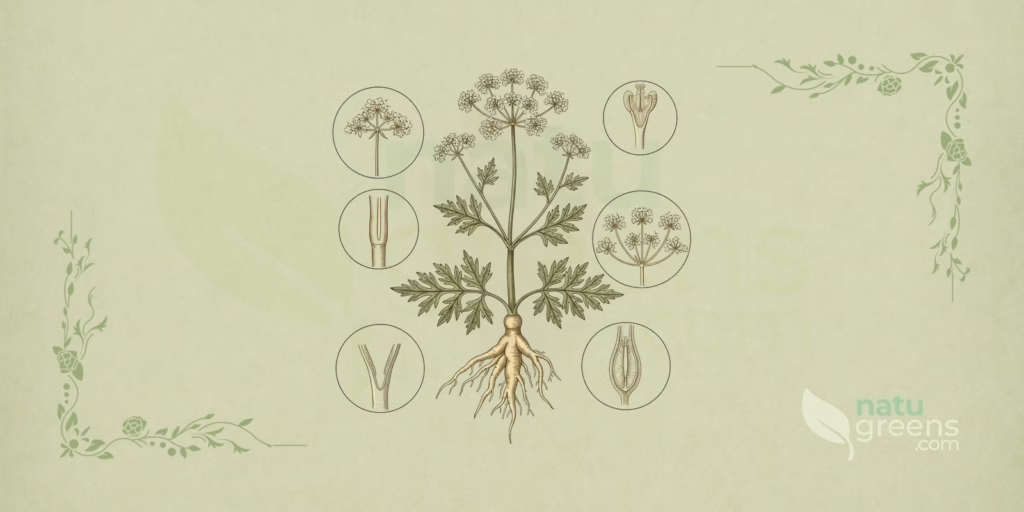
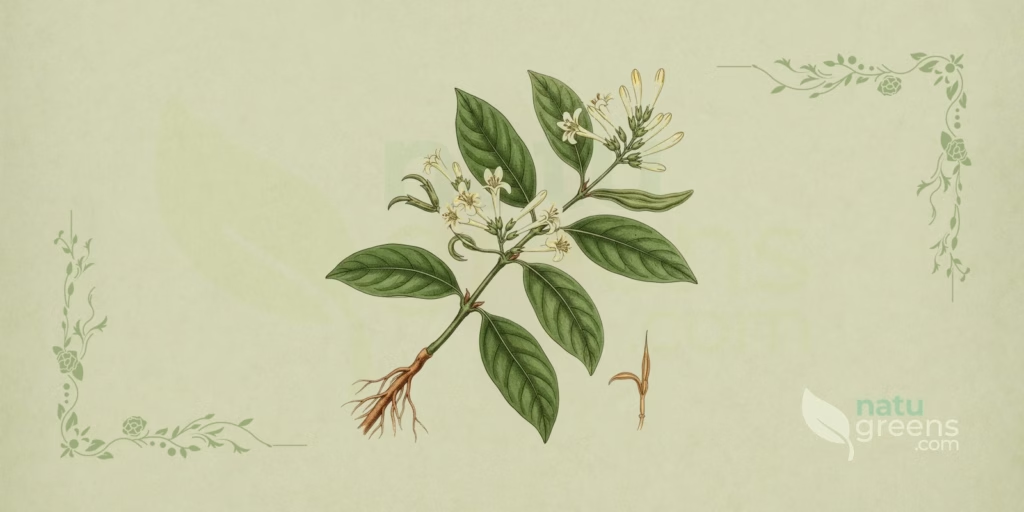
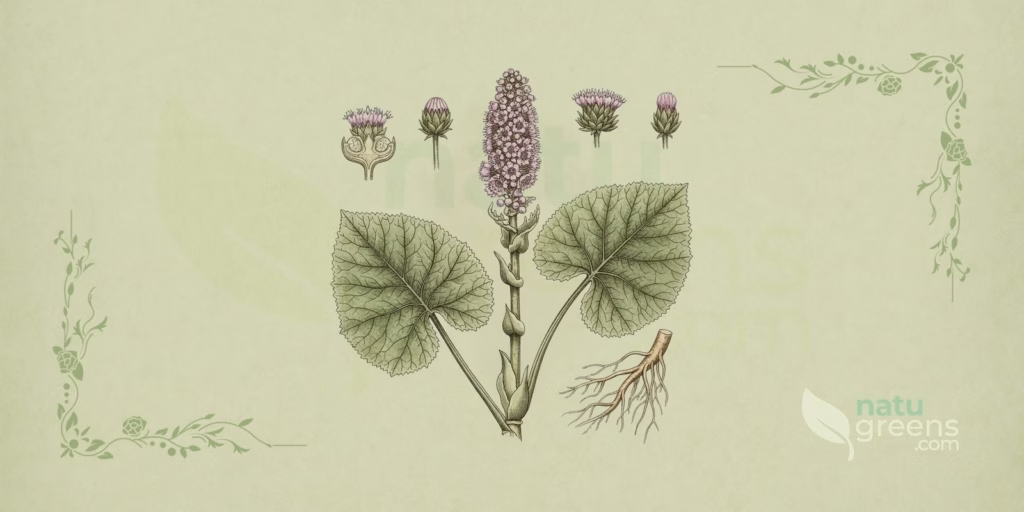
Epimedium sagittatum (Siebold & Zucc.) Maxim. / Horny Goat Weed, commonly known as horny goat weed in English, is a perennial herbaceous plant of the family Berberidaceae. Native to China, this species has been valued for centuries in Traditional Chinese Medicine (TCM) for its notable therapeutic properties. Epimedium sagittatum is recognized for its traditional role in tonifying the kidney and strengthening yang, and it has long been used to support sexual function, ease joint discomfort, and combat fatigue. Its spread around the world stems from growing interest in its phytotherapeutic applications.
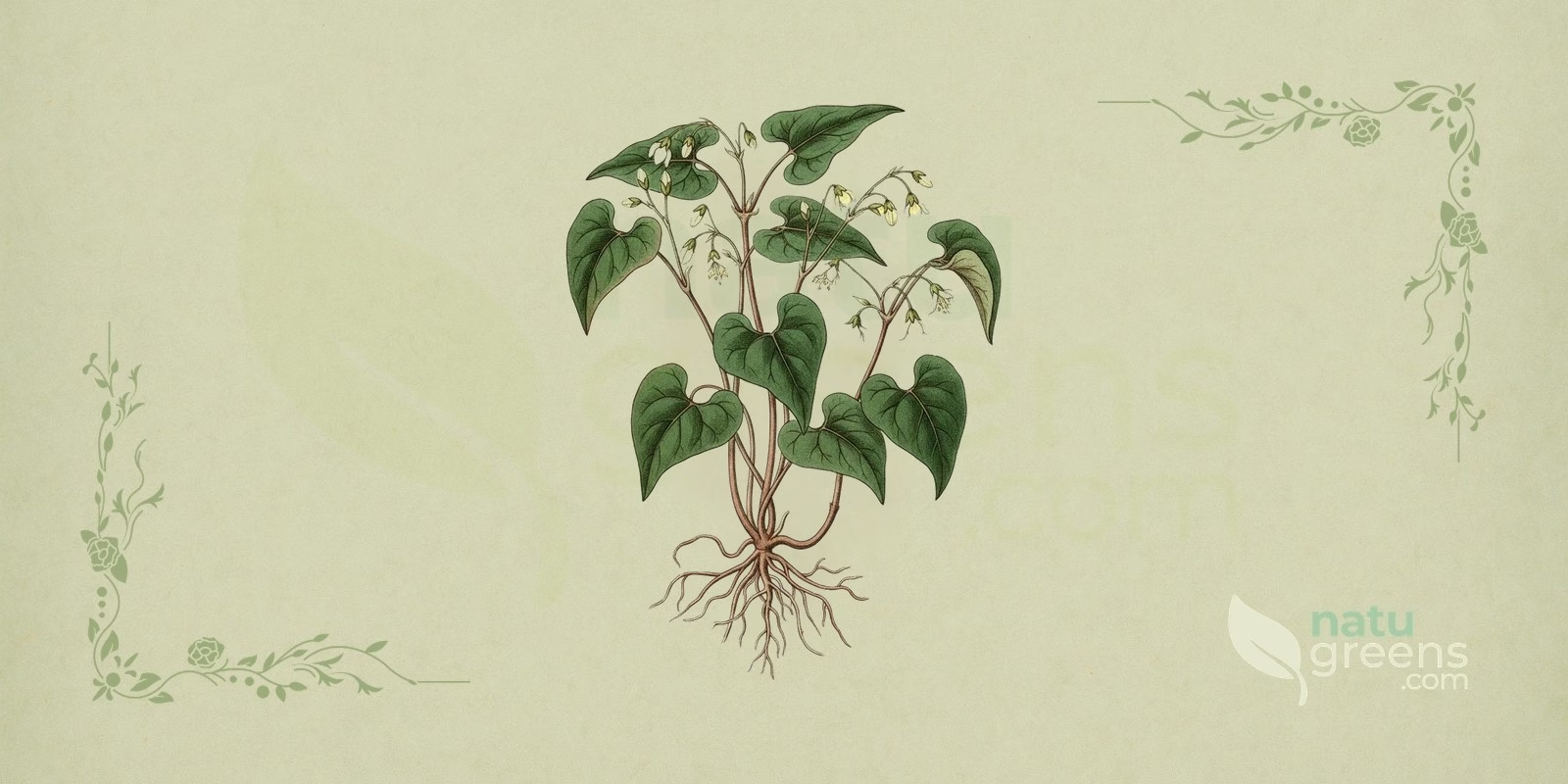
Modern scientific research has validated many of the traditional uses of Epimedium sagittatum, identifying icariin as its principal bioactive compound. This flavonoid accounts for much of the plant’s pharmacological activity, including its studied effects on erectile function and bone protection. The plant thrives in shaded, humid environments, standing as a notable example of the rich pharmacopeia of Asian flora. Its complex phytochemical composition continues to be the subject of ongoing study, reinforcing its standing as a medicinal plant of considerable relevance.
Popular and International Names of Horny Goat Weed
- English: horny goat weed, barrenwort, bishop’s hat, fairy wings, rowdy lamb herb, herba epimedii.
- Spanish: hierba de cabra en celo, epimedio.
- Portuguese: erva-de-cabra-tesa, erva-do-bode-excitado, yin yang huo (transliteration).
- French: herbe de chèvre cornée, fleur des elfes.
- Italian: erba di capra cornuta, epimedio.
- German: geiles Ziegenkraut, Elfenblume.
Botanical Synonyms of Epimedium sagittatum
Botanical synonyms for Epimedium sagittatum (Siebold & Zucc.) Maxim. include other species within the genus Epimedium that are sometimes used interchangeably or regarded as similar in traditional contexts. Although Epimedium sagittatum is the accepted name, other species such as Epimedium brevicornu Maxim., Epimedium pubescens Maxim., and Epimedium koreanum Nakai are frequently cited as sources of “Epimedium Folium” in Traditional Chinese Medicine.
Other, less common or historical synonyms may include taxonomic variants that have been reclassified over time. The complexity involved in identifying synonyms reflects the diversity of the genus and its long history of use across different regions. Distinguishing correctly between species is crucial to ensuring the standardization and reliability of phytotherapeutic products.
Botanical Family: Berberidaceae
The family Berberidaceae is a group of dicotyledonous plants comprising roughly 14 genera and approximately 700 species, distributed mainly across temperate regions of the Northern Hemisphere. This family is known for its morphological diversity and for the presence of isoquinoline alkaloids, which give many of its species significant medicinal properties. Notable members of the family include barberry (Berberis vulgaris) and mayapple (Podophyllum peltatum).
Epimedium sagittatum shares characteristics typical of the family, such as compound leaves and flowers with complex structures. The presence of bioactive compounds, such as flavonoids, is a common trait among Berberidaceae species, which helps explain their extensive use in traditional medicine. Phytochemical research into this family continues to reveal considerable potential for drug discovery and for understanding the mechanisms of action of medicinal plants.
Parts of Horny Goat Weed Used
- Leaves
- Rhizomes (less common for teas)
Ethnobotanical and Traditional Uses
- Boosting libido and sexual function
- Combating fatigue and weakness
- Relief of joint pain and rheumatism
- Strengthening bones and tendons
- Tonifying the kidney and strengthening yang (TCM)
- Treating erectile dysfunction
Therapeutic Properties of Horny Goat Weed
- Anti-inflammatory (studied effect on reducing inflammation)
- Antioxidant (activity studied against free radicals and oxidative stress)
- Antiproliferative (activity observed in laboratory studies, without clinical proof)
- Antiviral (activity against certain viruses); traditional use, without established clinical efficacy
- Aphrodisiac (studied effect on libido and sexual function)
- Cardioprotective (benefits studied for cardiovascular health)
- Immunomodulatory (studied effect on the immune system’s response)
- Neuroprotective (studied protective effect on the nervous system)
- Osteoprotective (studied in preventing bone loss and increasing bone density)
Detailed Phytochemical Profile of Horny Goat Weed
- Alkaloids
- Epimedins A, B, C
- Flavonoids (mainly icariin)
- Icariin
- Icariside II (Baohuoside II)
- Icaritin
- Lignans
- Polysaccharides
Preparation and Administration Forms of Horny Goat Weed
- Capsules
- Decoction (tea)
- Dry extracts
- Powders
- Tinctures (medicinal wine)
Synergy with Other Medicinal Plants
Erectile Dysfunction and Libido
Epimedium sagittatum is often paired with other plants that also target sexual health. Combining it with Tribulus terrestris is traditionally thought to build on its aphrodisiac reputation, while ginseng (Panax ginseng) is used alongside it for its tonic and energizing role. Such combinations are employed with the aim of supporting physiological response and sexual quality of life, acting through different metabolic and hormonal pathways for a combined effect.
Bone Health
For bone support, Epimedium sagittatum may be used together with plants rich in minerals or with osteoprotective properties. Pairing it with Rehmanniae Radix Praeparata and Lycii Fructus is a traditional TCM approach aimed at tonifying the kidney and supporting the bones. This combination is intended not only to help prevent bone loss but also to support the regeneration and maintenance of bone structure, particularly in conditions such as osteoporosis.
Fatigue and Vitality
Combining Epimedium sagittatum with adaptogens such as Siberian ginseng (Eleutherococcus senticosus) or rhodiola (Rhodiola rosea) may be beneficial for addressing fatigue and supporting vitality. These plants are traditionally used together to help the body cope with stress, support energy production, and assist adrenal function, contributing to an overall sense of well-being and greater capacity to handle daily demands.
Recipes and Usage Protocols of Horny Goat Weed
Traditional Decoction for Vitality
Ingredients: 10-15 grams of dried Epimedium sagittatum leaves, 500 ml of water.
Preparation: Place the leaves and water in a pot. Bring to a boil, then let simmer over low heat for 20-30 minutes. Strain and drink the liquid. Frequency of use should be guided by a health professional, especially given the potential for interaction with anticoagulants and hormones. This decoction is traditionally used to support vitality, address fatigue, and assist kidney and sexual function. The taste can be bitter and may be sweetened with honey if desired.
Medicinal Wine (Tincture) for Joint Pain
Ingredients: 50 grams of dried Epimedium sagittatum leaves, 1 liter of 40-50% grain alcohol (or rice wine).
Preparation: Place the leaves in a dark glass jar and cover with the alcohol. Seal tightly and let macerate for 2-4 weeks in a cool, dark place, shaking daily. Strain and store the liquid in a dark bottle. The amount and frequency of use should be determined by a health professional, taking into account the alcohol content and the potential for drug interactions. This tincture is traditionally used to ease joint pain and rheumatism and to support the bones, following TCM practices.
The preparations above follow traditional records and do not replace professional guidance. Before any internal use, review the contraindications and interactions described in this article.
The preparations above follow traditional records and do not replace professional guidance. Before any internal use, check the contraindications and interactions described in this article.
Associated Therapies
Acupuncture
In Traditional Chinese Medicine, Epimedium sagittatum is often used alongside acupuncture sessions to support its therapeutic effects. Acupuncture may be directed at points associated with tonifying the kidney and yang, as well as with addressing erectile dysfunction and musculoskeletal pain. Combining phytotherapy with acupuncture aims to restore the body’s energetic balance, supporting a more effective and lasting recovery. This integrated approach is a pillar of Eastern medicine.
Clinical Phytotherapy
Modern clinical phytotherapy uses standardized extracts of Epimedium sagittatum, with precise icariin dosing, to support the management of conditions such as erectile dysfunction, osteoporosis, and low libido. These extracts are formulated into capsules or tablets, allowing for controlled administration and greater bioavailability of the active compounds. Clinical phytotherapy relies on scientific evidence to optimize treatment safety, integrating traditional knowledge with contemporary pharmacological research.
Nutrition and Supplementation
Epimedium sagittatum can be incorporated into nutrition and supplementation programs to support overall health and well-being. Alongside a balanced diet and other supplements, such as vitamins and minerals important for bone health (calcium, vitamin D) or for sexual function (zinc, L-arginine), the plant may help round out a broader approach. This nutritional strategy aims to create favorable internal conditions so the effects of Epimedium sagittatum can be better supported, promoting sound and lasting health.
Contraindications and Side Effects of Horny Goat Weed
General Contraindications
Epimedium sagittatum is contraindicated for women who are pregnant or breastfeeding, given the potential risk of harm to the fetus or infant. Individuals with bleeding disorders or those taking anticoagulant medications should avoid its use, as the plant may slow blood clotting and increase the risk of bleeding. People with cancers or hormone-sensitive conditions, such as breast or uterine cancer, should refrain from using it, since Epimedium sagittatum may act in a manner similar to estrogen, potentially worsening these conditions. It is essential to consult a health professional before starting any treatment.
Common Side Effects
Short-term use of Epimedium sagittatum is generally considered safe for most people. However, prolonged use or high doses may be associated with side effects. These can include dizziness, nausea, vomiting, dry mouth, and increased thirst. In rarer cases, nosebleeds may occur. It is important to monitor for any adverse reaction and seek medical advice if symptoms persist or worsen. Moderation and professional supervision are recommended to minimize risks.
Drug Interactions
Epimedium sagittatum may interact with several medications, altering their effectiveness or increasing the risk of adverse effects. Combining it with blood pressure medications may cause an excessive drop in blood pressure. With anticoagulants or antiplatelet drugs, such as warfarin, it may significantly raise the risk of bleeding. In addition, the plant may influence the metabolism of drugs processed by the liver (via the CYP3A4, CYP2B6, and CYP1A2 enzymes), altering their concentration in the body. Concurrent use with estrogens may amplify their effects. It is essential to inform your doctor about all medications and supplements you are taking.
Historical Notes and Interesting Facts
The Legend of the Shepherd and the Excited Goats
The most famous account of the discovery of Epimedium sagittatum traces back to ancient China. According to legend, a goat herder noticed that his flock became sexually more active and vigorous after eating the leaves of a certain wild plant. Intrigued, the herder reported his observation to the renowned physician and pharmacologist Tao Hongjing. After investigation and verification, Tao Hongjing confirmed the herb’s aphrodisiac properties and named it “Yin Yang Huo,” which translates as “herb of the goat in heat.” This legend underscores the long history of recognition of the plant’s properties in traditional medicine.
Use by Ancient Poets and Physicians
Beyond its reputation as an aphrodisiac, Epimedium sagittatum was also valued for other medicinal properties. The famous Chinese poet and philosopher of the Tang and Song dynasties, Liu Zongyuan, is credited with using the plant to ease leg pain caused by rheumatism. This fact illustrates the herb’s versatility and its recognition in different therapeutic contexts throughout Chinese history. Its inclusion in ancient medical texts and its association with historical figures reinforce its cultural and medicinal importance.
Frequently Asked Questions about Horny Goat Weed
What Is Epimedium sagittatum Used For?
Epimedium sagittatum is best known for its aphrodisiac effects, being widely used to support the management of erectile dysfunction and low libido. It is also used to combat fatigue, ease joint pain, and support bone health, particularly in cases of osteoporosis. In Traditional Chinese Medicine, it is valued for its traditional role in tonifying the kidney and strengthening yang, contributing to overall vitality and well-being. Its wide-ranging traditional uses make it a plant of considerable interest.
How Does Epimedium sagittatum Work?
The main active compound in Epimedium sagittatum is icariin, a flavonoid that acts as an inhibitor of the enzyme phosphodiesterase-5 (PDE5). This action is similar to that of certain erectile dysfunction medications, resulting in increased blood flow to the penis and supporting erectile function. Icariin also has estrogen-like effects, which contributes to its osteoprotective action. In addition, the plant displays antioxidant, anti-inflammatory, and immunomodulatory properties that contribute to its various studied health benefits.
Is It Safe to Take Epimedium sagittatum?
Short-term use of Epimedium sagittatum is generally considered safe for most people. However, prolonged use or high doses may be associated with side effects such as dizziness, nausea, and bleeding. It is crucial to consult a health professional before starting use, especially if pre-existing medical conditions are present, such as bleeding disorders or hormone-sensitive cancers, or if other medications are being taken. Medical supervision is essential to help ensure the safety and reliability of treatment.
What Is the Difference Between Epimedium sagittatum and Other Species in the Genus?
Although Epimedium sagittatum is the species whose name is universally accepted in botanical literature, other species in the genus, such as Epimedium brevicornu, Epimedium pubescens, and Epimedium koreanum, are also used as sources of “Epimedium Folium” in Traditional Chinese Medicine. This overlap in use reflects the genus’s long tradition within the Eastern pharmacopeia, but it underscores the importance of correctly identifying the species used in each preparation, since icariin concentration can vary between them.
How Is Horny Goat Weed Prepared at Home?
The traditional method of preparation is a decoction of dried leaves boiled in water for 20 to 30 minutes, yielding a bitter-tasting liquid that can be sweetened with honey. It is also common to prepare a medicinal wine, obtained by macerating the leaves in grain alcohol or rice wine for two to four weeks. In both cases, the amount and frequency of consumption should be guided by a health professional, taking into account the clinical history of the person using the plant.
What Are the Main Contraindications of Horny Goat Weed?
The plant is contraindicated during pregnancy and breastfeeding, as well as for people with bleeding disorders or those taking anticoagulants, since it may slow blood clotting. Individuals with hormone-sensitive cancers, such as breast or uterine cancer, should also avoid its use, as horny goat weed may act in a manner similar to estrogen. For this reason, guidance from a health professional is essential before starting any treatment with this plant.
Notice: this content is for informational purposes and does not replace professional medical advice. Consult a physician or herbal practitioner before using medicinal plants, especially during pregnancy, breastfeeding, or alongside medication.
References and Scientific Studies
- PMC2013 Hsueh, T. Y., Wu, Y. T., Lin, L. C., Chiu, A. W., Lin, C. H., & Tsai, T. H. (2013). Herb-Drug Interaction of Epimedium sagittatum (Sieb. et Zucc.) Maxim Extract on the Pharmacokinetics of Sildenafil in Rats. Molecules, 18(6), 7323-7335. PMC
- PMC2014 Corazza O, et al. Sexual enhancement products for sale online: raising awareness of the psychoactive effects of yohimbine, maca, horny goat weed, and Ginkgo biloba. BioMed research international. 2014.
- PMC2012 Horny Goat Weed. . 2012.