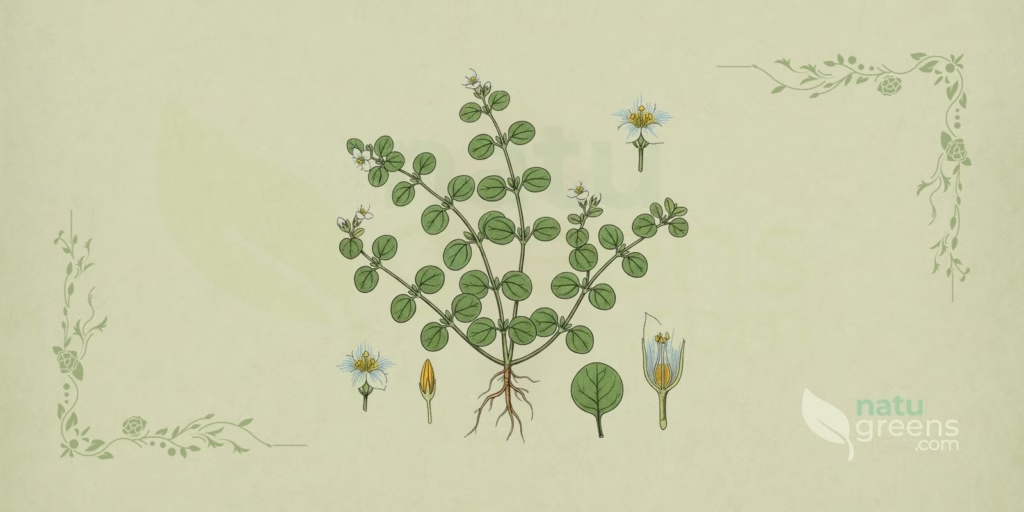
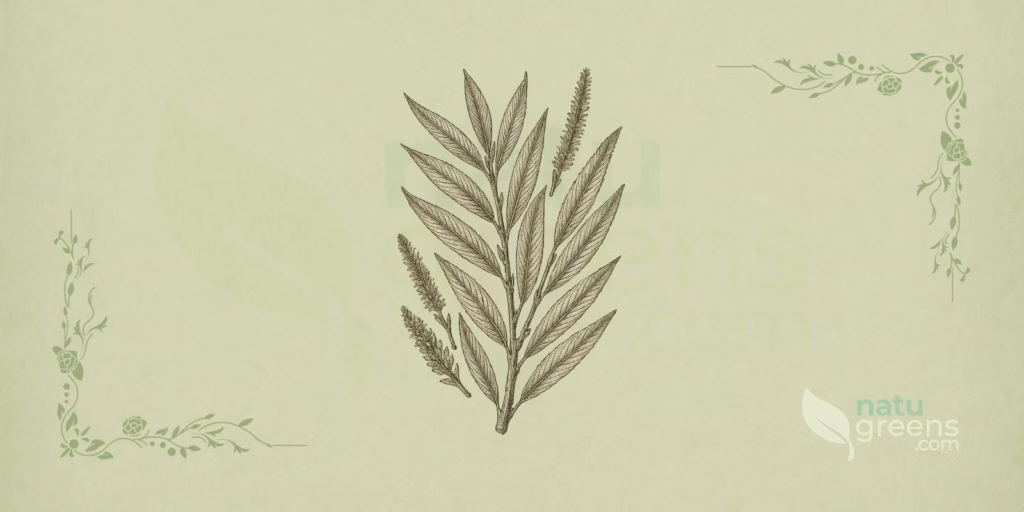
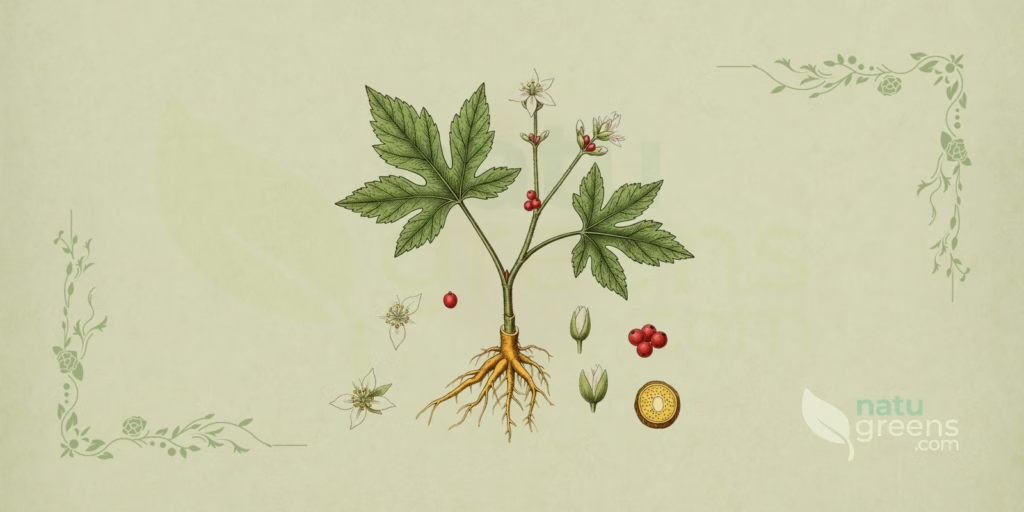
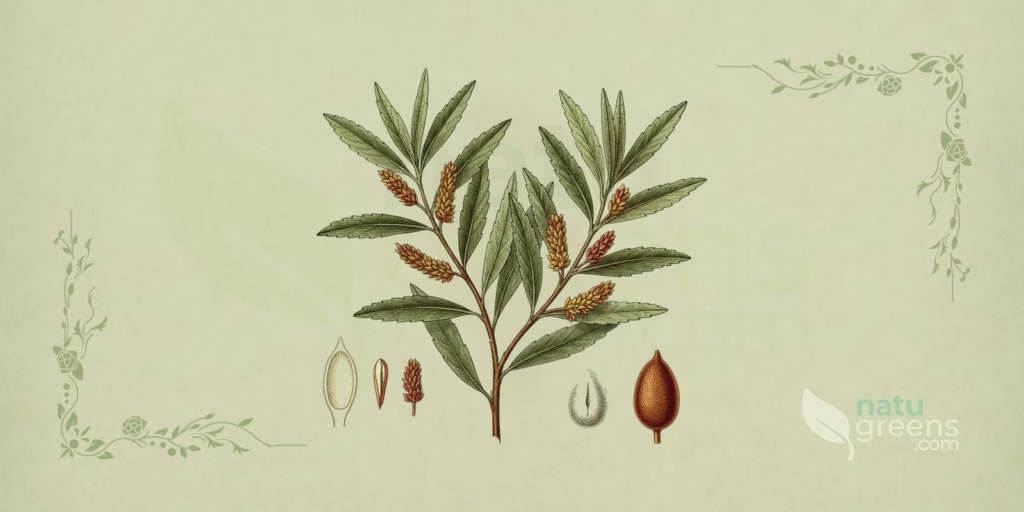
Calendula officinalis L. / Pot Marigold
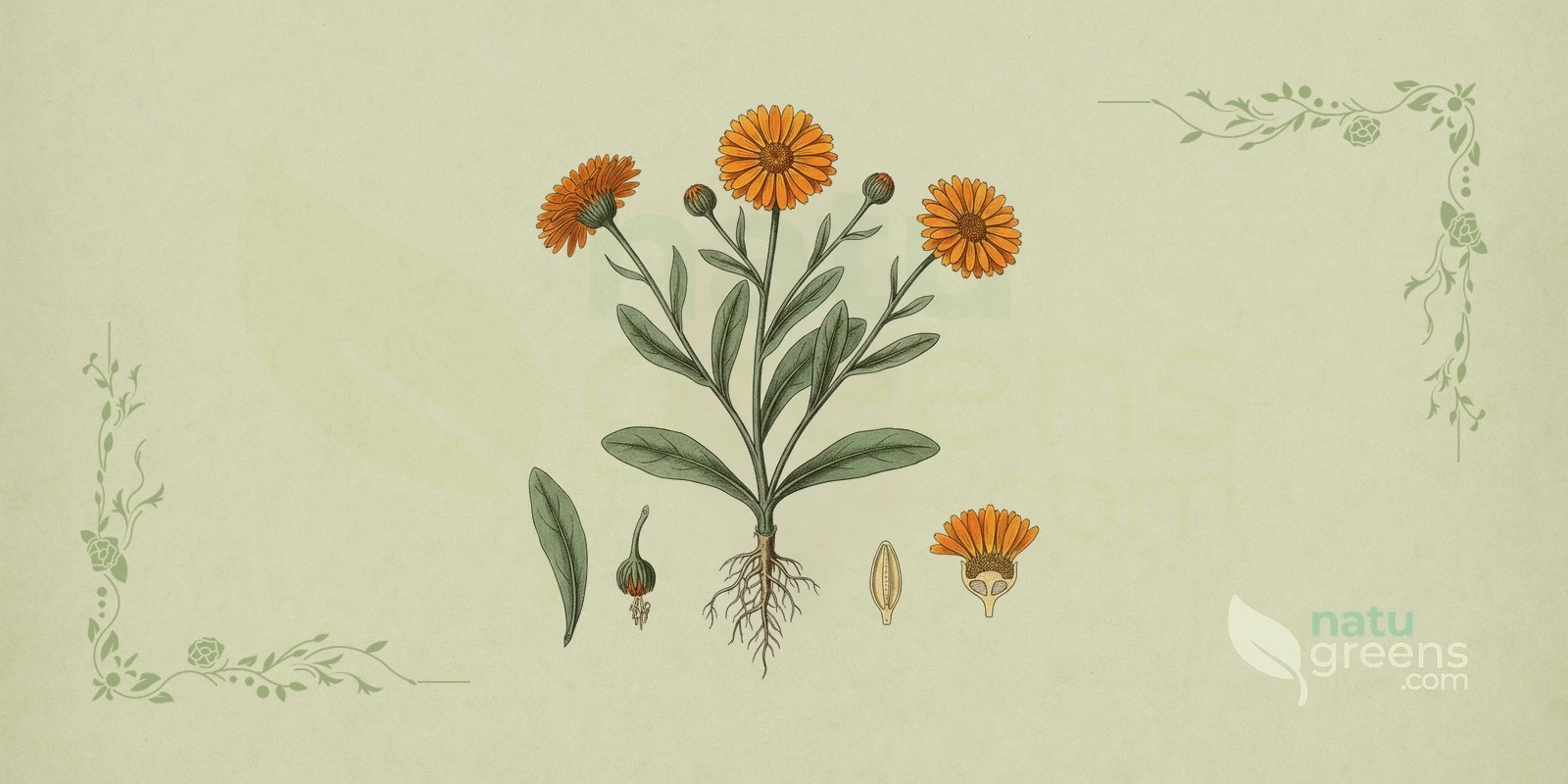
Calendula officinalis, popularly known as pot marigold, is an annual herbaceous plant belonging to the Asteraceae family. Native to southern Europe and the eastern Mediterranean, this species is widely cultivated and valued for its well-known therapeutic properties. Pot marigold has been used for millennia in traditional medicine, mentioned in ancient texts and employed in the preparation of infusions, extracts, and other herbal products. Its flowers, with white petals and a prominent yellow center, are harvested at the peak of blooming. In European herbal tradition, pot marigold holds a place of distinction as a calming and digestive plant, with applications ranging from relief of gastrointestinal disturbances to traditional support for anxiety and insomnia. The plant is recognized for its rich phytochemical composition, especially in essential oils such as chamazulene and alpha-bisabolol, which contribute anti-inflammatory and antispasmodic properties, and modern scientific research has validated many of pot marigold’s traditional uses, consolidating its position as one of the most studied and widely used medicinal plants in the world.
Popular and International Names of Pot Marigold
- English: common marigold, English marigold, garden marigold, Mary’s gold, poet’s marigold, pot marigold, ruddles, Scotch marigold.
- Spanish: caléndula, coronilla, flor de muerto, maravilla, mercadela, rosa, rosa amarilla común, virreyna.
- Portuguese: belas-noites (PT), boas-noites (PT), bonina (PT), boninas (PT), calêndula, malmequer, maravilha-do-jardim.
- French: fleur de calendule, souci officinal.
- Italian: calendula, fiorrancio coltivato.
- German: garten-ringelblume, ringelblume.
Botanical Synonyms of Calendula officinalis
The botanical synonyms of Calendula officinalis L. include:
- Calendula aurantiaca Kotschy ex Boiss.
- Calendula eriocarpa DC.
- Calendula hydruntina (Fiori) Lanza
- Calendula prolifera Hort. ex Steud.
- Calendula × santamariae Font Quer
- Caltha officinalis (L.) Moench
Botanical Family: Asteraceae
Calendula officinalis belongs to the family Asteraceae, formerly known as Compositae. This is one of the largest families of flowering plants, comprising around 1,900 genera and more than 32,000 species distributed worldwide. The Asteraceae family is characterized by its inflorescence in the form of a flower head, in which numerous small flowers are grouped into a structure that resembles a single bloom. Plants of great economic, food, and medicinal importance, such as lettuce, sunflower, artichoke, and pot marigold itself, belong to this family. Pot marigold shares morphological traits typical of the family, including flowers composed of tubular disc florets at the center and ligulate florets along the margins. The Asteraceae family is known for producing bioactive compounds, especially sesquiterpene lactones, flavonoids, and essential oils, which give many of its species medicinal properties, and the chemical diversity of this family has been the subject of intense pharmacological research, contributing to the development of herbal drugs and dietary supplements.
Parts of Pot Marigold Used
- Compresses (with concentrated flower infusion)
- Cream (with flower extracts)
- Essential oil (extracted from the flowers)
- Extracts (fluid and dry, generally from the flowers)
- Flower heads (the flowers)
- Leaves
- Poultice (with leaves or flowers)
- Syrup (with flowers)
- Tincture (generally from the flowers)
Ethnobotanical and Traditional Uses
- In eyewashes for eye problems.
- Poultices prepared for scratches and superficial cuts.
- Reduction of anxiety and nervousness.
- Relief of intestinal colic and flatulence.
- Support for digestive disorders and gastritis.
- To ease menstrual pain.
- Treatment of gingivitis, fever, canker sores, menstrual cramps, candidiasis, and pharyngitis.
- Treatment of skin and oral mucosa inflammation.
- Used in ancient cultures (Greek, Roman, Middle Eastern, Indian) as a medicinal herb, textile dye, food, and cosmetic.
- Used in the food industry to season soups, stews, omelets, cheeses, and roasted meat.
- Wound healing for cuts, burns, boils, abscesses, and irritations.
Therapeutic Properties of Pot Marigold
- Analgesic (traditional use for pain relief)
- Anti-inflammatory (studied effect in reducing inflammation)
- Antiallergic (studied effect in reducing allergic reactions)
- Antibacterial (studied activity against bacteria)
- Antifungal (studied activity against fungi)
- Antioxidant (studied activity against free radicals)
- Antiproliferative (activity observed in laboratory studies, without clinical proof)
- Antiseptic (studied for preventing microorganism growth)
- Antiviral (studied activity against viruses)
- Astringent (contracts tissues and blood vessels)
- Blood Sugar Regulating (studied effect on glucose levels)
- Calming (provides relaxation)
- Emmenagogue (studied effect on menstrual flow)
- Hepatoprotective (studied protective effect on the liver)
- Lymphagogue (studied effect on the lymphatic system)
- Neuroprotective (studied protective effect on the nervous system)
- Skin-Toning (studied effect on skin tone and elasticity)
- Vulnerary (studied effect on wound healing)
- Wound-Healing (studied effect on wound healing)
Detailed Phytochemical Profile of Pot Marigold
Calendula officinalis is rich in a wide range of bioactive compounds that contribute to its therapeutic properties. Among the main ones are:
- Carotenoids: Include flavoxanthin, auroxanthin, lutein (80%), zeaxanthin (5%), and beta-carotene. These pigments are responsible for the yellow and orange coloring of the flowers and act as potent antioxidants, protecting cells against oxidative damage.
- Coumarins: Compounds such as umbelliferone, which has photoprotective and antioxidant properties, contributing to skin protection.
- Flavonoids: Quercetin, isorhamnetin, and their glycosides are abundant. These compounds display antioxidant and anti-inflammatory activity, as well as hypoglycemic and antiproliferative effects observed in laboratory studies, acting on a range of biological pathways.
- Essential Oils: Contain sesquiterpenes, such as α-cadinol, one of the most abundant components in the leaves. Other volatile compounds present give the plant its characteristic aroma and contribute to its antimicrobial activity.
- Polysaccharides: Have immunostimulant activity, helping to modulate the body’s immune response.
- Saponins: Present in the flowers, these substances have hemolytic activity and contribute to the plant’s medicinal properties, including anti-inflammatory effects.
- Terpenoids: A diverse class of compounds, notably triterpenoids and their esters. These include oleanane-type triterpene glycosides (calendasaponins A, B, C, and D) and triterpene alcohols (α-, β-amyrins, faradiol). These compounds are crucial to pot marigold’s anti-inflammatory, cytotoxic, and wound-healing activities.
In addition to these, steroids, tannins, phenolic acids, amino acids, and quinones are also found. The synergistic action of these compounds gives Calendula officinalis its various pharmacological properties, including anti-inflammatory, antioxidant, antimicrobial, wound-healing, and cytotoxic actions.
Preparation and Administration Forms of Pot Marigold
- Compresses: Cloths soaked in a concentrated infusion of pot marigold flowers are applied to affected areas to reduce swelling and irritation.
- Cream: Topical formulations containing pot marigold extracts, used for moisturizing, wound healing, and treating dermatological conditions.
- Dry Extract: A concentrated powdered form resulting from the evaporation of the solvent from a fluid extract, often encapsulated or incorporated into other formulations.
- Essential Oil: Obtained by distillation of the flowers, it is a highly concentrated product, used with caution and diluted in carrier oils for topical applications.
- Fluid Extract: A concentrated liquid preparation, obtained by maceration or percolation of the flowers, used in specific dosages.
- Infused Oil: Prepared by macerating dried flowers in a vegetable oil (such as olive or jojoba oil) for several weeks. Used for massages and as a base for dermatological products.
- Infusion (Tea): One of the most common forms of use. Prepared with 1 to 2 teaspoons of dried flowers per 200 to 250 ml of boiling water, steeped for 5 to 10 minutes. Can be consumed or used topically.
- Poultice: Prepared with fresh or dried leaves or flowers, applied directly to the skin to relieve inflammation and promote healing.
- Syrup: Prepared with a concentrated infusion of pot marigold flowers and honey, used to relieve colic and digestive discomfort, especially in children over 1 year old.
- Tincture: A concentrated alcoholic solution of the flowers, obtained by maceration. The usual dosage is 20 to 30 drops diluted in water, 2 to 3 times a day.
Synergy with Other Medicinal Plants
Suggested Combinations with Other Plants
Pot marigold can be combined with other medicinal plants to enhance its therapeutic effects. To optimize wound healing and reduce skin inflammation, pot marigold pairs well with chamomile (Matricaria chamomilla) and lavender (Lavandula angustifolia). In skin formulations, combining it with aloe vera (Aloe barbadensis miller) may increase hydration and tissue regeneration. For relief of digestive disturbances, pot marigold can be paired with peppermint (Mentha piperita) or ginger (Zingiber officinale), which have carminative and antiemetic properties. For traditional support with anxiety and insomnia, valerian (Valeriana officinalis) or passionflower (Passiflora incarnata) complement pot marigold’s calming effects, allowing for a more complete approach to various health conditions.
Recipes and Usage Protocols of Pot Marigold
Compress for Conjunctivitis
Ingredients: 2 tablespoons of dried pot marigold flowers, 250 ml of boiling water.
Preparation: Prepare a concentrated infusion, letting the flowers steep for 10 minutes. Strain carefully and let cool to room temperature. Soak sterile gauze compresses in the infusion and apply over closed eyes for 10 to 15 minutes, 2 to 3 times a day. This preparation relieves eye irritation, reduces inflammation, and supports healing in cases of mild conjunctivitis; if symptoms persist, consult a healthcare professional.
Calming and Digestive Infusion
Ingredients: 1 teaspoon of dried pot marigold flowers, 200 ml of boiling water, honey (optional).
Preparation: Place the flowers in a cup and add freshly boiled water. Cover and let steep for 5 to 7 minutes. Strain and sweeten with honey if desired. Drink 1 cup after main meals to support digestion, or 30 minutes before bed to promote relaxation and support better sleep, since this infusion is traditionally used for relief of intestinal colic and flatulence.
Anti-Inflammatory Massage Oil
Ingredients: 5 drops of pot marigold essential oil, 30 ml of sweet almond or jojoba vegetable oil.
Preparation: Mix the essential oil with the base vegetable oil in a dark glass bottle and apply to clean skin, gently massaging areas affected by inflammation, muscle, or joint pain. This preparation is especially useful for rheumatic pain, bruises, and muscle tension, but sun exposure should be avoided after application.
Tincture for Anxiety
Ingredients: 200 g of dried pot marigold flowers, 1 liter of 70% alcohol.
Preparation: Place the flowers in a glass jar and cover with the alcohol. Seal tightly and let macerate for 14 days, shaking daily, then strain through a fine cloth and store in a dark glass bottle. Take 20 to 30 drops diluted in water, 2 to 3 times a day, for traditional support in states of anxiety and nervousness, always consulting a healthcare professional before prolonged use, since this tincture concentrates the plant’s bioactive compounds.
Facial Steam for Inflamed Skin
Ingredients: 3 tablespoons of dried pot marigold flowers, 1 liter of boiling water.
Preparation: Place the flowers in a large bowl and add the boiling water. Lean your face over the bowl at a safe distance and cover your head with a towel to trap the steam. Remain for 10 to 15 minutes, breathing deeply. This treatment helps clear pores, reduce skin inflammation, and ease symptoms of sinusitis and nasal congestion.
Syrup for Infant Colic
Ingredients: 50 g of dried pot marigold flowers, 500 ml of water, 250 g of honey.
Preparation: Prepare a concentrated infusion with the flowers and water, letting it steep for 15 minutes. Strain and add the honey, warming gently in a double boiler until fully dissolved, then store in a sterilized glass jar in the refrigerator. Give 1 teaspoon to children over 1 year old, 2 to 3 times a day, for relief of intestinal colic and digestive discomfort, but do not give it to infants under 1 year old due to the presence of honey.
The preparations above follow traditional records and do not replace professional guidance. Before any internal use, check the contraindications and interactions described in this article.
Associated Therapies
Homeopathy
In homeopathy, Calendula officinalis is frequently used in mother tinctures or dilutions for the care of wounds, cuts, burns, and ulcers, due to its antiseptic and wound-healing properties. It is valued for its ability to promote healthy tissue granulation and prevent infection, being a popular remedy for post-surgical recovery and traumatic injuries.
Herbal Medicine
Herbal medicine employs pot marigold in various forms, such as infusions, extracts, and ointments, for a wide range of conditions. Internally, it is used for digestive disturbances, inflammation of the gastric and intestinal mucosa, and to support liver function, while externally it is one of the leading remedies for skin problems, including eczema, dermatitis, diaper rash, insect bites, and sunburn, drawing on its anti-inflammatory, antioxidant, and wound-healing actions.
Bach Flower Remedies
Although pot marigold is not among the original 38 Bach Flower Remedies, in contemporary flower systems and vibrational essences, the pot marigold flower is associated with communication and expression. It is used to help individuals who have difficulty expressing their feelings or who need clarity in communication, promoting active listening and compassionate speech, and the pot marigold flower essence may help soften interactions and foster mutual understanding.
Contraindications and Side Effects of Pot Marigold
Allergies
Individuals with a known allergy to plants in the Asteraceae/Compositae family, such as ragweed, daisies, or chrysanthemums, should avoid using pot marigold, as allergic reactions may occur, including contact dermatitis, swelling, and redness.
Pregnancy and Breastfeeding
Due to the lack of conclusive studies on the safety of pot marigold during pregnancy and breastfeeding, its use is contraindicated for pregnant and breastfeeding women, since pot marigold is believed to have emmenagogue effects capable of stimulating uterine contractions, representing a potential risk.
Drug Interactions
Pot marigold may interact with certain medications. Due to its mild sedative properties, it may potentiate the effects of sedatives and anxiolytics, and people taking anticoagulant medications should exercise caution, as pot marigold may have a mild anticoagulant effect. It is essential to consult a healthcare professional before using pot marigold, especially if taking medication or scheduled for surgery.
Common Side Effects
The side effects of pot marigold are generally mild and rare, and may include skin irritation in sensitive individuals, especially with prolonged topical use or high concentrations. In rare cases, mild gastrointestinal reactions, such as nausea, may occur when ingested in large amounts.
Historical Notes and Interesting Facts
History and Symbolism
Pot marigold has a rich history and symbolism. In Ancient Rome, it was known as Kalendae, referring to its year-round blooming, particularly at the start of each month. The common name “Mary’s Gold” was given by the English in honor of the Virgin Mary, symbolizing purity and devotion. In symbolism, pot marigold is often associated with farewell or the sorrow of separation, linked to ancient legends about gods and transformations, and its vibrant flowers, which open and close with the sun, also connect it to light and renewal.
Culinary and Cosmetic Use
Beyond its medicinal applications, pot marigold has been widely used in cooking and the cosmetics industry. Its edible petals are used to add color and flavor to salads, soups, stews, omelets, and cheeses, serving as an affordable and vibrant substitute for saffron, while in cosmetics, pot marigold extracts are popular ingredients in creams, lotions, and oils, valued for their calming, moisturizing, and skin-regenerating properties. The presence of saponins, resins, and essential oils contributes to its effectiveness in beauty products.
Cultivation and Sustainability
Pot marigold is an easy-to-grow annual plant, adapting well to various soil types and temperate climates. It is an excellent choice for gardens, attracting pollinators such as butterflies and bees, and its sustainable cultivation is encouraged due to its hardiness and low maintenance needs, making it a popular choice for organic gardens and medicinal herb gardens. Harvesting the flowers is simple and can be done regularly to encourage continuous blooming, ensuring a steady supply for medicinal and culinary uses.
Frequently Asked Questions about Pot Marigold
Can Pot Marigold Be Used by Children?
Yes, pot marigold is generally considered safe for use in children, especially in topical formulations for diaper rash, skin irritation, and minor wounds. For internal use, such as syrups for colic, it is recommended to consult a pediatrician and follow appropriate dosing. Honey in syrups is contraindicated for infants under 1 year old due to the risk of infant botulism.
What Is the Difference Between Pot Marigold and Tagetes Marigold?
Although both plants are commonly called “marigold” in English, pot marigold (Calendula officinalis) and Tagetes marigold (genus Tagetes) are distinct plants. Pot marigold is valued for its medicinal and edible properties, while Tagetes marigold is better known for ornamental use and as a natural pest repellent in gardens. They belong to the same botanical family (Asteraceae), but their chemical composition and traditional uses differ.
Is Pot Marigold Safe for Pets?
Pot marigold is frequently used in topical veterinary products to address skin irritation and wounds in pets such as dogs and cats. However, ingesting large amounts can cause mild gastrointestinal upset. It is always advisable to consult a veterinarian before giving any medicinal plant to animals, especially for internal use.
How Should Dried Pot Marigold Flowers Be Stored?
To preserve the properties of dried pot marigold flowers, they should be stored in an airtight container, in a cool, dry, and dark place. Protection from light and moisture helps maintain the integrity of the active compounds and extend shelf life. When stored properly, dried flowers can last up to a year.
Notice: this content is for informational purposes and does not replace professional medical advice. Consult a physician or herbal practitioner before using medicinal plants, especially during pregnancy, breastfeeding, or alongside medication.
References and Scientific Studies
Peer-Reviewed Scientific Studies (1)
- PEER2024 Zournatzis, I. (2024). Calendula officinalis – A comprehensive review. ScienceDirect. Accessed October 11, 2025.
Supplementary Readings (2)
- 2025 IJPRA Journal. A Review on Pharmacological and Phytochemical Profile of Calendula Officinalis. Accessed October 11, 2025.
- 2025 ResearchGate. Various chemical constituents are present in Calendula officinalis Linn. Accessed October 11, 2025.