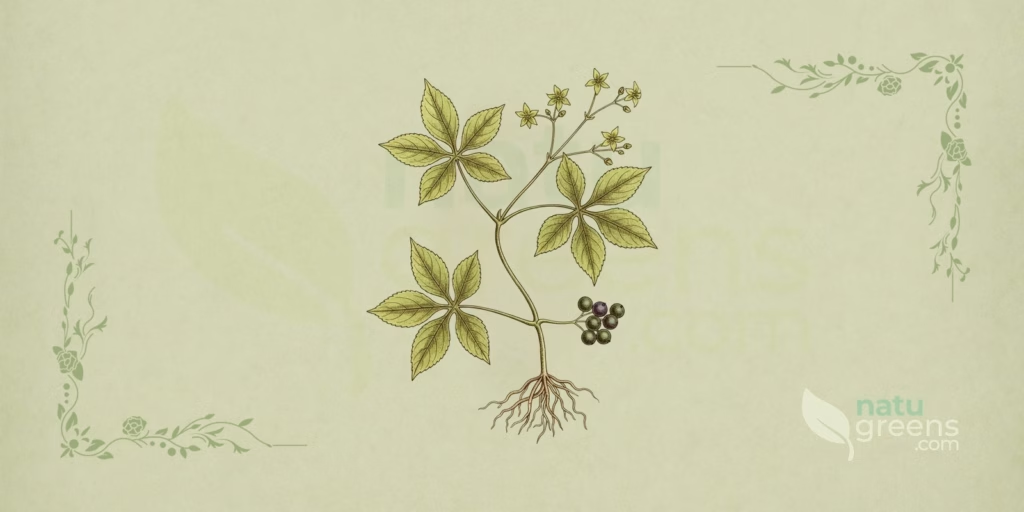
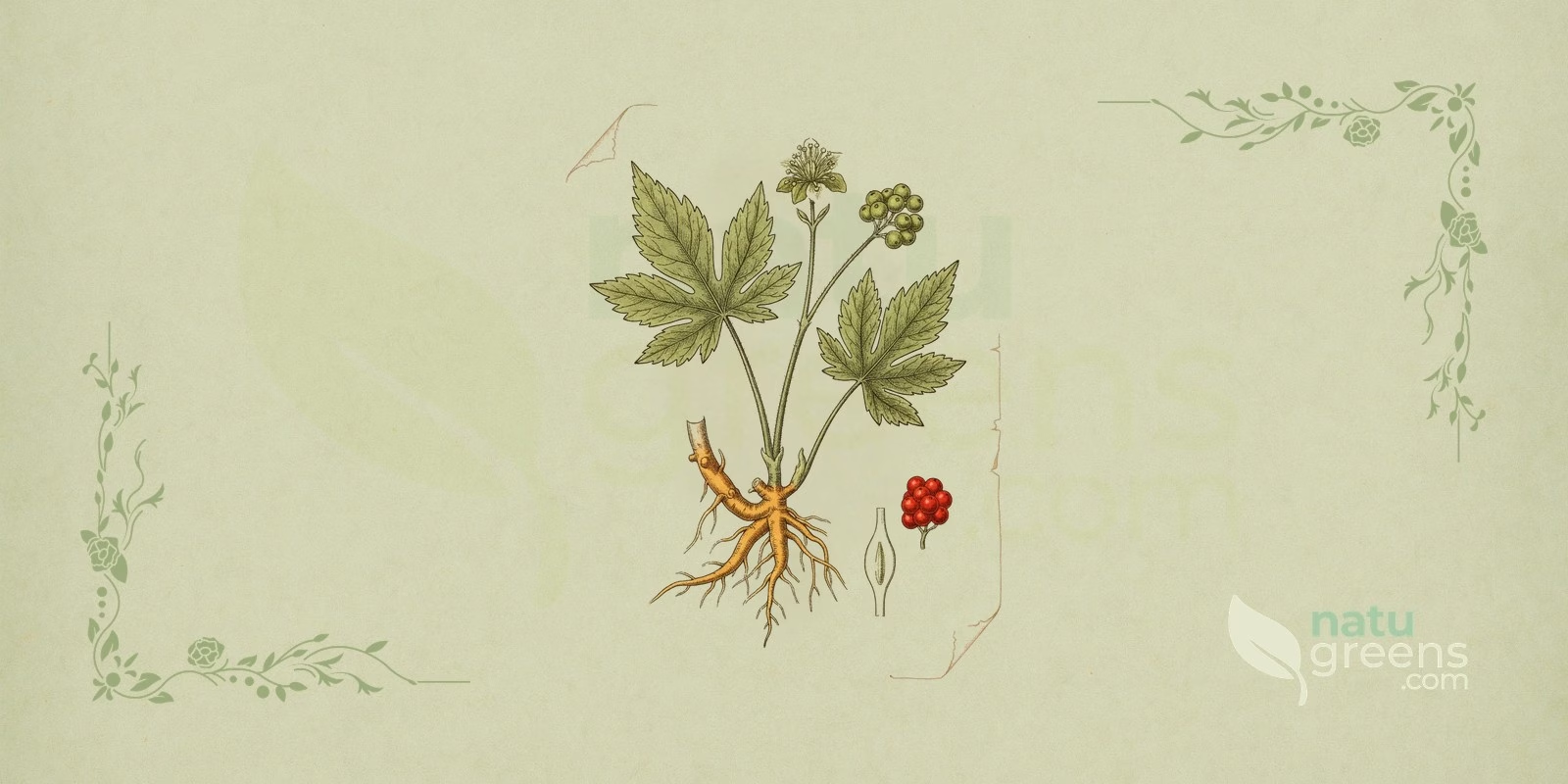
Hydrastis canadensis L. / Goldenseal, commonly known as goldenseal, orangeroot, or yellow puccoon, is a perennial herb native to the forests of North America. This plant, belonging to the Ranunculaceae family, has been prized for centuries for its medicinal properties, especially its golden yellow rhizome. Goldenseal has traditionally been used by various Native American tribes for a range of purposes and as a natural dye, cementing its place in herbal medicine.
Popular and International Names of Goldenseal
- English: eye balm, goldenseal, ground raspberry, orangeroot, wild curcuma, yellow eye, yellow puccoon, yellow root.
- Spanish: hidrastis, raíz amarilla, sello de oro.
- Portuguese: goldenseal, hidraste, raiz-amarela (Brazil); goldenseal, selo-dourado (Portugal).
- French: hydraste du canada, sceau d’or.
- Italian: idraste, sigillo d’oro.
- German: goldene siegel, kanadische gelbwurzel.
Botanical Synonyms of Hydrastis canadensis
Botanical synonyms for Hydrastis canadensis include Hydrastis trifolia, Warnera canadensis, and Warnera diphylla, names that, although Hydrastis canadensis L. is the accepted name, were used in various historical contexts. The Japanese plant formerly listed as Hydrastis palmatum is now classified under the genus Glaucidium palmatum, which clearly distinguishes it from the North American goldenseal.
Botanical Family: Ranunculaceae
Hydrastis canadensis belongs to the Ranunculaceae family, known as the buttercup family, which comprises around 2,500 species of herbaceous plants, shrubs, and climbers distributed mainly across temperate and cold regions of the Northern Hemisphere. Ranunculaceae are characterized by flowers with numerous stamens and carpels, and many of their species are recognized for medicinal or ornamental properties, such as hellebore and anemone, with the presence of alkaloids being common in the family and relevant to its pharmacological importance.
Parts of Goldenseal Used
- Rhizome (underground root)
Ethnobotanical and Traditional Uses
- Bitter tonic
- Digestive relief
- Diuretic
- Eyewash for ophthalmia
- Natural yellow dye
- Topical application for skin and ear infections
- Treatment of cancer (Cherokee use, not scientifically proven)
Therapeutic Properties of Goldenseal
- Anti-inflammatory (effect studied in reducing inflammation, especially in the digestive system)
- Antimicrobial (activity studied against bacteria and fungi)
- Astringent (contracts tissue and reduces secretions)
- Diuretic (effect studied on urine production)
- Tonic (traditional use to revitalize the body)
Detailed Phytochemical Profile of Goldenseal
- 8-oxotetrahydrothalifendine
- Isoquinoline alkaloids (berberastine, berberine, canadine, canalidine, hydrastine, hydrastinine, tetrahydroberberastine)
Preparation and Administration Forms of Goldenseal
- Capsules
- Dry extract
- Fluid extract
- Infusion (tea)
- Tincture
Synergy with Other Medicinal Plants
Immune and Antimicrobial Support
Goldenseal, rich in berberine, is traditionally combined with echinacea (Echinacea purpurea) for its potential to support the immune system against infections, since berberine has antimicrobial properties that complement the immune-stimulating effects of echinacea, making this pairing useful in cases of colds and respiratory infections. This combination is frequently used in phytotherapy to support the body’s response to pathogens, offering traditional support against a variety of ailments.
Digestive Health
For digestive disorders, goldenseal can be combined with ginger (Zingiber officinale) and licorice (Glycyrrhiza glabra): ginger aids digestion and eases nausea, while licorice offers anti-inflammatory and gastric mucosa protecting properties. Goldenseal’s astringent and anti-inflammatory action complements these effects, promoting a balanced digestive environment and easing symptoms such as dyspepsia and gastrointestinal inflammation, in a synergy aimed at restoring balance to the digestive tract.
Liver Support
The berberine found in goldenseal has shown potential to support liver function, and combining it with milk thistle (Silybum marianum), known for its hepatoprotective properties, can offer robust support for liver health. Milk thistle helps regenerate liver cells and protect against toxins, while goldenseal may assist with detoxification and reducing liver inflammation, making this synergy valuable for maintaining overall liver health.
Recipes and Usage Protocols of Goldenseal
Infusion for Digestive Support
Ingredients: 1 teaspoon of dried goldenseal rhizome (powdered or finely chopped), 200 ml of boiling water.
Preparation: Add the goldenseal rhizome to the boiling water, cover, and let it steep for 10 to 15 minutes before straining and drinking; it can be taken two to three times a day, before meals, as traditional support for digestion and relief of gastrointestinal inflammation. Because of its bitter taste, a little honey or lemon can be added to improve palatability. This infusion is traditionally used in cases of dyspepsia and mild gastritis, and it does not replace medical evaluation when symptoms persist.
Tincture for Antimicrobial Use
Ingredients: 1 part dried goldenseal rhizome (powdered or chopped), 5 parts alcohol at 60 to 70 percent (vodka or grain spirit).
Preparation: Place the rhizome in a glass jar and cover it with the alcohol; seal tightly and let it macerate for 2 to 4 weeks in a cool, dark place, shaking daily, then strain and store the tincture in a dark glass bottle. Because goldenseal has known toxicity and interacts with numerous medications, the internal dosage should be determined by a healthcare professional, diluting only a few drops in water solely under that guidance and for a short period, especially during active infections; consult a healthcare professional before beginning use.
Topical Wash for Skin Irritations
Ingredients: 1 tablespoon of dried goldenseal rhizome (powdered), 500 ml of water.
Preparation: Boil the goldenseal in the water for 10 minutes, let it cool, and strain before using this solution as a topical wash for skin irritations, minor wounds, or infections, applying with a clean compress two to three times a day. This preparation harnesses goldenseal’s astringent and antimicrobial properties to support healing and reduce inflammation on the skin, but it should not be applied to deep open wounds.
The preparations above follow traditional records and do not replace professional guidance. Before any internal use, check the contraindications and interactions described in this article.
Associated Therapies
Clinical Phytotherapy
In clinical phytotherapy, goldenseal is valued for its alkaloids, primarily berberine and hydrastine, to which antimicrobial and anti-inflammatory properties are attributed, and it is frequently used in the treatment of upper respiratory tract infections, gastrointestinal disorders, and as immune support. Standardized extracts are preferred to ensure accurate dosing of the active compounds, and prescription is always individualized, taking into account the patient’s condition and potential drug interactions, with supervision by a qualified healthcare professional being essential.
Homeopathy
In homeopathy, Hydrastis canadensis is a remedy used for conditions involving inflammation of the mucous membranes, especially in the gastrointestinal and respiratory tracts, and it is indicated for cases of thick, yellowish, viscous discharge, such as in chronic sinusitis, catarrh, and gastric ulcers, as well as liver problems and constipation. Homeopathic goldenseal is prepared through successive dilutions of the mother tincture, following homeopathic principles, and is administered in very low doses according to this specific therapeutic tradition.
Contraindications and Side Effects of Goldenseal
General Contraindications
Goldenseal is contraindicated in pregnant or breastfeeding women, since berberine can be harmful to newborns and can stimulate uterine contractions. People with a known allergy to plants in the Ranunculaceae family should avoid its use, and people with bleeding disorders or who take anticoagulants should exercise caution, since goldenseal may potentiate anticoagulant effects. It should not be given to children under 6 months without medical supervision, and patients with heart problems or unstable blood pressure should consult a doctor before use, due to its unpredictable effects on blood pressure.
Common Side Effects
Side effects can include digestive complaints such as nausea, vomiting, diarrhea, stomach cramps and pain, as well as nervousness, depression, constipation, and a racing heartbeat reported by some users. Topical application can cause skin irritation in sensitive individuals, and long-term use or high doses can lead to vitamin B deficiency, mouth ulcers, hallucinations, and delirium. In severe cases, high doses can cause respiratory problems and paralysis, which is why respecting recommended dosages is crucial.
Drug Interactions
Goldenseal can interact with a number of medications by altering their metabolism: it inhibits the activity of cytochrome P450 enzymes (CYP2D6, CYP3A4, and CYP3A5), which can affect the metabolism of antidepressants (including SSRIs, except fluvoxamine), antipsychotics, codeine, and metformin. Combining goldenseal with these medications should be done under medical supervision, as it can lead to toxicity, and goldenseal can also potentiate the effects of sedatives and anticoagulants. People taking diabetes medication should monitor their glucose levels, since goldenseal may have hypoglycemic effects, and long-term use can reduce the absorption of B-complex vitamins.
Historical Notes and Interesting Facts
History and Decline
Goldenseal became popular in the mid-nineteenth century, but its abundance declined sharply due to overharvesting and habitat destruction, so that by 1905 the plant was already far less common. It is currently listed under Appendix II of CITES (the Convention on International Trade in Endangered Species of Wild Fauna and Flora), which requires a permit for its export, and more than 60 million goldenseal plants are harvested each year without being replaced, raising serious concerns about its conservation and sustainability.
The Name and the Rhizome
The common name goldenseal comes from its underground rhizome, which is yellow with a golden sap; this thick, knotty rhizome is the most valued part of the plant for its medicinal properties, being the main source of bioactive alkaloids such as berberine and hydrastine. The rhizome’s intense yellow color also made it a popular natural dye in earlier times, used by various Indigenous cultures of North America to dye fabrics and other materials.
Alternatives to Goldenseal
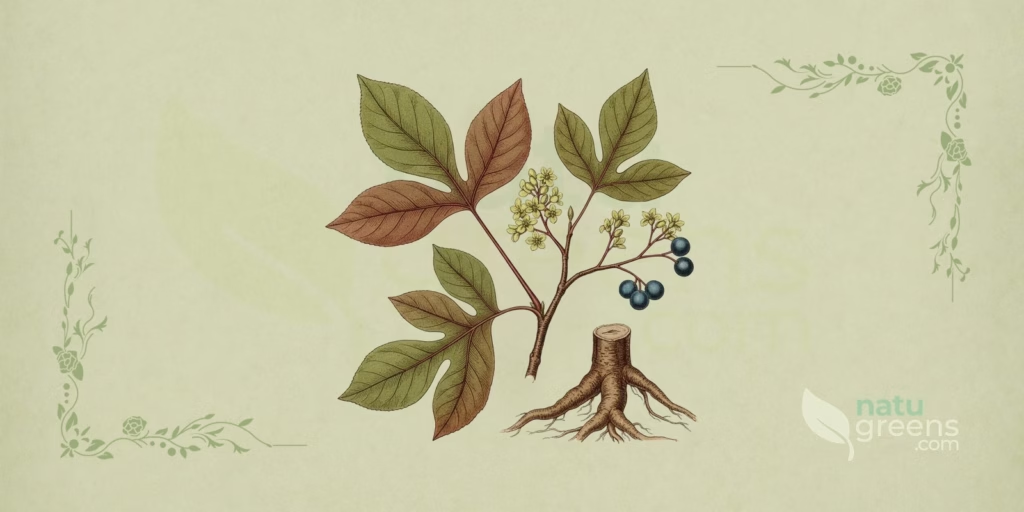
Due to concerns about goldenseal conservation, many herbalists and medicinal plant conservation organizations encourage the use of sustainable alternatives. Plants that contain berberine, such as Coptis chinensis (Chinese goldthread), Mahonia aquifolium (Oregon grape root), and Xanthorhiza simplicissima (yellowroot), can serve as substitutes, as they offer similar medicinal properties, especially regarding berberine’s antimicrobial and anti-inflammatory action, helping to relieve pressure on wild goldenseal populations and to promote more ethical and sustainable harvesting practices.
Frequently Asked Questions about Goldenseal
What Is Goldenseal Used For?
Goldenseal is traditionally used for a variety of conditions, including upper respiratory tract infections, digestive problems, inflammation, and as immune support. Its antimicrobial and anti-inflammatory properties, attributed mainly to the alkaloids berberine and hydrastine, make it useful against bacteria and fungi, as well as in relieving irritation of the mucous membranes, although the scientific evidence for many of these uses is still limited and more research is needed to confirm its effectiveness.
Is Goldenseal Safe for Children?
Goldenseal should not be given to children under 6 months of age, and for older children it should be used with extreme caution and always under medical supervision, due to the potential for side effects and drug interactions. Berberine, one of its main active components, can be harmful to newborns and infants, which makes it essential to consult a healthcare professional before considering the use of goldenseal in any pediatric age group.
What Are the Side Effects of Goldenseal?
Side effects of goldenseal can include digestive problems such as nausea, vomiting, diarrhea, and stomach cramps, as well as nervousness, depression, constipation, a racing heartbeat, and mouth ulcers reported in some cases. At high doses or with prolonged use, it can cause vitamin B deficiency, hallucinations, delirium, and respiratory problems, so it is crucial to respect recommended dosages and seek medical guidance if any adverse reaction occurs.
Does Goldenseal Interact with Medications?
Yes, goldenseal can interact significantly with a number of medications, as it inhibits cytochrome P450 enzymes (CYP2D6, CYP3A4, and CYP3A5) responsible for metabolizing many drugs, including antidepressants, antipsychotics, codeine, and metformin, which can raise blood levels of these medications and lead to toxicity. It can also potentiate the effects of sedatives and anticoagulants, so anyone taking medication should consult a healthcare professional before using goldenseal to avoid dangerous interactions.
Can Goldenseal Be Used During Pregnancy or Breastfeeding?
No: goldenseal is contraindicated during pregnancy and breastfeeding, since berberine, one of its active components, can cross the placenta and be harmful to the fetus, and it can also stimulate uterine contractions. During breastfeeding, berberine can be transferred into breast milk and cause jaundice in newborns, so the use of goldenseal during these periods should be strictly avoided unless specifically recommended and supervised by a doctor.
Notice: this content is for informational purposes and does not replace professional medical advice. Consult a physician or herbal practitioner before using medicinal plants, especially during pregnancy, breastfeeding, or alongside medication.
References and Scientific Studies
Peer-Reviewed Scientific Studies (4)
- PMC2020 Mandal, S. K., et al. (2020). Goldenseal (Hydrastis canadensis L.) and its active constituents: A critical review of their efficacy and toxicological issues. PubMed. ↗
- PMC2010 Douglas, J. A., et al. (2010). Seasonal variation of biomass and bioactive alkaloid content of goldenseal, Hydrastis canadensis. Fitoterapia, 81(7), 925-928. ↗
- DOI2011 Dunnick, J. K. (2011). Investigating the Potential for Toxicity from Long-Term Use of the Herbal Products, Goldenseal and Milk Thistle. Toxicologic Pathology. ↗
- DOI2005 Gurley, B. J., et al. (2005). In vivo effects of goldenseal, kava kava, black cohosh, and valerian on human cytochrome P450 1A2, 2D6, 2E1, and 3A4/5 phenotypes. Clinical Pharmacology & Therapeutics. ↗
Institutional Sources (1)
- GOV National Center for Complementary and Integrative Health (NCCIH). (n.d.). Goldenseal: Usefulness and Safety. Recuperado de ↗