Hericium erinaceus / Lion’s Mane, a remarkable medicinal mushroom, has been revered for centuries in traditional Asian medicine for its therapeutic properties. Popularly known as Lion’s Mane because of its distinctive appearance, this fungus has gained global attention for its potential health benefits, especially in supporting brain and nerve function. Its use as a natural resource ranges from supporting cognition to aiding digestive and cardiovascular health, making it a subject of growing scientific and popular interest.
Popular and International Names of Lion’s Mane
- English: Beard Mushroom, Hedgehog Mushroom, Lion’s Mane Mushroom.
- Spanish: Hongo Melena de León, Melena de León.
- Portuguese: Cogumelo Juba de Leão, Juba de Leão.
- French: Crinière de Lion, Hydne Hérisson.
- Italian: Criniere di Leone, Fungo Criniera di Leone.
- German: Igelstachelbart, Löwenmähne.
Botanical Synonyms of Hericium Erinaceus
Hericium erinaceus (Bull.) Pers. is the accepted scientific name for this mushroom. Other synonyms include Hydnum erinaceus Bull. and Dryodon erinaceus (Bull.) P. Karst.
Botanical Family: Hericiaceae
Hericium erinaceus belongs to the Hericiaceae family, part of the order Russulales. This family is known for producing mushrooms with spiny or tooth-like structures, rather than the typical gills. Members of this family are saprotrophs or parasites, growing on dead or living wood, and are valued for both their culinary and medicinal qualities.
Parts of Lion’s Mane Used
- Fruiting body (mushroom)
- Mycelium
Ethnobotanical and Traditional Uses
- Anxiety and depression reduction
- Cognitive function support
- Digestive improvement
- Immune system strengthening
- Treatment of neurological disorders
Therapeutic Properties of Lion’s Mane
- Anti-inflammatory (effect studied in reducing inflammation in the body)
- Antidiabetic (effect studied on blood sugar levels)
- Antioxidant (activity studied against free radicals and oxidative stress)
- Antiproliferative (activity observed in laboratory studies, without clinical confirmation)
- Immunomodulatory (effect studied on and strengthens the immune system)
- Neuroprotective (protective effect studied on neurons and promotes neurogenesis)
Detailed Phytochemical Profile of Lion’s Mane
Hericium erinaceus is rich in bioactive compounds that contribute to its medicinal properties. The main phytochemicals include:
- Diterpenes (with anti-inflammatory and antioxidant properties)
- Erinacines (compounds that stimulate nerve growth factor – NGF)
- Hericenones (compounds that also stimulate NGF)
- Polysaccharides (beta-glucans, with studied immunomodulatory effects and antitumor activity observed in the laboratory, without clinical confirmation)
- Sterols (such as ergosterol, a precursor of vitamin D)
Preparation and Administration Forms of Lion’s Mane
Lion’s Mane can be consumed in several forms to take advantage of its potential benefits. The choice of preparation method depends on the purpose and individual preference.
- Capsules/Powder: Convenient supplementation forms, generally standardized.
- Culinary: The fresh mushroom can be cooked and added to dishes.
- Tea/Infusion: Dried slices of the mushroom can be steeped in hot water.
- Tincture: Concentrated alcoholic extracts of the fruiting body or mycelium.
Synergy with Other Medicinal Plants
Lion’s Mane and Bacopa Monnieri
The combination of Lion’s Mane with Bacopa monnieri is studied for its possible effect on neuroprotection and memory. While Lion’s Mane is associated with stimulating nerve growth, Bacopa is associated with synaptic transmission and information retention, forming a synergy of interest for cognitive health.
Lion’s Mane and Ginkgo Biloba
The synergy between Lion’s Mane and Ginkgo biloba is studied for its possible effect on cerebral circulation and cognitive function. Ginkgo is associated with increased blood flow to the brain, complementing the neuroregenerative action attributed to Lion’s Mane.
Recipes and Usage Protocols of Lion’s Mane
Lion’s Mane Tea for Focus and Concentration
To prepare a tea that supports focus and concentration, use 1 to 2 grams of dried Lion’s Mane mushroom (in slices or powder) per cup of hot water. Let it steep for 10 to 15 minutes. Honey or lemon may be added to taste. Consume once or twice a day, preferably in the morning or before activities that require concentration.
Lion’s Mane Extract for Neurological Support
For neurological support, standardized extracts in capsules or tinctures are frequently used, but since human research on the ideal dose is still limited, the amount should follow the manufacturer’s instructions and be adjusted with the support of a healthcare professional, who can advise on the most suitable dosage and daily division for each case.
The preparations above follow traditional records and do not replace professional guidance. Before any internal use, consult the contraindications and interactions described in this article.
The preparations above follow traditional records and do not replace professional guidance. Before any internal use, check the contraindications and interactions described in this article.
Associated Therapies
Aromatherapy
Aromatherapy with essential oils such as rosemary or peppermint can complement the effects of Lion’s Mane in improving focus and mental clarity. Inhaling these oils can stimulate brain activity and reduce stress, creating an environment conducive to the mushroom’s action.
Meditation
Regular practice of meditation and mindfulness can amplify the benefits of Lion’s Mane in reducing anxiety and improving cognitive function. Meditation helps calm the mind and increase awareness, enhancing the neuroplasticity and brain resilience promoted by the mushroom.
Nutrition
A diet rich in omega-3 fatty acids, antioxidants, and B-complex vitamins, such as the Mediterranean diet, can optimize the effects of Lion’s Mane on brain health. These nutrients provide the support needed for neuronal function and protection against oxidative stress.
Contraindications and Side Effects of Lion’s Mane
Although Hericium erinaceus is generally considered safe, some precautions are necessary. People with mushroom allergies should avoid consuming it. There are isolated reports of allergic reactions, such as breathing difficulty and skin rashes. No serious adverse effects have been observed in animal studies, even at high doses. However, human research is still limited, and it is advisable to consult a healthcare professional before starting supplementation, especially for pregnant women, breastfeeding mothers, or individuals with pre-existing medical conditions.
Historical Notes and Interesting Facts
The Mushroom of Immortality
In traditional Chinese medicine, Lion’s Mane is sometimes referred to as a “mushroom of immortality” because of its potential benefits for longevity and brain health. Its centuries-old reputation in Asia reflects the belief in its rejuvenating and protective properties.
A Name Inspired by Nature
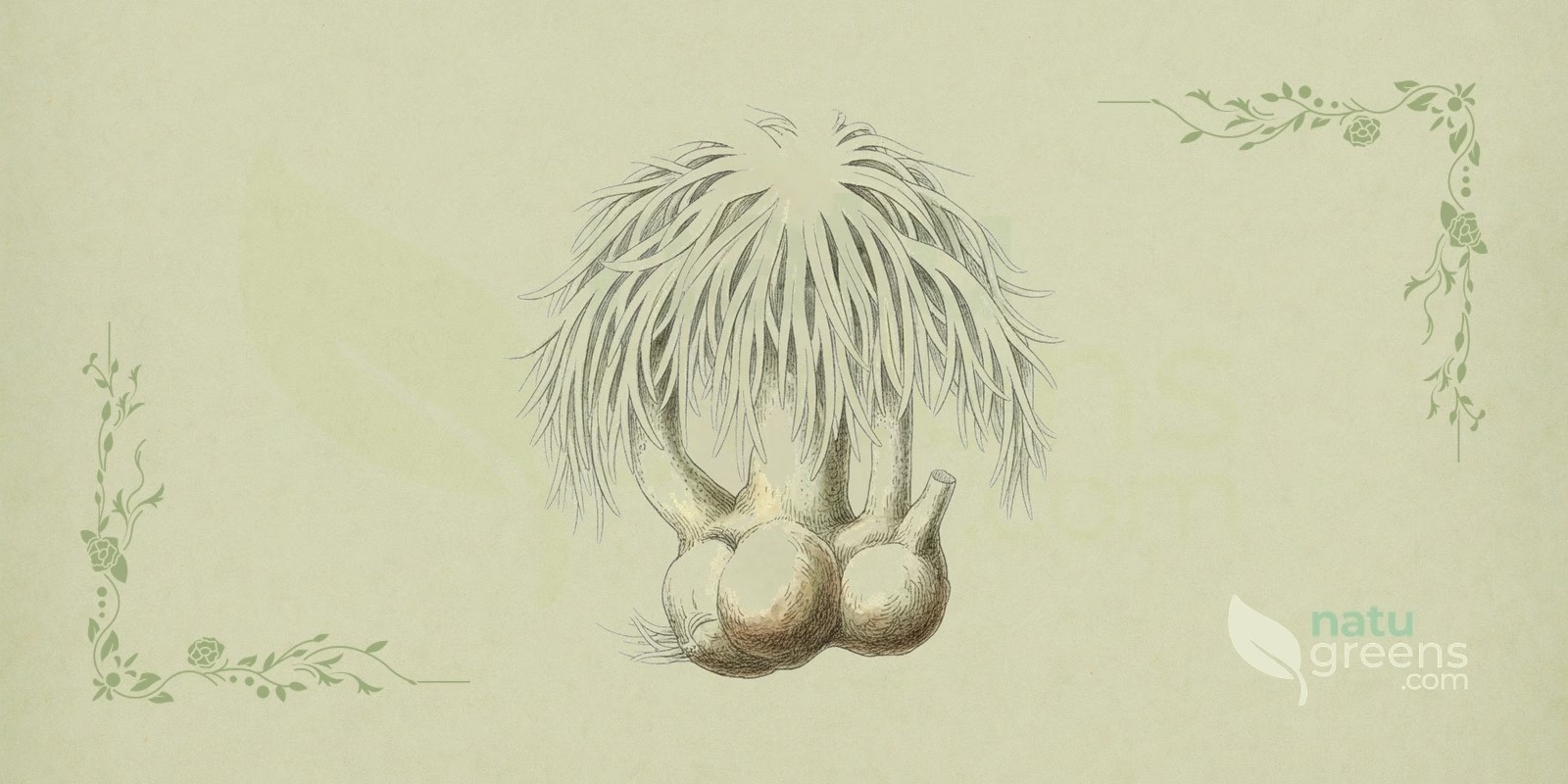
The popular name “Lion’s Mane” is a vivid description of its appearance. It resembles a cascade of soft white spines, reminiscent of a lion’s mane or marine corals. This distinctive feature makes it easily recognizable in nature.
Frequently Asked Questions About Lion’s Mane
Can Lion’s Mane Be Consumed Daily?
Yes, Lion’s Mane can be consumed daily as part of a wellness routine. However, it is always advisable to follow the dosages recommended by manufacturers or consult a healthcare professional for personalized guidance, especially in cases of prolonged use or specific health conditions.
What Are the Main Benefits of Lion’s Mane for the Brain?
The main benefits of Lion’s Mane for the brain include support for cognitive function, memory, focus, and concentration. It stimulates the production of Nerve Growth Factor (NGF), which is important for neuron health and regeneration, and may help prevent neurodegenerative diseases and support recovery from nerve damage.
Does Lion’s Mane Interact With Medications?
Although Lion’s Mane is generally safe, there is a possibility of interaction with certain medications, especially anticoagulants, due to its potential to reduce blood clotting. If you are taking medication, it is essential to consult a doctor or pharmacist before starting Lion’s Mane supplementation to avoid adverse interactions.
What Are the Contraindications of Lion’s Mane?
Lion’s Mane is considered safe for most people, but it should be avoided by those with mushroom allergies, since there are isolated reports of allergic reactions, such as breathing difficulty and skin rashes. Pregnant women, breastfeeding mothers, and people with pre-existing medical conditions should consult a healthcare professional before starting supplementation, since human research is still limited.
How Do You Prepare Lion’s Mane Tea?
Lion’s Mane tea is prepared with 1 to 2 grams of the dried mushroom, in slices or powder, per cup of hot water, steeped for 10 to 15 minutes; honey or lemon can be added to taste, and it can be consumed once or twice a day, preferably in the morning or before activities that require concentration.
Does Lion’s Mane Combine Well With Other Supplements?
Yes, Lion’s Mane is traditionally combined with Bacopa monnieri to enhance neuroprotective and memory effects, and with Ginkgo biloba to support cerebral circulation, combinations studied for their potential to add up cognitive benefits.
Notice: this content is for informational purposes and does not replace professional medical advice. Consult a physician or herbal practitioner before using medicinal plants, especially during pregnancy, breastfeeding, or alongside medication.
References and Scientific Studies
Peer-Reviewed Scientific Studies (1)
- PEER2009
Mori, K., et al. (2009). Improving effects of the mushroom Yamabushitake (Hericium erinaceus) on mild cognitive impairment: a double-blind placebo-controlled study. Phytotherapy Research, 23(3), 367-372. Link
Supplementary Readings (3)
- 2013
Lai, P. L., et al. (2013). Neurotrophic properties of the Lion’s Mane medicinal mushroom, Hericium erinaceus (Higher Basidiomycetes) from Malaysia. International Journal of Medicinal Mushrooms, 15(6), 539-554. Link
- 2010
Nagano, M., et al. (2010). Reduction of depression and anxiety by 4 weeks Hericium erinaceus intake. Biomedical Research, 31(4), 231-237. Link
- 2014
Ren, Y., et al. (2014). Hericium erinaceus: an edible mushroom with medicinal values. Journal of Clinical and Experimental Pharmacology, 4(5), 1000160. Link