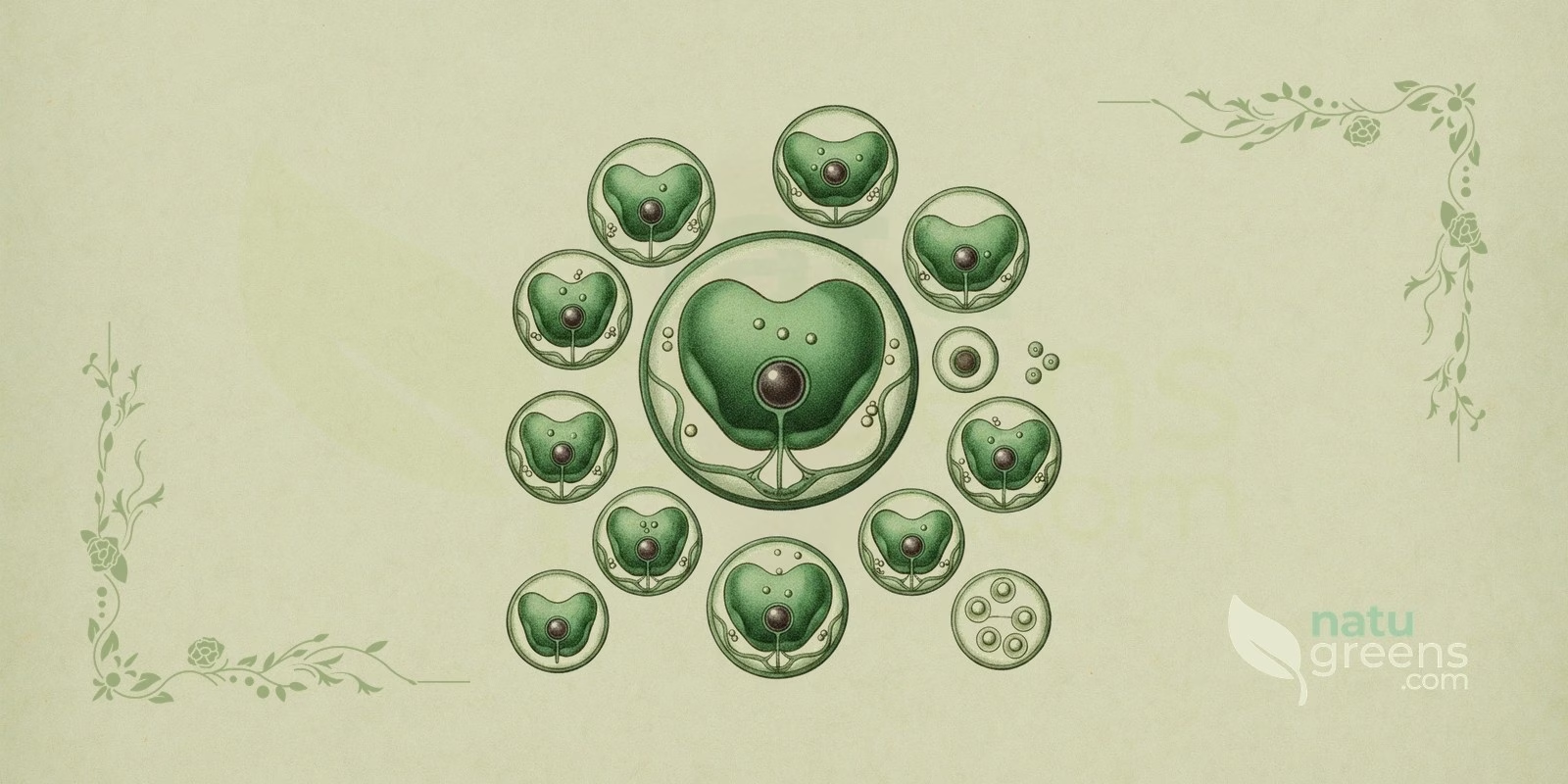
Chlorella vulgaris Beijerinck / Chlorella is a unicellular green microalga in the division Chlorophyta. It was discovered in 1890 by Martinus Willem Beijerinck, who recognized it as the first microalga with a well-defined nucleus. Chlorella vulgaris is the type species of the genus Chlorella, widely distributed across freshwater and terrestrial habitats. Its spherical cells measure between 4 and 10 μm in diameter and contain a single pea-green, cup-shaped chloroplast with one pyrenoid. German scientists in the 1990s noted its high protein content, which led to its consideration as a new food source. Japan is currently the largest consumer of Chlorella, both for nutritional and therapeutic purposes, and it is used worldwide as a dietary supplement or protein-rich food additive.
Popular and International Names of Chlorella
- English: chlorella, green algae.
- Spanish: alga verde, clorela.
- Portuguese: chlorella, clorela.
- French: algue verte, chlorelle.
- Italian: alga verde, clorella.
- German: Chlorella, Grünalge.
Botanical Synonyms of Chlorella vulgaris
Botanical synonyms for Chlorella vulgaris are less common due to its classification as the type species. However, some earlier varieties and classifications can be found in the literature. These include Chlorella vulgaris var. viridis Chodat and Chlorella ellipsoidea Gerneck, which were considered synonyms in different taxonomic contexts. Precise identification is crucial to avoid confusion with other microalgae species.
Botanical Family: Chlorophyta
Chlorella vulgaris belongs to the division Chlorophyta, which encompasses the green algae. This division is characterized by the presence of chlorophyll a and b, starch as a storage substance, and cell walls composed of cellulose. Green algae are a diverse group, ranging from unicellular forms to complex multicellular organisms. Chlorophyta plays a fundamental role in aquatic and terrestrial ecosystems, contributing significantly to primary production and nutrient cycling. Its photosynthetic capacity is essential to sustaining life on the planet.
Parts of Chlorella Used
- Biomass (whole cells)
- Extracts
- Powder
Ethnobotanical and Traditional Uses
- Digestive support
- General nutritional support
- Heavy metal detoxification
- Immune system support
Therapeutic Properties of Chlorella
- Antioxidant (activity studied against free radicals and oxidative stress)
- Cardioprotective (protective effect studied on cardiovascular health)
- Detoxifying (helps eliminate toxins and heavy metals)
- Hypocholesterolemic (contributes to cholesterol reduction); traditional use, without established clinical efficacy
- Hypoglycemic (effect studied on blood sugar levels)
- Immunomodulatory (effect studied on and supports the immune system)
- Nutritional (rich in essential proteins, vitamins, and minerals)
Detailed Phytochemical Profile of Chlorella
- Alpha-tocopherol
- Astaxanthin
- B-complex vitamins
- Beta-carotene
- Biotin
- Canthaxanthin
- Carbohydrates (12-55% of dry weight)
- Chlorophyll-a
- Chlorophyll-b
- Folate
- Growth factors
- Iron (Fe)
- Lipids (5-40% of dry mass)
- Lutein
- Magnesium (Mg)
- Menadione
- Minerals (Ca, K, Na, P)
- Polysaccharides
- Proteins (42-58% of dry weight)
- Vitamin C
- Vitamin D
Preparation and Administration Forms of Chlorella
- Capsules
- Liquid extracts
- Powder (added to juices, smoothies, or foods)
- Tablets
Synergy with Other Medicinal Plants
Detoxification and Liver Support
Chlorella vulgaris can be combined with milk thistle (Silybum marianum) and dandelion (Taraxacum officinale) to enhance detoxifying effects. Milk thistle, rich in silymarin, protects and regenerates the liver, while dandelion stimulates biliary and diuretic function. Chlorella, with its ability to chelate heavy metals and toxins, complements these plants, offering comprehensive support for detoxification and liver health. This synergy is beneficial for eliminating harmful substances from the body.
Energy and Vitality
To boost energy and vitality, Chlorella can be paired with ginseng (Panax ginseng) and spirulina (Arthrospira platensis). Ginseng is an adaptogen traditionally associated with supporting resistance to stress and cognitive function. Spirulina, another nutrient-rich microalga, complements Chlorella’s nutritional profile, providing additional proteins and vitamins. This combination is traditionally used as a natural energy boost, offering support for physical and mental endurance and overall well-being, and is suited to periods of greater demand.
Immune Support
Chlorella vulgaris, together with echinacea (Echinacea purpurea) and astragalus (Astragalus membranaceus), can strengthen the immune system. Echinacea is known for its immunostimulant properties, while astragalus is an adaptogen that supports long-term immune function. Chlorella, with its polysaccharides and growth factors, works synergistically with these plants, promoting a robust immune response and helping the body fight infections. This combination is particularly useful during seasons of higher disease incidence.
Recipes and Usage Protocols of Chlorella
Morning Energy Smoothie
Ingredients: 1 teaspoon of Chlorella powder, 1 banana, 200 ml of plant-based milk (almond, oat), 1 tablespoon of chia seeds, honey or dates to taste.
Preparation: Combine all ingredients in a blender and mix until smooth and even in texture. Drink immediately in the morning for a boost of energy and nutrients. This smoothie is an excellent way to incorporate Chlorella into the daily diet, providing proteins, vitamins, and minerals essential for starting the day with vitality. It can be adapted with other fruits and vegetables.
Detoxifying Facial Mask
Ingredients: 1 tablespoon of Chlorella powder, 2 tablespoons of filtered water or hydrosol (rose water, lavender).
Preparation: Mix the Chlorella powder with the water or hydrosol until a smooth paste forms. Apply to clean, dry skin, avoiding the eye and lip area. Leave on for 10-15 minutes and rinse thoroughly with warm water. This mask helps cleanse the skin, remove impurities, and provide a healthy glow. Chlorella is rich in chlorophyll and antioxidants, which benefit skin health.
Post-Workout Detox Shot
Ingredients: 1/2 teaspoon of Chlorella powder, 50 ml of fresh lemon juice, 50 ml of coconut water, a pinch of grated ginger.
Preparation: Mix all ingredients in a small glass and drink right away. This shot is typically consumed after physical exercise, serving as support for hydration and the body’s natural detoxification process. The lemon juice and ginger complement Chlorella’s properties, helping to reduce the sensation of bloating and support post-workout well-being. It is a quick and practical way to replenish fluids and nutrients.
The preparations above follow traditional records and do not replace professional guidance. Before any internal use, check the contraindications and interactions described in this article.
Associated Therapies
Orthomolecular Nutrition
In orthomolecular nutrition, Chlorella vulgaris is valued for its complete nutritional profile and its capacity to support cellular detoxification. It is often recommended as a superfood to optimize the intake of vitamins, minerals, proteins, and antioxidants. Chlorella helps restore the body’s biochemical balance, promoting health at the cellular level. Its richness in chlorophyll is considered beneficial for blood oxygenation and purification, making it a key component in detoxification and revitalization protocols. Supplementation with Chlorella is individualized.
Chelation Therapy
Chlorella vulgaris is widely used in natural chelation therapies due to its ability to bind heavy metals such as mercury, lead, and cadmium and help remove them from the body. Chlorella’s cell wall contains polysaccharides and other substances that act as chelating agents, preventing the reabsorption of toxins in the gastrointestinal tract. This therapy is often used in cases of heavy metal exposure or for general detoxification support. Its effectiveness is enhanced when combined with other chelating agents and a nutrient-rich diet. Professional supervision is essential.
Contraindications and Side Effects of Chlorella
General Contraindications
Chlorella vulgaris is generally considered safe, but there are some contraindications. Individuals with a known allergy to algae or any component of Chlorella should avoid its consumption. People with autoimmune diseases, such as lupus or rheumatoid arthritis, should consult a healthcare professional before use, as Chlorella may stimulate the immune system. Pregnant or breastfeeding women, and young children, should use it with caution and under medical guidance, due to a lack of conclusive studies on safety in these groups. Patients undergoing treatment with immunosuppressants should also avoid its use.
Common Side Effects
Side effects of Chlorella vulgaris are generally mild and transient. They can include gastrointestinal discomfort, such as nausea, diarrhea, gas, and abdominal cramps, especially at the start of treatment. These symptoms are often attributed to the detoxification process and the body’s adaptation. Skin reactions, such as rashes or sensitivity, are rare. Chlorella may cause sensitivity to sunlight in some individuals, so using sunscreen is advisable. It is important to start with low doses and increase gradually to minimize these effects. Adequate hydration is recommended.
Drug Interactions
Chlorella vulgaris may interact with certain medications. Due to its high vitamin K content, it can antagonize the effects of anticoagulants such as warfarin, increasing the risk of blood clots. Patients using immunosuppressants should avoid Chlorella, as it may stimulate the immune system and reduce the effectiveness of these medications. It may also interact with diabetes medications, enhancing the hypoglycemic effect and requiring monitoring of glucose levels. It is essential to inform your doctor about Chlorella use, especially if taking other medications, to avoid adverse interactions and ensure treatment safety.
Historical Notes and Interesting Facts
Superfood of the Future
Chlorella vulgaris is often hailed as a superfood due to its exceptionally rich nutritional profile, containing all essential amino acids, a wide range of vitamins (including B12, which is rare in plants), minerals, and antioxidants. Its ability to grow quickly in controlled environments makes it a promising candidate for global food security, especially in scenarios of resource scarcity. Ongoing research explores its potential to combat malnutrition and provide a sustainable source of high-quality nutrients, reinforcing its image as a food of the future capable of sustaining growing populations.
Detoxification Power
One of the most notable characteristics of Chlorella vulgaris is its ability to detoxify the body. Its unique cell wall, composed of several layers of polysaccharides and glycoproteins, has a strong affinity for binding to heavy metals, pesticides, and other environmental toxins. This property makes it an effective agent for removing harmful substances from the body, supporting internal cleansing processes. Chlorella is often used in detoxification protocols for people exposed to pollutants or for those seeking a general body cleanse, with its chelating action being the focus of many scientific studies.
Rich in Chlorophyll
Chlorella vulgaris is one of the richest sources of chlorophyll on the planet, which gives it its intense green color. Chlorophyll is known for its health benefits, including promoting blood oxygenation, supporting liver function, and protecting against cellular damage. The high concentration of chlorophyll in Chlorella contributes to its detoxifying and antioxidant properties, helping purify the blood and strengthen the immune system, with this vital green pigment being one of the main components that make Chlorella such a valued superfood in nutrition and natural medicine.
Frequently Asked Questions about Chlorella
Is Chlorella Safe for Daily Consumption?
Yes, Chlorella vulgaris is generally considered safe for daily consumption by most people. However, it is advisable to start with a low dose and increase it gradually to allow the body to adapt. Some people may experience mild side effects, such as bloating, gas, or diarrhea at first. Pregnant women, breastfeeding mothers, and individuals with pre-existing medical conditions should consult a healthcare professional before starting supplementation. Product quality is also crucial; choose Chlorella from reliable sources to ensure purity and the absence of contaminants.
What Are the Main Benefits of Chlorella?
The main benefits of Chlorella vulgaris include detoxification of heavy metals and toxins, strengthening of the immune system, improved digestion, support for cardiovascular health, and increased energy and vitality. It is a rich source of proteins, vitamins (such as B12), minerals (iron, magnesium), and antioxidants, contributing to overall health and well-being. Chlorella may also help regulate blood sugar and cholesterol levels, in addition to having anti-inflammatory properties. Its benefits span several areas of health.
How Should I Store Chlorella?
Chlorella, whether in powder, capsule, or tablet form, should be stored in a cool, dry, dark place, away from direct sunlight and moisture. Keeping the container tightly closed after each use is essential to preserve its freshness and potency. Refrigeration is not strictly necessary but can extend the product’s shelf life, especially in hot and humid climates. Avoid storing Chlorella near heat sources or in places with large temperature variations. Proper storage ensures that the nutrients and bioactive compounds remain intact.
Who Should Avoid Consuming Chlorella?
People with a known allergy to algae, those with autoimmune diseases such as lupus and rheumatoid arthritis, since it may stimulate the immune system, and patients undergoing treatment with immunosuppressants should avoid Chlorella or use it only under medical guidance. Pregnant or breastfeeding women and young children should also exercise additional caution, given the lack of conclusive studies on Chlorella’s safety in these specific groups.
Can Chlorella Interact with Medications?
Yes, Chlorella can mainly interact with anticoagulants such as warfarin, whose effect can be antagonized by the microalga’s high vitamin K content, increasing the risk of clots. It can also reduce the effectiveness of immunosuppressants and enhance diabetes medications, making glucose level monitoring necessary. Therefore, it is essential to inform your doctor about Chlorella use before combining it with any ongoing treatment.
What Are the Ways to Consume Chlorella?
Chlorella can be found in capsules, tablets, liquid extracts, and powder form, which is often added to juices, smoothies, or other foods throughout the day. Each format offers the same nutritional biomass of the microalga, leaving it up to the individual to choose the most practical presentation for their routine, always following the recommendation to start with low doses.
Notice: this content is for informational purposes and does not replace professional medical advice. Consult a physician or herbal practitioner before using medicinal plants, especially during pregnancy, breastfeeding, or alongside medication.
References and Scientific Studies
View All 8 Cited References
Peer-Reviewed Scientific Studies (7)
- PEER2014 Safi C, Zebib B, Merah O, Pontalier PY, Vaca-Garcia C, et al. Morphology, composition, production, processing and applications of Chlorella vulgaris: A review. Renewable and Sustainable Energy Reviews. 2014.
- PMC2016 Panahi Y, Darvishi B, Jowzi N, Beiraghdar F, Sahebkar A, et al. Chlorella vulgaris: A Multifunctional Dietary Supplement with Diverse Medicinal Properties. Current Pharmaceutical Design. 2016.
- DOI2015 Kumudha A, Selvakumar S, Dilshad P, Vaidyanathan G, Thakur MS, et al. Methylcobalamin, a form of vitamin B12 identified and characterised in Chlorella vulgaris. Food Chemistry. 2015.
- PMC2020 Aigner S, Glaser K, Arc E, Holzinger A, Schletter M, et al. Adaptation to Aquatic and Terrestrial Environments in Chlorella vulgaris (Chlorophyta). Frontiers in Microbiology. 2020.
- PMC2024 Wang CA, Onyeaka H, Miri T, Soltani F, et al. Chlorella vulgaris as a food substitute: Applications and benefits in the food industry. Journal of Food Science. 2024.
- DOI2008 Morris HJ, Almarales A, Carrillo O, Bermúdez RC, et al. Utilisation of Chlorella vulgaris cell biomass for the production of enzymatic protein hydrolysates. Bioresource Technology. 2008.
- DOI2017 Freitas HR. Chlorella vulgaris as a Source of Essential Fatty Acids and Micronutrients: A Brief Commentary. The Open Plant Science Journal. 2017.
Supplementary Readings (1)
- 1994 Becker EW. Microalgae: biotechnology and microbiology. Cambridge University Press. 1994.