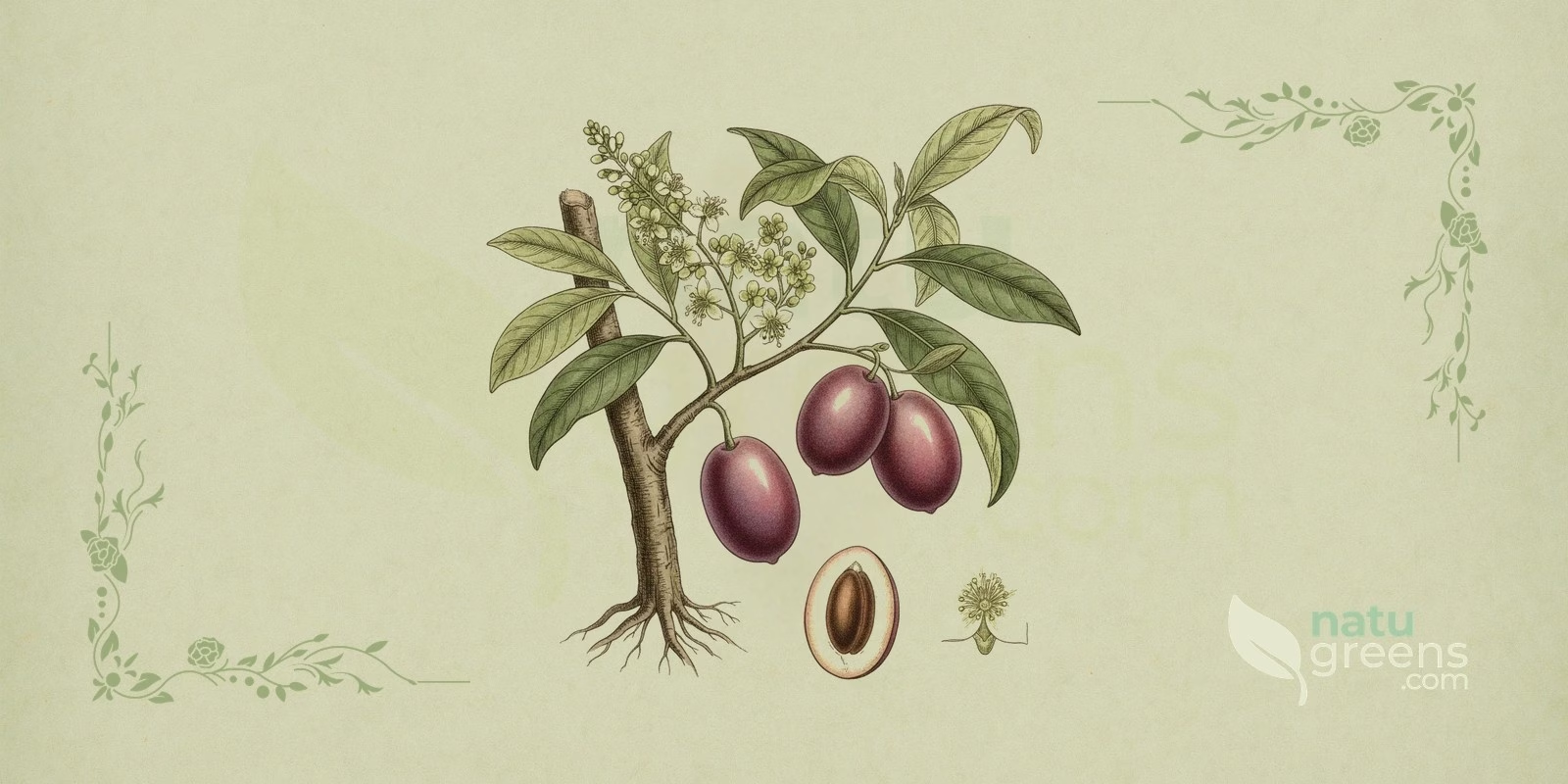
Canarium luzonicum (Blume) A. Gray / Elemi, a resin-producing tree native to the Philippines, holds a prominent place in medicinal flora for its aromatic resin of recognized traditional value. The species has been revered for centuries, not only in traditional medicine but also in rituals and wellness practices. Its resin, known as Manila elemi, carries a rich phytochemical profile that supports its many applications. From ancient Egypt, where it was used in embalming processes and skin care, to the present day, elemi remains a valued resource for well-being.
Popular and International Names of Elemi
- English: elemi, Manila elemi-tree.
- Spanish: árbol a brea, elemi.
- Portuguese: elemi, elemi-de-Manilha.
- French: arbre à baume, élémi.
- Italian: elemi.
- German: Elemiharz.
Botanical Synonyms of Canarium luzonicum
Although Canarium luzonicum (Blume) A. Gray is the most widely accepted botanical name, the plant is sometimes referred to by less common synonyms or taxonomic variations. Accurate identification is crucial to ensure the authenticity and quality of derived products. Scientific literature may occasionally list Canarium commune L. as a synonym, although most modern sources recognize it as a distinct but related species within the same genus.
Botanical Family: Burseraceae
Canarium luzonicum belongs to the Burseraceae family, known as the frankincense and myrrh family. This family is made up of trees and shrubs that produce aromatic resins, many of which are valued for their medicinal properties and uses in perfumery. Burseraceae is predominantly found in tropical and subtropical regions of Africa, Asia, and the Americas. Plants of this family are characterized by resin channels in the bark, leaves, and fruit, which exude gums and essential oils with distinctive fragrances. The chemical diversity of the Burseraceae family has been the subject of intense research, revealing a wide range of bioactive compounds with therapeutic potential.
Parts of Elemi Used
- Bark
- Essential oil
- Resin (oleoresin)
Ethnobotanical and Traditional Uses
Elemi has a rich history of ethnobotanical use, especially in the Philippines, where it is native. Traditionally, the resin has been applied topically in ointments and poultices to support the healing of skin wounds. In ancient Egypt, elemi was a valuable component in embalming rituals, in addition to being used in skin care and medicine. Globally, tradition employs the plant in cases of stomach complaints, persistent cough, and bronchitis. It is also recognized as a stimulant and a tonic for digestive, respiratory, and nervous atony, providing relief from fevers, chills, arthritis, and burns.
Therapeutic Properties of Elemi
The medicinal properties of elemi are attributed to its complex phytochemical composition. It is recognized for antibacterial, antifungal, and antiseptic actions, being traditionally valued in the care of infections. Elemi also exhibits antispasmodic, rubefacient, and anti-inflammatory effects, contributing to the relief of pain and inflammation, in addition to acting as an antioxidant, protecting cells against damage caused by free radicals. The plant is traditionally associated with supporting the immune system and digestive and respiratory health, helping to clear the airways and reduce congestion. Its wound-healing capacity is notable, contributing to lessen the appearance of scars, and it is considered a stimulant and a mild detoxifier.
Detailed Phytochemical Profile of Elemi
The phytochemical profile of elemi is dominated by essential oils extracted from its resin. These oils are rich in terpenes, which are mainly responsible for its therapeutic properties. The most abundant components include limonene, which can range from 40% to 72% of the total composition. Other significant terpenes include alpha-phellandrene (10-24%), elemol (1-25%), elemicin (0.5-8%), terpineol, 1,8-cineole (eucalyptol), sabinene (3-8%), p-cymene, and alpha-pinene. This unique combination of compounds gives elemi its characteristic aromatic and medicinal qualities.
Preparation and Administration Forms of Elemi
Elemi can be used in various forms, depending on the desired application. The raw resin can be used in topical preparations, such as ointments and balms. The essential oil, obtained by distilling the resin, is the most common form of therapeutic use. It can be diffused into the air for aromatherapy, added to carrier oils for massage, or incorporated into cosmetic and skin care products. The bark of the tree can also be used in some traditional preparations, although the resin is the most valued part.
Synergy with Other Medicinal Plants
Respiratory Support
Elemi pairs well with eucalyptus (Eucalyptus globulus) and peppermint (Mentha × piperita) to support respiratory health. The expectorant and decongestant action of elemi, together with the mucolytic properties of eucalyptus and the refreshing effect of peppermint, creates a synergy traditionally used to ease nasal and bronchial congestion. This combination is ideal for inhalations or chest balms, helping to clear the airways and ease breathing.
Skin Healing and Regeneration
For skin healing and regeneration, elemi can be combined synergistically with lavender (Lavandula angustifolia) and frankincense (Boswellia carterii). The antiseptic and anti-inflammatory properties of elemi complement the calming and regenerating qualities of lavender, while frankincense contributes its ability to lessen scars and promote cell renewal. This blend is traditionally indicated for topical application on wounds, cuts, and skin irritations, supporting skin regeneration and helping to lessen the appearance of scars.
Stress Relief and Meditation
Elemi, with its woody, resinous aroma, blends well with sandalwood (Santalum album) and bergamot (Citrus bergamia) to support relaxation and meditation. The earthy notes of elemi, combined with the sweetness of sandalwood and the citrus freshness of bergamot, create an atmosphere of calm and mental clarity. This synergy is ideal for diffusion in meditation spaces or for relaxing massages, helping to ease stress and promote a sense of inner peace.
Recipes and Usage Protocols of Elemi
Elemi Healing Balm
Ingredients: 10 drops of elemi essential oil, 5 drops of lavender essential oil, 30 ml of jojoba or sweet almond carrier oil.
Preparation: Mix all the oils in a dark glass bottle. Apply a small amount to clean, dry skin, gently massaging the areas affected by cuts, scratches, or irritations. Use 2 to 3 times a day. This balm is traditionally used as a care routine for minor wounds and scratches, with the potential to support healing, reduce local inflammation, and lessen the appearance of scars.
Inhalation for Respiratory Congestion
Ingredients: 3 to 5 drops of elemi essential oil, 1 liter of hot water (not boiling).
Preparation: Add the drops of essential oil to the hot water in a large bowl. Cover your head with a towel and inhale the steam for 5 to 10 minutes, keeping your eyes closed. Repeat 1 to 2 times a day. This inhalation helps clear the respiratory passages, ease coughing, and support easier breathing in cases of colds, flu, or bronchitis.
Relaxing Massage Oil
Ingredients: 7 drops of elemi essential oil, 3 drops of sandalwood essential oil, 50 ml of fractionated coconut carrier oil.
Preparation: Combine the essential oils with the carrier oil in a bottle. Use for body massage, focusing on areas of muscle tension or to support general relaxation. This oil is excellent for easing stress, calming the mind, and preparing the body for restful sleep. Its woody, balsamic fragrance creates a deep aromatic experience.
Associated Therapies
Aromatherapy
In aromatherapy, elemi essential oil is valued for its grounding and spiritually uplifting properties. It is often used to support meditation, concentration, and mental clarity. Its resinous, fresh, and slightly spicy aroma is considered purifying and rejuvenating. Diffusing elemi oil may help reduce stress, anxiety, and mental fatigue, creating an environment conducive to emotional well-being and introspection. It is also used in massage blends aimed at easing muscle and joint discomfort, as well as supporting skin health.
Clinical Phytotherapy
Although elemi is best known for its use in aromatherapy, clinical phytotherapy recognizes the potential of its resin and essential oil. Preliminary studies suggest that the compounds present in elemi may have applications in formulations for respiratory problems, inflammation, and skin infections. Research continues to explore its use in standardized extracts and other pharmaceutical forms, aiming to harness its antibacterial, anti-inflammatory, and antioxidant properties in a more controlled and effective way. The clinical application of elemi is constantly evolving, with a focus on the scientific validation of its traditional uses.
Contraindications and Side Effects of Elemi
General Contraindications
Elemi is contraindicated during pregnancy and breastfeeding due to the lack of conclusive data on its safety during these periods. Individuals with a history of allergies to plants of the Burseraceae family or to essential oils should proceed with caution. It is essential to perform a patch test on a small area of skin before broader topical application, especially in people with sensitive skin, to check for possible allergic reactions or irritation. The use of oxidized or old essential oils should be avoided, as they may increase the risk of skin sensitization. There is not enough information on the safety of elemi in large amounts for internal medicinal use, so ingestion should be avoided unless under the guidance of a qualified healthcare professional.
Common Side Effects
Side effects of elemi are generally rare and mild when used correctly. The main concern is skin irritation, which can occur in sensitive individuals or when the essential oil is applied without proper dilution. Reactions such as redness, itching, or contact dermatitis are possible. To minimize these risks, it is essential to dilute elemi essential oil in a carrier oil before topical application. No significant systemic side effects have been reported with proper use of elemi in aromatherapy or diluted topical applications.
Recommended Dosages of Elemi
- Topical Use: Dilute 2-3 drops of elemi essential oil in 10 ml of a carrier oil (such as jojoba, sweet almond, or fractionated coconut oil). Apply to the desired area 2 to 3 times a day.
- Aromatherapy: Add 3-5 drops of elemi essential oil to a diffuser for dispersal in the environment. Inhale directly from the bottle or from a tissue for quick relief from stress or respiratory congestion.
- Dietary Use: Elemi is considered safe in the small amounts present in food, but there is no established medicinal dosage for ingestion. It is recommended to avoid ingesting elemi essential oil unless under the supervision of a healthcare professional experienced in clinical aromatherapy.
Historical Notes and Interesting Facts
Elemi, with its complex fragrance evoking peppery, citrus (lemon), and incense-like notes, has been a valued ingredient in perfumery and in the making of varnishes and inks throughout history. Its resin, which exudes a balsamic, fresh aroma, has been appreciated by many cultures. In ancient Egypt, elemi was an essential component in the balms used for embalming, underscoring its importance in rituals and preservation practices. The versatility of elemi extends beyond its medicinal applications, cementing its place as a natural substance of many talents and a rich cultural heritage.
Frequently Asked Questions about Elemi
Can Elemi Be Consumed as a Tea?
No, elemi is not traditionally consumed as a tea. The most used part of the plant is the resin, from which the essential oil is extracted. This oil is generally used in aromatherapy or in topical applications, diluted in carrier oils. Direct ingestion of elemi essential oil is not recommended due to its high concentration and the lack of studies on the safety of high oral doses. For internal use, it is essential to seek guidance from a qualified healthcare professional.
What Are the Main Benefits of Elemi Essential Oil for the Skin?
Elemi essential oil is widely recognized for its benefits for the skin. It has antiseptic, anti-inflammatory, and healing properties, which make it traditionally used in the care of cuts, scratches, irritations, and minor wounds. It helps promote cell regeneration and reduce the appearance of scars. In addition, elemi may contribute to skin elasticity and to maintaining a healthy appearance, making it a valuable ingredient in dermatological care products, always used diluted in a carrier oil.
Can Elemi Be Used to Ease Stress and Anxiety?
Yes, elemi is often used in aromatherapy to ease stress and anxiety. Its woody, resinous, and slightly citrusy aroma has a calming and relaxing effect on the nervous system. Diffusing elemi essential oil may help support relaxation, mental clarity, and concentration, making it beneficial for meditation practices and for creating a peaceful environment. Many users report a sense of peace and well-being when inhaling the aroma of elemi, making it a natural ally for emotional balance.
Are There Contraindications for Using Elemi?
Yes, there are some contraindications for using elemi. It is not advised for pregnant or breastfeeding women due to the lack of specific safety studies for these groups. People with sensitive skin should perform a patch test before applying the essential oil topically, as it can cause irritation if not properly diluted. Oxidized or aged elemi essential oils deserve extra caution, since they increase the risk of skin sensitization. In case of doubts or pre-existing health conditions, it is always advisable to consult a healthcare professional before using elemi.
Notice: this content is for informational purposes and does not replace professional medical advice. Consult a physician or herbal practitioner before using medicinal plants, especially during pregnancy, breastfeeding, or alongside medication.
References and Scientific Studies
- PMC2026 Sarne PJI, et al. Isolation and Structural Elucidation of Phytochemicals from Canarium luzonicum Leaves and Evaluation of Anti-Lung Cancer and Antileishmanial Activity. Molecules. 2026.
- PMC1986 Brieskorn CH, et al. Monoterpenes, Sesquiterpenes and Dimeric Phellandrenes From Manila-Elemi. Planta Medica. 1986.
- PMC2023 Kurban B, et al. Elemi Essential Oil Nanocapsulated Drug Ameliorates Lung Cancer via Oxidative Stress, Apoptosis and Inflammation Pathway (Canarium commune, sinônimo de C. luzonicum). Journal of Cellular and Molecular Medicine. 2023.