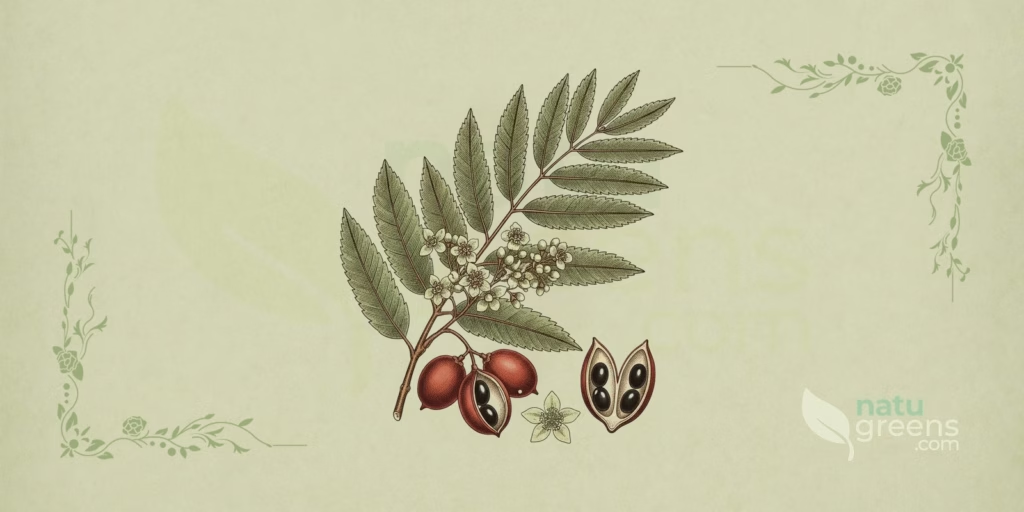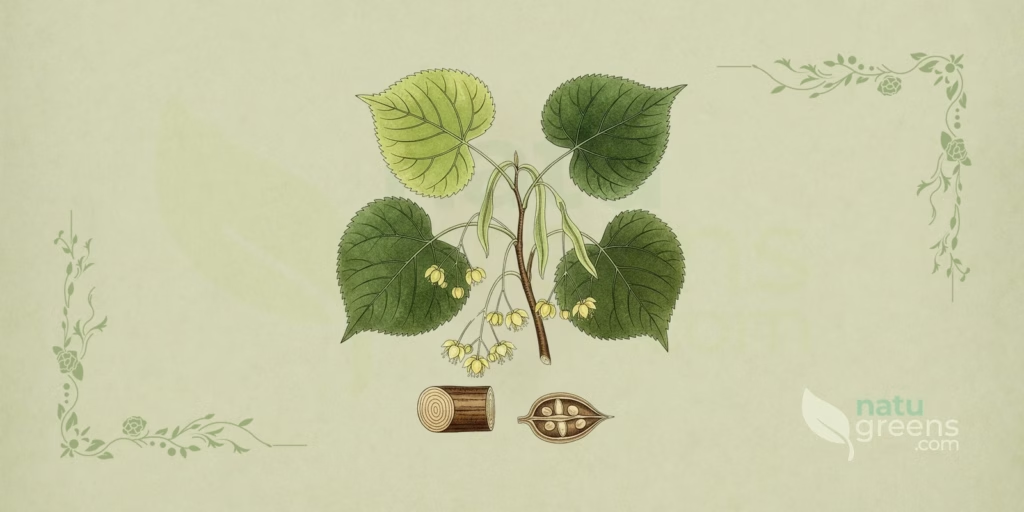
Cinnamomum cassia (L.) J.Presl / Chinese Cinnamon, also known as cassia or cassia cinnamon, is an aromatic evergreen tree native to southern China and now grown in several parts of Asia, including Southeast Asia, for its value in cooking and traditional medicine. The bark, the main part used, has been prized as a spice and as a home remedy for thousands of years, while the flower buds also serve as a seasoning, especially in India, and were already known to the ancient Romans.
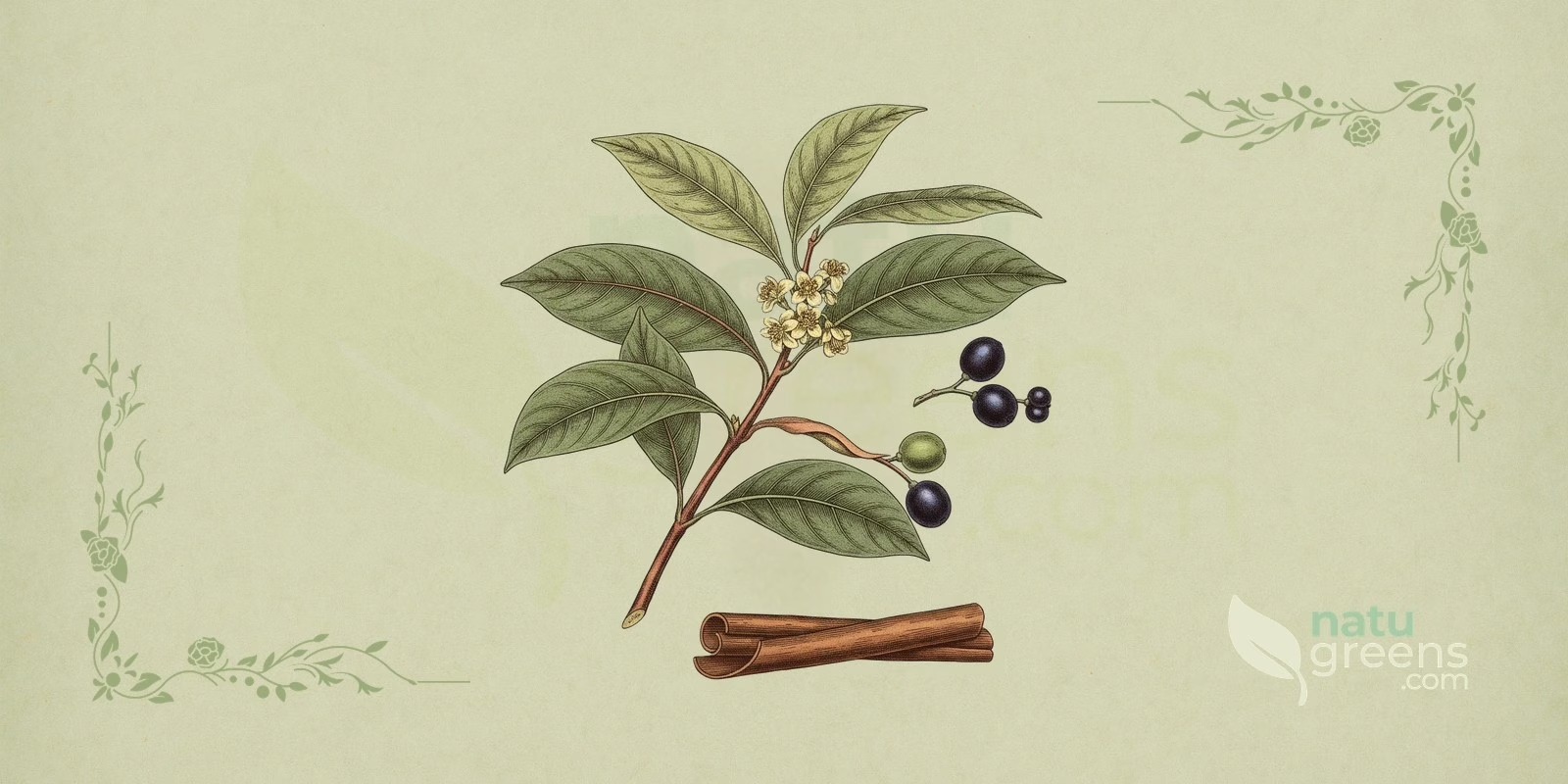
Although many people use the two interchangeably, Chinese cinnamon is not Ceylon cinnamon (Cinnamomum verum): they are different species with different safety profiles. Cassia is the most common and cheapest cinnamon sold at retail and has a much higher coumarin content, which makes regular or high-dose use a real risk to the liver and a reason for caution in people taking anticoagulants, as detailed under Contraindications.
In the European herbal tradition, Chinese cinnamon holds a prominent place as both a spice and a medicinal plant, with applications ranging from cooking to traditional use for metabolic and inflammatory complaints. Its phytochemical makeup is rich in essential oil, above all cinnamaldehyde, to which the antioxidant and antimicrobial activities observed in the laboratory are attributed. Modern research is investigating many of these traditional uses and ranks the species among the most studied medicinal plants in the world, although much of the evidence still comes from laboratory assays and animal studies.
Popular and International Names of Chinese Cinnamon
- English: cassia, cassia cinnamon, Chinese cinnamon.
- Spanish: canela casia, canela de la China, casia.
- Portuguese: canela-cássia, canela-da-china, cássia, cássia-chinesa.
- French: cannelle de Chine, casse.
- Italian: cannella cinese, cassia.
- German: Cassia-Zimt, Chinesischer Zimt.
In almost every language, the name for cassia is built from the word for cinnamon plus a reference to China, or from the term cassia itself, which helps distinguish it from Ceylon cinnamon on labels that include this information.
Botanical Synonyms of Cinnamomum cassia
Over the history of its taxonomy, Cinnamomum cassia has received several scientific names, which reflect the classifications and reclassifications the species has gone through; the most frequently cited synonyms are the following:
- Camphorina cassia (L.) Farw.
- Cinnamomum aromaticum Nees
- Cinnamomum longifolium Lukman.
- Cinnamomum medium Lukman.
- Cinnamomum nitidum Hook. nom. illeg.
- Laurus cassia L.
- Persea cassia (L.) Spreng.
Despite this list, Cinnamomum cassia is the currently accepted name, widely recognized by the scientific community, and it is the one that appears in recent studies on the plant’s composition and safety.
Botanical Family: Lauraceae
Cinnamomum cassia belongs to the Lauraceae family, which includes roughly 2,500 to 4,000 species of flowering plants distributed mainly across tropical and subtropical regions. The family is known for its aromatic trees and shrubs of great economic importance, such as bay laurel (Laurus nobilis), avocado (Persea americana) and other cinnamon species, and its plants are characterized by the presence of essential oils in their leaves, stems and fruits, which give them distinctive aromas and flavors. This phytochemical diversity explains the relevance of the Lauraceae in both cooking and herbal medicine, and within the genus Cinnamomum, Chinese cinnamon stands apart from Ceylon cinnamon because of its thicker bark and much higher coumarin content.
Parts of Chinese Cinnamon Used
- Bark
- Essential oil
- Flower buds
The bark is the most valued part, both as a spice and in traditional medicine, and it is the source of the powder and pieces used in infusions and decoctions. The dried flower buds are used mainly in cooking, while the essential oil, which is highly concentrated, is intended for external and aromatic use only, always diluted.
Ethnobotanical and Traditional Uses
In China, cassia bark appears in very old medical records, and its use later spread to Egypt, the Middle East and Europe, both in the kitchen and in perfumery, in applications that tradition sums up as follows:
- Culinary spice
- Perfume scenting
- Traditional use in cases of diarrhea
- Traditional use in feverish conditions
- Traditional use in menstrual complaints
These uses belong to tradition and do not replace medical evaluation, especially in the case of persistent fevers or diarrhea that does not let up, situations in which the cause needs to be investigated before any home remedy is tried.
Therapeutic Properties of Chinese Cinnamon
- Analgesic (traditional record of pain relief)
- Antibacterial (inhibition of bacteria observed in the laboratory)
- Anti-inflammatory (activity observed in laboratory and animal studies)
- Antimicrobial (action of the essential oil against fungi and other microorganisms in laboratory tests)
- Antioxidant (neutralization of free radicals in laboratory assays)
- Hypoglycemic (blood glucose reduction investigated in preliminary studies, without replacing diabetes treatment)
- Neuroprotective (effect observed in a study in rats, without clinical confirmation)
None of these activities justifies using cassia as a treatment for any disease, and its coumarin content limits the amount that can be consumed safely, as explained under Contraindications.
Detailed Phytochemical Profile of Chinese Cinnamon
- Cinnamaldehyde
- Coumarin
- Flavonoids
- Styrene
- Terpenoids
Cinnamaldehyde is the main component of the essential oil and accounts for the characteristic aroma and for much of the activity studied in the laboratory, while flavonoids and terpenoids round out the antioxidant profile of the bark. Coumarin, for its part, is the compound that weighs most heavily in the safety assessment: cassia contains far greater amounts than Ceylon cinnamon, and analyses of cinnamon-flavored foods and supplements point to cassia as the main source of coumarin in these products.
Preparation and Administration Forms of Chinese Cinnamon
- Decoction
- Essential oil
- Infusion
- Powder
Decoctions and infusions use the bark in pieces or as a powder, and the powder also goes into culinary recipes as a seasoning. The essential oil should never be ingested, and for external use it appears only in very low dilutions, because cinnamaldehyde irritates the skin and mucous membranes. Whatever the form, the daily amount matters: because of coumarin, frequent consumption at doses higher than those used in cooking should be discussed with a health professional.
Synergy with Other Medicinal Plants
Chinese Cinnamon and Ginger (Zingiber officinale)
Chinese cinnamon and ginger (Zingiber officinale) appear together in traditional Chinese medicine formulas and were evaluated jointly in a study of rats with induced diabetes, in which the combination showed synergistic anti-inflammatory and neuroprotective effects on changes in the hippocampus. The finding is of interest for research on metabolic complications, but it has not yet been confirmed in humans and should not be read as a recommendation to use the pair against diabetes or neurological disease.
Chinese Cinnamon and Black Cumin (Nigella sativa)
The pairing of Chinese cinnamon with black cumin (Nigella sativa), two plants found in the diet and in the Ayurvedic tradition of India, was tested as a nutraceutical combination in rats with induced type 1 diabetes, both on its own and together with metformin. In this model, the combined extract lowered plasma glucose and had a favorable effect on the lipid profile and on kidney function parameters, results that have not yet been reproduced in humans. For this reason, the combination does not replace insulin or other medications, and anyone taking glucose-lowering drugs should talk to their doctor before combining them with either plant, given the risk of additive effects.
Recipes and Usage Protocols of Chinese Cinnamon
Chinese Cinnamon Powder Tea
Traditional use: an aromatic drink traditionally taken before meals and investigated in preliminary studies on blood glucose, always as a complement and never in place of medical follow-up for diabetes.
Ingredients: a small amount of ground Chinese cinnamon and one cup of boiling water (about 200 ml).
Preparation: add the powder to the boiling water, let it steep for 10 minutes and strain before drinking. The amount of powder and how often to drink it should be decided with a health professional, because daily use of cassia can exceed the safe coumarin limit, and anyone taking glucose-lowering drugs or anticoagulants needs professional follow-up before starting.
Chinese Cinnamon Massage Oil
Traditional use: a warming oil traditionally used in massage over sore muscles and joints.
Ingredients: a minimal amount of Chinese cinnamon essential oil and a carrier vegetable oil, such as sweet almond or jojoba oil.
Preparation: mix the essential oil into the vegetable oil at a much weaker dilution than the one used for most essential oils, preferably under the guidance of an aromatherapist, and do a patch test on a small area of skin first. Gently massage the area and stop using the oil if burning, redness or itching appears, because cinnamaldehyde is a well-known cause of irritation and contact dermatitis; do not apply it to broken skin, to the face or on children.
Chinese Cinnamon Bark Decoction
Traditional use: a decoction traditionally taken after meals in cases of mild diarrhea, flatulence and other digestive discomforts.
Ingredients: a small piece of Chinese cinnamon bark and about 500 ml of water.
Preparation: boil the bark in the water for 15 minutes, remove from the heat, let it cool and strain. Because the decoction concentrates the compounds in the bark, coumarin included, how much to drink and for how many days should be guided by a health professional, and diarrhea that persists or comes with fever or blood requires medical evaluation.
The preparations above follow traditional records and do not replace professional guidance. Before any internal use, check the contraindications and interactions described in this article.
Associated Therapies
Aromatherapy
In aromatherapy, Chinese cinnamon essential oil is valued for its warm, spicy, slightly sweet aroma, used in diffusers and vaporizers to create a cozy and stimulating atmosphere. Tradition links inhaling it to greater energy, less mental fatigue and better concentration, effects reported by users but without consistent clinical confirmation. In massage, the oil appears only in very dilute form, as traditional support for muscle and joint pain and to stimulate circulation, and even then it calls for a prior skin test because of the risk of irritation.
Clinical Phytotherapy
In clinical phytotherapy, Chinese cinnamon is studied in formulations aimed at type 2 diabetes, metabolic syndrome and dyspepsia, and standardized extracts seek to ensure a predictable dose of compounds such as cinnamaldehyde. Research is investigating its possible effects on fasting blood glucose and insulin sensitivity in people with type 2 diabetes and prediabetes, as well as on cholesterol and inflammation, with results that are still mixed, and in none of these cases does the plant replace medical treatment. Because it contains coumarin, prolonged use at doses above culinary amounts calls for professional supervision, with extra care for people who already take glucose-lowering drugs or anticoagulants or who have liver disease.
Contraindications and Side Effects of Chinese Cinnamon
Difference Between Cassia Cinnamon and Ceylon Cinnamon
Cinnamomum cassia (cassia cinnamon or Chinese cinnamon) and Cinnamomum verum (Ceylon cinnamon, also called true cinnamon) are different species with different safety profiles. Cassia, the most common and cheapest cinnamon sold at retail, has a much higher coumarin content than Ceylon cinnamon, so safety guidance that holds for one does not automatically apply to the other.
Risk of Liver Damage from Coumarin
Regular or high-dose use of cassia cinnamon is associated with a real risk of hepatotoxicity, that is, liver damage caused by coumarin, and some studies link liver injury to total coumarin intake from preparations made with cinnamon bark. The European Food Safety Authority (EFSA) has set a tolerable daily intake for coumarin of 0.1 mg per kilogram of body weight, a limit that frequent consumption of powdered cassia can exceed, especially in people with low body weight and in children. Anyone with pre-existing liver disease should avoid cassia cinnamon in amounts above those used in cooking.
Interaction with Anticoagulants and Glucose-Lowering Drugs
Coumarin interacts with anticoagulants such as warfarin and can potentiate the effect of these medications, increasing the risk of bleeding; there is even a reported case of postoperative hemorrhage associated with cinnamon consumption. People taking anticoagulants or antiplatelet drugs, or who are scheduled for surgery, should avoid cassia cinnamon at doses higher than those used in cooking and talk to their doctor. Those taking glucose-lowering drugs or insulin also need guidance before consuming the plant regularly, because its possible effect on blood glucose may add to that of the medications and promote episodes of hypoglycemia.
Pregnancy, Breastfeeding, Children and Allergy
Pregnant and breastfeeding women should avoid Chinese cinnamon at doses above culinary amounts, since coumarin may have adverse effects and safety data for these stages are lacking. In children, the coumarin limit is reached with much smaller amounts, which argues against frequent teas and cassia supplements in this age group. The plant is also contraindicated for anyone with a known allergy to any of its components, including cinnamaldehyde.
Common Side Effects
At high doses, Chinese cinnamon can cause irritation of the mouth and lips, allergic skin reactions such as contact dermatitis, and gastrointestinal disturbances, including nausea, vomiting and diarrhea. In rare cases, the coumarin in cassia leads to liver damage, so the recommended amounts must be respected and any adverse reaction watched for, such as yellowing of the skin or eyes, dark urine, unusual bleeding or persistent abdominal pain, situations in which use should be stopped and medical advice sought.
Historical Notes and Interesting Facts
A History Spanning Millennia
Chinese cinnamon has a long history, and traditional records place its medicinal use in China at around 2700 BC, for diarrhea, fevers and menstrual complaints. By around 500 BC, the spice had already reached Egypt, where it became part of embalming mixtures, a sign of its cultural and practical importance at the time.
The Bible mentions cinnamon and cassia among the ingredients of the anointing oil described in the Book of Exodus, in the time of Moses, which also gives the spice a spiritual and ritual significance. The ancient Greeks, Romans and Hebrews were among the first peoples to use it as a seasoning, and they also used it in perfumes and for medicinal purposes. Carried by the Romans to other regions, cinnamon became established in European cooking around the 17th century and secured its place in the gastronomy and traditional medicine of many cultures around the world.
Frequently Asked Questions about Chinese Cinnamon
Is Chinese Cinnamon Safe for Daily Consumption?
In small quantities, such as those used in cooking, Chinese cinnamon is usually well tolerated. Regular or high-dose use, however, is associated with a real risk of liver damage because of coumarin, and anyone planning to consume it every day in amounts larger than a seasoning should set the dose with a health professional, especially if they have liver disease or take other medications.
What Is the Difference Between Chinese Cinnamon and Ceylon Cinnamon?
They are different species: Chinese cinnamon (Cinnamomum cassia) has a stronger, spicier flavor, thick bark and a much higher coumarin content, while Ceylon cinnamon (Cinnamomum verum) has a milder, more delicate flavor, thin bark and very low levels of coumarin. That is why Ceylon cinnamon is considered the “true” cinnamon and the safer option for people who consume cinnamon in larger amounts.
Does Chinese Cinnamon Help Control Blood Sugar?
Preliminary studies are investigating the effect of Chinese cinnamon and cinnamaldehyde on fasting blood glucose and insulin sensitivity, with results that are still mixed and were largely obtained in the laboratory and in animals. The plant does not replace medical treatment for diabetes, and anyone taking glucose-lowering drugs or insulin should talk to their doctor before consuming it regularly, given the risk of additive effects.
Are There Side Effects from Using Chinese Cinnamon?
Yes, excessive use can cause liver damage because of coumarin, as well as irritation of the mouth and lips, allergic skin reactions and gastrointestinal disturbances such as nausea and diarrhea. If any adverse reaction appears, use should be stopped and medical advice sought.
Does Chinese Cinnamon Interact with Anticoagulants?
Yes, the coumarin in cassia interacts with anticoagulants such as warfarin and can potentiate the effect of these medications, increasing the risk of bleeding. Anyone taking this type of medication, or scheduled for surgery, should avoid Chinese cinnamon at doses higher than those used in cooking and talk to their doctor.
Can Pregnant Women and Children Consume Chinese Cinnamon?
Pregnant and breastfeeding women should avoid Chinese cinnamon at doses above culinary amounts, and in children the safe coumarin limit is reached with much smaller amounts. Frequent teas and cassia supplements are therefore not recommended during these stages without professional guidance.
Notice: this content is for informational purposes and does not replace professional medical advice. Consult a physician or herbal practitioner before using medicinal plants, especially during pregnancy, breastfeeding, or alongside medication.
References and Scientific Studies
- PMC2021 ALmohaimeed HM, et al. Synergistic Anti-inflammatory and Neuroprotective Effects of Cinnamomum cassia and Zingiber officinale Alleviate Diabetes-Induced Hippocampal Changes in Male Albino Rats: Structural and Molecular Evidence. Frontiers in Cell and Developmental Biology. 2021.
- PMC2025 Boubrik F, et al. Investigating the chemical composition and antifungal effect of Cinnamomum cassia essential oil against Saccharomyces cerevisiae and Acremonium sp. Scientific Reports. 2025.
- PMC2018 Kaur G, et al. A nutraceutical combination of Cinnamomum cassia & Nigella sativa for Type 1 diabetes mellitus. Journal of Ayurveda and Integrative Medicine. 2018.
- PMC2019 Zhang C, et al. Cinnamomum cassia Presl: A Review of Its Traditional Uses, Phytochemistry, Pharmacology and Toxicology. Molecules. 2019.