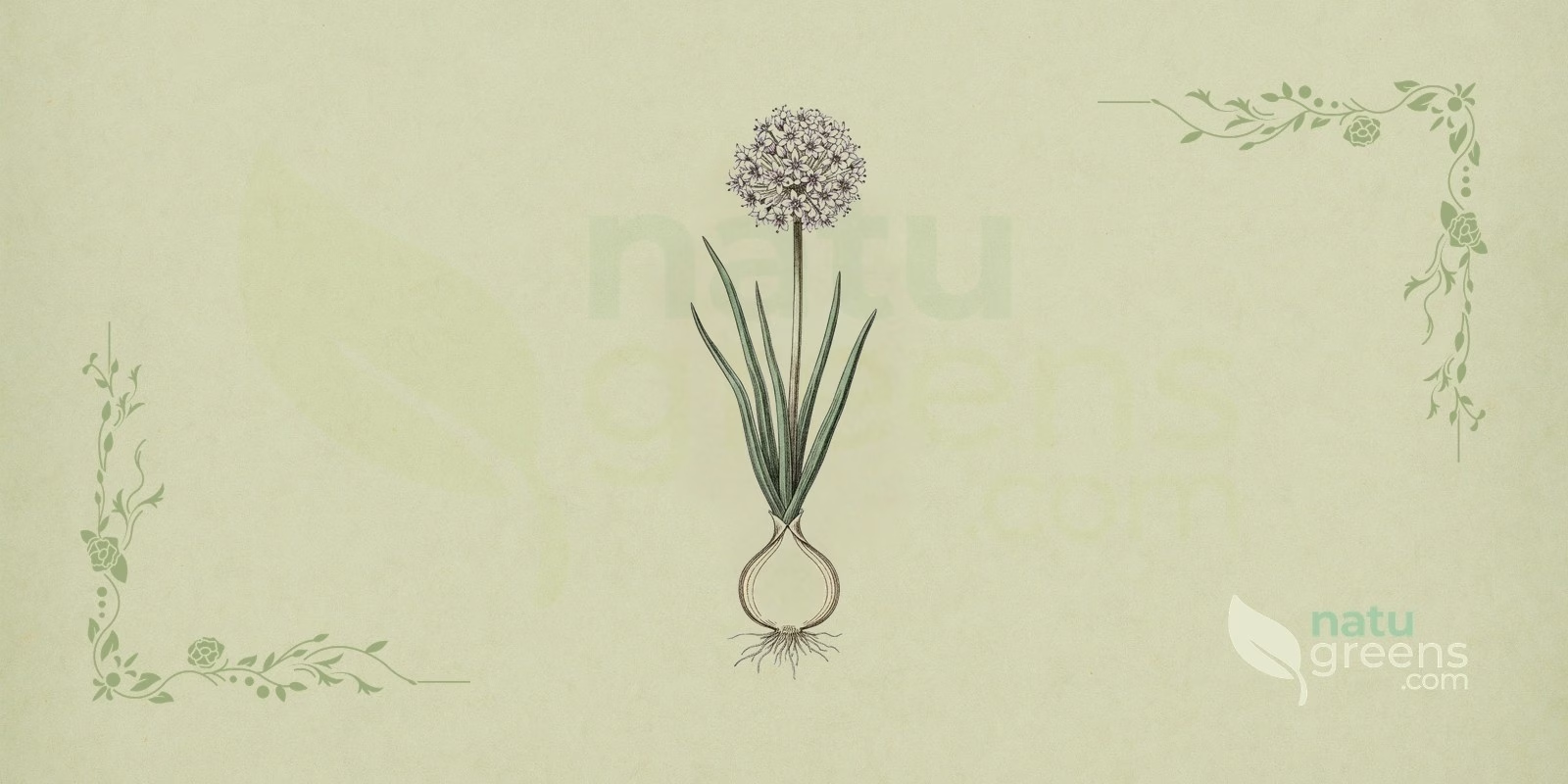
The onion (Allium cepa L.) is a biennial herbaceous plant of the Amaryllidaceae family, described by Carl Linnaeus in 1753 and thought to originate in Central Asia, from where it spread to become one of the most widely grown and eaten vegetables in the world, a staple at the base of countless culinary traditions. Its use goes back thousands of years, not only as food but also in traditional medicine, with records reaching as far back as Ancient Egypt and Mesopotamia. The bulb, made up of concentric layers of modified fleshy leaves, is the most used part and is usually harvested at the end of the first growth cycle, either for immediate consumption or for storage.
In culinary and folk tradition, onion holds a prominent place, and its uses range from seasoning everyday dishes to home remedies for flu and other respiratory complaints. The plant stands out for its phytochemical composition, rich in sulfur compounds such as the thiosulfinates formed when the bulb is cut, and in flavonoids, quercetin above all, substances that laboratory studies have associated with antioxidant and anti-inflammatory activity. Modern scientific research has been looking into several of these traditional uses and, although much of the evidence is still preliminary, the overall body of findings supports interest in onion as a functional food within a varied diet.
Popular and International Names of Onion
Because it is grown on practically every continent, onion goes by names that vary with the color of the bulb, its size and the way it is grown, and the main names recorded in each language are gathered below.
- English: bulb onion, common onion, garden onion, onion.
- French: oignon, oignon commun.
- German: Küchenzwiebel, Speisezwiebel, Zwiebel.
- Italian: cipolla, cipolla comune.
- Portuguese: cebola, cebola-amarela, cebola-branca, cebola-comum, cebola-de-bulbo, cebola-pérola, cebola-roxa.
- Spanish: cebolla, cebolla común.
Botanical Synonyms of Allium cepa
Allium cepa var. aggregatum G. Don is one of the most relevant synonyms, as it refers to shallots, which were once classified as a separate species (Allium ascalonicum) and are now placed within Allium cepa, with wide use in gourmet cooking. The other infraspecific names recorded as synonyms of the species are listed below in alphabetical order and mainly describe cultivated forms that differ in the way they form bulbs, either in clumps, as in shallots, or with bulbils in the inflorescence, as in viviparous onions.
- Allium cepa var. aggregatum G. Don
- Allium cepa var. bulbiferum Regel
- Allium cepa var. cepa (typical variety)
- Allium cepa var. multiplicans L.H. Bailey
- Allium cepa var. proliferum (Moench) Regel
- Allium cepa var. solaninum Alef.
- Allium cepa var. viviparum (Metzg.) Mansf.
Botanical Family: Amaryllidaceae
The Amaryllidaceae family comprises about 75 genera and more than 1,600 species of flowering plants found across much of the world, mostly perennial herbs that store reserves in bulbs or, less often, in rhizomes. It includes species of great economic, ornamental and medicinal importance, such as amaryllis, daffodil, garlic and leek, which gives an idea of the diversity of forms and uses brought together in the same group.
Onion shares with its relatives the morphological traits typical of the family, including nutrient storage in the bulb, and with the other members of the genus Allium it shares a marked presence of sulfur compounds, responsible for its characteristic smell and flavor. The family as a whole is known for producing a wide range of bioactive compounds, and this chemical diversity has been the subject of intense pharmacological research, with an impact on the development of herbal medicines and dietary supplements.
Parts of Onion Used
- Bulb: the most common part, eaten raw, cooked or in home preparations.
- Leaves: young green leaves, used as a seasoning.
- Seeds: mentioned in records of folk use, and also used to propagate the crop.
In practice, almost all food and folk use is concentrated on the bulb, harvested at the end of the first growth cycle once the plant has built up its reserves, while the young leaves and the seeds play a secondary role in the kitchen and in home remedies.
Ethnobotanical and Traditional Uses
Folk medicine in different regions attributes a range of uses to onion, passed down mainly by word of mouth and through family recipes, and the records below describe this tradition without amounting to clinical proof.
- Antiseptic and wound-healing aid for minor cuts, applied topically (traditionally reported)
- Diuretic (folk use)
- Expectorant for cough and phlegm (traditionally reported)
- Fever reduction (traditionally reported)
- Mild digestive discomfort (folk use)
- Relief of flu symptoms and respiratory complaints (traditionally reported)
Therapeutic Properties of Onion
The properties listed below come mostly from laboratory studies, animal studies or work with concentrated extracts, and human trials are still small or heterogeneous, so none of them should be read as an indication for treatment.
- Antibacterial (activity observed in laboratory studies)
- Anti-inflammatory (activity observed in experimental studies)
- Antioxidant (free radical scavenging associated with quercetin, investigated in the laboratory and in preliminary human studies)
- Antiplatelet (mild effect observed in experimental studies with sulfur compounds and flavonoids)
- Antiproliferative (activity observed in laboratory studies, without clinical confirmation)
- Antiviral (activity observed only in laboratory studies)
- Cardioprotective (potential investigated in preliminary studies)
- Hypocholesterolemic (cholesterol reduction observed in some preliminary studies)
- Hypoglycemic (effect on blood glucose investigated in preliminary studies)
- Immunomodulatory (modulation of the immune system observed in experimental studies)
Detailed Phytochemical Profile of Onion
Onion chemistry is dominated by two large groups of substances: sulfur compounds, which arise when the bulb is cut and the enzyme alliinase comes into contact with precursors such as isoalliin, and flavonoids, which are more concentrated in the outer layers and in varieties with colored skins.
- Anthocyanins (in red onions)
- Flavonoids (kaempferol, quercetin and their glycosides)
- Fructans (fructooligosaccharides)
- Isoalliin (sulfur precursor)
- Minerals (manganese, potassium)
- Organosulfur compounds (cepaenes, disulfides and sulfides)
- Propanethial S-oxide (lachrymatory factor)
- Saponins
- Thiosulfinates
- Vitamins (B6, C)
Fructans, fermentable storage carbohydrates, help explain both the interest in onion as a source of prebiotic fiber and the intestinal discomfort reported by people sensitive to FODMAPs, a topic taken up again in the Contraindications section.
Preparation and Administration Forms of Onion
- Compress
- Extract
- Fresh juice
- Homemade syrup with honey
- Poultice
- Tea (infusion or decoction)
- Tincture
Eating onion as food, raw or cooked, is by far the most common and safest way to include it in the daily routine, while teas, syrups and poultices belong to the tradition of home remedies. Concentrated extracts and tinctures call for more caution, since they deliver the active compounds in larger amounts and can add to the effect of medications, which is why their use should be guided by a health professional.
Synergy with Other Medicinal Plants
Traditional Combination for Respiratory Symptoms
In folk medicine, onion is often combined with garlic (Allium sativum) and ginger (Zingiber officinale) in preparations traditionally used to relieve the symptoms of flu, cough and nasal congestion. According to tradition, the rationale for this pairing lies in adding the organosulfur compounds of onion and garlic to the gingerols of ginger, substances that laboratory studies associate with antimicrobial and anti-inflammatory activity, although no clinical trials have shown a synergistic effect of the mixture.
Combination Investigated for Cardiovascular Health
Another frequent pairing brings together onion, turmeric (Curcuma longa) and cayenne pepper (Capsicum annuum), usually as seasonings in the same meal, a combination traditionally associated with looking after the heart and circulation. The quercetin in onion, the curcumin in turmeric and the capsaicin in the pepper have each been studied on their own for parameters such as cholesterol, blood circulation and platelet aggregation, but the results are still preliminary and do not apply directly to the combination. Because several of these substances have a mild antiplatelet effect, people who take anticoagulants or antiplatelet drugs should avoid concentrated extracts of these plants without professional guidance.
Recipes and Usage Protocols of Onion
Onion Tea with Honey and Lemon
A home preparation traditionally used for cough and nasal congestion, very common in family recipes during the colder months.
Ingredients: 1 medium onion, 500 ml of water, 2 tablespoons of honey (optional) and the juice of half a lemon (optional).
Preparation: Peel and chop the onion, bring the water to a boil, then add the chopped onion and let it boil for 5 to 10 minutes. Strain, let it cool until warm and, if you like, add the honey and lemon juice. Tradition recommends drinking the tea warm, 2 to 3 times a day, and credits this preparation with thinning mucus and making it easier to bring up. Honey should not be given to children under 1 year of age.
Roasted Onion Poultice
A traditional topical use on boils and small abscesses, employed in folk medicine to help bring the lesion to a head.
Ingredients: 1 large onion and gauze or a clean cloth.
Preparation: Roast the whole onion in the oven until soft and mash it into a paste. Check the temperature on the back of your hand before applying it, to avoid burns, and place the warm paste on the affected area, covering it with gauze held in place with medical tape. According to tradition, the poultice can be left on for a few hours or overnight and repeated daily, and the heat combined with the compounds in the onion would help the lesion come to a head and drain. Do not apply it to open wounds and do a test on a small area first, because topical use can cause contact dermatitis on sensitive skin; if there is fever, severe pain, spreading redness or the lesion does not regress within a few days, seek medical care.
Homemade Red Onion Syrup with Honey
A folk recipe traditionally used during flu and colds, prepared cold and kept in the refrigerator.
Ingredients: 1 large red onion, 4 tablespoons of honey and the juice of 1 lemon.
Preparation: Cut the onion into thin rings and place them in a bowl, add the honey and lemon juice and mix well. Cover and let it stand for a few hours, or overnight, until the onion releases its juice; then strain and store the syrup in a clean glass jar in the refrigerator. By tradition, 1 tablespoon is taken 3 to 4 times a day to ease flu and cold symptoms, and folk medicine credits the syrup with an expectorant action. Honey should not be given to children under 1 year of age, and people with diabetes need to account for the sugar in honey when managing their blood glucose.
The preparations above follow traditional records and do not replace professional guidance. Before any internal use, check the contraindications and interactions described in this article.
Associated Therapies
Phytotherapy
In phytotherapy, interest in onion centers on its organosulfur compounds and flavonoids, especially quercetin, found in extracts and tinctures used as support for cardiovascular health, in inflammatory processes and as an antimicrobial agent of natural origin. Current research is exploring the potential of onion in chronic diseases and immune function, and it frequently appears in formulations aimed at the respiratory tract and digestion, always as a complement to medical care and never as a substitute for it.
Homeopathy
In homeopathy, Allium cepa is a well-known remedy prepared from red onion, and the homeopathic materia medica describes it for pictures resembling the common cold, with watery, irritating nasal discharge, frequent sneezing and watering eyes. The same tradition mentions it for cough with abundant expectoration and throat irritation, and the choice of remedy follows the principle of the totality of symptoms, with Allium cepa selected when the picture matches its characteristic image, generally in acute conditions. Homeopathic preparations do not replace medical evaluation, especially when symptoms persist or worsen.
Contraindications and Side Effects of Onion
General Contraindications
Eaten in food amounts, onion is considered safe for most people. Anyone with a known allergy to plants of the Amaryllidaceae family, such as garlic and leek, should avoid it, because allergic reactions can occur, including contact dermatitis, hives, rhinoconjunctivitis and, in rare cases, anaphylaxis.
Digestive Sensitivity and FODMAPs
Raw onion can aggravate reflux, dyspepsia and irritable bowel syndrome in people sensitive to fermentable foods (FODMAP). The discomfort is linked mainly to the fructans in the bulb, which can cause bloating and gas in this group, and for this reason people with irritable bowel syndrome (IBS) are usually advised to assess their own tolerance with the support of a dietitian.
Pregnancy, Breastfeeding and Children
Pregnant and breastfeeding women can eat onion in normal food amounts but should avoid concentrated extracts and high doses, because safety in these situations has not been fully established. In home recipes that include honey, this ingredient should not be given to children under 1 year of age, and any preparation intended for older children should first be discussed with a pediatrician.
Common Side Effects
The most frequently reported side effects are gastrointestinal, such as bloating, diarrhea, gas, heartburn and reflux, especially in sensitive people or when onion is eaten in large amounts. Topical use of extract can cause contact dermatitis on sensitive skin. When cut, onion also releases syn-propanethial-S-oxide, which causes eye irritation and tearing, a passing and harmless effect.
Drug Interactions
Concentrated extracts can add to the effect of antiplatelet or anticoagulant medications; caution and professional guidance are needed for anyone already taking this type of medication. Because of this potential antiplatelet effect, the risk of bleeding may increase in people who take anticoagulants, such as warfarin, or antiplatelet drugs, such as acetylsalicylic acid (aspirin) and clopidogrel, and the same care applies to people with clotting disorders, who should eat onion in moderation and under medical supervision. Onion may also have a mild blood glucose lowering effect, which calls for careful glucose monitoring in people with diabetes who take glucose-lowering medications, so the safest course is to consult a health professional before using onion as extracts or in concentrated doses, especially for anyone already taking other medications.
Onion and Pets
A useful note for readers: onion is toxic to dogs and cats and should not be given to these animals. This also applies to food scraps seasoned with onion, whether cooked, dehydrated or raw, and if ingestion is suspected, the best course is to contact a veterinarian.
Historical Notes and Interesting Facts
Ancient Origins and Symbolism
Onion is among humanity’s oldest crops, with some estimates pointing to more than 7,000 years of cultivation and Central Asia as its likely region of origin. The ancient Egyptians revered it, seeing in its spherical shape and concentric rings a symbol of eternal life, and it was part of funerary rituals, to the point that small onions were found in the eye sockets of the mummy of Pharaoh Ramesses IV. In ancient Mesopotamia, recipes with onion were recorded on cuneiform tablets around 2000 BC, which shows how important it already was to cooking and culture at that time.
Onion and Space: A Recurring Myth
A claim often circulates that onion was the first plant grown in space, in 2003, aboard the International Space Station, but it does not hold up, since experiments with plants in orbit began decades earlier on the Soviet Salyut stations. The story still has a real basis, however, because fast-growing, easy-to-manage vegetables attract interest in research on producing fresh food during long-duration space missions.
A Variety of Colors and Flavors
There are hundreds of onion varieties, which differ in bulb color (red, white or yellow), size and flavor. Yellow onions are the most common and turn sweet when caramelized, red onions stand out for their intense color, which comes from anthocyanins, and often appear raw in salads, while white onions tend to have a milder flavor and work well in cooked dishes.
Frequently Asked Questions about Onion
Does Onion Help with Cold Symptoms?
Onion is traditionally used to relieve the symptoms of colds and flu, such as nasal congestion and cough, and onion tea with honey is one of the most popular home remedies for this purpose. Its organosulfur compounds and flavonoids show antimicrobial and anti-inflammatory activity in laboratory studies, but there is no clinical evidence that onion shortens respiratory infections or works as a treatment for them.
Can Onion Lower Cholesterol?
Preliminary studies suggest that regular onion consumption, thanks to quercetin and sulfur compounds, may help reduce LDL cholesterol (the “bad” cholesterol) and triglycerides and raise HDL (the “good” cholesterol). Results still vary between studies, and onion should be seen as part of a balanced diet, without replacing medications prescribed to control cholesterol.
Why Do Onions Make You Cry?
When onion cells are cut, enzymes convert their sulfur precursors into a volatile substance called syn-propanethial-S-oxide, which stimulates the nerve endings in the eyes and makes the body produce tears. Cutting onion under running water or using a very sharp knife, which ruptures fewer cells, helps reduce this effect.
Can Onions Be Eaten Raw?
Yes, onion can be eaten raw and often appears in salads, sandwiches and sauces, where it adds a pungent flavor and crunchy texture. Some people, however, find raw onion hard to digest, since it can aggravate reflux, dyspepsia and irritable bowel syndrome in those sensitive to fermentable foods (FODMAP), as well as cause bloating and gas.
Does the Quercetin in Onions Have Benefits?
Quercetin is a flavonoid found in abundance in onion, especially in the outer layers and in colored varieties, and its antioxidant and anti-inflammatory activity has been demonstrated in laboratory studies, which explains the interest in its role in protecting cells against damage caused by free radicals. It is also being studied for possible cardiovascular effects and for an antiproliferative activity observed in the laboratory, but these findings have not yet been clinically confirmed.
Can Dogs and Cats Eat Onion?
Onion is toxic to dogs and cats and should not be given to these animals, and this includes onion that is cooked, dehydrated, raw or present in seasoned food scraps. If ingestion is suspected, contact a veterinarian as soon as possible, even if the animal does not yet show symptoms.
Notice: this content is for informational purposes and does not replace professional medical advice. Consult a physician or herbal practitioner before using medicinal plants, especially during pregnancy, breastfeeding, or alongside medication.
References and Scientific Studies
- PMC2026 Boustani MS, et al. Allium cepa And Its-Associated Phytochemicals: Evidence From in Vitro, in Vivo, and Human Studies on Antioxidant Effects. Phytother Res. 2026.
- PMC2026 Tang Y, et al. Onion (Allium cepa L.) Organosulfur Compounds: From Traditional Use to Modern Pharmacological Insights. Food Sci Nutr. 2026.
- PMC2019 Teshika JD, et al. Traditional and modern uses of onion bulb (Allium cepa L.): a systematic review. Crit Rev Food Sci Nutr. 2019.