Quick summary
Saponaria officinalis L. / Soapwort, known in English as soapwort, common soapwort or bouncing-bet, is a perennial herbaceous plant of the Caryophyllaceae family, native to Europe and Western Asia. The species has adapted to a range of climates and usually turns up in cool places, along hedgerows and roadsides. For…
Main caution: Soapwort contains hemolytic saponins and gastrointestinal irritants: internal use only at a traditional dose and for a short period (traditional European use for airway catarrh), never during pregnancy or breastfeeding…
Saponaria officinalis L. / Soapwort, known in English as soapwort, common soapwort or bouncing-bet, is a perennial herbaceous plant of the Caryophyllaceae family, native to Europe and Western Asia. The species has adapted to a range of climates and usually turns up in cool places, along hedgerows and roadsides. For centuries it has been valued for the cleansing power its saponins give it and for the place it holds in traditional European medicine.
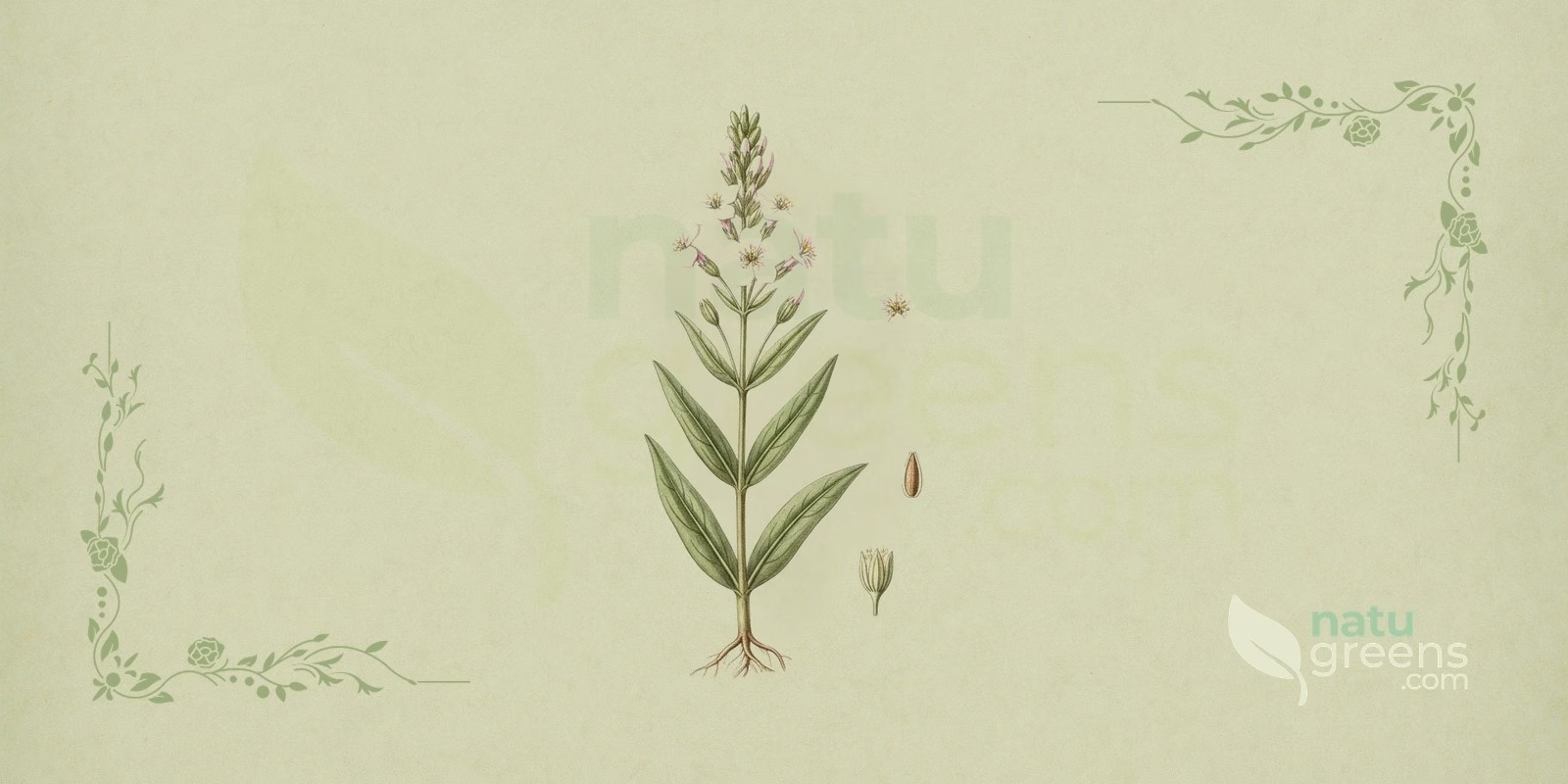
Throughout history, Saponaria officinalis has served both medicinal purposes and the washing of delicate fabrics, a use reflected in the very etymology of its name, which comes from the Latin sapo, meaning “soap”. Although it is potentially toxic at high doses, the plant remains part of herbal medicine through its traditional use as an expectorant, anti-inflammatory and depurative, and its phytochemical profile is still the subject of laboratory studies exploring possible applications. Because of its hemolytic saponins and the saporin found in its seeds, external and cosmetic use is the safest and most widespread way to make use of the species, as detailed in the contraindications section.
Popular and International Names of Soapwort
- English: bouncing-bet, common soapwort, crow soap, lady by the garden gate, soapweed, wild sweet William.
- French: herbe à savon, saponaire officinale, savonnière.
- German: Echtes Seifenkraut, Seifenwurz, Waschkraut.
- Italian: erba saponaria, saponaria, saponaria comune.
- Portuguese: erva-saboeira, sabão-de-cigana, sabão-dos-pobres, sabão-vegetal, saboeira, saboneteira, saponária.
- Spanish: albada, flor del jabón, hierba de los bataneros, jabonera, saponaria.
Botanical Synonyms of Saponaria officinalis
The taxonomy of Saponaria officinalis L. records a few botanical synonyms used over the history of plant classification, reflecting the different approaches and reclassifications proposed by botanists, but the currently accepted name remains Saponaria officinalis L., as established by Carl Linnaeus.
- Bootia saponaria Neck.
- Bootia vulgaris Neck.
- Lychnis officinalis (L.) Scop.
- Silene saponaria Fr. ex Willk. & Lange
Botanical Family: Caryophyllaceae
Saponaria officinalis belongs to the Caryophyllaceae, known as the pink or carnation family, a cosmopolitan group of mostly herbaceous plants that comprises about 87 genera and more than 2,000 species. Members of the family are characterized by stems with swollen nodes and opposite leaves, usually simple and entire, and many species are grown for their ornamental flowers, while others have medicinal and ethnobotanical importance.
Saponins are common in many plants of the family and give them detergent and, in some cases, medicinal properties. Researchers have been investigating the diversity of bioactive compounds in the Caryophyllaceae and point to potential applications in fields ranging from pharmacology to cosmetics. The family’s adaptation to habitats as different as temperate regions and tropical mountains, in turn, shows its resilience and wide distribution.
Parts of Soapwort Used
- Flowers
- Leaves
- Roots
- Whole plant, except the seeds (especially for soap making)
Ethnobotanical and Traditional Uses
- Culinary emulsifier in tahini and in halva production, as a traditional regional use.
- Jaundice and other visceral obstructions (an old internal use, now rare and discouraged).
- Natural detergent for cleaning delicate fabrics such as wool.
- Natural hair shampoo (with caution, given the eye irritation it causes).
- Relief of cough and bronchitis, a traditional European use for airway catarrh.
- Soap substitute for dry skin, as was traditionally done in Romania.
- Stimulation of the cough reflex and of mucus secretion in the airways (expectorant action described by tradition).
- Traditional topical use on skin irritations such as eczema, psoriasis and rosacea.
Therapeutic Properties of Soapwort
- Alterative (traditionally recorded as restoring the body’s functions)
- Analgesic (pain relief described in traditional use)
- Anti-inflammatory (effect observed in laboratory studies, without clinical evidence)
- Antiproliferative (activity observed in laboratory studies, without clinical evidence)
- Antipruritic (itch relief, according to traditional use)
- Antirheumatic (traditionally used for rheumatic complaints)
- Antiscrofulous (traditionally used against scrofula)
- Cholagogue (stimulates bile secretion, according to traditional records)
- Depurative (traditionally used to cleanse the body)
- Diaphoretic (induces sweating, according to tradition)
- Diuretic (increases urine output, according to traditional records)
- Expectorant (helps expel mucus, a traditional European use for airway catarrh)
- Laxative (stimulates bowel movements, according to traditional records)
- Purgative (a stronger laxative effect, which calls for extra caution with internal use)
- Sternutatory (causes sneezing)
- Tonic (invigorating action attributed by tradition)
- Vulnerary (traditional use on small wounds)
Detailed Phytochemical Profile of Soapwort
The phytochemical profile of Saponaria officinalis is dominated by saponins, triterpene glycosides responsible for the foam the plant forms in water and for a good part of its biological effects. Since they behave like natural detergents, they explain the old use of soapwort for cleaning. Studies on the roots have isolated saponins derived from quillaic acid and gypsogenin, which showed antiproliferative activity in cells grown in the laboratory, and recent analyses have also described the phenolic composition of root extracts. The plant contains other relevant compounds as well, among them saporin, a ribosome-inactivating protein concentrated in the seeds. Precisely because of this cellular toxicity, saporin is studied as a research tool, and its presence makes the seed unsuitable for any home use.
- Flavonoids
- Saponarin (a glycosylated flavone)
- Saporin (a ribosome-inactivating protein, concentrated in the seeds)
- Triterpene saponins (up to 20% in the roots during flowering)
- Vitamin C
Preparation and Administration Forms of Soapwort
- Compresses
- Decoction
- Fluid extract
- Infusion
- Ointments and creams
- Poultice
- Shampoo
- Tincture
External forms such as compresses, poultices, ointments and shampoo are the most widespread and the safest. Internal forms such as decoction, fluid extract and tincture, on the other hand, depend on a traditional dose, short-term use and the guidance of a healthcare professional.
Synergy with Other Medicinal Plants
For Respiratory Conditions
In herbal tradition, Saponaria officinalis, remembered for its expectorant use, appears alongside other herbs in preparations traditionally used for cough and catarrh. Licorice root (Glycyrrhiza glabra) and mullein (Verbascum thapsus) are known in tradition for their demulcent and expectorant actions, which would complement soapwort in easing cough and thinning mucus. Thyme (Thymus vulgaris), linked in traditional records to antiseptic and bronchodilating properties, rounds out these formulas, which tradition directs at different aspects of respiratory complaints. Since soapwort should only be taken internally at a traditional dose and for a short period, any combination of this kind calls for the guidance of a healthcare professional.
For Skin Problems
In topical use, soapwort is traditionally paired with plants reputed to be anti-inflammatory and wound-healing, such as calendula (Calendula officinalis) and chamomile (Matricaria chamomilla), both known in tradition for soothing irritated skin. Brought together in creams or compresses, these plants make up preparations traditionally used for eczema, psoriasis and dermatitis, in which the cleansing action of soapwort adds to the calming effect attributed to the other herbs. This combination, however, has not yet been evaluated in clinical studies.
Recipes and Usage Protocols of Soapwort
Traditional Root Decoction for Airway Catarrh
Ingredients: chopped dried soapwort root, in a small amount set by a healthcare professional, and water.
Preparation: Put the root in the water and heat it, letting it simmer gently for 10 to 15 minutes, then strain and let it cool. This decoction is traditionally used to thin mucus and ease expectoration in cough and bronchitis (traditional European use for airway catarrh), but because of its saponin content, the dose and frequency must be set with caution and always for a short period: consult a healthcare professional before use. Do not use during pregnancy or breastfeeding, in children, or in cases of gastritis or ulcer.
External-Use Infusion for Skin Hygiene
Ingredients: 2 tablespoons of dried soapwort leaves and flowers and 250 ml of boiling water.
Preparation: Place the leaves and flowers in a cup, pour the boiling water over them, cover and leave to infuse for 10 minutes, then strain and let it cool. The infusion, which must not be swallowed, is traditionally used as a facial toner or in compresses to cleanse and soothe irritated skin, including in cases of eczema or acne, and can be applied up to twice a day, always avoiding direct contact with the eyes.
Natural Soapwort Root Shampoo
Ingredients: 3 tablespoons of grated dried soapwort root and 500 ml of water.
Preparation: Boil the grated root in the water for 20 minutes, strain well to remove all solid residue and let it cool before using the liquid as a mild shampoo to wash the hair. Traditionally used on delicate hair and by people looking for a natural alternative to commercial shampoos, the preparation keeps in the refrigerator for up to a week, and contact with the eyes should be avoided, since the lather can cause irritation.
The preparations above follow traditional records and do not replace professional guidance. Before any internal use, check the contraindications and interactions described in this article.
Associated Therapies
Herbal Medicine
In herbal medicine, Saponaria officinalis is remembered mainly for its traditional use as an expectorant and anti-inflammatory. European tradition uses it for airway catarrh, such as bronchitis and persistent cough, where saponins are credited with thinning bronchial secretions. The depurative role tradition assigns to it brought it into old formulas aimed at so-called toxin elimination. Topical use of extracts on skin conditions remains the most widespread. Laboratory studies are now investigating the anti-inflammatory and exfoliating effects of saponin-rich extracts, as well as how the plant extract behaves compared with synthetic surfactants in models that mimic the skin.
Homeopathy
Although it is less common than other plants in this field, Saponaria officinalis may appear in homeopathic preparations, in which it is studied for its effects on the mucous membranes and the skin, especially in cases of irritation and inflammation. According to the premise of homeopathy, dilutions aim to stimulate the body’s capacity for self-healing. In this context, soapwort may be used for specific symptoms linked to respiratory or skin complaints, always under the guidance of a homeopathic practitioner, since there are no robust clinical studies on this use.
Contraindications and Side Effects of Soapwort
General Contraindications
Soapwort contains hemolytic saponins and gastrointestinal irritants: internal use only at a traditional dose and for a short period (traditional European use for airway catarrh), never during pregnancy or breastfeeding, in children, or in people with a damaged gastric lining (gastritis, ulcer). The seeds contain saporin, a protein that inactivates ribosomes: never use the seed, and no recipe should include seeds. External and cosmetic use (plant-based soap, shampoo) is the safe and traditionally most widespread way to use the plant.
Saponaria officinalis is also contraindicated for people with known hypersensitivity to any component of the plant, and prolonged internal use or high doses should be avoided under any circumstances, because saponins irritate the gastrointestinal tract. Pregnant and breastfeeding women should avoid soapwort entirely, not least because there are insufficient data on its safety in these groups, and children should not take it internally.
Common Side Effects
The most common side effects of taking soapwort internally are gastrointestinal irritation, nausea, vomiting and diarrhea, especially at high doses, while topical application may in some cases cause skin irritation or allergic reactions in sensitive people. Contact with the eyes should be avoided, as saponins can cause significant eye irritation. The classic toxicological literature also reports that, in overdose, saponins can destroy red blood cells (hemolysis) and cause paralysis of the vasomotor center, which makes it essential to follow professional guidance on dosage.
Drug Interactions
Because of its saponins, Saponaria officinalis may interact with certain medications, since these substances can increase the absorption of other compounds in the gastrointestinal tract and thereby alter the effectiveness of drugs taken by mouth. People taking heart medications, blood sugar-lowering drugs for diabetes or anticoagulants should consult a healthcare professional before using soapwort, given the potential for interaction and for changes in the expected or adverse effects of these treatments.
Historical Notes and Interesting Facts
Nature’s Soap
Saponaria officinalis is widely known as soapwort or soapweed because it forms a lather when its roots or leaves are crushed in water, a property attributed to saponins and exploited for centuries as a natural detergent. There are accounts that soapwort was used to wash delicate fabrics, including the famous Bayeux Tapestry, which illustrates how gently it acts on materials that could not withstand harsher soaps.
Etymology and Nomenclature
The genus name, Saponaria, comes directly from the Latin sapo, “soap”, a clear allusion to the plant’s main ethnobotanical feature. The specific epithet officinalis, for its part, is a common botanical term indicating that the species had medicinal uses or was sold in apothecaries and herb shops. This nomenclature reflects the long-standing recognition of its practical and medicinal uses and secures the place of soapwort in the history of medicine and hygiene.
Night-Opening Flowers and Pollinators
The flowers of Saponaria officinalis follow a peculiar opening cycle, since they open at dusk and stay open for about three days. At night they give off a stronger scent that draws nocturnal pollinators such as certain hawk moths, among them the white-lined sphinx (Hyles lineata). This nocturnal behavior is an adaptation to pollination by insects that are more active after sunset, which helps the species reproduce in its natural habitat.
Frequently Asked Questions about Soapwort
Is Soapwort Safe to Take Internally?
Saponaria officinalis contains hemolytic saponins and gastrointestinal irritants, which at high doses can cause nausea, vomiting and diarrhea. For this reason internal use, now rare in herbal medicine, is acceptable only at a traditional dose and for a short period (traditional European use for airway catarrh). It is ruled out during pregnancy and breastfeeding, in children and in people with a damaged gastric lining (gastritis, ulcer), and any internal use calls for prior guidance from a healthcare professional.
Can Soapwort Seeds Be Used?
No, because the seeds contain saporin, a ribosome-inactivating protein that science studies precisely for the toxicity it exerts on cells. For this reason the seed should never be used, and no homemade recipe should include it, since the parts traditionally used are the root, the leaves and the flowers, mainly in preparations for external use.
How Can I Use Soapwort for Cleaning?
To use soapwort as a natural soap, simply boil the chopped roots or leaves in water and strain the liquid. The result forms a gentle, effective lather for washing delicate fabrics such as wool, or for skin hygiene. It is an eco-friendly alternative to commercial detergents, but contact with the eyes should be avoided, and the liquid must not be swallowed.
What Is the Traditional Use of Soapwort on the Skin?
Tradition uses soapwort in washes and compresses on irritated skin, in conditions such as eczema, psoriasis, rosacea and acne, and the plant is a frequent ingredient in natural skincare products. Laboratory studies are investigating the anti-inflammatory and exfoliating action of saponin-rich extracts, but these findings have not yet been confirmed in clinical studies, and the plant can irritate sensitive skin.
Can Soapwort Interact with Medications?
Yes, the saponins in Saponaria officinalis can interact with medications and alter their absorption or effectiveness. Anyone taking heart medications, blood sugar-lowering drugs for diabetes or anticoagulants should consult a healthcare professional before using soapwort, to avoid adverse interactions.
Where Does Soapwort Grow Naturally?
Saponaria officinalis is native to Europe and Western Asia, including Siberia, and thrives in cool, moist places, where it is common along riverbanks, ditches, hedgerows and roadsides. In some regions of North America, where it escaped cultivation and became naturalized in varied habitats, it is considered an invasive plant.
Notice: this content is for informational purposes and does not replace professional medical advice. Consult a physician or herbal practitioner before using medicinal plants, especially during pregnancy, breastfeeding, or alongside medication.
How to cite this article
NATUGREENS. Soapwort (Saponaria officinalis): Properties and Benefits. Natugreens, 3 Nov. 2026. Disponível em: https://natugreens.com/soapwort-saponaria-officinalis/. Accessed: Nov. 4, 2026.
Natugreens. (2026). Soapwort (Saponaria officinalis): Properties and Benefits. Natugreens. https://natugreens.com/soapwort-saponaria-officinalis/
References and Scientific Studies
- PMC2020 Bolshakov AP, et al. Saporin from Saponaria officinalis as a Tool for Experimental Research, Modeling, and Therapy in Neuroscience. Toxins (Basel). 2020.
- PMC2024 Charalambous D, et al. Saponin and Phenolic Composition and Assessment of Biological Activities of Saponaria officinalis L. Root Extracts. Plants (Basel). 2024.
- PMC2021 Jurek I, et al. Soapwort (Saponaria officinalis L.) Extract vs. Synthetic Surfactants-Effect on Skin-Mimetic Models. Molecules. 2021.
- PMC2015 Lu Y, et al. Antiproliferative quillaic acid and gypsogenin saponins from Saponaria officinalis L. roots. Phytochemistry. 2015.
- PMC2025 Yu GR, et al. Evaluation of Saponin-Rich Callus from Saponaria officinalis L. as a Novel Scrub Material with Significant Exfoliating and Anti-Inflammatory Effects. Plants (Basel). 2025.