Quick summary
Artemisia abrotanum L. / Southernwood, popularly known as southernwood, lad’s love, old man, lemon plant and garderobe, is a perennial herbaceous plant of the Asteraceae family, native to Eurasia and Africa, that has spread to many regions and eventually became naturalized in North America. Valued since…
Main caution: Southernwood essential oil contains thujone, 1,8-cineole and coumarins, so the essential oil must not be ingested, and leaf tea should only be used briefly and occasionally. In pregnancy, southernwood is…
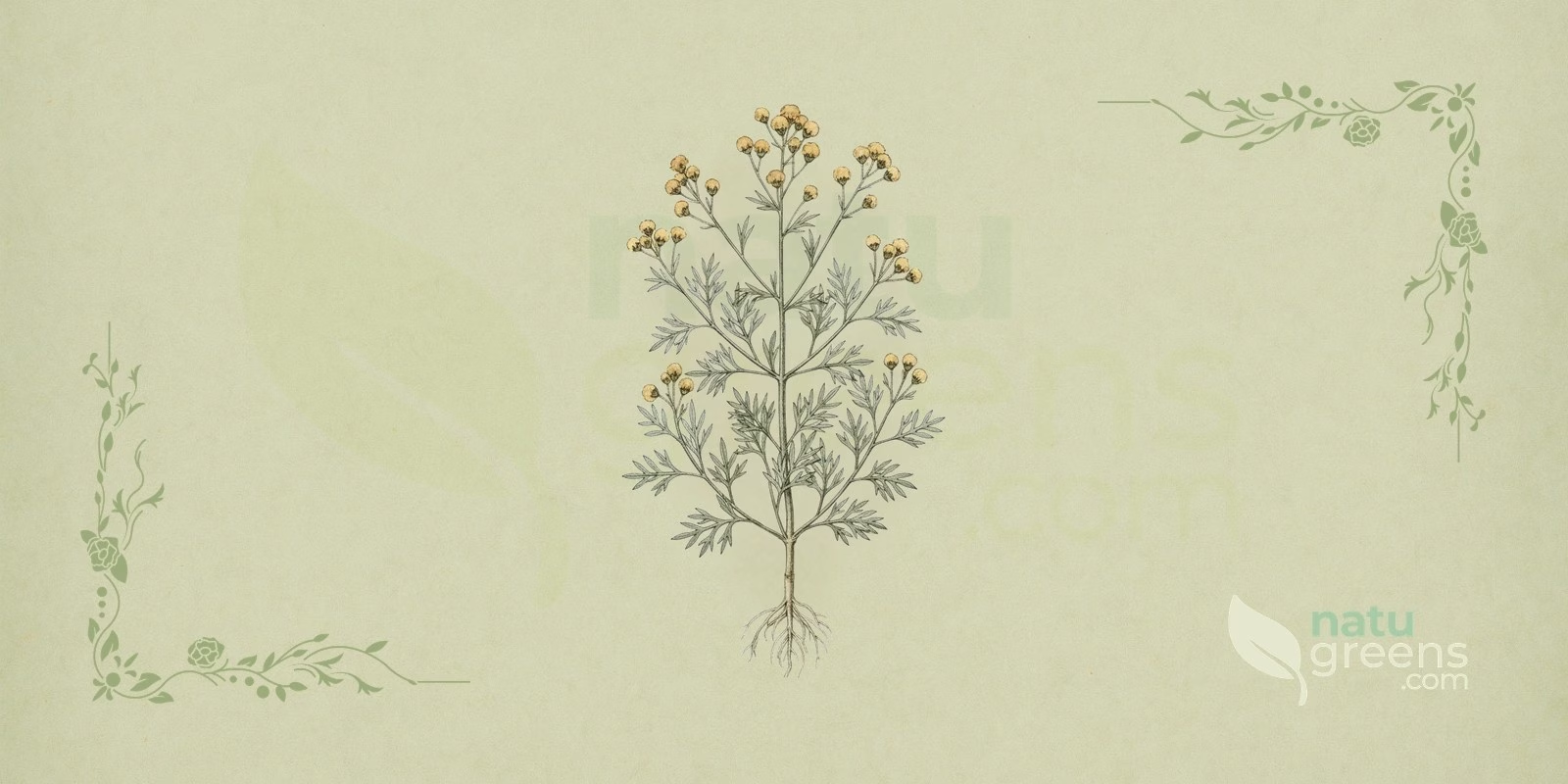
Artemisia abrotanum L. / Southernwood, popularly known as southernwood, lad’s love, old man, lemon plant and garderobe, is a perennial herbaceous plant of the Asteraceae family, native to Eurasia and Africa, that has spread to many regions and eventually became naturalized in North America. Valued since antiquity for its intense scent and its medicinal uses, southernwood appears in historical texts and has been put to work by very different cultures, both for health care and for practical everyday purposes. Its finely divided, grey-green leaves and a fragrance reminiscent of camphor and lemon make it an easy plant to recognize in the garden.
Popular and International Names of Southernwood
- English: appleringie, boy’s love, European sage, garden sagebrush, garderobe, lad’s love, lemon plant, lover’s plant, maid’s ruin, old man, oldman wormwood, Our Lord’s wood, sitherwood, southern wormwood, southernwood.
- French: aurone, citronnelle, garde-robe.
- German: Eberraute, Kampferkraut, Zitronenkraut.
- Italian: abrotano, artemisia odorosa, erba di San Giovanni.
- Portuguese: abrótano, artemísia-dos-jardins, erva-cidreira-do-campo, erva-de-são-joão, guarda-roupa.
- Spanish: abrótano macho, escobilla, hierba lombriguera.
Some of these names are shared with other plants, which calls for care when buying or harvesting: in Brazil, the Portuguese name erva-de-são-joão usually refers to St. John’s wort (Hypericum perforatum), and erva-cidreira is the most common name for lemon balm (Melissa officinalis) and other aromatic species unrelated to southernwood. For this reason, safe identification always depends on the scientific name.
Botanical Synonyms of Artemisia abrotanum
The taxonomy of Artemisia abrotanum L. includes several botanical synonyms used throughout history or in different scientific contexts, among them Abrotanum alpestre Jord., Abrotanum ambiguum Jord. & Fourr., Abrotanum brachylobium Jord. & Fourr., Artemisia altissima Ehrh. ex DC., Artemisia anethifolia Fisch. ex DC., Artemisia elatior Klokov, Artemisia elegans Fisch. ex Ledeb., Artemisia foeniculacea Steven ex DC., Artemisia herbacea Ehrh. ex Willd., Artemisia paniculata Lam., Artemisia procera Willd., Artemisia proceriformis Krasch. and Artemisia tenuissima Spreng. ex Besser. Knowing these synonyms is essential for locating the species accurately in older works, databases and herbarium collections, where it may be recorded under any of these names.
Southernwood should also not be confused with other species of the same genus found in the herb trade. Wormwood (Artemisia absinthium) is rich in thujone and has a far more worrying toxicity profile, mugwort (Artemisia vulgaris) is a different plant with its own traditional uses, and tarragon (Artemisia dracunculus) is the culinary herb well known in French cooking. Southernwood contains much less thujone than wormwood, but it is not free of this substance, which justifies the same basic precautions for use.
Botanical Family: Asteraceae
Artemisia abrotanum belongs to the vast Asteraceae family, formerly called Compositae, one of the largest families of flowering plants, with roughly 1,900 genera and more than 32,000 species distributed worldwide. The most striking feature of the group is the flower head, or capitulum, in which dozens of tiny florets are packed so tightly that the whole cluster looks like a single flower. Many plants of great economic, dietary and medicinal importance belong to this family, such as lettuce, sunflower and chamomile.
Southernwood shares the typical morphological features of the family, with flower heads made up of tubular disc florets in the center and ligulate florets at the margins. The Asteraceae are known for producing bioactive compounds such as sesquiterpene lactones, flavonoids and essential oils, which account for the medicinal properties of many of their species and also for the contact allergies some of them cause. This chemical diversity has been the subject of intense pharmacological research and has already contributed to the development of herbal medicines and dietary supplements.
Parts of Southernwood Used
- Aerial parts
- Essential oil
- Flowers
- Leaves
- Stems
Ethnobotanical and Traditional Uses
- Appetite (traditional record as a stimulant)
- Emmenagogue, or menstruation inducer (historical record, now a reason for contraindication in pregnancy)
- Hair growth (traditional record)
- Insect repellent
- Jaundice (historical record)
- Keeping moths out of wardrobes
- Protection against contagious diseases (historical belief)
- Room fragrance
- Skin conditions (traditional record)
- Skin ulcers (traditional record of external use)
- Sleepwalking (historical record)
- Vermifuge (historical record)
Therapeutic Properties of Southernwood
- Antiallergic (nasal spray investigated in a small open study for allergic rhinitis, still under study)
- Antibacterial (activity against bacteria observed in the laboratory)
- Antifungal (activity against fungi observed in the laboratory)
- Antimalarial (activity against the malaria parasite observed only in the laboratory)
- Antioxidant (free radical scavenging in laboratory assays)
- Antiparasitic (traditional record as a vermifuge and preliminary animal studies)
- Moisturizing (topical cosmetic use under study)
- Repellent (effect on insects and ticks observed in experimental studies)
- Skin protectant (topical cosmetic use under study)
- Wound healing (traditional record of external use on ulcers and wounds)
Detailed Phytochemical Profile of Southernwood
- Alkaloids (abrotine)
- Apigenin
- Aromadendrene
- Artemisinin
- Borneol
- Caffeic acid
- Camphor
- Casticin
- Chlorogenic acid
- Coumarins (esculetin, herniarin, isofraxidin, scopoletin, umbelliferone)
- Cymene
- Davanone
- Essential oil (1,4-cineole, 1,8-cineole, piperitone, terpineol)
- Ferulic acid
- Flavonoids (hyperoside, kaempferol, luteolin, myricetin, quercetin, quercitrin, rutoside)
- Gentisic acid
- Isochlorogenic acid
- Isogermacrene D
- Linalool
- Methyl cis-jasmonate
- Monoterpenoids
- Organic acids
- Piperitone
- Resins
- Rosmarinic acid
- Santonin
- Sesquiterpenoids
- Tannins
- Thujone (at much lower levels than in wormwood)
Preparation and Administration Forms of Southernwood
- Baths
- Compresses
- Essential oil (external use only, always diluted)
- Extracts
- Infusions (short, occasional use)
- Tinctures
Synergy with Other Medicinal Plants
For Digestive Complaints
In herbal tradition, southernwood is often combined with other digestive herbs, such as peppermint (Mentha × piperita) or ginger (Zingiber officinale), in preparations traditionally used to relieve indigestion, gas and mild cramps. The idea behind the blend is that the volatile compounds of these plants act in a complementary way on the digestive tract, although this specific combination has not been evaluated in clinical studies.
For Allergy Symptoms
In formulations aimed at allergic rhinitis, southernwood is paired with plants of similar traditional use, such as stinging nettle (Urtica dioica) or eyebright (Euphrasia officinalis), with the intention of easing nasal congestion and sneezing. The effect of southernwood on rhinitis is still under study, based mainly on one small open study with a nasal spray, and combining it with other herbs does not replace medical follow-up for allergic conditions.
For Skin Care
In topical applications, southernwood can be used alongside calendula (Calendula officinalis) or aloe vera (Aloe barbadensis Mill.). Calendula is traditionally used for its soothing and healing action on the skin, while aloe vera gel is known for its moisturizing effect, and the combination has a traditional record in the care of mild irritations and small superficial wounds, always after a patch test on a small area of skin.
Recipes and Usage Protocols of Southernwood
Traditional Digestive Infusion
A preparation traditionally used for digestive discomfort after meals, intended only for short, occasional use by adults.
Ingredients: a small portion of dried southernwood leaves and one cup of boiling water.
Preparation: pour the boiling water over the leaves, cover and let them steep for a few minutes before straining. Because of the thujone and coumarins present in the plant, the infusion should not become a daily habit or be used for long periods; the amount and duration should be set with a health professional.
Compress for Skin Irritations
An external-use preparation traditionally used for minor irritations, insect bites and mild skin inflammation.
Ingredients: dried southernwood leaves and water.
Preparation: boil the leaves in the water for a few minutes, strain and let the liquid cool until lukewarm. Soak a clean cloth in it and rest it on the affected area for a short time. Stop using it if redness, itching or burning appears, as these may be signs of an allergy to Asteraceae, and consult a health professional if the irritation persists.
External-Use Repellent Oil
A preparation traditionally used to keep insects away, applied only to the intact skin of adults.
Ingredients: a few drops of southernwood essential oil and a carrier vegetable oil, such as sweet almond or jojoba oil.
Preparation: mix the essential oil into the vegetable oil in a dark glass bottle, keeping the dilution low, and apply a small amount to exposed skin. Do a patch test on a small area first and avoid direct sun exposure after application, since some essential oils are photosensitizing. The essential oil must never be ingested, and the preparation should not be used on children or by pregnant or breastfeeding women; consult a health professional about the appropriate dilution.
Traditional Tincture for Internal Use
A preparation traditionally used as a digestive bitter and general tonic, whose use requires professional guidance because of the plant’s chemical composition.
Ingredients: fresh or dried southernwood leaves and 70% grain alcohol.
Preparation: chop the leaves, place them in a dark glass jar and cover them with the grain alcohol. Seal tightly and leave to macerate for a few weeks in a cool, dark place, shaking the jar from time to time, then strain and store the tincture in a dropper bottle. The tincture concentrates the components of the essential oil, including thujone, so it should not be used without guidance: consult a health professional to find out whether it is suitable in your case and what amount is safe.
The preparations above follow traditional records and do not replace professional guidance. Before any internal use, check the contraindications and interactions described in this article.
Associated Therapies
Aromatherapy
In aromatherapy, southernwood essential oil is appreciated for its fresh, herbaceous scent with notes of camphor and lemon, and inhaling it through diffusers or vaporizers is traditionally associated with a feeling of mental clarity and revitalization. The same oil is used to scent rooms in a way that keeps insects away and, diluted in vegetable oil, appears in massages traditionally used to relieve muscle tension and aches. Because it contains thujone and 1,8-cineole, its use should be strictly external or limited to brief inhalation, away from children, pregnant women and people with epilepsy.
Clinical Phytotherapy
In phytotherapy, southernwood is studied for its rich chemical composition, and extracts of the plant have been used in formulations traditionally employed for liver and gallbladder complaints, digestive problems and as an antimicrobial agent. Research, mostly laboratory-based, investigates antimicrobial, antiparasitic and antimalarial activities, but there are still no robust clinical studies confirming these uses in people. Any recommendation in this field should be individualized by a qualified professional, who assesses each patient’s condition and possible interactions with medications in use.
Homeopathy
In homeopathy, Abrotanum is a remedy described in the materia medica for states of weakness and emaciation, with frequent mention of children, cases of marasmus (severe malnutrition), chronic diarrhea and rheumatic complaints that alternate with other manifestations. The French Pharmacopoeia lists southernwood among the raw materials for homeopathic preparations intended for inflammation of the colon, rosacea, chilblains caused by cold and inflammation of the lymph nodes and mucous membranes, and homeopathic tradition also links it to states of dejection and anxiety. These records reflect homeopathy’s own approach and are not equivalent to clinical proof, so none of these conditions, especially childhood malnutrition and depression, should be managed without medical supervision.
Contraindications and Side Effects of Southernwood
General Contraindications
Southernwood essential oil contains thujone, 1,8-cineole and coumarins, so the essential oil must not be ingested, and leaf tea should only be used briefly and occasionally. In pregnancy, southernwood is contraindicated, both because of its traditional use as an emmenagogue and because of the presence of thujone, and breastfeeding women and children should not use the plant. People allergic to Asteraceae, a family that includes daisies, chrysanthemums, chamomile and ragweed, should avoid southernwood, because its sesquiterpene lactones can cause contact dermatitis, hives and, in rare cases, more serious reactions. People with epilepsy should also avoid the plant, since thujone may favor seizures.
All aerial parts contain substances that can be toxic if consumed in large amounts, and the fact that southernwood has much less thujone than wormwood (Artemisia absinthium) does not make it risk-free. The traditional uses as a vermifuge and emmenagogue are mentioned in this article only as a historical record, not as a recipe, and the effect on allergic rhinitis is still under study, which does not allow us to say that the plant is a remedy for this condition.
Common Side Effects
Side effects reported with moderate use are usually mild, such as nausea or gastrointestinal discomfort after infusions, and skin irritation or contact dermatitis after topical application, especially in sensitive people. Applied without proper dilution, the essential oil can irritate and sensitize the skin. In the clinical study of a nasal spray for allergic rhinitis, a small percentage of participants reported stomach pain and allergic reactions, with no serious effects, but the number of people evaluated was too small to draw broad conclusions about safety.
Drug Interactions
Research on specific interactions between Artemisia abrotanum and medications is limited, but the presence of coumarins justifies theoretical caution with anticoagulants, because of a possible increase in bleeding risk, and the same applies to drugs metabolized by cytochrome P450 (CYP) enzymes. People taking blood sugar-lowering drugs for diabetes should monitor their glucose, since a possible effect of the plant on blood sugar levels has been discussed, and anyone taking anticonvulsants, sedatives or antidepressants should also talk to their doctor before any use. In all cases, consult a health professional before using southernwood, especially if you are taking other medications.
Historical Notes and Interesting Facts
Ancient Use as a Repellent and Air Freshener
Southernwood has a long history as a natural repellent and air freshener. In France it became known as “garde-robe” (wardrobe), because its dried leaves were placed among clothes to keep moths and other insects away with their strong camphor scent, a household use that shows how resourceful older communities were in making use of natural resources. The plant was also strewn on house floors to freshen the air and mask unpleasant odors, a common practice long before modern room fresheners.
A Symbol of Love and Memory
In some cultures, southernwood was associated with love and memory, and English folk names such as “lad’s love” and “maid’s ruin” reflect folk beliefs about supposed aphrodisiac powers or its ability to stir memories. Young men often carried sprigs of the plant to win the affection of young women, or it was exchanged as a token of fondness and remembrance. In Sweden, southernwood was part of the bouquets carried to church, and its scent is believed to have helped worshippers stay awake during long sermons, a tradition that still makes it a heritage plant in the country today.
Mentioned in Ancient Texts
The importance of southernwood is evident from its mentions in ancient texts, since Dioscorides and Pliny the Elder described the plant in their works, which shows the recognition it enjoyed in the medicine of antiquity. In the Arab world, Avicenna, one of the most influential physicians and philosophers of the Islamic Golden Age, also recorded its uses. These historical references help explain why southernwood has come down through the centuries as a medicinally and culturally significant plant, long before modern science began to study its chemical composition.
Frequently Asked Questions about Southernwood
Can Southernwood Be Used to Repel Insects?
Yes, southernwood is traditionally used as a repellent, and experimental studies have observed a repellent effect of its extracts on ticks (Ixodes ricinus) and other arthropods. The dried leaves can go into sachets for wardrobes, and the essential oil, always well diluted in vegetable oil, can be applied to the intact skin of adults after a patch test. The oil must never be ingested or used on children or by pregnant or breastfeeding women.
Which Parts of the Plant Are Used Medicinally?
The aerial parts of Artemisia abrotanum, including leaves, flowers and stems, are the most widely used, and extracts, infusions and tinctures are prepared from them. The essential oil, extracted mainly from the leaves and flowers, concentrates the plant’s volatile compounds, including thujone. Since all aerial parts can contain toxic substances in large amounts, use calls for caution and should be short and occasional.
Is Southernwood the Same as Wormwood, Mugwort or Tarragon?
No, they are different species of the same genus, Artemisia. Wormwood (Artemisia absinthium) is rich in thujone, mugwort (Artemisia vulgaris) has its own traditional uses and tarragon (Artemisia dracunculus) is a culinary herb. Southernwood has much less thujone than wormwood, but it is not free of it, so the precautions for use still apply.
Does Southernwood Have Antioxidant Properties?
Laboratory studies have observed moderate antioxidant activity in southernwood extracts, attributed to phenolic compounds such as rosmarinic, chlorogenic and isochlorogenic acids and to flavonoids such as quercitrin. These results come from test-tube assays and do not allow us to state that consuming the plant brings a proven antioxidant benefit to human health.
Is It Safe to Use Southernwood During Pregnancy?
No, southernwood is contraindicated in pregnancy, both because of its traditional use as an emmenagogue and because of the presence of thujone in the essential oil. The plant should not be used during breastfeeding or in children either. Pregnant and breastfeeding women should always consult a health professional before considering any herbal preparation.
What Are the Main Chemical Components of Southernwood?
The phytochemical profile of southernwood is complex and includes monoterpenoids and sesquiterpenoids from the essential oil, such as piperitone, 1,4-cineole, 1,8-cineole, camphor, borneol, davanone and small amounts of thujone. The plant also contains phenolic compounds, such as chlorogenic and rosmarinic acids, flavonoids such as apigenin and quercetin, as well as coumarins and the alkaloid abrotine, which explain both the research interest and the precautions for use.
Notice: this content is for informational purposes and does not replace professional medical advice. Consult a physician or herbal practitioner before using medicinal plants, especially during pregnancy, breastfeeding, or alongside medication.
How to cite this article
NATUGREENS. Southernwood (Artemisia abrotanum): Properties and Benefits. Natugreens, 4 Nov. 2026. Disponível em: https://natugreens.com/southernwood-artemisia-abrotanum/. Accessed: Nov. 4, 2026.
Natugreens. (2026). Southernwood (Artemisia abrotanum): Properties and Benefits. Natugreens. https://natugreens.com/southernwood-artemisia-abrotanum/
References and Scientific Studies
- PMC2007 Brodin K, et al. In vitro activity of artemisia abrotanum extracts against Malassezia Spp., Candida albicans and Staphylococcus aureus. Acta Derm Venereol. 2007.
- PMC2021 Ekiert H, et al. Artemisia abrotanum L. (Southern Wormwood)-History, Current Knowledge on the Chemistry, Biological Activity, Traditional Use and Possible New Pharmaceutical and Cosmetological Applications. Molecules. 2021.
- PMC2004 Remberg P, et al. Characteristics, clinical effect profile and tolerability of a nasal spray preparation of Artemisia abrotanum L. for allergic rhinitis. Phytomedicine. 2004.
- PMC2020 Svanberg I, et al. “It may also have prevented churchgoers from falling asleep”: southernwood, Artemisia abrotanum L. (fam. Asteraceae), in the church bouquet, and its contemporary presence as a heritage plant in Sweden. J Ethnobiol Ethnomed. 2020.
- PMC2006 Tunón H, et al. Arthropod repellency, especially tick (Ixodes ricinus), exerted by extract from Artemisia abrotanum and essential oil from flowers of Dianthus caryophyllum. Fitoterapia. 2006.