



Quick summary
Varronia curassavica Jacq., popularly known as black sage, is an aromatic shrub of the Boraginaceae family, native to a range stretching from Mexico to tropical America, with a strong presence along the Brazilian coast. The botanical synonym Cordia verbenacea is still the name most used in Brazilian scientific…
Main caution: The most consistent evidence on black sage concerns topical use: the essential oil standardized in alpha-humulene is the basis of a registered Brazilian phytomedicine, used in anti-inflammatory creams and ointments…
Varronia curassavica Jacq., popularly known as black sage, is an aromatic shrub of the Boraginaceae family, native to a range stretching from Mexico to tropical America, with a strong presence along the Brazilian coast. The botanical synonym Cordia verbenacea is still the name most used in Brazilian scientific literature and in ANVISA records, so both names appear side by side in references to the plant. Its aromatic leaves support a long tradition of use against pain and inflammation and gave rise to one of the country's best-known topical phytomedicines. The strongest evidence on the species comes precisely from that external, standardized use, while drinking the leaves as tea still has few studies behind it and calls for caution.
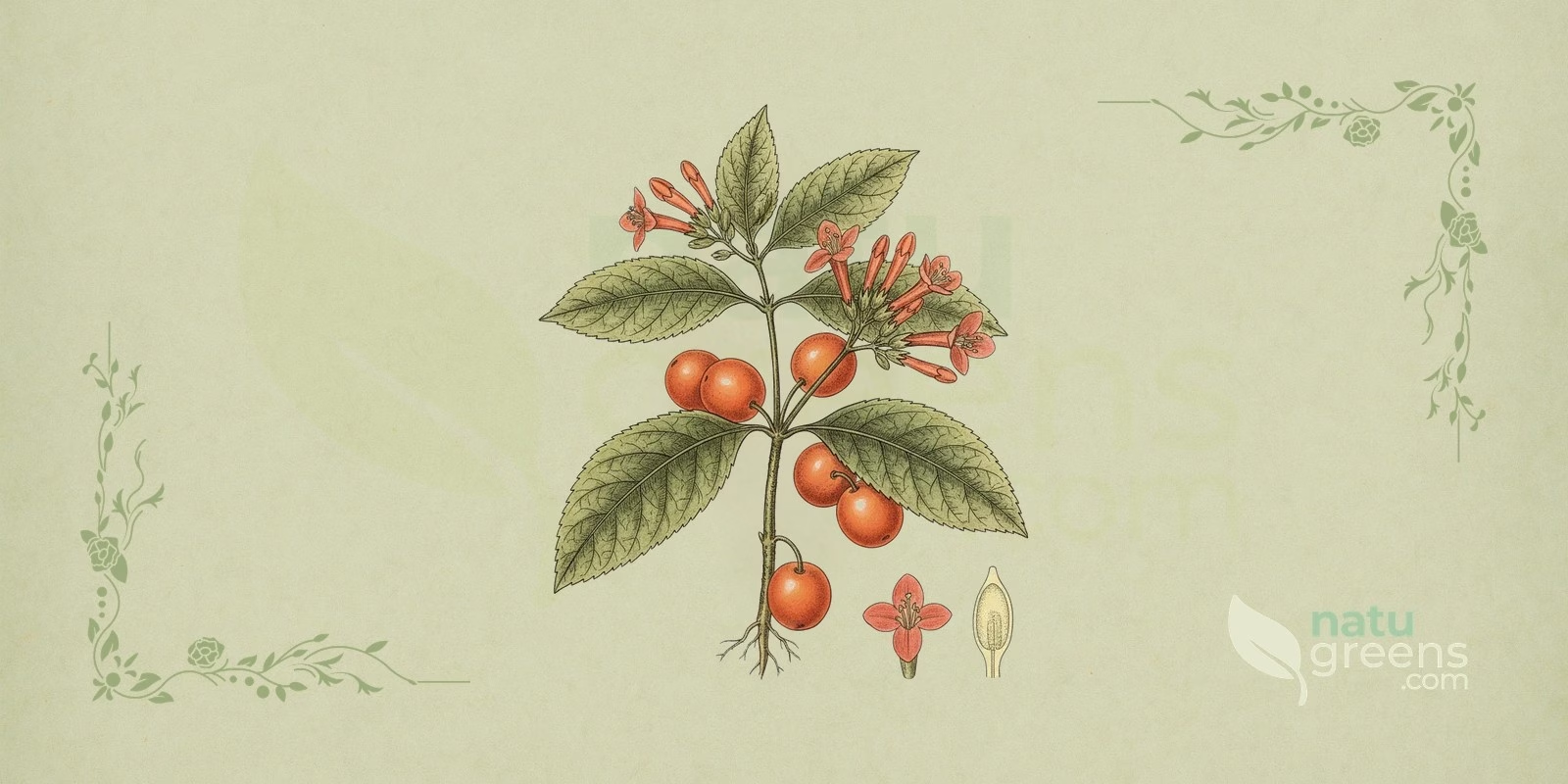
Common and International Names of Black Sage
- English: black sage, wild sage, tropical black sage, bouillon bush.
- French: mahot noir.
- German: no established popular name; it is referred to by its scientific name, Varronia curassavica.
- Italian: no established popular name; it is referred to by its scientific name, Varronia curassavica.
- Portuguese: erva-baleeira, maria-preta, maria-milagrosa, catinga-de-barão, caramona, salicina.
- Spanish: maría negra, bolita prieta.
Not to Be Confused with Cordia lutea and Cordia sinensis
Black sage often comes up alongside two species of the genus Cordia that already have their own articles on this site, Cordia lutea, known as overo, and Cordia sinensis, used in traditional Arab and East African medicine. These are different plants, each with its own history of use, chemical composition and geographic distribution, and findings from studies on one do not carry over to the other. What tends to cause confusion is that black sage itself is also known as Cordia verbenacea, a botanical synonym still in use in Brazilian scientific literature, but that name refers to the very same plant, Varronia curassavica, not a different species.
Botanical Synonyms of Black Sage
The currently accepted name for the species is Varronia curassavica Jacq., described by the Dutch-Austrian botanist Nikolaus Joseph von Jacquin back in the eighteenth century. For decades, though, the plant circulated in pharmacological research, in the medicinal plant trade and in Brazilian health records under the name Cordia verbenacea A.DC., a synonym that still appears in ANVISA documents concerning the phytomedicine derived from the species. The list of botanical synonyms is extensive and also includes Cordia curassavica, Cordia salicina and Lithocardium curassavicum, among other names used across successive taxonomic revisions since the late eighteenth century. In practice, anyone researching the plant will come across both names, Varronia curassavica and Cordia verbenacea, referring to the same species.
Botanical Family: Boraginaceae
Black sage belongs to the Boraginaceae family, a group of flowering plants that brings together more than a hundred genera and around two thousand species, distributed mainly across temperate and subtropical regions. Some more recent classifications place the genus Cordia and related species, such as Varronia curassavica, within a separate family, Cordiaceae, but this split is still not unanimous among botanists, and much of the literature keeps using Boraginaceae. Species in the family range from annual herbs to shrubs and trees, with small, funnel- or bell-shaped flowers gathered into characteristic inflorescences.
Within the family, black sage stands out for the aromatic essential oil and the flavonoids found in its leaves, unlike other Boraginaceae known for pyrrolizidine alkaloids, liver-toxic substances that have not been identified in Varronia curassavica.
Parts of Black Sage That Are Used
The leaves are the part traditionally used, fresh or dried, in preparing teas, tinctures, compresses, poultices and ointments. The standardized essential oil used by the pharmaceutical industry for topical purposes is also extracted from the leaves.
Ethnobotanical and Traditional Uses of Black Sage
Along the Brazilian coast, especially among caiçara communities on the coast of São Paulo state, black sage has been used for generations against muscle pain, rheumatism, arthritis, tendinitis, bruises and neuralgia, almost always externally, in compresses, ointments and tinctures applied to the skin. There is also a traditional oral use, in infusions, for internal pain, cramps and digestive discomfort, but this use is far less documented than the topical one. These are records of folk knowledge passed down from generation to generation, and they do not replace a professional diagnosis or recommendation.
Medicinal Properties of Black Sage
The properties below come from preclinical studies, almost always testing the essential oil or leaf extracts in the laboratory or in animals, together with traditional use. None of them is established by robust clinical trials in humans for this species:
- Analgesic (observed in experimental models using the essential oil)
- Anti-inflammatory (the most studied property, the basis of the registered topical phytomedicine)
- Antimicrobial (action against bacteria and fungi in laboratory trials)
- Antioxidant (activity against free radicals in in vitro tests)
- Wound healing (traditional use with some supporting preclinical studies)
- Repellent and larvicidal against the Aedes aegypti mosquito (observed in laboratory trials)
Almost all of these findings come from tests with the essential oil applied topically or analyzed in the laboratory, not from drinking the tea, and one use does not automatically carry over to the other.
Detailed Phytochemical Profile of Black Sage
The most studied phytochemical marker of black sage is the leaf essential oil, rich in sesquiterpenes with anti-inflammatory action demonstrated in experimental models, chiefly alpha-humulene, followed by beta-caryophyllene. These two compounds underpin the standardization used in manufacturing the topical phytomedicine derived from the plant. Besides the essential oil, the leaves contain flavonoids, such as quercetin, artemetin and hydroxyartemetin, which contribute to the antioxidant activity, along with mucilage, tannins, esters and polyphenols, which act together with the other compounds.
- Alpha-humulene (the main sesquiterpene in the essential oil, the main anti-inflammatory marker)
- Beta-caryophyllene (sesquiterpene associated with the anti-inflammatory action of alpha-humulene)
- Artemetin and hydroxyartemetin (flavonoids with antioxidant activity)
- Quercetin (a flavonoid widely studied in medicinal plants)
- Gamma-muurolene (a sesquiterpene present in the essential oil)
- Mucilage, tannins, esters and polyphenols (secondary compounds that act alongside the essential oil)
Forms of Preparation and Administration of Black Sage
The most studied form, and the one that holds health registration, is the standardized essential oil, used in manufacturing anti-inflammatory creams and ointments for topical use, such as the medicine Acheflan, the first fully Brazilian phytomedicine approved for this purpose. In folk tradition, infusions, tinctures, compresses, poultices and garrafadas (herbal macerations) are also prepared from the fresh or dried leaves, used both topically and orally. The industrialized, registered product has a defined concentration and quality control, while homemade preparations, whether tea, tincture or ointment, do not follow that same standardization, and the amount of alpha-humulene varies from plant to plant.
Synergy with Other Medicinal Plants
Anti-Inflammatory Potentiation
The anti-inflammatory profile of black sage is often mentioned alongside other plants with a similar action, such as turmeric (Curcuma longa) and ginger (Zingiber officinale). The combination is a reasonable hypothesis given what is already known about each plant on its own, but no study has specifically tested this pairing, and combining active plants without guidance can change the total dose taken over the course of a day.
Relief for Muscle and Joint Pain
For muscle and joint pain, black sage is commonly paired with arnica (Arnica montana), traditionally used externally for bruises, or white willow (Salix alba), whose bark contains salicin, a precursor of acetylsalicylic acid. These are popular combinations, with no clinical trials confirming any advantage over using each plant on its own.
Recipes and Usage Protocols for Black Sage
Compress for Muscle Pain
Prepare a concentrated infusion with two tablespoons of dried black sage leaves per 250 ml of boiling water, let it steep for ten minutes, and let it cool. Soak a clean cloth in this infusion and apply it to the sore area for fifteen to twenty minutes, a few times a day. This is a traditional practice for muscle pain and bruises, with no clinical study confirming how effective this specific way of using it really is.
Homemade Ointment
For a simple ointment, mash fresh black sage leaves and mix them with a neutral base, such as petroleum jelly or melted beeswax, in a ratio of one part leaves to three parts base, heating the mixture in a water bath for about thirty minutes before straining it and storing it in a clean container. This is a topical preparation, inspired by the same active principle as the industrialized phytomedicine, but without the standardization and quality control of the registered product.
Leaf Tea
For the tea, use one teaspoon of dried leaves per 200 ml of boiling water, covered and left to steep for five to seven minutes. Oral use is the least studied of black sage's preparation methods and should be approached with moderation, avoiding frequent use or large amounts.
These uses follow traditional records and do not replace professional guidance. Before any use, especially by mouth, consult the contraindications described further below in this article.
The preparations above follow traditional records and do not replace professional guidance. Before any internal use, check the contraindications and interactions described in this article.
Therapies Associated with Black Sage
Clinical Phytotherapy
In clinical phytotherapy, black sage is the basis of one of Brazil's best-known topical phytomedicines, with an extract standardized in alpha-humulene used in anti-inflammatory creams and ointments sold with health registration. This industrial standardization is what sets the pharmaceutical product apart from the homemade preparation, and it is also where most of the clinical research on the plant is concentrated.
Traditional Caiçara Medicine
Outside clinical phytotherapy, the use of black sage remains alive in the folk medicine of caiçara communities along the São Paulo coast, where the plant is grown in home gardens and used in compresses and garrafadas for everyday aches and pains. As far as is known, there is no codified therapeutic system equivalent to homeopathy or traditional Chinese medicine documented for this species, but the knowledge stays alive through oral transmission between generations.
Contraindications and Side Effects of Black Sage
The most consistent evidence on black sage concerns topical use: the essential oil standardized in alpha-humulene is the basis of a registered Brazilian phytomedicine, used in anti-inflammatory creams and ointments, such as Acheflan. This external, industrialized use is the one with the most solid clinical backing. Oral use, as tea or infusion of the leaves, is poorly studied and should not be equated with the registered topical product, since these are different forms of use with different levels of evidence.
Taken orally, black sage can cause gastric irritation, especially in larger amounts or with frequent use. There is not enough safety data on drinking the tea during pregnancy, breastfeeding or in children, so oral use should be avoided in these groups until more research becomes available. People with a history of allergy to plants in the Boraginaceae family should also avoid contact with black sage, both topically and orally.
Drug Interactions
There are no well-documented drug interactions recorded for black sage. Since its studied properties are anti-inflammatory, people taking anticoagulants or other anti-inflammatory drugs should talk to a doctor before combining oral use of the plant with those medications. Guidance from a health professional is always recommended before starting any herbal treatment, and this matters even more when it comes to oral use of a plant that has been little studied by that route.
Curiosities and Historical Facts
The current scientific name, Varronia curassavica, was established by the Dutch-Austrian botanist Nikolaus Joseph von Jacquin back in the eighteenth century, but much of the plant's recent history is tied to the name Cordia verbenacea, used across decades of pharmacological research in Brazil and still present in ANVISA records. Traditional use by caiçara communities on the coast of São Paulo state was the starting point for the studies that isolated alpha-humulene as the main active compound of the plant's essential oil. From that work came Acheflan, considered the first fully Brazilian topical anti-inflammatory phytomedicine, a milestone for research into native plants in the country and an example of how folk knowledge can guide scientific research.
Frequently Asked Questions about Black Sage
Are Black Sage and Cordia verbenacea the Same Plant?
Yes. Varronia curassavica is the currently accepted botanical name, and Cordia verbenacea is the synonym most used in Brazilian scientific literature and in ANVISA records. Both names refer to the same species, not to different plants.
Does Black Sage Tea Have the Same Effect as the Industrialized Ointment?
Not necessarily. The strongest evidence on black sage comes from the standardized essential oil used topically in registered products, such as Acheflan. The leaf tea is poorly studied for oral use, and should not be equated with the topical pharmaceutical product.
What Are the Main Risks of Oral Use of Black Sage?
The main reported effect is gastric irritation, especially with frequent use or larger amounts. There is also a lack of safety data on the tea during pregnancy, breastfeeding and in children, situations in which oral use should be avoided.
Is Black Sage Good for Muscle Pain?
Traditional use and the registered topical phytomedicine support this use externally, backed by preclinical studies on alpha-humulene. The same level of evidence does not exist for oral use for this purpose.
Who Should Not Use Black Sage?
Pregnant women, breastfeeding women and children should avoid oral use because of the lack of safety data. People allergic to plants in the Boraginaceae family should avoid both topical and oral use, and anyone taking anticoagulants or other anti-inflammatory drugs should consult a doctor before combining use of the plant with those medications.
Notice: this content is for informational purposes and does not replace professional medical advice. Consult a physician or herbal practitioner before using medicinal plants, especially during pregnancy, breastfeeding, or alongside medication.
How to cite this article
NATUGREENS. Black Sage (Varronia curassavica): Uses and Precautions. Natugreens, 21 Nov. 2026. Disponível em: https://natugreens.com/black-sage-varronia-curassavica/. Accessed: Nov. 21, 2026.
Natugreens. (2026). Black Sage (Varronia curassavica): Uses and Precautions. Natugreens. https://natugreens.com/black-sage-varronia-curassavica/
References and Scientific Studies
View All 11 Cited References
Peer-Reviewed Scientific Studies (6)
- DOI2018 Hoeltgebaum, M. P., Montagna, T., Lando, A. P., Puttkammer, C., Orth, A. I., Guerra, M. P. and Reis, M. S. dos (2018). Reproductive Biology of Varronia curassavica Jacq. (Boraginaceae). Anais da Academia Brasileira de Ciências, 90(1), 59-71. ↗
- DOI2009 Lameira, O. A., Pinto, J. E. B. P., Cardoso, M. G. and Arrigoni-Blank, M. F. (2009). Estabelecimento de cultura de células em suspensão e identificação de flavonoides em Cordia verbenacea DC. Revista Brasileira de Plantas Medicinais, 11(1), 7-11. ↗
- DOI2013 Matias, E. F., Alves, E. F., Santos, B. S. et al. (2013). Biological Activities and Chemical Characterization of Cordia verbenacea DC. as Tool to Validate the Ethnobiological Usage. Evidence-Based Complementary and Alternative Medicine, 2013, 164215. ↗
- DOI2017 Oza, M. J. and Kulkarni, Y. A. (2017). Traditional uses, phytochemistry and pharmacology of the medicinal species of the genus Cordia (Boraginaceae). Journal of Pharmacy and Pharmacology, 69(7), 755-789. ↗
- DOI2012 Rodrigues, F. F. G., Oliveira, L. G. S. et al. (2012). Chemical composition, antibacterial and antifungal activities of essential oil from Cordia verbenacea DC leaves. Pharmacognosy Research, 4(3), 161-165. ↗
- DOI2005 Sertié, J. A. A., Woisky, R. G., Wiezel, G. and Rodrigues, M. (2005). Pharmacological assay of Cordia verbenacea V: oral and topical anti-inflammatory activity, analgesic effect and fetus toxicity of a crude leaf extract. Phytomedicine, 12(5), 338-344. ↗
Supplementary Readings (5)
- 2012 Gilbert, B. and Favoreto, R. (2012). Cordia verbenacea DC Boraginaceae. Revista Fitos, 7(1), 17-25.
- 2020 Horto Didático de Plantas Medicinais do HU/CCS, Universidade Federal de Santa Catarina. (2020). Erva-baleeira. ↗
- Plants of the World Online, Royal Botanic Gardens Kew. (n.d.). Varronia curassavica Jacq. ↗
- 2016 Queiroz, T. B. (2016). Teor e composição química do óleo essencial de erva-baleeira (Varronia curassavica Jacq.) em função dos horários de coleta. Master's thesis, Universidade Federal de Minas Gerais.
- Wikipedia (Portuguese). (n.d.). Cordia verbenacea. ↗
You May Also Like
Take your time and tell us everything you think, details included. Every response is read by someone on our editorial team and goes into the article's revision. An honest critique helps us more than a polite compliment.
Take your time and tell us everything you think, details included. Every response is read by someone on our editorial team and goes into the article's revision. An honest critique helps us more than a polite compliment.