



Quick summary
Bursera graveolens (Kunth) Triana & Planch., popularly known as Palo Santo, is a tree of the Burseraceae family native to the dry tropical forests of Ecuador and Peru, also found in Colombia, Panama, Central America, and the Galápagos Islands. Its aged wood, rich in aromatic terpenes such as limonene and…
Main caution: Palo Santo is a product for aromatic and ethnobotanical use, and the scientific evidence on its therapeutic effects is still weak; for that reason, it should never replace a medical diagnosis or treatment. The essential…
Bursera graveolens (Kunth) Triana & Planch., popularly known as Palo Santo, is a tree of the Burseraceae family native to the dry tropical forests of Ecuador and Peru, also found in Colombia, Panama, Central America, and the Galápagos Islands. Its aged wood, rich in aromatic terpenes such as limonene and alpha-terpineol, is traditionally burned as incense in purification rituals inherited from pre-Columbian Andean cultures. The ethnobotanical use of Palo Santo is widespread across South America, but scientific research into its effects is still scarce and concentrated in pre-clinical studies, which calls for caution regarding any promise of health benefits.
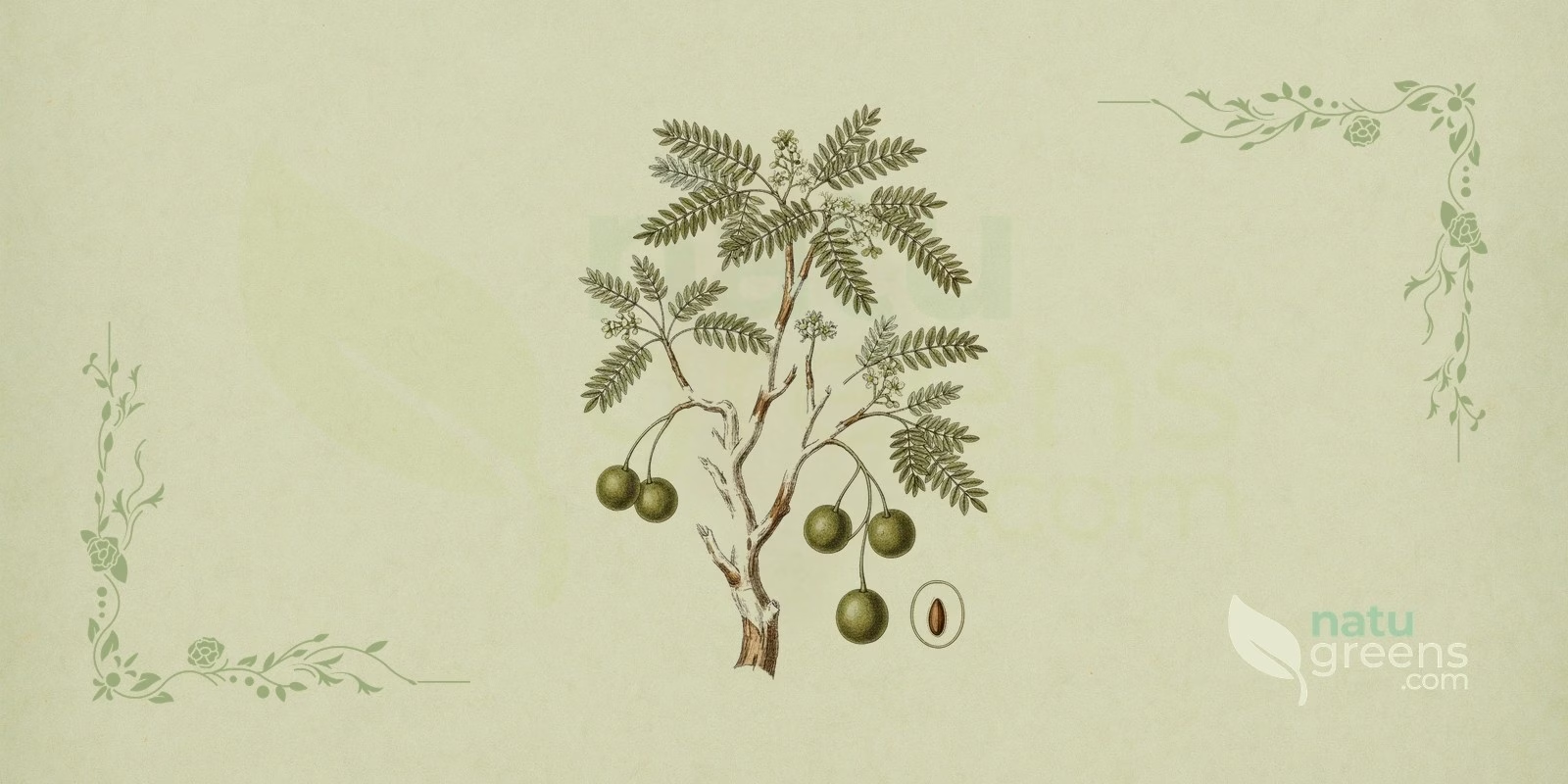
Common and International Names of Palo Santo
- Portuguese: Palo Santo, pau-santo.
- English: palo santo, holy wood.
- Spanish: palo santo, madera sagrada.
- German: Palo Santo, Heiliges Holz.
- French: bois sacré, palo santo.
- Italian: legno sacro, palo santo.
Not to Be Confused with Bulnesia sarmientoi
Confusion is common between Ecuadorian and Peruvian Palo Santo (Bursera graveolens) and another tree also called palo santo in Argentina and Paraguay, Bulnesia sarmientoi (synonym Gonopterodendron sarmientoi). These are completely different species, from distinct genera and botanical families: Bulnesia sarmientoi belongs to the Zygophyllaceae family, grows in the South American Chaco region, and is listed under CITES Appendix II because of the intense exploitation of its essential oil by the perfume industry. The Bursera graveolens described here, from the Burseraceae family and used in Ecuador and Peru as aromatic incense, is not subject to that international restriction, although some countries within its range have their own sustainable harvesting rules.
Botanical Synonyms of Palo Santo
The currently accepted botanical name is Bursera graveolens (Kunth) Triana & Planch. In older literature, the species also appears under the synonym Elaphrium graveolens Kunth, now considered obsolete by most reference taxonomic databases.
Botanical Family: Burseraceae
Burseraceae is known as the incense family and includes about 540 species spread across roughly 17 genera, mostly trees and shrubs from tropical regions. It is the same family as frankincense (Boswellia sacra) and myrrh (Commiphora myrrha), plants historically associated with the production of resins and aromatic oils for ritual and cosmetic use. A trait shared across these species is the presence of resin-secreting canals in the bark and wood, responsible for the intense aroma that characterizes the group.
Parts Used from Palo Santo
The parts used are mainly the aged wood, in shavings, small sticks, or powder, and the essential oil extracted by steam distillation of the wood and, less often, of the fruit. The resin is also collected in some traditional contexts, although with less commercial relevance than the wood.
Ethnobotanical and Traditional Uses of Palo Santo
In Andean folk medicine, Palo Santo is used in different ways, always as a traditional use without robust scientific confirmation in humans:
- Traditional relief of digestive discomfort and stomach pain, taken as tea
- Folk use as a liniment for rheumatic and muscular pain
- Aromatherapy for relaxation and perceived stress reduction
- Ritual smoke cleansing in space purification ceremonies
- Natural insect repellent when the wood is burned
- Traditional use as a sudorific in some folk contexts
Medicinal Properties of Palo Santo
The properties listed below mostly reflect traditional use and a few isolated pre-clinical findings, especially related to the limonene present in the essential oil. None of them has been confirmed by robust clinical trials in humans, so Palo Santo should be understood as an ethnobotanical and aromatic resource, not as medical treatment.
- Analgesic (folk use for headaches, muscle pain, and sore throat)
- Anti-inflammatory (suggested by laboratory studies with limonene, not confirmed in humans)
- Antiseptic (activity observed against some microorganisms in in vitro tests)
- Antispasmodic (traditional use for cramps and muscle spasms)
- Anxiolytic (effect reported in folk aromatherapy, without clinical trials)
- Expectorant (traditional use by inhaling the smoke or diluted oil)
- Insect repellent (folk use of the wood's smoke)
Detailed Phytochemical Profile of Palo Santo
The chemical composition of Palo Santo essential oil varies according to geographic origin and how long the wood has aged, but the available studies point to some recurring compounds:
- Limonene (the main compound, responsible for the citrus aroma and also for the primary risk of skin sensitization when oxidized)
- Alpha-terpineol (contributes to the oil's woody notes)
- Caryophyllene (a sesquiterpene common in aromatic oils)
- Cymene (a monoterpene associated with the characteristic aroma)
- Carvone (present in smaller concentration)
- Menthofuran and pulegone (minor compounds reported in some analyses)
- Flavonoids and lignans (present in the wood, associated with antioxidant activity in laboratory tests)
- Triterpenes and esters (minor components of the resin and wood)
Preparation and Administration Forms of Palo Santo
The most traditional form of use is smoke cleansing: small sticks or wood shavings are lit and, once they form embers, release an aromatic smoke used to scent spaces. The tea, prepared by steeping the shavings in boiling water, is consumed in some regions of Ecuador and Peru, although with limited evidence of effectiveness. The essential oil is usually used by inhalation, in diffusers, or topically, always diluted in a vegetable oil; it should never be ingested, since oral use of the essential oil is not considered safe. The tincture, less common, is obtained by macerating the wood in alcohol.
Synergy with Other Medicinal Plants
For Relaxation and Meditation
Palo Santo's woody, slightly citrusy aroma is often combined in diffusers with lavender (Lavandula angustifolia) and sandalwood (Santalum album). This pairing is popular in meditation and yoga practices, where the goal is an environment conducive to relaxation; lavender contributes its calming profile, which has been studied more extensively, while sandalwood reinforces the blend's woody notes.
For Respiratory Comfort
By inhalation, Palo Santo oil is sometimes paired with eucalyptus (Eucalyptus globulus) and peppermint (Mentha × piperita) in a combination meant to create a sensation of clearer airways. Limonene from Palo Santo, eucalyptol from eucalyptus, and menthol from peppermint act together in that perceived sense of relief, always as a complementary resource and never as a substitute for medical guidance in respiratory conditions.
Recipes and Usage Protocols for Palo Santo
Palo Santo Infusion for Digestive Comfort
Ingredients: one teaspoon of Palo Santo shavings and 200 ml of boiling water.
Pour the boiling water over the shavings and let steep for five to seven minutes. Strain and drink one cup after meals. This preparation follows the folk use of Palo Santo tea in Ecuador for mild digestive discomfort, but it should not be seen as a substitute for medical evaluation in case of persistent pain. Pregnant or breastfeeding women and young children should not drink this tea, as there are no safety data on the infusion for these groups.
Room Spray with Palo Santo Essential Oil
Ingredients: ten drops of Palo Santo essential oil, five drops of lavender essential oil, 100 ml of distilled water, and one teaspoon of grain alcohol to help with dispersion.
Mix the essential oils with the alcohol in a dark glass bottle, top off with the distilled water, and shake well before each use. Spray into the room, avoiding direct contact with the eyes and skin. Never use the essential oil orally.
Diluted Massage Oil for Muscle Discomfort
Ingredients: five drops of Palo Santo essential oil and 30 ml of a vegetable oil such as almond, jojoba, or coconut.
Mix the essential oil into the vegetable oil in a dark bottle and apply it to the sore area, massaging gently. Always do a sensitivity patch test on a small area of skin before the first application, since oxidized limonene can cause irritation in sensitive skin. These uses follow traditional records and do not replace professional guidance.
The preparations above follow traditional records and do not replace professional guidance. Before any internal use, check the contraindications and interactions described in this article.
Therapies Associated with Palo Santo
Clinical Phytotherapy
Within phytotherapy, interest in Palo Santo focuses mainly on its essential oil and on the compounds present in the wood, studied for their potential anti-inflammatory and antiseptic activity in laboratory tests. There are still no standardized clinical protocols supporting its use as a formal complementary therapy, so the plant remains, for now, in territory that is more ethnobotanical than pharmacological.
Shamanic Practices and Purification Rituals
Among Indigenous peoples of the Andean and Amazonian regions, Palo Santo holds a central place in energetic cleansing rituals and spiritual healing ceremonies. Burning the wood, carried out by shamans and healers, is traditionally associated with warding off energies considered negative and creating a sacred space for contemplative practices, without this representing any proven effect on physical illness.
Contraindications and Side Effects of Palo Santo
Palo Santo is a product for aromatic and ethnobotanical use, and the scientific evidence on its therapeutic effects is still weak; for that reason, it should never replace a medical diagnosis or treatment. The essential oil is rich in limonene, a compound that can become a skin sensitizer when it oxidizes through contact with air and light, increasing the risk of irritation or skin allergy in topical applications made with old or poorly stored oil. A patch test on a small area of skin is recommended before any topical application. Palo Santo essential oil must not be ingested under any circumstances. Smoke from burning the wood can irritate the airways of people with asthma or other sensitive respiratory conditions, so smoke cleansing should always take place in well-ventilated spaces, avoiding direct and prolonged inhalation of the smoke by this group. Pregnant women, breastfeeding mothers, and young children should avoid both the essential oil and the tea, given the lack of safety studies in these groups. People with a history of allergy to plants in the Burseraceae family should also avoid contact with the wood and the oil.
Drug Interactions
There are no robust studies on systemic interactions between Palo Santo and medications, since its traditional route of use is topical, inhaled, or by smoke, never oral. Because oxidized essential oil is a known skin sensitizer, caution is advised when combining it with other exfoliating or irritating topical products, such as acids or retinoids, due to the risk of compounding skin irritation. People being treated for asthma or other respiratory conditions should talk to their doctor before frequently exposing themselves to the wood's smoke.
Curiosities and Historical Facts
The name Palo Santo means "holy wood" in Spanish, a direct reference to the role the tree played in the rituals of pre-Columbian Andean civilizations, which associated its smoke with purifying the aura and warding off bad spirits. Traditional, sustainable harvesting of the wood follows a slow process: only trunks from trees that have already fallen naturally and remained on the ground for several years are used, a period during which the wood develops the aromatic profile that makes it valuable. In some countries, such as Peru, cutting down living trees is prohibited by law, precisely to protect the species' remaining populations. Beyond ritual use, tea made from the wood shavings remains part of daily life in certain communities in Ecuador.
Frequently Asked Questions about Palo Santo
Are Palo Santo and the Argentine "Palo Santo" the Same Plant?
No. The Palo Santo covered in this article is Bursera graveolens, a tree from Ecuador and Peru used as aromatic incense. The palo santo sold in Argentina and Paraguay usually comes from Bulnesia sarmientoi, a different species from another botanical family, which is protected under CITES Appendix II.
Can Palo Santo Essential Oil Be Ingested?
No. Palo Santo essential oil must not be ingested under any circumstances. Its traditional use is limited to inhalation and topical application diluted in a vegetable oil.
Can People with Asthma Use Palo Santo for Smoke Cleansing?
People with asthma should be cautious, because smoke from the wood can irritate the airways. When there is interest in the aroma, it is best to favor well-ventilated spaces and avoid direct, prolonged inhalation of the smoke, or choose combustion-free alternatives, such as diluted essential oil in a diffuser.
Does Palo Santo Cure Anxiety or Digestive Problems?
There is no scientific proof that Palo Santo cures any condition. What exists are reports of traditional use for the perceived relief of mild digestive discomfort and for relaxation in aromatic contexts, always as a complementary resource and never as a substitute for medical follow-up.
Is It True That Palo Santo Is Threatened with Extinction?
Bursera graveolens faces exploitation pressure in some areas where it occurs, which has led to conservation assessments and reforestation programs in countries such as Ecuador. Part of the confusion comes from the other palo santo, Bulnesia sarmientoi, which is the species actually listed under CITES Appendix II. For that reason, it is important to favor products of certified origin, obtained from naturally fallen wood, rather than the felling of living trees.
Notice: this content is for informational purposes and does not replace professional medical advice. Consult a physician or herbal practitioner before using medicinal plants, especially during pregnancy, breastfeeding, or alongside medication.
How to cite this article
NATUGREENS. Palo Santo (Bursera graveolens): Uses, Properties and Risks. Natugreens, 21 Nov. 2026. Disponível em: https://natugreens.com/palo-santo-bursera-graveolens/. Accessed: Nov. 21, 2026.
Natugreens. (2026). Palo Santo (Bursera graveolens): Uses, Properties and Risks. Natugreens. https://natugreens.com/palo-santo-bursera-graveolens/
References and Scientific Studies
View All 16 Cited References
Peer-Reviewed Scientific Studies (2)
- PEER2019 Fon-Fay, F. M. (2019). Chemical composition and antioxidant activity of Bursera graveolens. ↗
- PEER2023 Laurintino, T. N. S. (2023). Evaluation of the biological activity and chemical profile of Bursera graveolens. ↗
Supplementary Readings (14)
- Wikipedia. (n.d.). Bursera graveolens. ↗
- 2020 Healthline. (2020). Palo Santo Benefits, Uses, Precautions, and How to Use It. ↗
- 2019 Mountain Rose Herbs. (2019). 4 Palo Santo Essential Oil Blend Recipes for Clarity. ↗
- Mountain Rose Herbs. (n.d.). Essential Oil Dilution Guide. ↗
- 2019 Salas, E. M., & Samain, M.-S. (2019). IUCN Red List of Threatened Species: Bursera graveolens. ↗
- 2019 Jaramillo-Colorado, B. E. (2019). Volatile chemical composition of essential oil from Bursera graveolens. ↗
- 2008 Gibson, R. (2008). My Body, My Earth: The Practice of Somatic Archaeology. iUniverse.
- 2011 Lemdo, M. A. (2011). All About Smudging. Llewellyn Worldwide.
- 2009 Farmer, S. D. (2009). Earth Magic: Ancient Shamanic Wisdom for Healing Yourself, Others, and the Planet. Hay House.
- 2020 Bosker, B. (2020). Why Witchcraft Is on the Rise. The Atlantic.
- 2019 Zapata, R. (2019). Piura: authorities seize 1.5 tons of illegally sourced palo santo. El Comercio (Peru).
- 2018 Radio Programas del Peru. (2018). Chiclayo: more than three tons of illegally transported palo santo seized.
- 2019 Martin, C. (2019). Is Palo Santo Endangered? The New York Times.
- EcuadorianHands. (n.d.). EcuadorianHands. ↗
You May Also Like
Take your time and tell us everything you think, details included. Every response is read by someone on our editorial team and goes into the article's revision. An honest critique helps us more than a polite compliment.
Take your time and tell us everything you think, details included. Every response is read by someone on our editorial team and goes into the article's revision. An honest critique helps us more than a polite compliment.