



Quick summary
Bulbine frutescens (L.) Willd., commonly known as stalked bulbine or burn jelly plant, is a perennial succulent of the Asphodelaceae family, native to South Africa. The species has spread across dry-climate regions on several continents thanks to how easily it grows and to the translucent gel released by its fleshy…
Main caution: Topical use of the leaf gel is the most studied application of Bulbine, with small trials on skin healing supporting this use. Internal use of the plant, whether as tea, infusion or extract, is not recommended on this…
Bulbine frutescens (L.) Willd., commonly known as stalked bulbine or burn jelly plant, is a perennial succulent of the Asphodelaceae family, native to South Africa. The species has spread across dry-climate regions on several continents thanks to how easily it grows and to the translucent gel released by its fleshy leaves when cut, used for generations as a home remedy for minor wounds. Small trials on skin healing lend some support to applying the gel on the skin, but most of the plant's other traditional uses still lack robust studies in humans.
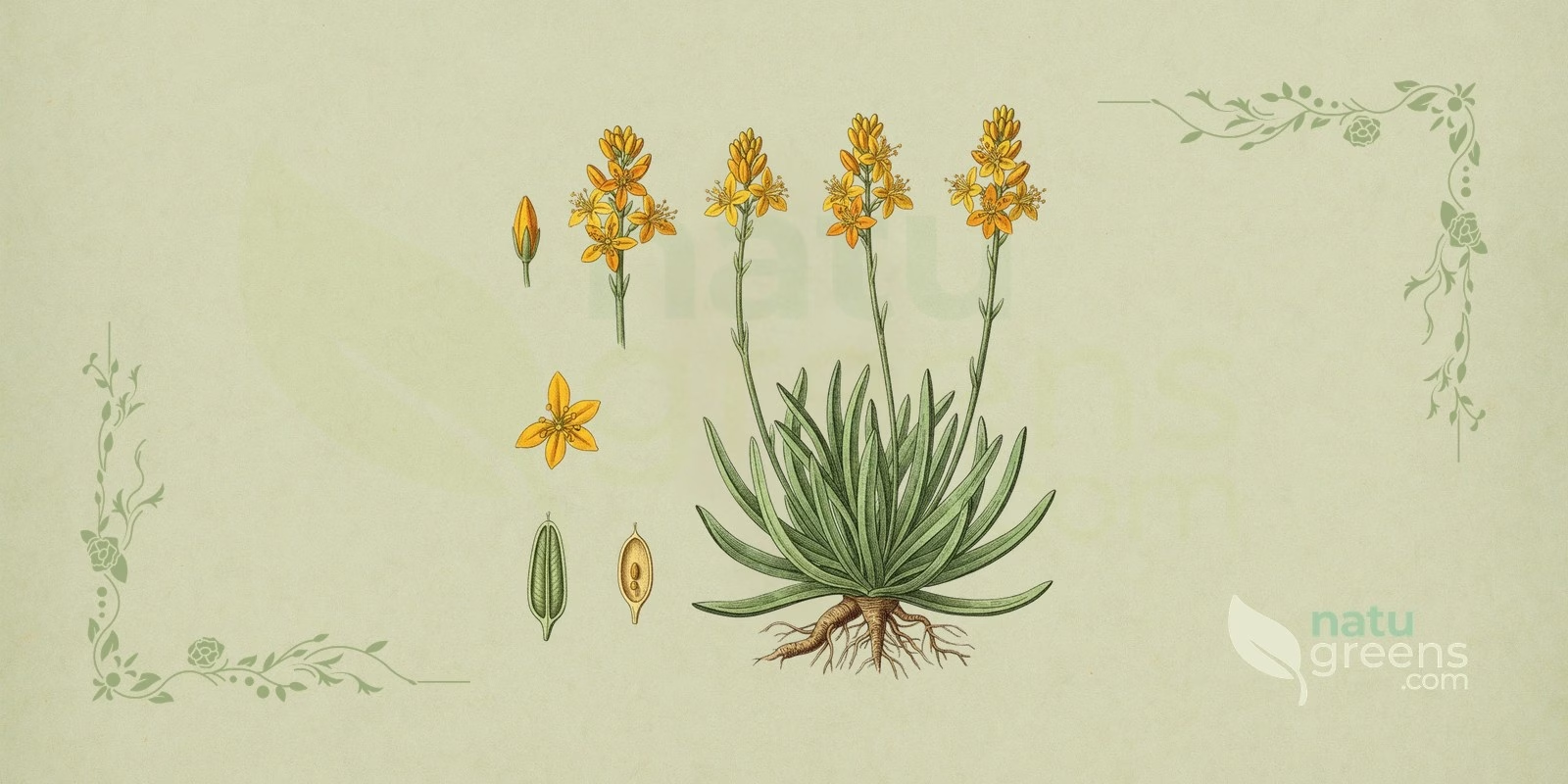
Common and International Names of Bulbine
- English: stalked bulbine, snake flower, cat's tail, burn jelly plant, wild kopieva, orange bulbine, yellow bulbine.
- French: bulbine jaune, neverdier.
- German: Bulbine, Katzenschwanzpflanze, Brenngeleepflanze.
- Italian: bulbina.
- Portuguese: bulbine, cebolinha-de-jardim (the most common name in Brazil), bulbinea.
- Spanish: bulbina, flor de serpiente, cola de gato.
Not to Be Confused with Bulbine natalensis
The genus Bulbine includes roughly thirty African species, and the one most often mentioned alongside Bulbine frutescens is Bulbine natalensis. These are different plants: B. frutescens is the ornamental, gel-producing succulent covered in this article, while B. natalensis shows up mainly in studies on leaf chemical composition aimed at other purposes, as shown by an analysis published on ResearchGate about the species' compound profile. Findings obtained with one of the two species should not be attributed to the other, and products sold simply as "bulbine" deserve a check of the exact species before purchase.
Botanical Synonyms of Bulbine
The name accepted and widely used in current scientific literature is Bulbine frutescens (L.) Willd., originally described by Carl Linnaeus and validated by Carl Ludwig Willdenow. Over the species' taxonomic history, several synonyms emerged that are now out of use, among them Anthericum frutescens L., Anthericum fruticosum Salisb., Anthericum incurvum Thunb., Anthericum multiceps Poelln., Anthericum rostratum Jacq. and Phalangium frutescens Kuntze. These older names occasionally turn up in herbarium catalogs and in older literature, but they are not in current use.
Botanical Family: Asphodelaceae
The Asphodelaceae family brings together fleshy-leaved monocot plants, including the genera Aloe and Asphodelus, close relatives of Bulbine. Most species in the family are adapted to poor soils and dry climates, with succulent leaves able to store water and flowers gathered into elongated inflorescences. Compounds such as anthraquinones and polysaccharides show up frequently among family members, which explains the recurring ethnobotanical use of several of them in skin care.
Parts of Bulbine Used
The most used and most studied part is the translucent gel from the leaves, released when a fresh leaf is cut. Roots and dried leaves also go into traditional oral preparations, such as teas and infusions, but this internal use is not recommended on this site, for the reasons detailed in the contraindications section.
Ethnobotanical and Traditional Uses of Bulbine
In South Africa, leaf gel is a first-aid staple in many yards and gardens, used traditionally as an antiseptic and styptic on cuts, minor burns, sunburn, blisters, insect bites, acne, cold sores and the itch of shingles, as well as on cracked lips and fingertips. Taken orally, Rastafari tradition and other South African folk traditions describe leaf-and-root tea for coughs, colds, intestinal cramps, diarrhea, and symptoms of arthritis, hypertension, diabetes, and malaria. These are uses passed down from generation to generation, without support from controlled clinical studies, which is why this article treats the tea only as a historical record of traditional use, not as a recommendation.
Medicinal Properties of Bulbine
The properties below come from preclinical trials, usually in the laboratory, in cell culture or in animals, and from traditional use. None of them is established by robust clinical trials in humans:
- Healing (stimulates skin cell proliferation and collagen synthesis; supported by small trials on skin healing)
- Anti-inflammatory (reduces inflammation markers in experimental models)
- Antimicrobial (activity against bacteria and fungi in laboratory trials)
- Antioxidant (neutralizes free radicals in in vitro tests)
- Supports collagen and elastin production (associated with improved skin firmness and elasticity in cosmetology studies)
- Supports oral health (antibacterial effect against oral pathogens in laboratory tests)
Detailed Phytochemical Profile of Bulbine
Bulbine's chemical composition includes several classes of secondary metabolites, with anthraquinones standing out as the main chemical markers of the genus:
- Anthraquinones (biarylanthraquinones such as knipholone, plus isofuranonaphthoquinones, compounds typical of the genus Bulbine)
- Phenylanthraquinones (such as 6',8-O-dimethylknipholone)
- Xanthones (such as 8-hydroxy-6-methylxanthone-1-carboxylic acid)
- Glycoproteins and acetylated mannans (associated with the gel's healing action)
- Polysaccharides (contribute to the gel's gelatinous texture and emollient effect)
- Flavonoids (with antioxidant activity described in laboratory trials)
- Alpha-bisabolol (a sesquiterpene with a calming effect on the skin, also found in chamomile)
- 3,4-di-O-caffeoylquinic acid, catechin and cineole (phenolic compounds and a monoterpene identified in phytochemical analyses of the species)
- Saponins, tannins and terpenoids (supporting compounds, common in succulent plants of the Asphodelaceae family)
Preparation and Administration of Bulbine
The most recommended way to use the plant is topical application of the fresh gel: a leaf is cut in half and the translucent gel is spread directly on clean skin, repeating a few times a day if needed. Plant extracts also show up in creams, lotions and cosmetic serums aimed at mature or sensitive skin care. Leaf-and-root tea is a traditional oral preparation, but in the absence of consistent safety data, this site does not recommend internal use of the plant and suggests that any consideration of it be made under professional guidance.
Synergy with Other Medicinal Plants
Healing and Anti-Inflammatory Combinations
Bulbine gel is often combined with aloe vera gel (Aloe vera), another succulent with a traditional topical use, in a pairing that brings together polysaccharides and glycoproteins from both plants in homemade or cosmetic formulations aimed at irritated skin. Calendula (Calendula officinalis), rich in flavonoids and triterpenes, also shows up as a topical partner, adding a calming, antiseptic touch to the mix.
Antimicrobial Combinations
For acne care and minor skin fungal issues, Bulbine gel is sometimes paired with tea tree essential oil (Melaleuca alternifolia), used topically with broad-spectrum activity against bacteria and fungi. Echinacea (Echinacea purpurea), traditionally used orally, is also mentioned alongside Bulbine in folk preparations aimed at skin defense, though no studies have evaluated the combination of the two plants.
Recipes and Usage Protocols for Bulbine
Topical Gel for Minor Wounds and Irritations
Ingredients: one fresh leaf of Bulbine frutescens.
How to prepare: cut the leaf in half lengthwise and spread the translucent gel directly on clean skin. Repeat a few times a day if needed. This application is meant for superficial cuts, minor burns, insect bites and skin irritations. Do not apply the gel to deep or infected wounds; in those cases, seek medical care. Always do a sensitivity test on a small area of skin before the first larger application.
Traditional Leaf-and-Root Tea
Tea made from chopped leaves and root, steeped for a few minutes in boiling water, is a South African folk preparation for coughs, colds and arthritis symptoms. Because safety data on internal consumption of the plant are lacking, this site records the recipe only as historical information and does not recommend preparing it without guidance from a health professional.
These uses follow traditional records and do not replace professional guidance. Before any use, especially by mouth, check the contraindications described in this article.
Therapies Associated with Bulbine
Clinical Herbal Medicine
In herbal medicine focused on dermatology, Bulbine extracts go into topical formulations for sensitive, irritated or healing skin, often combined with other emollient plants. Guidance from a herbal medicine practitioner or dermatologist is recommended for more persistent or extensive skin conditions.
South African Traditional Medicine
Among South African healers and families, Bulbine holds the role of a backyard first-aid plant, passed down through oral tradition and practical observation across generations. This folk knowledge is the basis for much of the topical use now studied in the laboratory, although traditional healing systems follow their own logic, distinct from Western clinical herbal medicine.
Contraindications and Side Effects of Bulbine
Topical use of the leaf gel is the most studied application of Bulbine, with small trials on skin healing supporting this use. Internal use of the plant, whether as tea, infusion or extract, is not recommended on this site: consistent safety data are lacking on doses, duration of use, and possible effects on internal organs, pregnancy or interaction with medications. Contact allergy to the gel is possible, which is why a sensitivity test on a small area of skin is always recommended before the first more extensive application, discontinuing use if redness, burning or persistent itching occurs. The gel should not be applied to deep or extensive wounds or wounds showing signs of infection, such as intense redness, local warmth, pus or fever; in those cases, the guidance is to seek medical care without delay. People with known sensitivity to plants of the Asphodelaceae family, pregnant or breastfeeding women, young children, and people with pre-existing health conditions should talk with a health professional before any use, topical or internal.
Drug Interactions
In the available literature, there are no specific studies on interactions between Bulbine and medications taken on an ongoing basis. This gap is one more reason to keep the plant to topical use and to seek medical guidance before combining any internal preparation of the plant with ongoing treatments, especially for people already taking other medications or herbal remedies.
Curiosities and Historical Facts
Because of its similarity in use to aloe vera, Bulbine earned the nickname "South African aloe vera" in South Africa: both plants hold a gel used as a home remedy for burns and minor wounds, even though they belong to different genera within the same family, Asphodelaceae. The scientific name frutescens refers to the shrubby habit the plant can take on over time, forming woody clumps at the base. Beyond its medicinal use, Bulbine is valued as a drought-resistant ornamental plant, with yellow or orange flowers that attract bees and other pollinators, and it propagates easily from seed, stem cuttings or clump division, which has made it common in dry-climate gardens around the world.
Frequently Asked Questions about Bulbine
Is Bulbine Gel Good for Any Type of Wound?
No. It is meant for superficial cuts, minor burns, insect bites and small skin irritations. Deep or extensive wounds, or wounds showing signs of infection such as pus, intense redness or fever, need medical care and should not be handled with the plant's gel alone.
Is Bulbine Tea Safe to Drink Every Day?
This site does not recommend internal consumption of Bulbine, whether as tea or in any other form, because safety studies on continuous oral use are lacking. Traditional use exists, but it does not make up for the absence of clinical data.
Can Bulbine Gel Cause Allergies?
Yes, it can. Contact allergy reactions, with redness, burning or itching, are possible in sensitive people, especially those who already have allergies to other plants in the Asphodelaceae family. For this reason, a sensitivity test on a small area of skin is recommended before broader use.
What Is the Difference between Bulbine frutescens and Bulbine natalensis?
They are different species of the same genus. Bulbine frutescens is the garden plant whose leaf gel has a traditional healing use, the subject of this article. Bulbine natalensis shows up in other research and product contexts, and data from one species should not be transferred to the other.
Can I Use Bulbine Gel on Children?
For small cuts and superficial scrapes, the gel is traditionally used even on children, but a prior sensitivity test is even more important at this age. For infants, very young children, or any more serious wound, guidance from a pediatrician is the safest path.
Notice: this content is for informational purposes and does not replace professional medical advice. Consult a physician or herbal practitioner before using medicinal plants, especially during pregnancy, breastfeeding, or alongside medication.
How to cite this article
NATUGREENS. Bulbine (Bulbine frutescens): Healing Gel, Uses and Safety Tips. Natugreens, 21 Nov. 2026. Disponível em: https://natugreens.com/bulbine-frutescens-burn-jelly-plant/. Accessed: Nov. 21, 2026.
Natugreens. (2026). Bulbine (Bulbine frutescens): Healing Gel, Uses and Safety Tips. Natugreens. https://natugreens.com/bulbine-frutescens-burn-jelly-plant/
References and Scientific Studies
View All 17 Cited References
Peer-Reviewed Scientific Studies (4)
- PMC2019 Kushwaha, P. P. et al. (2019). Bulbine frutescens phytochemical inhibits Notch signaling pathway and induces apoptosis in triple negative and luminal breast cancer cells. PubMed
- PEER2018 Shikalepo, R. et al. (2018). In vitro anti-HIV and antioxidant potential of Bulbine frutescens (Asphodelaceae). ScienceDirect
- PEER2014 Abdissa, N. et al. (2014). A xanthone and a phenylanthraquinone from the roots of Bulbine frutescens. ScienceDirect
- PMC2014 Tambama, P. and Abegaz, B. (2014). Antiproliferative activity of the isofuranonaphthoquinone isolated from Bulbine frutescens against Jurkat T cells. PMC
Supplementary Readings (13)
- Wikipedia. (n.d.). Bulbine frutescens. Wikipedia
- Missouri Botanical Garden. (n.d.). Bulbine frutescens, Plant Finder. Missouri Botanical Garden
- Mountain Herb Estate. (n.d.). Bulbine, Yellow (Bulbine frutescens). Mountain Herb Estate
- 2024 Afro Indigenous Horticulture. (2024). Unlocking the Medicinal Marvels of Bulbine frutescens. Afro Indigenous Horticulture
- PlantNet. (n.d.). Bulbine frutescens (L.) Willd., world flora. PlantNet
- Ferwer. (n.d.). Bulbina Frutescens. Ferwer
- Socfindo Conservation. (n.d.). Bulbine frutescens. Socfindo Conservation
- ResearchGate. (n.d.). Chemical composition of Bulbine natalensis leaf extracts obtained from GC-MS analysis. ResearchGate
- Kenzai Cosmetics. (n.d.). What is Bulbine frutescens, the key active ingredient in Kenzai Cosmetics products. Kenzai Cosmetics
- San Marcos Growers. (n.d.). Bulbine frutescens at San Marcos Growers. San Marcos Growers
- Gardenia.net. (n.d.). Bulbine frutescens (Orange Bulbine). Gardenia.net
- Magic Garden Seeds. (n.d.). Snake Flower / Burn Jelly Plant (Bulbine frutescens). Magic Garden Seeds
- PlantZAfrica. (n.d.). Bulbine frutescens. PlantZAfrica
You May Also Like
 Krantz AloeAloe arborescens
- Bistort (Bistorta officinalis): Uses, Tannins and SafetyBistorta officinalis
- Desmodium (Desmodium adscendens): Uses, Risks and ChemistryDesmodium adscendens
- Candle Bush (Senna alata): Benefits, Uses and SafetySenna alata
- Sambong (Blumea balsamifera): Uses and PrecautionsBlumea balsamifera
Take your time and tell us everything you think, details included. Every response is read by someone on our editorial team and goes into the article's revision. An honest critique helps us more than a polite compliment.
Take your time and tell us everything you think, details included. Every response is read by someone on our editorial team and goes into the article's revision. An honest critique helps us more than a polite compliment.