Astragalus membranaceus var. membranaceus / Astragalus, also known as Huang Qi, is a perennial herbaceous plant of the Fabaceae family, widely used in Traditional Chinese Medicine (TCM) and Mongolian medicine. This species, described by Alexander von Bunge, is valued for its roots, which are the main part used for medicinal purposes. Astragalus is native to temperate regions of Asia, including China, Mongolia, Siberia, and Kazakhstan, where it grows in sandy, sunny soils. Its history of use goes back more than 2,000 years, and it is considered a vital tonic for strengthening Qi (vital energy) and immunity.
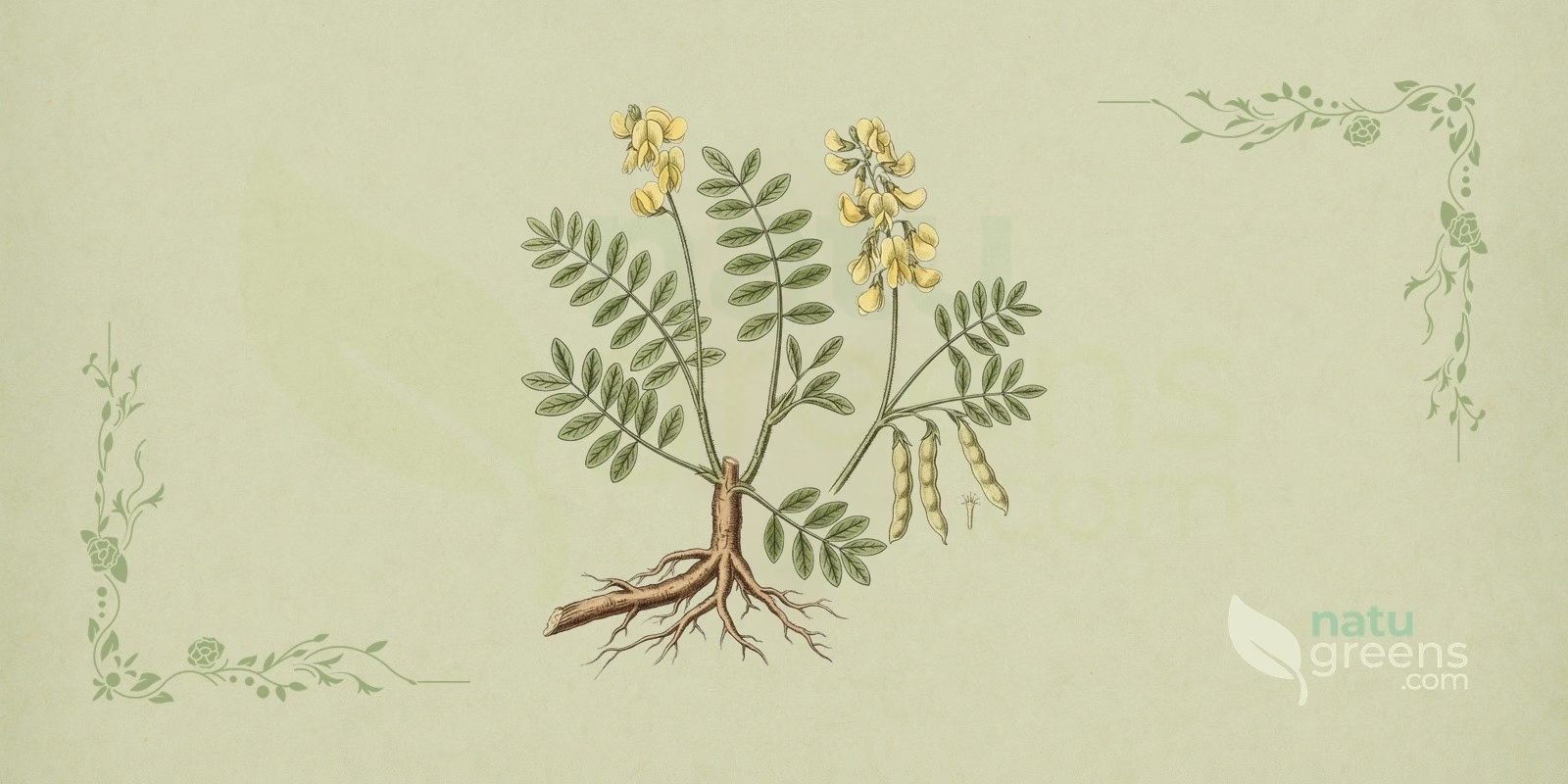
In TCM, astragalus is revered for its adaptogenic properties, which help the body resist various forms of stress, and it is frequently used to boost stamina, combat fatigue, and support the body’s defenses against infection. Modern research has investigated many of its traditional uses, identifying a rich phytochemical composition that includes polysaccharides, saponins, and flavonoids, compounds credited with wide-ranging studied effects that span immune modulation to cardiovascular and renal protection. The plant is a pillar of Eastern phytotherapy, with growing interest in the West due to its potential across a range of clinical applications still under study.
Popular and International Names of Astragalus
- English: astragalus, huang qi, milk vetch, mongolian milkvetch.
- Spanish: astrágalo, astrágalo mongol, huang qi.
- Portuguese: astrágalo, astrágalo-mongol, huang qi (BR).
- French: astragale, astragale de mongolie, huang qi.
- Italian: astragalo, astragalo mongolo, huang qi.
- German: echter tragant, huang qi, mongolischer tragant.
Botanical Synonyms of Astragalus membranaceus
The scientific name Astragalus membranaceus var. membranaceus is often used alongside other synonyms and varieties, which can create some taxonomic confusion. However, the main names accepted and used in the scientific literature and pharmacopoeias include Astragalus mongholicus Bunge and Astragalus propinquus Schischkin. These varieties are considered interchangeable for most medicinal applications, with the root of both referred to as Radix Astragali or Huang Qi in Traditional Chinese Medicine. The distinction between them is subtle and often based on regional or genetic morphological traits, but their phytochemical profiles and therapeutic uses largely overlap.
Astragalus borealimongolicus Y.Z.Zhao, Astragalus membranaceus f. propinquus (Schischk.) Kitag., Astragalus membranaceus var. mongholicus (Bunge) P.K.Hsiao, Astragalus penduliflorus var. dahuricus (Fisch. ex DC.) X.Y.Zhu, Astragalus penduliflorus var. mongholicus (Bunge) X.Y.Zhu, Astragalus propinquus Schischkin, Astragalus purdomii N.D.Simpson, Phaca abbreviata Ledeb., Phaca alpina var. dahurica Fisch. ex DC., Phaca macrostachys Turcz., Phaca membranacea Fisch. ex Link, Tragacantha membranacea (Fisch. ex Bunge) Kuntze, Tragacantha mongholica (Bunge) Kuntze.
Botanical Family: Fabaceae
The family Fabaceae, also known as Leguminosae, is one of the largest families of flowering plants, comprising around 765 genera and more than 19,500 species. It is characterized by pod-bearing fruits and the ability of many of its species to fix atmospheric nitrogen through symbiosis with rhizobial bacteria. This family includes plants of great economic, dietary, and medicinal importance, such as beans, peas, soybeans, and licorice. Astragalus, which belongs to the subfamily Faboideae, shares the distinctive characteristics of this vast and diverse family.
Plants of the Fabaceae family are known for their richness in secondary compounds, including flavonoids, saponins, alkaloids, and polysaccharides, which confer a wide range of biological properties. Their adaptability to different environments and their ecological and economic importance make Fabaceae a botanical family of great relevance. Phytochemical and pharmacological study of species in this family continues to reveal new compounds with therapeutic potential, reinforcing its importance in medicine and agriculture.
Parts of Astragalus Used
- Dried Root (Radix Astragali)
Ethnobotanical and Traditional Uses
- Combats Fatigue and General Weakness
- Immune Support (Immunostimulant)
- Improves Digestive Function
- Increases Resistance to Respiratory Infections
- Increases Vitality and Energy (Qi)
- Promotes Wound Healing
- Protects the Liver (Hepatoprotective)
- Tonic for the Lungs
Therapeutic Properties of Astragalus
- Adaptogenic (helps the body adapt to stress)
- Antibacterial (studied activity against bacteria)
- Antidiabetic (studied effect on blood sugar)
- Antifibrotic (studied in preventing excessive formation of fibrous tissue)
- Anti-inflammatory (studied effect in reducing inflammation)
- Antioxidant (studied activity against free radicals)
- Antiproliferative (activity observed in laboratory studies, without clinical proof)
- Antiviral (studied activity against viruses)
- Cardioprotective (studied protective effect on the heart)
- Diuretic (studied effect on urine production)
- Expectorant (facilitates the expulsion of mucus)
- Hepatoprotective (studied protective effect on the liver)
- Immunomodulatory (studied effect on the immune system)
- Neuroprotective (studied protective effect on the nervous system)
Detailed Phytochemical Profile of Astragalus
- Astragalosides (I, II, III, IV)
- Calycosin
- Cycloastragenol
- Flavonoids
- Formononetin
- Glycosides
- Isoflavonoids
- Kumatakenin
- Malonates
- Polysaccharides (APS – Astragalus Polysaccharides)
- Saponins
- Triterpenoids
Preparation and Administration Forms of Astragalus
- Capsules
- Decoction (Root Tea)
- Dry Extract
- Fluid Extract
- Powder
- Tincture
Synergy with Other Medicinal Plants
Immune Support
Astragalus is traditionally combined with echinacea (Echinacea purpurea) and reishi mushroom (Ganoderma lucidum) to support the immune system. This synergy is used as a traditional record in the prevention and support of respiratory infections, flu, and colds: astragalus, with its polysaccharides, is studied for stimulating the production of immune cells, while echinacea and reishi are associated with modulation of the immune response, potentially contributing, according to herbal tradition, to reducing the duration and intensity of symptoms.
Cardiovascular Health
The combination of astragalus with hawthorn (Crataegus monogyna) and white willow (Salix alba) is traditionally used as support for cardiovascular health. Astragalus contributes studied cardioprotective and antioxidant effects, while hawthorn is associated with heart function and circulation. White willow, in turn, has anti-inflammatory and antiplatelet properties, so this combination should be used only as a complement to, and never a substitute for, medical cardiology follow-up, especially for those already taking anticoagulants.
Energy and Vitality
To support energy and vitality, astragalus can be combined with ginseng (Panax ginseng) and rhodiola (Rhodiola rosea). This combination of adaptogens is traditionally used to support the body against chronic fatigue and to favor physical and mental endurance, contributing to an overall sense of well-being: astragalus traditionally acts on Qi according to TCM, ginseng is associated with increased energy, and rhodiola with the body’s capacity to cope with stress, together providing sustained energetic support without the excessive stimulant effects of other substances.
Recipes and Usage Protocols of Astragalus
Immune Tonic Decoction
Ingredients: 15-30 grams of sliced dried astragalus root, 500 ml of water.
Place the astragalus root slices and water in a pot, bring to a boil, then reduce the heat and let it simmer gently for 20 to 30 minutes. Strain and drink the hot liquid 1 to 2 times a day, as a traditional Chinese Medicine tonic to support the body’s Qi and vigor, especially during periods of greater exposure to colds and flu.
Medicinal Astragalus Soup
Ingredients: 30 grams of sliced dried astragalus root, 200 grams of chicken (or tofu for a vegetarian option), 1 liter of chicken (or vegetable) broth, vegetables to taste (carrot, mushrooms, ginger).
Add the astragalus slices to the broth and cook for 30 minutes. Add the chicken (or tofu) and vegetables, continuing to cook until the chicken is tender and the vegetables are cooked. Remove the astragalus slices before serving. This nourishing soup is traditionally prepared as support for vigor and general well-being, being a comforting dish that can complement, but not replace, conventional support for the immune system.
Astragalus Tincture for Daily Support
Ingredients: 100 grams of dried astragalus root, powdered or in small pieces, 500 ml of 40-60% grain alcohol.
Place the astragalus in a glass jar and cover with the alcohol. Seal tightly and let it macerate for 4-6 weeks in a cool, dark place, shaking daily. Strain the liquid through a fine cloth and store the tincture in a dark glass bottle. Take 2-5 ml (40-100 drops) diluted in water, 2-3 times a day, as a traditional immune and adaptogenic tonic. This concentrated form allows for practical and convenient administration of astragalus’s active compounds.
The preparations above follow traditional records and do not replace professional guidance. Before any internal use, consult the contraindications and interactions described in this article.
The preparations above follow traditional records and do not replace professional guidance. Before any internal use, check the contraindications and interactions described in this article.
Associated Therapies
Acupuncture
In Traditional Chinese Medicine, astragalus is often used together with acupuncture to enhance its therapeutic effects. Acupuncture, by balancing the flow of Qi in the body, may optimize the absorption and perceived effectiveness of astragalus’s active compounds. This combination is particularly beneficial for conditions such as chronic fatigue, immune deficiency, and post-illness recovery. The synergy between phytotherapy and acupuncture seeks to rebalance the body’s energetic flow and promote overall well-being, according to the principles of Traditional Chinese Medicine.
Chinese Dietary Therapy
Astragalus is a common ingredient in Chinese dietary therapy, added to soups, broths, and stews to fortify the body and help prevent illness, according to tradition. Its sweet and slightly warm nature, according to TCM principles, tonifies the Qi of the Spleen and Lung. Regular inclusion of astragalus in the diet is an ancient practice for maintaining health and vitality, especially during seasonal changes or periods of convalescence. Dietary therapy with astragalus aims to nourish the body from the inside out, following the Chinese tradition of longevity and resilience.
Western Phytotherapy
In contemporary Western phytotherapy, astragalus is recognized as an adaptogen and immunomodulator. It is used to support the immune system, especially in cases of recurrent infections, chronic fatigue, and as a complementary support during chemotherapy treatments, always under medical guidance due to possible interaction with immunosuppressant medications. Western herbalists prescribe astragalus in various forms, such as standardized extracts, capsules, or tinctures, often in combination with other herbs to seek optimized results. The Western approach integrates traditional knowledge with scientific research to offer evidence-based therapeutic options.
Contraindications and Side Effects of Astragalus
General Contraindications
Astragalus is generally considered safe for most people when used at recommended doses, but there are some important contraindications: it should not be used in cases of acute fever or acute infections, as it may worsen the condition by inappropriately potentiating the immune response. Individuals with autoimmune diseases, such as lupus or rheumatoid arthritis, should use astragalus with caution and under medical supervision, as its immunomodulatory action could theoretically exacerbate the condition, while pregnant or breastfeeding women should avoid its use due to a lack of conclusive studies on its safety in these groups. People who have undergone organ transplants and are taking immunosuppressant medications should also avoid astragalus, as it may interfere with the effectiveness of the medication.
Common Side Effects
Side effects of astragalus are rare and generally mild, and may include gastrointestinal discomfort, such as bloating, mild diarrhea, or nausea. In very rare cases, allergic reactions may occur, manifesting as skin rashes or itching. If adverse effects occur, the dose should be reduced or use discontinued, and it is always advisable to start with a low dose and increase gradually, observing the individual’s response.
Drug Interactions
Astragalus can interact with certain medications. Due to its ability to stimulate the immune system, it may reduce the effectiveness of immunosuppressant medications, such as those used after organ transplants, and it may also potentiate the effect of antiviral medications, although this interaction is generally considered beneficial. Individuals taking diabetes medications should monitor their glucose levels, as astragalus may have a hypoglycemic effect. It is essential to consult a healthcare professional before combining astragalus with any medication, especially in long-term treatments.
Historical Notes and Interesting Facts
Astragalus, known as Huang Qi in China, has a rich and fascinating history spanning more than two millennia. Its name, meaning “yellow leader” or “venerable yellow,” reflects the yellowish color of its root and its prominent standing in Chinese phytotherapy: it was considered one of the “fifty fundamental medicines” and was frequently used by emperors and nobles to prolong life and strengthen health, so much so that its reputation as a superior tonic has earned the astragalus root the nickname “poor man’s ginseng,” due to its similar adaptogenic properties but at a more accessible cost.
An interesting curiosity is that astragalus has been the subject of modern studies into its anti-aging potential, as compounds such as cycloastragenol, derived from the astragalosides, have been investigated for their ability to activate telomerase, an enzyme that protects telomeres, the structures at the ends of chromosomes that shorten with aging. Although research is still in early stages, the idea that an ancient plant might hold clues to longevity continues to fascinate scientists and natural medicine enthusiasts alike. In addition, astragalus is a resilient plant, capable of growing in harsh conditions, which is taken as a symbol of its traditional association with human resilience and vitality.
Frequently Asked Questions about Astragalus
Can Astragalus Be Used Daily?
Yes, astragalus can be consumed daily as a general health tonic, especially to support the immune system and energy levels. However, it is always advisable to consult a healthcare professional to determine the appropriate dosage and duration, especially if you have pre-existing medical conditions or are taking other medications.
What Are the Main Benefits of Astragalus?
The main benefits attributed to astragalus include support for the immune system, cardiovascular protection, anti-inflammatory and antioxidant action, support for kidney and liver function, and a contribution to physical and mental endurance. It is widely used as an adaptogen to help the body cope with stress and fatigue.
Does Astragalus Interact with Medications?
Yes, astragalus can interact with immunosuppressant medications, reducing their effectiveness. It may also affect blood glucose levels, so it is important to monitor this when used together with diabetes medications. Always consult a healthcare professional before starting astragalus if you are taking medication.
What Is the Best Way to Consume Astragalus?
Astragalus can be consumed in various forms, including decoctions (root tea), tinctures, standardized extracts in capsules, or powder added to food. The choice of form depends on the purpose of use and individual preference. Root decoction is a traditional and customary way to extract its active compounds.
Is Astragalus Safe for Children?
The use of astragalus in children should be approached with caution and under the supervision of a qualified healthcare professional. Although generally considered safe at appropriate doses, research on its safety in pediatric populations is limited. It is essential to ensure that the dosage is appropriate for the child’s age and weight.
Notice: this content is for informational purposes and does not replace professional medical advice. Consult a physician or herbal practitioner before using medicinal plants, especially during pregnancy, breastfeeding, or alongside medication.
References and Scientific Studies
Peer-Reviewed Scientific Studies (2)
- PMC2016 Auyeung KK, et al. Astragalus membranaceus: A Review of its Protection Against Inflammation and Gastrointestinal Cancers. The American journal of Chinese medicine. 2016.
- PMC2020 Zhang J, et al. Astragaloside IV derived from Astragalus membranaceus: A research review on the pharmacological effects. Advances in pharmacology (San Diego, Calif.). 2020.
Supplementary Readings (1)
- 2014 Zhang, H. W., et al. (2014). Astragalus (a traditional Chinese medicine) for treating kidney disease. Cochrane Database of Systematic Reviews.