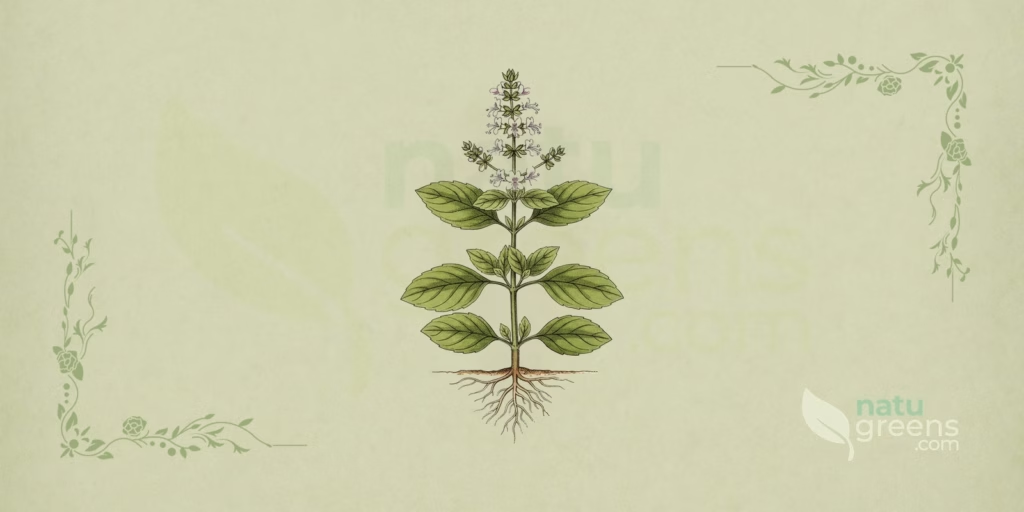
Borago officinalis L. / Borage, popularly known as borage, is an annual herbaceous plant belonging to the Boraginaceae family, first described by Carl Linnaeus. Native to the Mediterranean region, this species has spread globally thanks to its recognized medicinal and culinary properties. Borage has been used for centuries in traditional European medicine, valued for its vivid blue flowers and edible leaves. It is frequently prepared as infusions and extracts, with attention given to its therapeutic potential.

In herbal tradition, borage stands out as a plant with anti-inflammatory and emollient potential. Its applications range from easing gastrointestinal discomfort to supporting skin health. The plant is recognized for its rich phytochemical composition, especially its seed oil, which is a significant source of gamma-linolenic acid (GLA). Modern scientific research has validated many of borage’s traditional uses, reinforcing its standing as a medicinal plant of growing interest.
Popular and International Names of Borage
- English: bee plant, beebread, borage, common borage, cool tankard, starflower, talewort.
- Spanish: borraja, borraja común.
- Portuguese: borragem, flor-estrela.
- French: bourrache, bourrache officinale.
- Italian: borragine.
- German: Borretsch, Gurkenkraut.
Botanical Synonyms of Borago officinalis
Borago advena Gilib., Borago aspera Gilib., Borago hortensis L., Borago officinalis var. alba Gray.
Botanical Family: Boraginaceae
The Boraginaceae family is a diverse group of flowering plants that includes roughly 2,000 species distributed across about 100 genera. This family is known for the presence of pyrrolizidine alkaloids (PAs) in many of its species, though concentrations vary considerably. Boraginaceae plants are often recognized by their bell- or funnel-shaped flowers, arranged in scorpioid inflorescences.
Borage shares morphological features typical of the family, such as rough, hairy leaves. The Boraginaceae family includes plants of ornamental, culinary, and medicinal importance. The chemical diversity of this family has been the subject of ongoing research, particularly regarding bioactive compounds and the potential risks associated with PAs. Borage is a notable example of this family, valued for its therapeutic properties and traditional use.
Parts of Borage Used
- Flowers
- Leaves
- Seed oil
- Seeds
Ethnobotanical and Traditional Uses
- Blood purifier
- Cough and fever relief
- Diuretic and kidney support
- Gastrointestinal disorders
- Relief of colic and cramps
- Sedative
- Skin problems (eczema, dermatitis)
- Traditional antidepressant
Therapeutic Properties of Borage
- Amebicidal (activity studied against amoebas)
- Anti-inflammatory (effect studied in reducing inflammation)
- Anticoagulant (may potentiate the effects of anticoagulant drugs); traditional use, without established clinical efficacy
- Antioxidant (activity studied against free radicals)
- Cardiotonic (effect studied on heart function)
- Emollient (softens and hydrates the skin)
- Hypoglycemic (may lower blood sugar); traditional use, without established clinical efficacy
- Relaxant (effect studied on relaxation)
Detailed Phytochemical Profile of Borage
- Eicosenoic acid
- Erucic acid
- Flavonoids
- Gamma-linolenic acid (GLA)
- Linoleic acid
- Mineral salts
- Mucilage
- Nervonic acid
- Oleic acid
- Palmitic acid
- Phenolic acids
- Pyrrolizidine alkaloids (PAs)
- Carotenoids
- Stearic acid
- Tannins
- Vitamin C
Preparation and Administration Forms of Borage
- Fresh plant (salads, garnishes)
- Extracts
- Seed oil (capsules, topical application)
- Tea (infusion of leaves and flowers)
Synergy with Other Medicinal Plants
Skin Health
Borage, rich in GLA, can be combined with plants such as calendula (Calendula officinalis) or aloe vera (Aloe barbadensis miller) to enhance emollient and healing effects. This synergy is beneficial for addressing skin conditions such as eczema and dermatitis, supporting skin regeneration and hydration. Borage’s anti-inflammatory action complements the soothing and reparative properties of other herbs, offering more comprehensive care.
Digestive Support
For digestive complaints, borage can be paired with carminative herbs such as peppermint (Mentha × piperita) or fennel (Foeniculum vulgare). This combination helps ease colic, bloating, and flatulence, supporting easier digestion. Borage contributes its soothing action on the gastrointestinal tract, while the other herbs assist in reducing gas and discomfort, producing a synergistic relief.
Emotional Well-Being
Borage, traditionally associated with easing melancholy, can be used together with adaptogenic plants such as ashwagandha (Withania somnifera) or rhodiola (Rhodiola rosea) to support emotional well-being. This combination may help manage stress and anxiety, balancing the nervous system. Borage offers gentle support, while the adaptogens help the body build resilience to stress factors, contributing to a sense of calm and balance.
Recipes and Usage Protocols of Borage
Calming Borage Infusion
Ingredients: 1 teaspoon of dried borage leaves and flowers, 200 ml of boiling water, honey or lemon (optional).
Preparation: Place the leaves and flowers in a cup and pour in the boiling water. Cover and let steep for 5 to 7 minutes. Strain and, if desired, sweeten with honey or add a few drops of lemon. Consume in moderation, preferring products certified as PA-free for regular use, and seek guidance from a healthcare professional before maintaining ongoing consumption. This infusion is traditionally used during periods of stress or after meals.
Borage Oil for Topical Application
Ingredients: 5 ml of borage seed oil (PA-free), 20 ml of carrier vegetable oil (e.g., jojoba, sweet almond).
Preparation: Mix the borage oil with the carrier oil in a dark glass bottle. Shake well before use. Apply a small amount to clean skin, gently massaging areas affected by eczema, dermatitis, or dryness. Perform a sensitivity test on a small area of skin before broader application. Use 1 to 2 times daily.
Refreshing Salad with Borage Flowers
Ingredients: Fresh lettuce leaves, sliced cucumber, cherry tomatoes, feta cheese, olive oil, balsamic vinegar, fresh borage flowers.
Preparation: In a bowl, combine the lettuce, cucumber, cherry tomatoes, and feta cheese. Season with olive oil and balsamic vinegar to taste. Finish the salad with fresh borage flowers, which add a touch of color and a mild, cucumber-like flavor. This recipe is a delicious way to work fresh borage into the diet, taking advantage of both its nutritional benefits and its visual appeal.
The preparations above follow traditional records and do not replace professional guidance. Before any internal use, consult the contraindications and interactions described in this article.
The preparations above follow traditional records and do not replace professional guidance. Before any internal use, check the contraindications and interactions described in this article.
Associated Therapies
Aromatherapy
Although borage essential oil is not common, its seed oil, rich in GLA, is valued in massage therapy. Topical application of borage oil, diluted in carrier oils, can be incorporated into aromatherapy sessions to promote muscle relaxation and ease skin inflammation. Its mild fragrance and emollient properties contribute to a holistic therapeutic experience focused on physical and emotional well-being.
Clinical Phytotherapy
In clinical phytotherapy, borage is used mainly through its seed oil, standardized for GLA content. It is recommended for inflammatory conditions, such as rheumatoid arthritis, and for skin disorders, such as atopic dermatitis. Borage extracts may also be used for digestive and respiratory support. Modern phytotherapy values borage for its efficacy and safety profile, provided that PA-free certified products are used under professional guidance.
Functional Nutrition
Borage is recognized in functional nutrition as an important source of gamma-linolenic acid (GLA), an essential fatty acid with crucial functions in the body. GLA is a precursor of anti-inflammatory prostaglandins, playing a role in modulating immune response and maintaining skin integrity. Borage oil supplements are recommended to optimize GLA intake, especially in individuals with deficiencies or increased needs, supporting overall health and metabolic balance.
Contraindications and Side Effects of Borage
General Contraindications
Borage is contraindicated for individuals with a known allergy to plants in the Boraginaceae family. Products containing pyrrolizidine alkaloids (PAs) that are not certified as PA-free are contraindicated due to the risk of liver toxicity and potential carcinogenicity. Pregnant or breastfeeding women should avoid borage, as PAs may be harmful to the fetus and infant and may also induce uterine contractions. The safety of PA-free products during pregnancy and breastfeeding has not been fully established.
Common Side Effects
Side effects of borage are generally mild and include gastrointestinal disturbances such as gas, bloating, and indigestion. In rare cases, ingestion of high doses of unpurified borage oil has been associated with seizures. Topical application of undiluted borage oil may cause skin irritation in sensitive individuals. It is essential to follow recommended dosages and use certified quality products to minimize risks.
Drug Interactions
Borage may interact with anticoagulant medications, such as warfarin, due to the presence of coumarins, increasing the risk of bleeding. It may also potentiate the effects of sedatives and benzodiazepines, causing excessive drowsiness. Individuals taking diabetes medications should monitor their glucose levels, as borage may have a mild hypoglycemic effect. It is recommended to consult a healthcare professional before starting borage use, especially when taking other medications.
Historical Notes and Interesting Facts
Borage, with its scientific name Borago officinalis, has a rich and fascinating history dating back to antiquity. Pliny the Elder and Dioscorides, prominent figures in ancient medicine and botany, suggested that borage might be the legendary nepenthe of Homer, a substance said to induce forgetfulness and drive away sorrow when mixed with wine. This mythical association underscores the plant’s reputation as an agent of joy and well-being, a belief that persisted for centuries.
In the Middle Ages, borage was frequently grown in monastic gardens and valued for its medicinal and culinary properties. The herbalist John Gerard, in his famous book Herball, cited an old Latin verse:
“Ego Borago, Gaudia semper ago” (I, Borage, always bring joy). He claimed that borage flowers were used in salads “to exhilarate and make the mind glad,” and that the plant was a comfort to the heart, driving away sadness and increasing joy. This tradition of linking borage with courage and good humor is a testament to its cultural legacy.
Beyond its medicinal use, borage has been enjoyed in cuisines across many cultures. In Germany, it is a key ingredient in Frankfurt’s famous grüne Soße (green sauce). In the Liguria region of Italy, borage leaves are traditionally used as a filling for pastas such as ravioli and pansoti. Its flowers, with a sweet, honey-like flavor, are often used to decorate desserts and cocktails, or even frozen into ice cubes, adding a touch of elegance and freshness. Borage’s versatility, in both the kitchen and traditional medicine, reflects its historical and cultural importance.
Frequently Asked Questions about Borage
Is Borage Safe for Daily Consumption?
Consuming fresh borage or occasional infusions is generally considered safe for most people. However, due to the presence of pyrrolizidine alkaloids (PAs) in some parts of the plant, it is crucial to use products certified as PA-free, especially for regular consumption or higher doses. PAs can be toxic to the liver and potentially carcinogenic. It is always recommended to consult a healthcare professional before starting any supplementation or ongoing use of borage.
What Are the Main Benefits of Borage Oil?
Borage oil is widely valued for its high content of gamma-linolenic acid (GLA), an omega-6 fatty acid with potent anti-inflammatory properties. It is often used to support skin health, helping with conditions such as eczema (atopic dermatitis) and other skin inflammations. In addition, GLA may contribute to reducing inflammation in conditions such as rheumatoid arthritis and may play a role in respiratory support, as in the case of asthma. It is important to ensure that borage oil is PA-free to avoid health risks.
Can Borage Be Used During Pregnancy or Breastfeeding?
No, borage is generally contraindicated during pregnancy and breastfeeding. The presence of pyrrolizidine alkaloids (PAs) may be harmful to the fetus and infant, and there is a potential risk of inducing uterine contractions. Even products certified as PA-free are not guaranteed to be entirely safe during these life stages. It is essential to avoid borage use during pregnancy and breastfeeding and to seek medical advice for any health concerns.
How Does Borage Interact with Other Medications?
Borage may interact with certain medications. Due to the presence of coumarins, it may potentiate the effects of anticoagulants such as warfarin, increasing the risk of bleeding. It may also intensify the effects of sedatives and benzodiazepines, leading to excessive drowsiness. If you are taking diabetes medications, it is advisable to monitor glucose levels, as borage may have a mild hypoglycemic effect. Always inform your doctor or pharmacist about borage use to avoid unwanted interactions.
Notice: this content is for informational purposes and does not replace professional medical advice. Consult a physician or herbal practitioner before using medicinal plants, especially during pregnancy, breastfeeding, or alongside medication.
References and Scientific Studies
- DOI2007 Gilani, A. H., Bashir, S., & Khan, A.-u. (2007). Pharmacological basis for the use of Borago officinalis in gastrointestinal, respiratory and cardiovascular disorders. Journal of Ethnopharmacology, 114(3), 393-399. ↗
- DOI2011 Leos-Rivas, C., Verde-Star, M. J., Torres, L. O., Oranday-Cardenas, A., Rivas-Morales, C., Barron-Gonzalez, M. P., & Morales-Vallarta, M. R., Cruz-Vega, D. E. (2011). In vitro amoebicidal activity of borage (Borago officinalis) extract on Entamoeba histolytica. Journal of Medicinal Food, 14(7-8), 866-869. ↗
- DOI2011 Al-Khamees, W. A., Schwartz, M. D., Alrashdi, S., Algren, A. D., & Morgan, B. W. (2011). Status Epilepticus Associated with Borage Oil Ingestion. Journal of Medical Toxicology, 7(2), 154-157. ↗
- DOI2014 Asadi-Samani, M., et al. (2014). The chemical composition, botanical characteristic and biological activities of Borago officinalis: A review. Asian Pacific Journal of Tropical Biomedicine, 4(12), 941-948. ↗