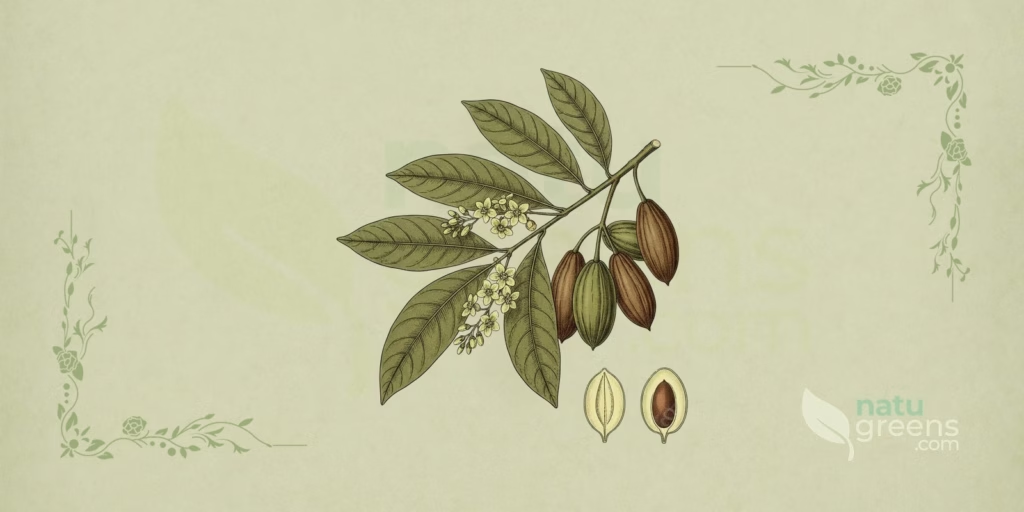
Psidium guajava L. / Guava, popularly known as guava, is a shrubby or small perennial tree of the Myrtaceae family. This species is native to the Americas, ranging from Mexico to northern South America. Guava is widely cultivated in tropical and subtropical regions for its nutritious fruit and its recognized medicinal properties. Historically, various parts of the plant have been used in traditional medicine to treat a wide range of ailments.
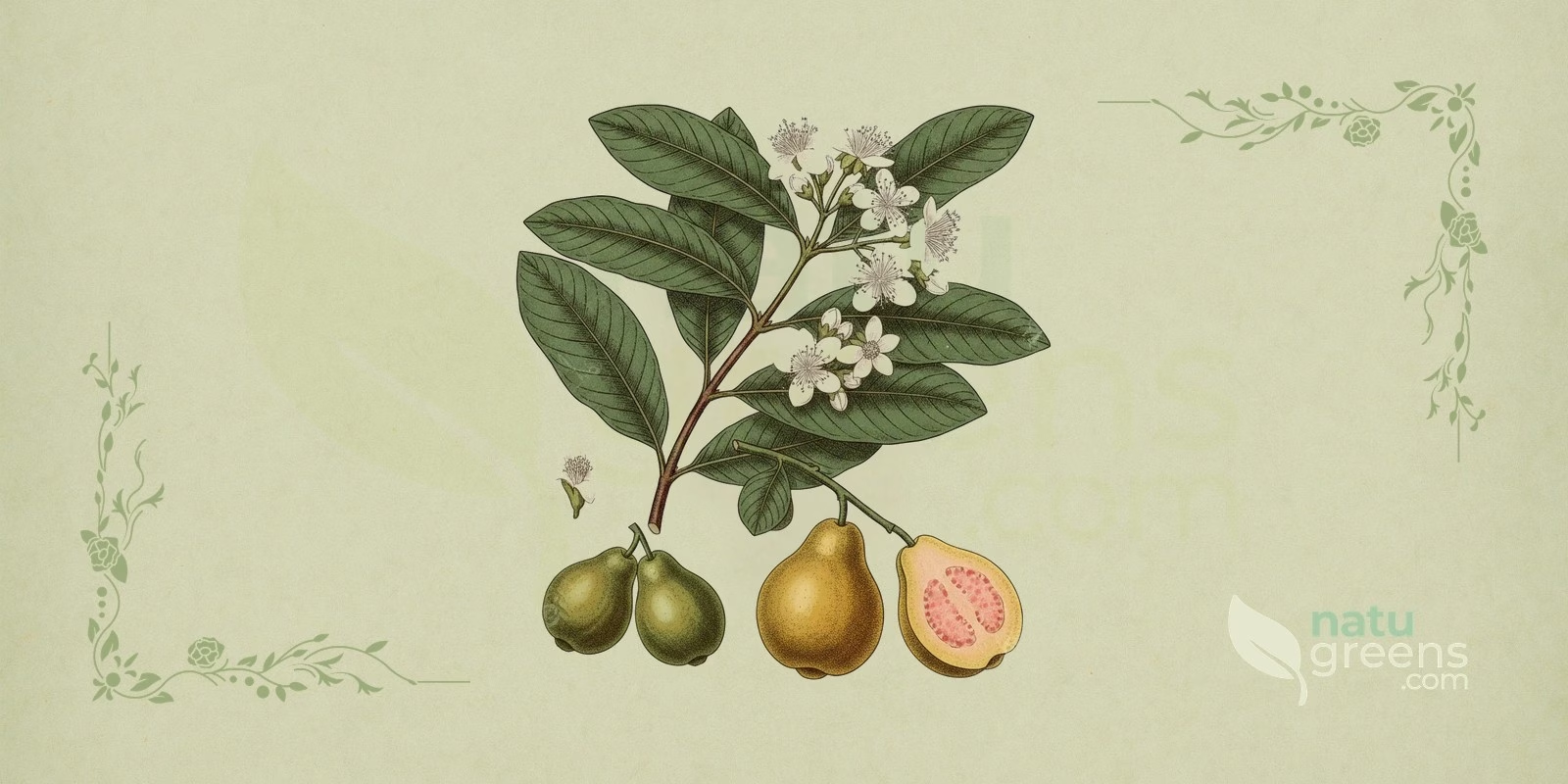
The guava tree stands out for its rich phytochemical composition, which includes tannins, flavonoids, and terpenoids. These bioactive compounds give the plant anti-inflammatory, antimicrobial, and antioxidant properties. Modern scientific research has validated many of guava’s ethnobotanical uses, reinforcing its importance as a phytotherapeutic resource. The plant is valued both for its fruit, rich in vitamin C, and for its leaves, bark, and seeds, which are used in various medicinal preparations.
Popular and International Names of Guava
- English: apple guava, common guava, guava, lemon guava, yellow guava.
- Spanish: guayaba.
- Portuguese: araçá-guaçu, goiaba, goiabeira.
- French: goyave.
- Italian: guava.
- German: Guave.
Botanical Synonyms of Psidium guajava
The accepted scientific name for guava is Psidium guajava L., described by Carl Linnaeus. Although it is the most common and widely recognized name, the species has few botanically relevant synonyms in the literature. The taxonomic stability of Psidium guajava L. reflects its clear distinction within the genus Psidium. The absence of complex synonyms makes identifying and studying this important medicinal and fruit-bearing plant easier.
Botanical Family: Myrtaceae
Guava belongs to the Myrtaceae family, a vast and diverse family of flowering plants. This family includes about 5,950 species distributed across 132 genera, and it predominates in tropical and subtropical regions. Myrtaceae are known for including trees and shrubs that often have aromatic leaves rich in essential oils. Notable examples of this family include eucalyptus, myrtle, and clove.
Plants in the Myrtaceae family are characterized by flowers with numerous stamens and fruits that can be berries, capsules, or nuts. Many species in this family are valued for their medicinal, culinary, and ornamental properties. The presence of bioactive compounds such as tannins and flavonoids is a common trait, contributing to their widespread use in traditional medicine and the pharmaceutical industry. The guava tree is a prominent example of the economic and medicinal importance of this family.
Parts of Guava Used
- Bark
- Fruit
- Leaves
- Seeds
Ethnobotanical and Traditional Uses
- Anti-inflammatory.
- Antispasmodic.
- Colds.
- Cough.
- Diabetes control.
- Diarrhea.
- Digestive disorders.
- Dysentery.
- Dyspepsia.
- Epilepsy.
- Fever.
- Hypertension control.
- Intestinal colic relief.
- Menstrual disorders.
- Pain.
- Rheumatism.
- Skin problems.
- Stomach pain relief.
- Vertigo.
- Vomiting.
- Wound healing.
- Wounds.
Therapeutic Properties of Guava
- Analgesic (traditional use to relieve pain)
- Anti-Alcoholism (used to support treatment of alcoholism)
- Anti-Inflammatory (effect studied for reducing inflammation)
- Antiallergic (activity studied against allergic reactions)
- Antibacterial (activity studied against bacteria)
- Antidiabetic (effect studied on blood sugar)
- Antifungal (activity studied against fungi)
- Antimicrobial (activity studied against microorganisms)
- Antioxidant (activity studied against free radicals)
- Antiproliferative (activity observed in laboratory studies, without clinical proof)
- Antispasmodic (traditional use to relieve spasms)
- Antiviral (activity studied against viruses)
- Gastroprotective (protective effect studied on the stomach)
- Local Anesthetic (effect studied in reducing local sensitivity)
- Neuroprotective (protective effect studied on the nervous system)
- Vermifuge (activity studied against worms)
- Wound-Healing (effect studied on wound healing)
Detailed Phytochemical Profile of Guava
Guava, Psidium guajava L., has a complex and varied phytochemical composition that contributes to its wide-ranging medicinal properties. The presence and abundance of these compounds can vary depending on microclimate, soil conditions, plant tissue, and seasonal changes. The leaves are the most studied part due to their frequent use in traditional medicine. They are rich in moisture, ash, protein, and carbohydrates, and contain significant amounts of vitamin C and total phenolic compounds.
Guava leaves are a notable source of vitamins and minerals, including calcium, potassium, sodium, magnesium, iron, and B and C vitamins. Calcium and magnesium are found in higher concentrations in the leaves than in the fruit. Polysaccharides present in the leaves show, in preliminary studies, potential of interest for research on diabetes mellitus and act as antioxidant additives in food. Detailed phytochemical analysis has revealed the presence of numerous bioactive compounds.
- Alkaloids: A class of nitrogen-containing compounds with diverse pharmacological activities.
- Alpha-Cadinol: A sesquiterpene with antibacterial and antifungal activities.
- Alpha-Humulene: A sesquiterpene with potential antitumor, antimicrobial, anti-inflammatory, gastroprotective, wound-healing, analgesic, and antioxidant effects.
- Alpha-Pinene: A terpene with anticarcinogenic, anti-inflammatory, and antiallergic properties.
- Apigenin: A flavonoid found in leaf extracts.
- Beta-Caryophyllene: A sesquiterpene that acts as a local anesthetic, anticarcinogenic, antioxidant, antibiotic, anti-inflammatory, neuroprotective, anxiolytic, antidepressant, and anti-alcoholism agent.
- Bisabolol: A sesquiterpene with anti-inflammatory, antispasmodic, antiallergic, and vermifuge properties.
- Carbohydrates: Important nutritional components of the plant.
- Caryophyllene: A sesquiterpene found in essential oils.
- Catechin: A phenolic compound with antioxidant, antimicrobial, antiviral, and anti-inflammatory activities, and skin health benefits.
- Copaene: A sesquiterpene with anti-inflammatory and antitumor activities in vitro.
- Ellagic Acid: A phenolic compound with anti-inflammatory, antimicrobial, and antioxidant properties.
- Eucalyptol: A terpene with insecticidal, antifungal, antimicrobial, anti-inflammatory, and gastroprotective effects.
- Flavonoids: A group of polyphenols with a wide range of biological activities, including antioxidant and anti-inflammatory effects.
- Gallic Acid: A phenolic compound with antibacterial, antifungal, antiviral, anti-inflammatory, antioxidant, anticarcinogenic, and antidiabetic activities.
- Guaijaverin: A phenolic compound with antiviral and antibacterial activities.
- Limonene: A terpene with anti-inflammatory and antitumor activities in vitro.
- Nerolidol: A sesquiterpene with antioxidant, anti-inflammatory, and antimicrobial properties, and improved skin penetration.
- Phenolic Acids: Contribute to the plant’s antioxidant properties.
- Saponins: Compounds with potential medicinal activity.
- Sterols: Lipid components of the plant.
- Tannins: Polyphenols with astringent and antioxidant properties.
- Terpenoids: A large class of organic compounds with diverse biological activities.
Preparation and Administration Forms of Guava
- Compresses
- Dry extract
- Essential oil
- Fluid extract
- Poultice
- Tea (infusion/decoction)
- Tincture
Synergy with Other Medicinal Plants
Digestive and Antispasmodic Action
Guava, especially the leaves, can be combined with plants such as peppermint (Mentha × piperita) and fennel (Foeniculum vulgare) to enhance digestive and antispasmodic effects. The tannins and flavonoids in guava act synergistically with the essential oils of these plants, easing colic, flatulence, and indigestion. This combination is traditionally used for functional gastrointestinal disorders, offering broader relief.
Immune and Antioxidant Support
To strengthen the immune system and increase antioxidant protection, guava can be paired with plants rich in vitamin C and other antioxidants, such as acerola (Malpighia emarginata) or elderberry (Sambucus nigra). Guava’s high vitamin C content, together with the polyphenols of other plants, creates a synergy studied against free radicals and in support of the body’s defenses. This combination is traditionally used during periods of greater susceptibility to infections.
Glycemic Control
The combination of guava leaves with other hypoglycemic plants, such as Brazilian orchid tree (Bauhinia forficata) or moringa (Moringa oleifera), is being investigated in preliminary studies as additional support for controlling blood glucose levels. Guava’s active compounds, such as quercetin and tannins, would act together with the active principles of these plants to modulate glucose absorption and insulin sensitivity. However, this synergy should be used with caution and under professional supervision, especially in individuals with diabetes who are on medication, due to the risk of hypoglycemia if combined without medical adjustment.
Recipes and Usage Protocols of Guava
Guava Leaf Tea for Diarrhea
Ingredients: 10-15 young guava leaves, 500 ml of water.
Preparation: Wash the guava leaves thoroughly. Bring the water to a boil and add the leaves. Let simmer for 10-15 minutes over low heat. Strain and let cool. It is traditionally consumed as 1 cup (200 ml) every 4-6 hours while diarrhea symptoms persist. This tea is used in folk tradition as an adjunct during episodes of diarrhea, owing to its astringent and antimicrobial properties observed in studies; for persistent cases or in young children, consult a healthcare professional.
Bark Decoction for Inflammation
Ingredients: 1 tablespoon of dried guava bark (chopped), 300 ml of water.
Preparation: Place the bark and water in a pot. Bring to a boil and let simmer for 20 minutes. Strain and let cool. Use this decoction for topical compresses on areas with skin inflammation, wounds, or ulcers, as a traditional complementary use. The bark’s anti-inflammatory and wound-healing properties are associated, in folk tradition, with this relief. Apply 2-3 times a day.
Fruit Infusion for Immune Support
Ingredients: 1 ripe guava (chopped), 250 ml of boiling water.
Preparation: Wash and chop the guava. Place the pieces in a cup and add the boiling water. Let steep for 10 minutes. Strain and drink. This infusion is rich in vitamin C and antioxidants and is traditionally associated with supporting the immune system. It can be consumed daily, especially during periods of greater need for reinforcing the body’s defenses.
Guava Leaf Tincture for Internal Use
Ingredients: 50 g of dried guava leaves, 250 ml of 70% grain alcohol.
Preparation: Grind the dried leaves and place them in a dark glass jar. Add the grain alcohol, making sure the leaves are completely submerged. Seal the jar well and let it macerate for 14 days in a cool, dark place, shaking daily. After 14 days, strain the mixture using a fine cloth or coffee filter. Store the tincture in a dark bottle. Take 20-30 drops diluted in a little water, 2-3 times a day, as traditional digestive or anti-inflammatory support. Consult a healthcare professional before use.
The preparations above follow traditional records and do not replace professional guidance. Before any internal use, review the contraindications and interactions described in this article.
The preparations above follow traditional records and do not replace professional guidance. Before any internal use, check the contraindications and interactions described in this article.
Associated Therapies
Phytotherapy
In phytotherapy, guava is valued for its leaves, rich in tannins, flavonoids, and essential oils. These components are responsible for its astringent, antimicrobial, and anti-inflammatory actions. Standardized guava leaf extracts are traditionally used as adjuncts for acute diarrhea, dysentery, and other gastrointestinal conditions, always with the caveat that they do not replace medical evaluation in persistent cases. Modern phytotherapy also investigates the plant’s antidiabetic and antioxidant potential, incorporating it into formulations for metabolic support and cellular protection. Prescription should be individualized, taking into account the patient’s condition and possible drug interactions.
Functional Nutrition
Guava, especially its fruit, is a functional food due to its high content of vitamin C, fiber, and antioxidants. In functional nutrition, guava is recommended to promote digestive health, strengthen the immune system, and combat oxidative stress. Observational studies associate regular consumption of the fruit with eating habits favorable to cardiovascular health, without this constituting proven prevention of specific diseases. The leaves are also considered in functional nutrition, mainly in tea form, as a possible traditional aid in regulating blood glucose and intestinal health.
Contraindications and Side Effects of Guava
General Contraindications
Guava is generally considered safe for most people when consumed in food amounts. However, at high therapeutic doses, especially of concentrated extracts, contraindications may arise. Individuals with known hypersensitivity to any component of guava should avoid its use. Pregnant and breastfeeding women should consult a healthcare professional before using guava extracts or supplements, due to a lack of conclusive studies on safety in these groups. Patients with severe constipation should be cautious with excessive consumption of the fruit and, especially, of the leaves in prolonged infusions, whose continued use can worsen constipation due to their tannin content.
Common Side Effects
Consuming large amounts of guava leaves can cause constipation in some people, due to their astringent action, especially with prolonged use. In rare cases, mild allergic reactions may occur, such as skin rashes or itching. Topical use of guava extracts may occasionally cause skin irritation in sensitive individuals. It is essential to watch for any adverse reaction and discontinue use if necessary. Moderation is key to avoiding most side effects.
Drug Interactions
Due to its hypoglycemic potential, guava extracts may interact with medications for diabetes, such as insulin and oral hypoglycemics, with a risk of hypoglycemia if combined without medical adjustment. Rigorous monitoring of blood glucose levels and medication adjustment is recommended, always under professional guidance. In addition, guava may affect the absorption of other medications due to its tannin content, which can form complexes with certain substances. An interval of at least two hours between consuming guava and taking other medications is advisable.
Historical Notes and Interesting Facts
Origin and Spread
Guava is native to the Americas, with evidence of its cultivation and use in pre-Columbian civilizations. Its global spread occurred after the arrival of Europeans on the American continent, as it was carried to Asia, Africa, and other tropical regions. The guava tree’s adaptability to different climates and soils contributed to its rapid expansion and popularity across many cultures. Today, it is cultivated in nearly every tropical and subtropical country in the world.
Nutritional Richness
The guava fruit is notable for its nutritional richness, being one of the fruits highest in vitamin C, surpassing even oranges in some varieties. It is also an excellent source of dietary fiber, vitamin A, potassium, and antioxidants. This nutritional composition makes guava a functional food, contributing nutrients relevant to cardiovascular, digestive, and immune health to the diet. Regular guava consumption is a practical way to supplement the diet with essential nutrients.
Use in the Food Industry
Beyond fresh consumption, guava is widely used in the food industry for producing juices, sweets, jams, preserves, and nectars. Its aromatic pulp and sweet flavor are highly appreciated. Guava’s versatility allows for the creation of a wide range of products, making use of both the fruit and byproducts of its processing. The industry has also explored the use of guava leaf extracts as natural additives and preservatives, due to their antioxidant and antimicrobial properties.
Frequently Asked Questions about Guava Tea
Is Guava Tea Safe for Children?
Guava leaf tea is traditionally used for diarrhea in children in some cultures. However, its safety and appropriate dosage for young children have not been extensively studied in rigorous clinical trials. It is always recommended to consult a pediatrician or qualified healthcare professional before giving guava tea to children, especially infants and children with pre-existing health conditions. Medical supervision ensures safer, more appropriate use.
Can Guava Tea Help with Weight Loss?
Although guava tea is rich in antioxidants and may aid digestion, there is no robust scientific evidence proving its direct effectiveness for weight loss. Guava, as a fruit, is rich in fiber, which can promote satiety and help control appetite. However, healthy and sustainable weight loss depends on a balanced diet, regular physical exercise, and a healthy lifestyle. Guava tea can be a complement, but not a standalone solution for weight loss.
Are There Side Effects to Drinking Guava Tea Daily?
Moderate consumption of guava leaf tea is generally well tolerated. However, excessive and prolonged consumption can lead to some side effects, such as constipation, due to its astringent action. In sensitive individuals, mild allergic reactions may occur. People taking medications for diabetes should be cautious, as the tea may potentiate the hypoglycemic effect, with a risk of hypoglycemia if use is not adjusted by a doctor. It is advisable to observe the body’s individual response and, in case of doubts or adverse reactions, seek medical guidance.
How Does Guava Tea Affect Blood Pressure?
Preliminary studies and traditional uses suggest that guava leaf tea may have a hypotensive effect, helping to lower blood pressure. This is attributed to the presence of compounds such as flavonoids and tannins, which may promote vasodilation and improve endothelial function. However, more research is needed to confirm these effects in humans and determine the ideal dosage. Individuals with hypertension who take medication should consult their doctor before adding guava tea to their routine, to avoid interactions and monitor blood pressure.
Notice: this content is for informational purposes and does not replace professional medical advice. Consult a physician or herbal practitioner before using medicinal plants, especially during pregnancy, breastfeeding, or alongside medication.
References and Scientific Studies
- DOI2008 Gutiérrez RMP, Mitchell S, Solis RV. Psidium guajava: a review of its traditional uses, phytochemistry and pharmacology. J Ethnopharmacol. 2008;117:1-27. DOI.
- DOI2021 Kumar M, Tomar M, Amarowicz R, Saurabh V, Nair MS, Maheshwari C, et al. Guava (Psidium guajava L.) leaves: nutritional composition, phytochemical profile, health-promoting bioactivities. Foods. 2021;10:752. DOI.
- DOI2017 Díaz-de-Cerio E, Verardo V, Gómez-Caravaca A, Fernández-Gutiérrez A, Segura-Carretero A. Health effects of Psidium guajava L. leaves: an overview of the last decade. Int J Mol Sci. 2017;18:897. DOI.
- DOI2023 Gutierrez-Montiel D, Guerrero-Barrera AL, Chávez-Vela NA, Avelar-Gonzalez FJ, Ornelas-García IG. Psidium guajava L.: From byproduct and use in traditional Mexican medicine to antimicrobial agent. Front Nutr. 2023;10:1108306. DOI.