



Quick summary
Kaempferia parviflora Wall. ex Baker / Black Ginger, popularly known as Thai black ginger, black ginger, kaempferia, Thai ginseng or krachai dum, is a perennial herbaceous plant of the Zingiberaceae family, native to Thailand and Southeast Asia. For centuries, traditional Thai medicine has relied on its rhizomes, with…
Main caution: Warning: black ginger is popularly marketed as a male sexual stimulant, and the plant's methoxyflavones have shown inhibition of the PDE5 enzyme in laboratory studies, the same mechanism as drugs such as sildenafil. For…
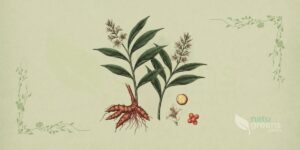
Kaempferia parviflora Wall. ex Baker / Black Ginger, popularly known as Thai black ginger, black ginger, kaempferia, Thai ginseng or krachai dum, is a perennial herbaceous plant of the Zingiberaceae family, native to Thailand and Southeast Asia. For centuries, traditional Thai medicine has relied on its rhizomes, with their characteristic dark color, which are the most used part of the plant and the basis for extracts, infusions and supplements.
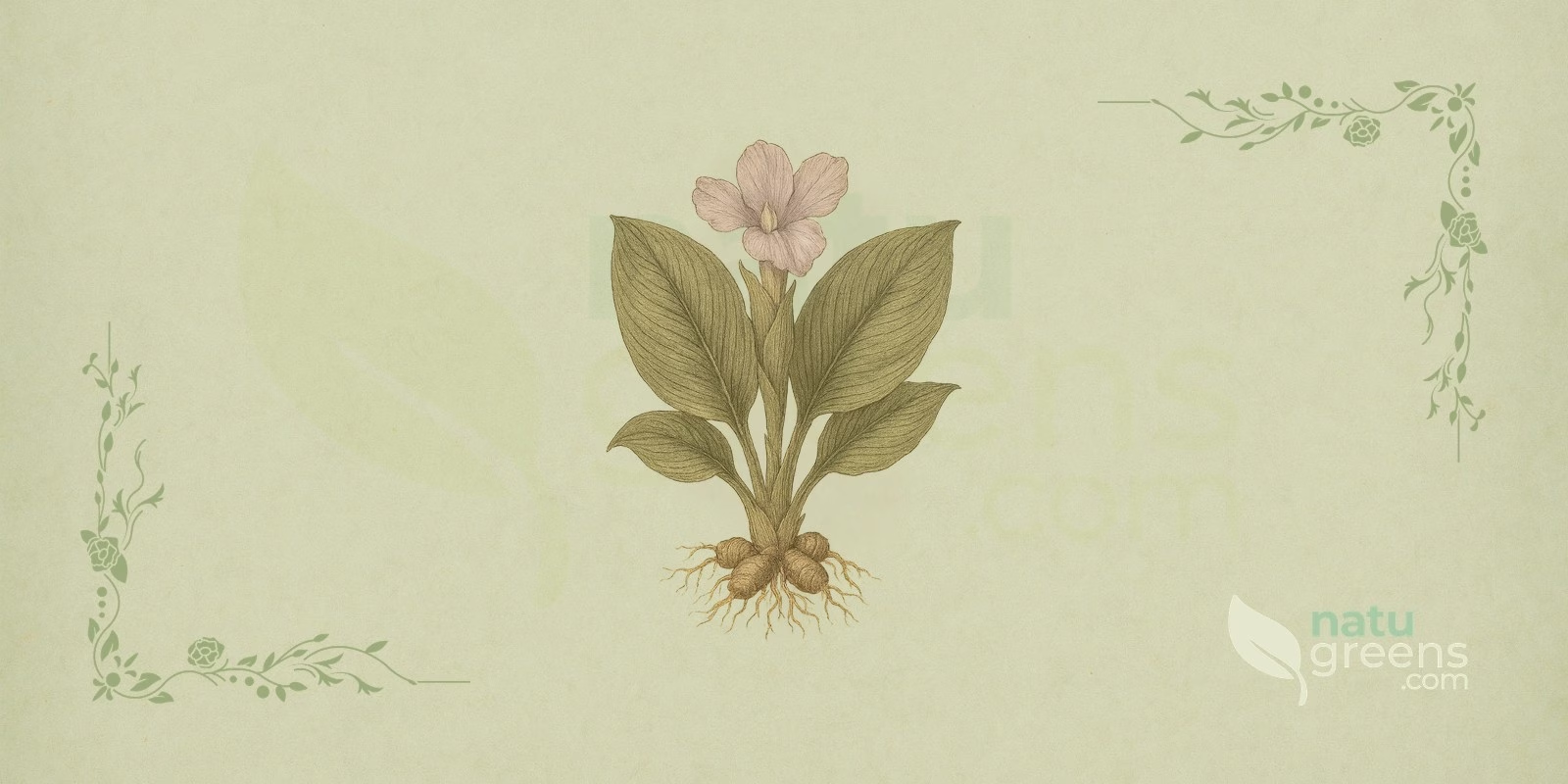
In Thailand, black ginger holds a prominent place as a traditional vitality tonic and as a plant associated with male sexual health, and it also appears in remedies for digestive and inflammatory complaints. Its composition is dominated by polymethoxyflavones, compounds studied in the laboratory for antioxidant and anti-inflammatory activity and also for inhibiting the PDE5 enzyme, the same target as erectile dysfunction drugs. The data on physical performance, libido and fat loss, however, come from small and preclinical studies, and this very mechanism is what makes the plant dangerous for people who take certain heart medications.
Popular and International Names of Black Ginger
- English: black galingale, black ginger, krachai dum, Thai black ginger, Thai ginseng.
- French: gingembre noir, ginseng thaïlandais, krachai dum.
- German: Krachai Dum, Schwarzer Ingwer, Thai-Ginseng.
- Italian: ginseng tailandese, krachai dum, zenzero nero.
- Portuguese: gengibre-preto, gengibre-preto-tailandês, ginseng-tailandês, kaempferia, krachai dum.
- Spanish: galingale negro, ginseng tailandés, jengibre negro, krachai dum.
Botanical Synonyms of Kaempferia parviflora
Besides Kaempferia parviflora Wall. ex Baker, other names have been used to describe this species or closely related forms, among them Kaempferia rubromarginata (S.Q.Tong) R.J.Searle and Stahlianthus rubromarginatus S.Q.Tong. Because the taxonomy of the Zingiberaceae is complex and many species look alike when seen only by their rhizome, confirming the scientific name is essential for research and for choosing products, and the binomial Kaempferia parviflora is the one widely accepted by the international scientific community.
Botanical Family: Zingiberaceae
The Zingiberaceae, known as the ginger family, bring together perennial, aromatic herbaceous plants with underground rhizomes, spread across about 50 genera and more than 1,300 species, mainly in tropical and subtropical regions. Their economic and medicinal importance is enormous, since the family includes ginger (Zingiber officinale), turmeric (Curcuma longa) and cardamom (Elettaria cardamomum).
Black ginger shares with its relatives rhizomes rich in bioactive compounds, and the family as a whole is known for producing essential oils, gingerols, curcuminoids and flavonoids. In the case of Kaempferia parviflora, the polymethoxyflavones take center stage, setting its chemical profile apart from common ginger and accounting for much of the interest in pharmacological research.
Parts of Black Ginger Used
- Rhizome extracts
- Rhizomes
Ethnobotanical and Traditional Uses of Black Ginger
- Circulation (traditional record)
- Coughs (folk use)
- Energy and vitality (traditional record as a tonic)
- Fever (folk use)
- Gastrointestinal disorders, such as ulcers and bloating (traditional use)
- Leucorrhea (traditional record)
- Male sexual performance (traditional record; preliminary data only)
- Pain and inflammation (folk use)
- Physical strength and endurance (traditional record; small, preliminary studies)
- Wounds (folk use)
Therapeutic Properties of Black Ginger
- Antiallergic (preliminary laboratory studies)
- Antimicrobial (activity observed in laboratory studies)
- Anti-inflammatory (preliminary laboratory and animal studies)
- Anti-obesity (preliminary animal studies, without clinical proof)
- Antioxidant (ability to neutralize free radicals in laboratory assays)
- Antiproliferative (activity observed in laboratory studies, without clinical proof)
- Antiulcer (preliminary animal studies)
- Aphrodisiac (traditional record; data from small and preclinical studies)
- Cardioactive (effects on the heart studied in animals)
- Neuroprotective (preliminary animal studies)
- PDE5 inhibitor (enzyme inhibition observed in the laboratory, the source of its interactions with nitrates and sildenafil)
- Vasodilator (vascular relaxation observed in experimental models)
Detailed Phytochemical Profile of Black Ginger
- 5,7,3′,4′-tetramethoxyflavone
- 5,7,4′-trimethoxyflavone
- 5,7-dimethoxyflavone
- Carotenoids
- Essential oils
- Fatty acids
- Flavonoids
- Phenolic compounds
- Phytosterols
- Polymethoxyflavones
- Vitamins
Methoxyflavones such as 5,7-dimethoxyflavone are the most studied markers of the rhizome, and it was with them that researchers observed PDE5 inhibition in the laboratory, an effect considered low in affinity but present in large amounts in the extract.
Preparation and Administration Forms of Black Ginger
- Capsules and supplements
- Extracts (ethanolic)
- Teas and infusions (from the rhizome)
Synergy with Other Medicinal Plants
Traditional Vitality Tonics
In traditional vitality formulas, black ginger is paired with ginseng (Panax ginseng) and maca (Lepidium meyenii), plants that also carry a popular reputation linked to energy and stamina. The idea of combining them comes from tradition and supplement marketing, not from studies showing a combined effect, so anyone taking heart or blood pressure medication should avoid this kind of blend without medical guidance.
Traditional Pairings with Cardiovascular Plants
There are also records of Kaempferia parviflora being used alongside garlic (Allium sativum) and hawthorn (Crataegus monogyna), plants studied for their effects on circulation and blood pressure. Since black ginger has a vasodilating action observed in the laboratory, this combination may add up its effects on blood pressure and should not be used by anyone taking antihypertensives or nitrates or living with cardiovascular disease.
Traditional Combinations with Other Members of the Ginger Family
For traditional anti-inflammatory purposes, black ginger appears alongside turmeric (Curcuma longa) and common ginger (Zingiber officinale), relatives from the same family whose compounds are studied for antioxidant and anti-inflammatory activity. The combination is traditional and culinary across much of Southeast Asia, but the evidence for an added effect comes only from preliminary studies.
Recipes and Usage Protocols of Black Ginger
Traditional Black Ginger Infusion
In Thailand, an infusion of the dried rhizome is traditionally drunk as a tonic beverage in the morning.
Ingredients:
- A small amount of dried Kaempferia parviflora rhizome (chopped or powdered)
- 250 ml of boiling water
- Honey or lemon (optional, for flavor)
Method:
- Place the dried rhizome in a cup.
- Pour the boiling water over the rhizome.
- Cover and let it steep for 10 to 15 minutes.
- Strain and add honey or lemon to taste, if desired.
Guidance: how often to use it should be decided with a health professional. The infusion should not be used by anyone taking nitrates, sildenafil or other PDE5 inhibitors, or antihypertensives, or by anyone with uncontrolled cardiovascular disease.
Traditional Black Ginger Tincture
A tincture is a traditional way of preserving the compounds of the rhizome; it is more concentrated than tea, so its dose should not be set on your own.
Ingredients:
- 50 g of fresh Kaempferia parviflora rhizome (chopped)
- 250 ml of 70% grain alcohol
Method:
- Place the chopped rhizome in a sterilized glass jar.
- Cover with the grain alcohol, making sure the rhizome is completely submerged.
- Seal tightly and store in a cool, dark place for 2 to 4 weeks, shaking daily.
- Strain the tincture through a fine cloth or paper filter and discard the plant material.
- Store in a dark glass bottle, in a cool place away from light.
Guidance: the amount should be recommended by a health professional. The tincture is not suitable for pregnant or breastfeeding women, children, people taking nitrates, PDE5 inhibitors or antihypertensives, or anyone with cardiovascular disease.
The preparations above follow traditional records and do not replace professional guidance. Before any internal use, check the contraindications and interactions described in this article.
Therapies Associated with Black Ginger
Herbal Medicine
In contemporary herbal medicine, black ginger appears mainly in capsules and extracts standardized for methoxyflavones, as well as in infusions and tinctures, and its use is associated with physical performance, sexual health and digestive and inflammatory complaints. A systematic review of clinical studies found modest results based on few participants, so these effects should be described as preliminary. The market for these supplements also calls for caution, because products adulterated with synthetic drugs not declared on the label have already been documented.
Traditional Thai Medicine
In traditional Thai medicine, krachai dum is a popular tonic used to promote vitality, energy and male sexual health, and tradition describes it as a plant that helps the body cope with fatigue and stay in balance. This use is deeply rooted in the country's culture, where the rhizome is sold dried, in teas and in capsules, always within the logic of a traditional tonic rather than a proven medicine.
Contraindications and Side Effects of Black Ginger
Serious Drug Interactions
Warning: black ginger is popularly marketed as a male sexual stimulant, and the plant's methoxyflavones have shown inhibition of the PDE5 enzyme in laboratory studies, the same mechanism as drugs such as sildenafil. For this reason there is a real, documented risk of interaction:
- Nitrates: risk of a severe drop in blood pressure, which can be fatal. Anyone taking nitrates, for any reason, should not use the plant.
- Sildenafil and other PDE5 inhibitors: the effects may add up, and combined use is contraindicated.
- Antihypertensives: the vasodilating effect may add to that of blood pressure medication and cause hypotension.
- Anticoagulants: because of its effect on circulation, anyone taking anticoagulants should consult a health professional before use.
Contraindications
- Uncontrolled cardiovascular disease: black ginger is contraindicated in this situation.
- Use of nitrates or PDE5 inhibitors: absolute contraindication, whatever the reason for taking these medications.
- Pregnancy and breastfeeding: there are insufficient safety data, and medicinal use should be avoided.
- Children: there are no safety studies, and use should be avoided.
Adulterated Products
There are documented reports of commercial Kaempferia parviflora products adulterated with synthetic erectile dysfunction drugs that were not listed on the label, which unknowingly exposes consumers to the same dangerous interactions as those medications. Be wary of products that promise an immediate or guaranteed effect, choose manufacturers with health authority registration and talk to a health professional before using any supplement made from the plant.
Side Effects
At high doses, mild gastrointestinal disturbances such as nausea and stomach discomfort may occur. People with pre-existing conditions or who take medication on an ongoing basis should seek medical advice before use.
Historical Notes and Interesting Facts about Black Ginger
Roots in Thai Tradition
Black ginger has a long history of cultivation and use in Thailand, where it is associated with longevity and vitality and goes into traditional tonics and elixirs. The color of the rhizome, ranging from deep purple to almost black when cut, is the feature that sets it apart from other gingers and inspired its popular names in several languages.
A Reputation as a Sexual Stimulant
In Southeast Asia, krachai dum earned a reputation as a plant for male sexual health, a fame that led scientists to investigate its compounds and to discover, in the laboratory, PDE5 inhibition by its methoxyflavones. That same fame, however, fueled a supplement market full of exaggerated promises and cases of adulteration with synthetic drugs, which underlines the importance of treating the available data as preliminary.
A Tradition among Fighters
In Thailand, athletes and martial artists traditionally use black ginger as a tonic for endurance and stamina, and the plant has become popular among people looking for supplements linked to physical performance. Studies on this subject, however, are small and preliminary and do not prove any gain in strength or muscle recovery.
Frequently Asked Questions about Black Ginger
What Is Black Ginger?
Black ginger, or Kaempferia parviflora, is a herbaceous plant of the ginger family (Zingiberaceae), native to Thailand and known for its dark-colored rhizomes. In Thai tradition it is used as a tonic for vitality and energy and associated with male sexual health.
Does Black Ginger Have Proven Benefits?
Not yet. The data on physical performance, libido and fat loss come from small and preclinical studies, and the anti-inflammatory and antioxidant activities were observed mainly in the laboratory. These are preliminary studies, not proven efficacy.
Can Black Ginger Be Used with Erectile Dysfunction or Heart Medications?
No. The plant's methoxyflavones inhibit the PDE5 enzyme in the laboratory, the same mechanism as sildenafil, and use with nitrates can cause a severe drop in blood pressure, which can be fatal. The plant is contraindicated for anyone taking nitrates or PDE5 inhibitors and calls for caution with antihypertensives.
Are Black Ginger Supplements Safe?
There are documented reports of products adulterated with synthetic erectile dysfunction drugs not declared on the label. Be wary of promises of an immediate or guaranteed effect and consult a health professional before using any supplement.
Who Should Not Use Black Ginger?
People taking nitrates or PDE5 inhibitors, anyone with uncontrolled cardiovascular disease, pregnant and breastfeeding women, and children. People taking antihypertensives or anticoagulants should consult a doctor first.
Is Black Ginger the Same as Common Ginger?
No. Although they belong to the same family, black ginger (Kaempferia parviflora) is a different species from common ginger (Zingiber officinale), with dark rhizomes and a chemical profile dominated by polymethoxyflavones.
Notice: this content is for informational purposes and does not replace professional medical advice. Consult a physician or herbal practitioner before using medicinal plants, especially during pregnancy, breastfeeding, or alongside medication.
How to cite this article
NATUGREENS. Black Ginger (Kaempferia parviflora): Benefits and Uses. Natugreens, 19 Nov. 2026. Disponível em: https://natugreens.com/kaempferia-parviflora-black-ginger/. Accessed: Nov. 20, 2026.
Natugreens. (2026). Black Ginger (Kaempferia parviflora): Benefits and Uses. Natugreens. https://natugreens.com/kaempferia-parviflora-black-ginger/
References and Scientific Studies
- PMC2011 Temkitthawon P, et al. Kaempferia parviflora, a plant used in traditional medicine to enhance sexual performance contains large amounts of low affinity PDE5 inhibitors. J Ethnopharmacol. 2011.
- PMC2017 Saokaew S, et al. Clinical Effects of Krachaidum (Kaempferia parviflora): A Systematic Review. J Evid Based Complementary Altern Med. 2017.
- PMC2018 Chen D, et al. Kaempferia parviflora and Its Methoxyflavones: Chemistry and Biological Activities. Evid Based Complement Alternat Med. 2018.
- PMC2015 Mekjaruskul C, et al. Pharmacokinetic interaction between Kaempferia parviflora extract and sildenafil in rats. J Nat Med. 2015.
- PMC2023 Lee HS, et al. Kaempferia parviflora rhizome extract exerts anti-obesity effect in high-fat diet-induced obese C57BL/6N mice. Food Nutr Res. 2023.
You May Also Like

Take your time and tell us everything you think, details included. Every response is read by someone on our editorial team and goes into the article's revision. An honest critique helps us more than a polite compliment.
Take your time and tell us everything you think, details included. Every response is read by someone on our editorial team and goes into the article's revision. An honest critique helps us more than a polite compliment.