



Quick summary
Chenopodium quinoa Willd., popularly known as quinoa, is an annual pseudocereal of the Amaranthaceae family, native to the Andean region of South America and cultivated for thousands of years by indigenous peoples of Peru, Bolivia, and Ecuador. The grain became popular worldwide for a nutritional profile that is…
Main caution: Quinoa is, above all, a food, and should be treated as such, not as an herbal remedy or a medicine: none of the properties described in this article replace the diagnosis, treatment, or guidance of a health…
Chenopodium quinoa Willd., popularly known as quinoa, is an annual pseudocereal of the Amaranthaceae family, native to the Andean region of South America and cultivated for thousands of years by indigenous peoples of Peru, Bolivia, and Ecuador. The grain became popular worldwide for a nutritional profile that is unusual among plants: complete protein, fiber, and minerals in amounts relevant to a plant-based diet. Many of the effects commonly attributed to quinoa come from preclinical studies or traditional use, and robust clinical trials in humans are still needed to confirm several of these benefits.

Popular and International Names for Quinoa
- Portuguese (Brazil): quinoa, quinua, arroz-dos-incas, trigo-dos-incas.
- English: quinoa, quinoa grain, inca wheat, mother grain.
- Spanish: quinua, quinoa, arroz de los incas, trigo inca.
- German: Quinoa, Reismelde, Inkaweizen.
- French: quinoa, riz des Incas, petit riz du Pérou.
- Italian: quinoa, riso degli Incas, grano degli Incas.
Botanical Synonyms of Quinoa
Chenopodium quinoa Willd. is the name accepted by most botanical authorities, including the World Flora Online. Some databases cite Chenopodium album subsp. quinoa (Willd.) K. Hammer as a relevant synonym, reflecting its close relationship to the common Chenopodium album, and the names Chenopodium hircinum Schrad. and Chenopodium nuttalliae Saff. also appear in the literature. Taxonomy within the genus Chenopodium is still debated among specialists, but the name Chenopodium quinoa remains the one in common use for the species cultivated as food.
Botanical Family: Amaranthaceae
The Amaranthaceae family today brings together species that were once divided between Amaranthaceae and Chenopodiaceae, totaling around 180 genera and more than 2,500 species distributed across nearly every continent. It includes plants of major food and economic importance, such as beets, spinach, and amaranth, in addition to quinoa itself. The flowers tend to be small and gathered into dense inflorescences, and many species produce pigments called betalains instead of the anthocyanins more common in other families.
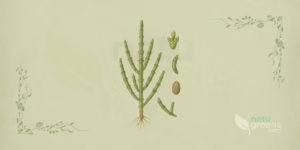
In quinoa, these characteristics appear as sturdy stems, alternate leaves, and panicle inflorescences loaded with small grains. The family is also known for producing saponins, flavonoids, and alkaloids, compounds that draw interest both from the functional food industry and from pharmaceutical research.
Parts of Quinoa Used
The grain, technically a fruit of the achene type popularly called a seed, is the part used as food and the most studied. Young leaves are also eaten, in a way similar to other leafy greens, and the flour obtained by milling the grain is used to make bread, pasta, and cakes.
Traditional and Ethnobotanical Uses of Quinoa
Among Andean peoples, quinoa has always held a central role in the diet, and most of the uses listed below come from this age-old tradition, without being equivalent to proven medical indications:
- Staple food of high nutritional value in Andean diets.
- Traditional use as dietary support in cases of diabetes.
- Traditional use associated with cholesterol control.
- Traditional use in relieving mild inflammation.
- Topical application of the leaves on small wounds, in folk records.
- Protein source valued by vegetarians and vegans.
- Traditional use as support for digestion and gut health.
Medicinal Properties of Quinoa
Quinoa is a food, not an herbal remedy, and the properties below come from preclinical studies, in the laboratory or in animals, and from traditional use, without confirmation in robust clinical trials in humans:
- Antioxidant (free-radical scavenging activity observed in laboratory tests)
- Anti-inflammatory (effect described in preclinical studies, still without confirmation in humans)
- Blood sugar lowering (support for glycemic control, suggested by preliminary studies)
- Cholesterol lowering (associated with reduced cholesterol in some studies, with results still variable)
- Immunomodulatory (modulation of the immune system observed in experimental models)
- Cardioprotective (attributed to the fiber and phytosterols present in the grain, under study)
- Prebiotic (stimulation of gut microbiota, described in preliminary research)
Detailed Phytochemical Profile of Quinoa
Quinoa's chemical composition combines classic nutritional compounds with phytochemicals of functional interest:
- Saponins (triterpene glycosides concentrated in the grain's outer coating)
- Flavonoids (quercetin, kaempferol, and isorhamnetin, among others)
- Phenolic acids (ferulic, coumaric, and sinapic)
- Tocopherols (forms of vitamin E)
- Carotenoids (pigments with antioxidant activity)
- Phytosterols (plant compounds related to cholesterol metabolism)
- Essential amino acids (lysine, methionine, and tryptophan in a proportion that is high for a grain)
- Dietary fiber (soluble and insoluble)
- Minerals (iron, magnesium, zinc, and phosphorus)
- B complex vitamins (including folate)
Preparation and Administration Methods for Quinoa
The most common way to eat quinoa is as a cooked grain, used as a substitute for rice or couscous in savory dishes. Quinoa flour goes into recipes for bread, cakes, and pasta, often mixed with other flours to help with binding. The flakes are used in breakfast cereals and granola, and the sprouts appear in salads. Plant-based milk and industrial extracts made from quinoa also exist, aimed at dietary supplementation.
Synergy with Other Medicinal Plants
Glycemic Balance
Combining quinoa with cinnamon (Cinnamomum verum) and fenugreek (Trigonella foenum-graecum) is common in diets aimed at balancing blood sugar. Quinoa contributes fiber and protein that slow down glucose absorption, while cinnamon and fenugreek have traditional use associated with insulin sensitivity. There are no clinical studies testing this specific combination, and any dietary adjustment for people with diabetes should be supervised by a doctor or a nutrition professional.
Cardiovascular Health
Quinoa, flaxseed (Linum usitatissimum), and garlic (Allium sativum) form a combination that is popular among people seeking support for heart health. Quinoa provides soluble fiber and phytosterols, flaxseed contributes omega-3 fatty acids, and garlic has traditional use linked to blood pressure. Combining these foods can be part of a balanced diet, but it does not replace follow-up care for anyone who already has a cardiovascular diagnosis.
Digestive Support
For those looking for digestive comfort, quinoa is often paired with ginger (Zingiber officinale) and peppermint (Mentha × piperita). Quinoa's fiber supports regular bowel movements, while ginger and peppermint have traditional use in relieving bloating and mild indigestion. Persistent digestive discomfort deserves professional evaluation, since it can have causes that go beyond diet.
Recipes and Usage Protocols for Quinoa
Quinoa Salad with Fresh Vegetables
Ingredients: 1 cup cooked quinoa, 1 chopped cucumber, 1 chopped tomato, 1/2 chopped red onion, juice of 1 lemon, olive oil, salt and pepper to taste, fresh mint leaves.
Preparation: cook the quinoa according to the package instructions and let it cool. In a large bowl, combine the cooked quinoa with the cucumber, tomato, and red onion. Season with the lemon juice, olive oil, salt, and pepper. Mix well and finish with the chopped mint. This is a light, fiber-rich meal, suitable for lunch or as a side dish.
Quinoa Breakfast Porridge
Ingredients: 1/2 cup quinoa, 2 cups plant-based or dairy milk, 1 tablespoon honey or maple syrup, fresh fruit, nuts, or seeds to taste.
Preparation: rinse the quinoa well under running water. In a pot, combine the quinoa and the milk and place over medium heat. Let it come to a boil, lower the heat, and cook for fifteen to twenty minutes, until the grain is soft and the liquid has been absorbed, stirring occasionally. Remove from the heat, sweeten with honey or maple syrup, and serve warm, topped with fruit, nuts, or seeds.
Vegetarian Quinoa Burger
Ingredients: 1 cup cooked quinoa, 1 cup cooked and mashed black beans, 1/2 cup breadcrumbs, 1 egg, chopped cilantro, 1 chopped garlic clove, salt, pepper, and cumin to taste.
Preparation: in a bowl, mix the cooked quinoa, the mashed beans, the breadcrumbs, the egg, the cilantro, the garlic, the salt, the pepper, and the cumin until you get a uniform mixture. Shape the patties and cook them in a skillet with a little olive oil for five to seven minutes on each side, until golden. Serve on a bun with your toppings of choice. These preparations follow traditional records and do not replace professional guidance, especially for anyone who already has a dietary restriction or takes medication.
The preparations above follow traditional records and do not replace professional guidance. Before any internal use, check the contraindications and interactions described in this article.
Therapies Associated with Quinoa
Clinical Nutrition
In clinical nutrition, quinoa frequently appears in meal plans for patients with celiac disease, since it is naturally gluten-free, and also in diets aimed at weight management and cardiovascular health, due to its combination of fiber and protein. Dietitians often recommend the grain as a way to diversify amino acid intake in vegetarian and vegan diets.
Use in Functional Nutrition
In functional nutrition, quinoa is seen as a nutrient-dense food, used to build meals with a good balance of protein, fiber, and micronutrients. Athletes turn to the grain as a source of slow-release energy and amino acids for muscle recovery, and people with specific dietary restrictions find in it a versatile alternative to gluten-containing grains.
Contraindications and Side Effects of Quinoa
Quinoa is, above all, a food, and should be treated as such, not as an herbal remedy or a medicine: none of the properties described in this article replace the diagnosis, treatment, or guidance of a health professional. The grain's outer coating contains saponins, substances that can irritate the digestive system and leave a bitter taste when not removed; it is therefore recommended to rinse the grains well under running water before cooking, although most commercially sold quinoa already comes pre-rinsed by the manufacturer. Quinoa also contains oxalates, and people with a history of kidney stones, especially calcium oxalate stones, should moderate their intake and talk to their doctor or dietitian about the amount that is appropriate for their case. The grain is naturally gluten-free and is usually well tolerated by people with celiac disease, but there is a risk of cross-contamination with wheat, rye, or barley during cultivation, transport, or industrial processing, which makes it important to choose brands with specific celiac certification. Nothing in this article should be read as a promise of a cure: quinoa is a functional food with well-established nutritional benefits, but without proven therapeutic effect for specific diseases.
Drug Interactions
In normal dietary amounts, there are no reports of relevant drug interactions associated with quinoa consumption. Since the grain's fiber could, in theory, slow down the absorption of some medications, it is wise to allow some time between a quinoa-rich meal and taking medications sensitive to this effect, especially under the guidance of the prescribing doctor.
Interesting Facts and Historical Notes
For the Incas, quinoa was considered a sacred food, called "mother of all grains", and tradition holds that the emperor himself opened the planting season with golden tools, in an annual ceremony. Centuries later, NASA began studying quinoa as a possible crop for long-duration space missions, due to its high nutritional value and ease of cultivation under adverse conditions. The United Nations declared 2013 the International Year of Quinoa, with the FAO coordinating the observance, recognizing the grain's potential in the fight against hunger and malnutrition.
Frequently Asked Questions about Quinoa
Does Quinoa Cause Weight Gain?
No, not when eaten in moderation as part of a balanced diet. On the contrary, its high fiber and protein content supports satiety, which helps with appetite and weight control throughout the day.
Do You Need to Wash Quinoa before Cooking?
Yes, it is advisable to rinse the grains well under running water, even when the package states that they have already been washed. This process removes most of the saponins, substances that leave a bitter taste and can cause digestive discomfort in more sensitive people.
What Is the Difference between White, Red, and Black Quinoa?
The three varieties have a similar nutritional profile, with small differences in flavor and texture. White quinoa is the most common, with a mild flavor and a light texture. Red quinoa holds its shape better after cooking and has a slightly stronger flavor. Black quinoa is the crunchiest, with a slightly earthy flavor.
Can People with Celiac Disease Eat Quinoa?
Yes, quinoa is naturally gluten-free and is usually well tolerated by people with celiac disease. Even so, it is worth choosing brands certified free of cross-contamination, since the grain can come into contact with wheat or other grains during processing.
Do People with Kidney Stones Need to Avoid Quinoa?
There is no need to eliminate the food, but anyone who has had kidney stones, especially calcium oxalate stones, should moderate their quinoa intake because of its oxalate content, and talk to their doctor or dietitian about the amount that is appropriate for their case.
Notice: this content is for informational purposes and does not replace professional medical advice. Consult a physician or herbal practitioner before using medicinal plants, especially during pregnancy, breastfeeding, or alongside medication.
How to cite this article
NATUGREENS. Quinoa (Chenopodium quinoa): Benefits, Uses, and Precautions. Natugreens, 21 Nov. 2026. Disponível em: https://natugreens.com/quinoa-chenopodium-quinoa/. Accessed: Nov. 21, 2026.
Natugreens. (2026). Quinoa (Chenopodium quinoa): Benefits, Uses, and Precautions. Natugreens. https://natugreens.com/quinoa-chenopodium-quinoa/
References and Scientific Studies
View All 10 Cited References
- PMC2015 Graf, B. L., et al. (2015). Innovations in Health Value and Functional Food Development of Quinoa (Chenopodium quinoa Willd.). Comprehensive Reviews in Food Science and Food Safety. ↗
- DOI2016 Navruz-Varli, S., & Sanlier, N. (2016). Nutritional and health benefits of quinoa (Chenopodium quinoa Willd.). Journal of Cereal Science. ↗
- DOI2017 Vilcacundo, R., & Hernández-Ledesma, B. (2017). Nutritional and biological value of quinoa (Chenopodium quinoa Willd.). Current Opinion in Food Science. ↗
- PMC2010 Vega-Gálvez, A., et al. (2010). Nutrition facts and functional potential of quinoa (Chenopodium quinoa willd.), an ancient Andean grain: a review. Journal of the Science of Food and Agriculture. ↗
- PMC2009 Abugoch James, L. E. (2009). Quinoa (Chenopodium quinoa Willd.): composition, chemistry, nutritional, and functional properties. Advances in Food and Nutrition Research. ↗
- PMC2020 El Hazzam, K., et al. (2020). An Insight into Saponins from Quinoa (Chenopodium quinoa Willd): A Review. Molecules. ↗
- PMC2024 Manzanilla-Valdez, M. L., et al. (2024). Unveiling the nutritional spectrum: a comprehensive analysis of protein quality and antinutritional factors in three varieties of quinoa (Chenopodium quinoa Wild). Food Chemistry: X. ↗
- PMC2012 Zevallos, V. F., et al. (2012). Variable activation of immune response by quinoa (Chenopodium quinoa Willd.) prolamins in celiac disease. The American Journal of Clinical Nutrition. ↗
- PMC2015 Simnadis, T. G., Tapsell, L. C., & Beck, E. J. (2015). Physiological Effects Associated with Quinoa Consumption and Implications for Research Involving Humans: a Review. Plant Foods for Human Nutrition. ↗
- PMC2024 Atefi, M., et al. (2024). Does Quinoa (Chenopodium quinoa) Consumption Improve Blood Glucose, Body Weight and Body Mass Index? A Systematic Review and Dose-Response Meta-Analysis of Clinical Trials. Current Medicinal Chemistry. ↗
You May Also Like




Take your time and tell us everything you think, details included. Every response is read by someone on our editorial team and goes into the article's revision. An honest critique helps us more than a polite compliment.
Take your time and tell us everything you think, details included. Every response is read by someone on our editorial team and goes into the article's revision. An honest critique helps us more than a polite compliment.