Salvia apiana Jeps. / White Sage, popularly known as white sage, Californian white sage, or sacred sage, is an evergreen perennial shrub native to the southwestern United States and northwestern Mexico. This hardy plant is found mainly in the coastal sage scrub habitat of Southern California and Baja California, on the western edges of the Mojave and Sonoran deserts. Salvia apiana has been valued for centuries for its aromatic and medicinal properties, playing a significant role in the indigenous cultures of the region.
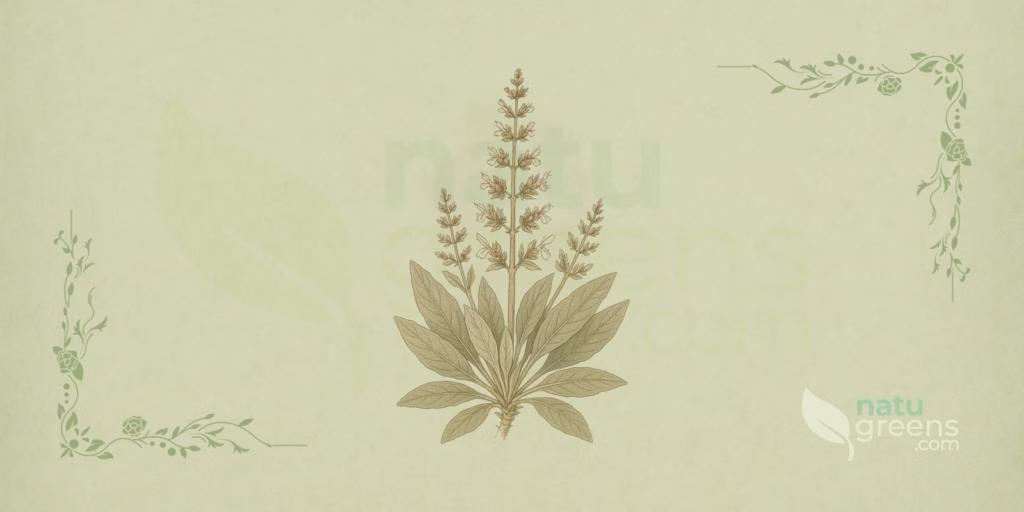
Historically, white sage has been a pillar of traditional medicine and ritual practices among several Native American tribes, such as the Cahuilla and Chumash. Its silvery, highly aromatic leaves, which release oils and resins when rubbed, are the basis for many of its uses. The plant is recognized not only for its therapeutic applications but also for its cultural and spiritual importance, being frequently used in purification and smudging ceremonies. Modern science has begun to explore and validate the antioxidant, antimicrobial, and anti-inflammatory properties attributed to this species.
Popular and International Names of White Sage
- English: white sage, Californian white sage, bee sage, sacred sage.
- Spanish: salvia blanca, salvia sagrada, salvia de abeja, salvia real.
- Portuguese: sálvia-branca, sálvia-californiana, sálvia-sagrada, sálvia-das-abelhas.
- French: sauge blanche, sauge de Californie, sauge sacrée.
- Italian: salvia bianca, salvia californiana, salvia sacra.
- German: Weißer Salbei, Kalifornischer Salbei, Bienensalbei.
Botanical Synonyms of White Sage
The accepted botanical name for this species is Salvia apiana Jeps. Before its current classification, the species was described under other names that are now treated as synonyms, most notably Audibertia polystachya Benth. and Ramona polystachya (Benth.) Greene. This synonymy reflects the taxonomic history of the American sages, which were at times placed in separate genera before being consolidated within the large genus Salvia. Knowing these synonyms is useful when consulting older botanical literature and herbarium records.
Botanical Family: Lamiaceae
Salvia apiana belongs to the vast and diverse Lamiaceae family, commonly known as the mint family. This family is one of the largest and most important in the plant kingdom, comprising about 236 genera and more than 7,000 species distributed globally. The Lamiaceae are characterized by square stems, opposite leaves, and two-lipped flowers, often grouped in whorled inflorescences. Many species of this family are renowned for their aromatic, culinary, and medicinal properties, including plants such as mint, rosemary, thyme, oregano, and lavender.
The presence of essential oils rich in terpenes and other volatile compounds is a distinctive feature of the Lamiaceae, giving them the aromas and flavors that make them so valuable. Salvia apiana, with its highly aromatic leaves, is an excellent example of this phytochemical richness. The Lamiaceae family has been extensively studied for its applications in phytotherapy, perfumery, and the food industry, consolidating its role as a vital source of bioactive compounds with therapeutic potential.
Parts of White Sage Used
- Leaves
- Roots
- Seeds
- Stems
Ethnobotanical and Traditional Uses of White Sage
- Food (seeds ground into flour, leaves and stems)
- Removal of foreign objects from the eyes (seeds)
- Ritual purification and smudging ceremonies
- Root tea for healing and strength after childbirth (Cahuilla women)
- Treatment of skin rashes (such as poison ivy)
- Treatment of sore throats, coughs, colds, and respiratory infections
Therapeutic Properties of White Sage
- Analgesic (relieves pain)
- Anti-inflammatory (reduces inflammation)
- Antimicrobial (fights microorganisms); traditional use, without established clinical efficacy
- Antioxidant (fights free radicals)
- Antiseptic (prevents infections); traditional use, without established clinical efficacy
- Anxiolytic (reduces anxiety); traditional use, without established clinical efficacy
- Cytotoxic (under study, with data limited to tumor cell lines in the laboratory)
- Diuretic (increases urine production)
- Expectorant (helps expel mucus)
- Febrifuge (reduces fever)
- Hypoglycemic (under study, with laboratory data on glucose metabolism)
- Neuroprotective (protects the nervous system); traditional use, without established clinical efficacy
Detailed Phytochemical Profile of White Sage
- Abietane-type diterpenoids
- β-caryophyllene
- C23 terpenoids
- Camphor
- Essential oils (major compounds: 1,8-cineole, camphor, β-caryophyllene, sclareol, germacrene B, hexyl octanoate)
- Flavonoids
- Germacrene B
- Hexyl octanoate
- Hydroxycarnosic acid
- Phenolic acids
- Rosmanol
- Rosmarinic acid
- Sclareol
- Terpenes
- Triterpenes
Preparation and Administration Forms of White Sage
- Compresses
- Decoction (roots)
- Essential oil
- Extracts
- Smudging (fumigation)
- Tea (infusion)
- Tinctures
Synergy with Other Medicinal Plants
Anxiety Reduction
Combining white sage with lavender (Lavandula angustifolia) and chamomile (Matricaria chamomilla) can intensify calming and anxiolytic effects. The terpenes of Salvia apiana, together with the linalool of lavender and the apigenin of chamomile, work in concert to promote relaxation, reduce stress, and improve sleep quality. This synergy is particularly useful for individuals seeking natural relief from anxiety and nervousness.
Digestive Support
White sage can be paired with peppermint (Mentha × piperita) and ginger (Zingiber officinale) to optimize digestive support. The terpenes of Salvia apiana, combined with the menthol of peppermint and the gingerols of ginger, are used in traditional practice to relieve cramps, flatulence, and indigestion. The blend is taken to settle the gastrointestinal tract and support comfortable digestion.
Pain and Inflammation Relief
In topical applications for pain and inflammation relief, white sage can be associated with plants such as arnica (Arnica montana) or calendula (Calendula officinalis). The diterpenes and triterpenes of white sage, with their anti-inflammatory properties, complement the analgesic and healing effects of arnica and calendula. This combination can be used in compresses or ointments to treat bruises and muscle and joint pain, promoting recovery and reducing discomfort.
Purification and Energetic Cleansing
White sage is often used in synergy with other aromatic plants and resins in purification rituals. Combining it with palo santo (Bursera graveolens) or with the cedars of North American traditions (Thuja plicata, Juniperus spp.) is among the most common pairings. This practice, rooted in indigenous traditions, aims to remove stagnant energies and foster a space of clarity and well-being. The aromatic smoke of white sage, together with other herbs, creates an atmosphere conducive to meditation and introspection.
Respiratory Relief
White sage can be combined with eucalyptus (Eucalyptus globulus) and thyme (Thymus vulgaris) to enhance its expectorant and antiseptic effects on the airways. The 1,8-cineole, present in high concentrations in both Salvia apiana and eucalyptus, acts synergistically to decongest and relieve symptoms of colds, flu, and sinusitis. Thyme adds antimicrobial properties, creating a powerful blend for lung health.
Recipes and Usage Protocols of White Sage
Compress for Skin Inflammation
Ingredients: 2 tablespoons of dried white sage leaves, 500 ml of water, gauze or a clean cloth.
Preparation: Prepare a decoction by boiling the white sage leaves in the water for 10 minutes. Strain and let the solution cool to a lukewarm temperature. Soak the gauze or clean cloth in the decoction and apply it to the affected area of the skin for 15 to 20 minutes, twice a day. This compress is useful for reducing inflammation, soothing irritations, and aiding the healing of small wounds or insect bites.
Smudging for Environmental Purification
Ingredients: A bundle of dried white sage (smudge stick).
Preparation: Light the tip of the white sage bundle until it begins to smoke. Blow gently to keep the ember glowing. Pass the smoke through the rooms, people, or objects you wish to purify, using a feather or your hand to direct the smoke. It is important to have a heat-resistant container to collect the ashes. Open windows to let the smoke out; according to tradition, negative energies leave with it. Choose leaves from cultivated sources, out of respect for Native peoples’ appeal against wild harvesting. This practice is traditionally used to cleanse and bless spaces, promoting a sense of peace and clarity.
Tea for Respiratory Symptom Relief
Ingredients: 1 teaspoon of dried white sage leaves, 200 ml of boiling water, honey and lemon (optional).
Preparation: Place the white sage leaves in a cup. Add the boiling water, cover, and let steep for 5 to 7 minutes. Strain and, if desired, add honey and a few drops of lemon to enhance the flavor and increase the benefits. Consume 2 to 3 times a day to relieve coughs, sore throats, and nasal congestion. The antiseptic and expectorant properties of white sage help clear the airways. Because it contains camphor, internal use of white sage should stay occasional, limited to a few consecutive days and supervised by a health professional, never a continuous habit.
Tincture for Anxiety and Stress
Ingredients: 50 g of fresh white sage leaves (or 25 g dried), 250 ml of 70% grain alcohol.
Preparation: Chop the white sage leaves and place them in a dark glass jar. Cover with the grain alcohol, making sure the leaves are completely submerged. Seal the jar tightly and let it macerate in a cool, dark place for 2 to 4 weeks, shaking daily. After the maceration period, strain the tincture through a fine cloth or coffee filter and store it in a dark dropper bottle. Take 20 to 30 drops diluted in a little water, 2 to 3 times a day, to promote relaxation and relieve anxiety. Consult a healthcare professional before use. Because it contains camphor, internal use of white sage should stay occasional, limited to a few consecutive days and supervised by a health professional, never a continuous habit.
Associated Therapies
Aromatherapy
White sage essential oil is highly valued in aromatherapy for its purifying and calming properties. Inhaling the aroma, whether through diffusers, personal inhalers, or diluted topical application, is used to cleanse the environment, promote mental clarity, and reduce stress. The complex terpene profile of the essential oil contributes to a relaxing and uplifting effect, and it is often employed in meditative and wellness practices to harmonize body and mind. It is important to use high-quality essential oils and dilute them properly before applying them to the skin. White sage essential oil is meant for inhalation or diluted topical use only: because it concentrates camphor and 1,8-cineole, it must never be swallowed.
Clinical Phytotherapy
In clinical phytotherapy, white sage is employed in various formulations to treat specific conditions. There are no Salvia apiana extracts standardized to a defined marker, and clinical use remains empirical, resting mainly on the ethnobotanical record and on laboratory assays. No dosing protocol has been established for the species, so any use should follow an individual assessment and take possible interactions with other medications into account. Modern phytotherapy seeks to integrate traditional knowledge with scientific evidence to optimize therapeutic outcomes.
Spiritual and Purification Practices
Beyond its medicinal uses, white sage is deeply rooted in the spiritual and purification practices of several Native American cultures. Burning the dried leaves, known as smudging, is an ancestral ceremony used to cleanse negative energies from people, spaces, and objects, invoke blessings, and promote spiritual healing. This practice is a testament to the reverence and respect that indigenous peoples hold for white sage, considering it a sacred plant with the power to restore balance and harmony. It is crucial to approach these practices with respect and cultural awareness, recognizing their origin and meaning.
Contraindications and Side Effects of White Sage
Drug Interactions
White sage may interact with certain medications. Laboratory assays suggest an effect on glucose metabolism, still without clinical confirmation for this species, so anyone taking diabetes medication should monitor their blood sugar and tell their doctor. It can also interact with sedatives and anxiolytics, increasing drowsiness. People taking blood pressure medications or anticoagulants should use white sage with caution and under medical supervision, as there may be a theoretical risk of interaction. Always inform your doctor or pharmacist about all supplements and herbs you are using to avoid unwanted interactions.
General Contraindications
Salvia apiana is generally considered safe when used appropriately, but there are some important contraindications. Individuals with a known allergy to plants of the Lamiaceae family (such as mint, rosemary, thyme) should avoid its use, as allergic reactions may occur.
Pregnant or breastfeeding women should consult a healthcare professional before using white sage, especially in concentrated doses, due to the lack of conclusive studies on its safety in these conditions. People with pre-existing medical conditions, such as epilepsy or high blood pressure, should also be cautious and seek medical advice before incorporating white sage into their health regimen, as some of its components may interact with medications or aggravate certain conditions. Children should not be given white sage internally, and the essential oil should not be applied to or inhaled by children under six, because of the risk linked to camphor and 1,8-cineole.
Potential Side Effects
Although rare, some side effects may occur with excessive use or in sensitive individuals. These may include mild gastrointestinal irritation, such as nausea or stomach discomfort, especially with the ingestion of large amounts. In topical applications, skin reactions such as redness or itching may appear in people with sensitive skin. Excessive inhalation of smudging smoke can cause respiratory irritation in individuals with asthma or other lung conditions. It is always advisable to start with low doses and observe the body’s reaction. In case of any adverse reaction, discontinue use and consult a healthcare professional.
Historical Notes and Interesting Facts
Ancestral and Modern Use
White sage has been used by the indigenous peoples of California and Baja California for thousands of years. In addition to its medicinal and ritual applications, the seeds were a staple food, ground to make pinole, and the leaves and stems were eaten by some tribes. However, the growing popularity of white sage in smudging practices outside indigenous cultures has raised concerns about overharvesting and the sustainability of the species. Many Native American groups and conservationists have called on non-natives to refrain from harvesting or buying wild white sage, in order to protect the populations and respect the plant’s cultural significance.
Sacred and Cultural Plant
White sage is considered a sacred plant by many indigenous tribes of North America, especially in the southwestern United States and northwestern Mexico. It is used in purification, healing, and blessing ceremonies, where the smoke of the burned leaves is employed to cleanse people, objects, and spaces of negative energies. This practice, known as smudging, is a cultural and spiritual pillar symbolizing the connection with nature and the pursuit of harmony. Its importance transcends medicinal use, making it a symbol of respect and tradition.
Scientific Name and Meaning
The scientific name Salvia apiana reflects striking characteristics of the plant. The term Salvia derives from the Latin “salvere”, meaning “to heal” or “to save”, alluding to its medicinal properties known since antiquity. The specific epithet apiana comes from the Latin “apis”, meaning “bee”, in reference to its great attractiveness to these pollinating insects. The full name can thus be interpreted as “the sage that heals and attracts bees”, encapsulating its dual ecological and therapeutic importance.
The Bee Sage
The epithet apiana was given because of the strong attraction that white sage flowers exert on bees, which are its main pollinators. The plant is a vital source of nectar and pollen for several species of native bees, playing a crucial role in the ecology of the ecosystems where it grows. The symbiotic relationship between white sage and bees is a fascinating example of interdependence in nature, and it explains the common name “bee sage” used in both English and Spanish.
Threat of Overharvesting
Due to the growing popularity of white sage for smudging and wellness rituals, the plant has been the target of overharvesting in its natural habitat. This unsustainable practice threatens wild populations and the local ecosystem, and disrespects the indigenous traditions that use it in a sacred and conscious way. Conservation efforts and the promotion of sustainable cultivation are crucial to protect this valuable species and ensure that indigenous communities can continue to access it in a respectful and ethical manner.
Frequently Asked Questions about White Sage
What Is White Sage?
White sage, scientifically known as Salvia apiana, is a perennial shrub native to the southwestern United States and northwestern Mexico. It is widely recognized for its silvery, aromatic leaves, which are used for both medicinal and ritual purposes, especially by indigenous peoples. Its properties include antimicrobial, anti-inflammatory, and antioxidant actions, and it is also valued for its role in purification and spiritual wellness practices.
Is White Sage Safe for Consumption?
White sage has traditionally been used internally by some indigenous cultures, usually as a tea or as food. However, internal use should be approached with caution and under the guidance of a healthcare professional, especially due to the presence of compounds such as camphor, which can be toxic in high doses. For most people, the safest and most common use is external, whether by smudging or in topical applications. Pregnant women, breastfeeding mothers, and people with certain medical conditions should avoid internal use.
What Is White Sage Tea Used for?
White sage tea is traditionally taken to ease sore throats, coughs, and a feeling of congestion, though no clinical study shows any effect on sinus infections or other infections. Its calming effects also make it useful for reducing anxiety and stress.
How Do I Prepare White Sage Tea?
To prepare white sage tea, use 1 teaspoon of dried leaves for every 200 ml of boiling water. Place the leaves in a cup, add the hot water, cover, and let steep for 5 to 7 minutes. After this period, strain out the leaves and the tea is ready to drink. If desired, honey or a few drops of lemon can be added to improve the flavor. It is recommended to consume it 2 to 3 times a day, as needed and under the guidance of a healthcare professional.
Are There Contraindications for the Use of White Sage?
Yes, there are contraindications for the use of white sage. People with a known allergy to plants of the Lamiaceae family should avoid consuming it. Pregnant or breastfeeding women should consult a healthcare professional before use, especially in concentrated doses. Individuals with pre-existing medical conditions, such as epilepsy, high blood pressure, or diabetes, should also be cautious and seek medical advice, as white sage can interact with certain medications or aggravate some health conditions. Excessive use can cause mild gastrointestinal irritation. Children should not be given white sage internally, and the essential oil should not be applied to or inhaled by children under six, because of the risk linked to camphor and 1,8-cineole.
Is White Sage the Same as Common Sage?
No, white sage (Salvia apiana) is not the same as common sage or garden sage (Salvia officinalis). Although both belong to the genus Salvia and the Lamiaceae family, they are distinct species with slightly different phytochemical profiles and uses. Common sage is more frequently used in cooking and has well-established medicinal properties, while white sage is better known for its ritual and ethnobotanical uses, in addition to its specific medicinal properties. It is important to differentiate between the two to ensure correct and safe use.
How Can I Use White Sage for Purification?
White sage is traditionally used for purification through smudging. To do this, a bundle of dried white sage is lit and the smoke is allowed to spread through the room, over people, or over objects. The intention is to cleanse negative energies and promote a space of clarity and positivity. It is important to carry out this practice with respect and intention, and always ensure adequate ventilation. Many people also use a heat-resistant container to collect the ashes and a feather to direct the smoke.
Where Can I Find Sustainably Sourced White Sage?
Due to concerns about overharvesting, it is essential to look for white sage from sustainable sources. This includes purchasing the plant from growers who produce it ethically and responsibly, or from suppliers who guarantee that harvesting is done in a way that does not harm wild populations. Avoiding white sage that has been harvested illegally or unsustainably is a way to support the conservation of the species and respect the indigenous communities that consider it sacred. Growing it at home is also an excellent alternative for those who wish to use the plant consciously.
Notice: this content is for informational purposes and does not replace professional medical advice. Consult a physician or herbal practitioner before using medicinal plants, especially during pregnancy, breastfeeding, or alongside medication.
References and Scientific Studies
Peer-Reviewed Scientific Studies (4)
- DOI2022 Krol, Agata, et al. “White Sage (Salvia apiana)-a Ritual and Medicinal Plant of the Chaparral: Plant Characteristics in Comparison with Other Salvia Species.” Planta Medica. 2022. ↗.
- DOI2019 Afonso, A. F., et al. “The Health-Benefits and Phytochemical Profile of Salvia apiana and Salvia farinacea var. Victoria Blue Decoctions.” Antioxidants. 2019. ↗.
- DOI2017 Srivedavyasasri, R., et al. “Phytochemical and biological evaluation of Salvia apiana.” Natural Product Research. 2017. ↗.
- DOI2006 Borek, Theodore T., James M. Hochrein, & Adriane N. Irwin. “Composition of the essential oil of white sage, Salvia apiana.” Flavour and Fragrance Journal. 2006. ↗.
Institutional Sources (1)
- GOV2010 United States Forest Service. “Salvia apiana Jepson (Plant Guide).” USDA PLANTS Database. 2010. ↗.