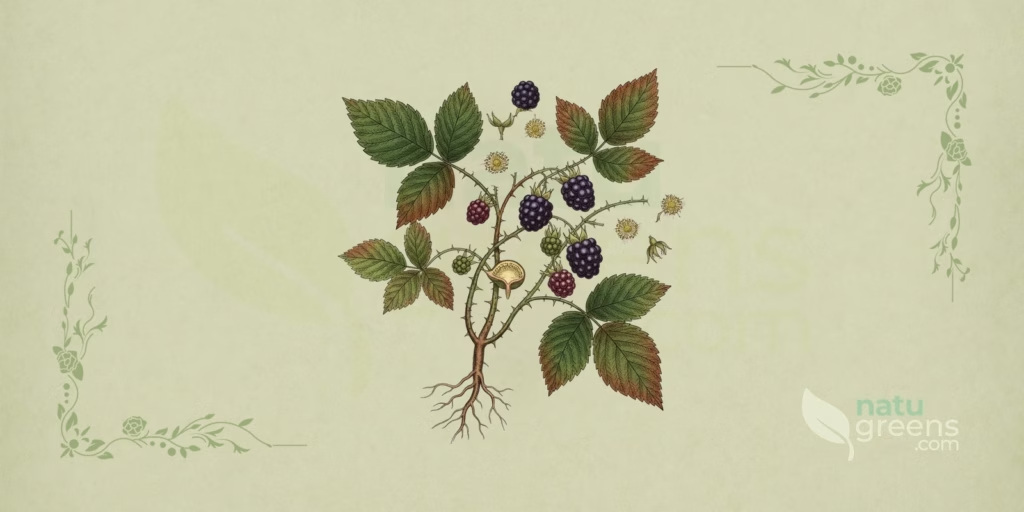
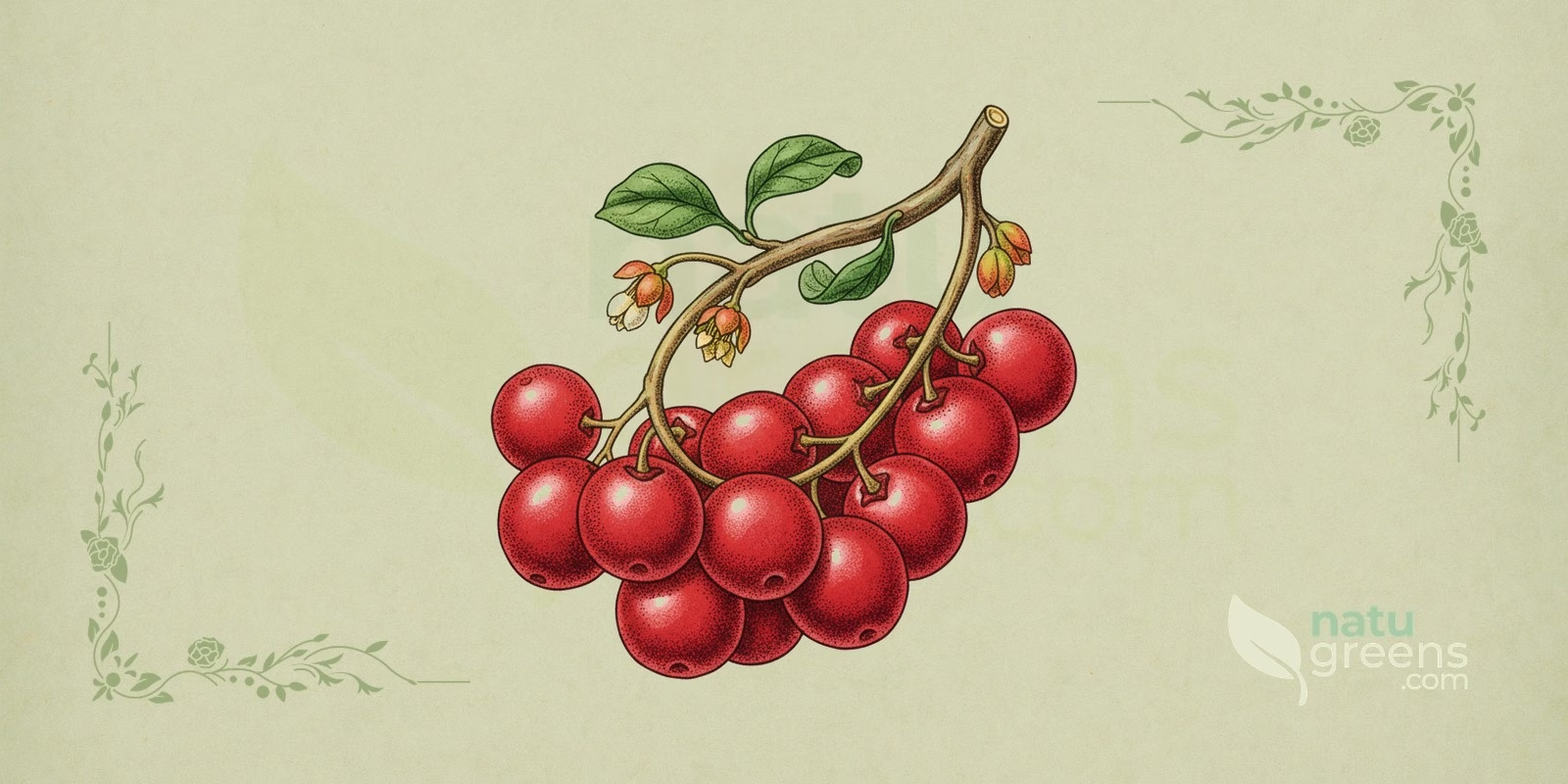
Schisandra chinensis (Turcz.) Baill. / Schisandra, a deciduous woody vine, is native to the forests of northern China, the Russian Far East, Korea, and Japan. This fascinating plant is recognized for its fruit, schisandra berries, which display a remarkable combination of five distinct flavors: salty, sweet, sour, pungent, and bitter. Schisandra chinensis has been valued for millennia in traditional Asian medicine for its wide-ranging adaptogenic and medicinal properties, standing as a cornerstone of several healing traditions. Its use ranges from supporting overall vitality to addressing specific conditions, cementing its place as one of the most versatile and well-studied medicinal plants.
Popular and International Names of Schisandra
- English: Chinese Magnolia-Vine, Five-Flavor Fruit, Magnolia Berry, Omija, Schisandra.
- Spanish: Baya de Cinco Sabores, Schisandra, Wuweizi.
- Portuguese: Baga-de-cinco-sabores, Esquisandra, Schisandra, Wuweizi.
- French: Schisandra, Schisandra de Chine.
- Italian: Bacca dei Cinque Sapori, Schisandra.
- German: Chinesische Beerentraube, Chinesische Spaltkörbchen, Chinesischer Limonenbaum, Schisandrabeere.
Botanical Synonyms of Schisandra chinensis
Schisandra chinensis has several botanical synonyms throughout its taxonomic history. Among the most notable are Kadsura chinensis Turcz., Maximowiczia amurensis Rupr., Maximowiczia chinensis (Turcz.) Rupr., Maximowiczia japonica (A.Gray) K.Koch, Schisandra chinensis var. leucocarpa P.H.Huang & L.H.Zhuo, Schisandra japonica (Siebold. & Zucc. ex A. Gray) Hance, Schisandra nigra f. viridicarpa (Y.N.Lee) M.Kim, Schisandra repanda f. viridicarpa (Y.N.Lee) M.Kim, and Sphaerostema japonicum A.Gray. These names reflect the complexity of botanical classification and the different interpretations made over time.
Botanical Family: Schisandraceae
Schisandra chinensis belongs to the botanical family Schisandraceae. This family is made up of woody plants, mostly vines, distinguished by specific floral and reproductive characteristics. Some species in this family were previously classified within Magnoliaceae, but more in-depth studies revealed significant phenological and morphological differences, justifying their classification into a separate family. Schisandraceae is known for including plants with important medicinal properties, especially in Asia.
Parts of Schisandra Used
- Berries (fruit)
- Leaves (occasionally)
- Seeds
Ethnobotanical and Traditional Uses
- General adaptogen to increase resistance to stress.
- Liver function and detoxification support.
- Reduction of excessive sweating.
- Relief of cough and wheezing.
- Support for women’s health concerns, such as polycystic ovary syndrome and menopause.
- Tonic for vitality and endurance.
- Used by the Ainu people of Japan for colds and nausea.
- Used in traditional Korean medicine to make omija-cha (omija tea).
Therapeutic Properties of Schisandra
- Adaptogenic (effect studied on the body’s resistance to physical and mental stress)
- Anti-inflammatory (effect studied in reducing inflammation in the body)
- Antibacterial (activity studied against gram-positive and gram-negative bacteria)
- Antidepressant (shows effects similar to antidepressants); traditional use, without established clinical efficacy
- Antioxidant (protective effect studied on cells against damage from free radicals)
- Antiproliferative (activity observed in laboratory studies, without clinical proof)
- Antiviral (activity studied against viral infections)
- Hepatoprotective (protective effect studied on and supporting liver function, promoting detoxification)
- Immunostimulant (effect studied on the immune system)
- Neuroprotective (protective effect studied on the nervous system and improving brain function)
Detailed Phytochemical Profile of Schisandra
- Flavonoids
- Lignans (schisandrin, deoxyschisandrin, gomisins, pregomisin)
- Organic acids
- Polysaccharides
- Triterpenoids
Preparation and Administration Forms of Schisandra
- Capsules
- Extracts (fluid, dry)
- Powder
- Tea/Infusion (with dried berries)
- Tinctures
Synergy with Other Medicinal Plants
Combinations for Increased Energy and Vitality
Schisandra chinensis, when combined with ginseng (Panax ginseng) and rhodiola (Rhodiola rosea), forms a powerful adaptogenic synergy, traditionally used to increase physical endurance, reduce fatigue, and support overall vitality. Schisandra’s lignans complement the ginsenosides of ginseng and the rosavins of rhodiola, optimizing the body’s response to stress and favoring lasting energy balance, with this synergy particularly suited to people under chronic stress or seeking to improve physical and mental performance.
Liver Support and Detoxification
For optimized liver support, schisandra can be paired with milk thistle (Silybum marianum) and dandelion (Taraxacum officinale), since milk thistle, with its silymarin, is a well-known liver protector, while dandelion stimulates bile production and detoxification. Schisandra, with its hepatoprotective lignans, works alongside these plants to favor the regeneration of liver cells, shield the liver from toxins, and support the body’s detoxification processes, forming a combination suited to anyone seeking comprehensive support for liver health.
Cognitive Function and Mental Clarity
The synergy between schisandra, ginkgo biloba (Ginkgo biloba), and bacopa (Bacopa monnieri) is traditionally associated with improved cognitive function, since ginkgo biloba is known for increasing cerebral blood flow, while bacopa is associated with memory and learning capacity. Schisandra’s lignans contribute to neuroprotection and neurotransmitter modulation, resulting in a possible gain in concentration, memory, and mental clarity, which makes this combination particularly useful for students, professionals, and older adults looking to optimize brain function.
Recipes and Usage Protocols of Schisandra
Adaptogenic Schisandra Tea
Ingredients: 1 teaspoon of dried Schisandra chinensis berries, 200 ml of hot water.
Preparation: add the berries to hot, not boiling, water (about 80°C) and let steep for 10 to 15 minutes. Strain and drink. It can be consumed 1 to 2 times a day as a companion to general stress management and endurance. The flavor can be complex due to the berry’s five tastes, and it can be sweetened with honey or blended with other herbs to balance the palate.
Schisandra Tincture for Vitality
Ingredients: 50 g of dried Schisandra chinensis berries, 250 ml of 40 to 60% grain alcohol.
Preparation: place the berries in a dark glass jar and cover with the alcohol, making sure the berries are fully submerged. Seal the jar well and let it macerate for 4 to 6 weeks in a cool, dark place, shaking it daily. After the maceration period, strain the tincture through a fine cloth and store it in a dark bottle. Take 20 to 30 drops, 2 to 3 times a day, diluted in water, as part of the traditional use for vitality, energy, and adaptogenic support. This preparation concentrates the plant’s active compounds.
Schisandra Syrup for Immunity
Ingredients: 100 g of dried Schisandra chinensis berries, 500 ml of water, 250 g of honey.
Preparation: in a pot, add the schisandra berries and the water. Bring to a boil, then reduce the heat and let simmer for 20 to 30 minutes, until the liquid reduces to about half. Strain the berries, pressing them to extract as much liquid as possible. Let the liquid cool slightly and add the honey, stirring until fully dissolved. Store the syrup in a sterilized glass container in the refrigerator. Take 1 tablespoon, 1 to 2 times a day, as a traditional tonic and companion to the immune system. Do not give to children under 1 year of age because of the honey.
The preparations above follow traditional records and do not replace professional guidance. Before any internal use, check the contraindications and interactions described in this article.
Associated Therapies
Acupuncture
In Traditional Chinese Medicine (TCM), Schisandra chinensis is frequently used alongside acupuncture to optimize therapeutic outcomes. Schisandra is known for tonifying the Qi, calming the Shen (spirit), and consolidating the essence (Jing), properties that complement the principles of acupuncture, with this combination traditionally used for insomnia, anxiety, chronic fatigue, and liver imbalances. The selection of specific acupuncture points, together with schisandra administration, aims to restore the harmonious flow of energy in the body and promote deep rebalancing of the organism.
Western Herbal Medicine
In modern Western herbal medicine, Schisandra chinensis is valued mainly for its adaptogenic and hepatoprotective properties, frequently incorporated into herbal formulations to support stress response, adrenal fatigue, and liver detoxification. Herbalists may prescribe standardized extracts or tinctures of schisandra, often combined with other adaptogenic or hepatoprotective herbs, to build a holistic care plan whose dosage and form of administration are carefully adjusted to the individual patient’s needs, taking into account their health profile and other medications in use.
Functional Nutrition
Schisandra chinensis is increasingly recognized in functional nutrition for its antioxidant and anti-inflammatory properties, along with its role as an adaptogen, and is regarded as a superfood and a valuable supplement for supporting cellular health and the function of various body systems. Functional nutritionists may recommend including schisandra berries, dried or powdered, in diets and smoothies or as part of supplementation protocols aimed at improving the stress response, supporting liver health, modulating immunity, and promoting overall well-being, always within a personalized approach that integrates the plant into a broader dietary and lifestyle plan.
Contraindications and Side Effects of Schisandra
General Contraindications
Schisandra chinensis is generally considered safe, but there are some important contraindications to consider. It is not recommended for pregnant or breastfeeding women, due to the lack of conclusive studies on its safety in these groups, and people with acute health conditions, such as high fever, active peptic ulcers, severe gastroesophageal reflux, or uncontrolled hypertension, should avoid using schisandra. People with a history of epilepsy or other neurological conditions should consult a health professional before use, since schisandra may, in rare cases, affect the central nervous system, so caution is always advised.
Common Side Effects
Side effects from Schisandra chinensis are rare and generally mild, and may include gastrointestinal discomfort, such as heartburn, stomach pain, loss of appetite, or diarrhea. In some people, a mild skin rash or itching may occur, symptoms that are usually transient and tend to disappear once use is stopped or the dosage reduced. It is essential to start with low doses to assess individual tolerance and, in case of persistent adverse reactions, to seek medical advice, since monitoring is crucial to ensuring safe use.
Drug Interactions
Schisandra chinensis may interact with certain medications, altering their effectiveness or increasing the risk of side effects. Because of its influence on liver metabolism, through cytochrome P450 enzymes, it can affect the metabolism of drugs such as anticoagulants (warfarin), immunosuppressants (cyclosporine), and some medications used in cancer treatment, and combining it with sedatives or antidepressants may potentiate their effects. People taking medication for diabetes or hypertension should monitor their levels carefully, since schisandra may influence blood glucose and blood pressure, so it is always advisable to consult a health professional before combining schisandra with any medication.
Historical Notes and Interesting Facts
The Berry of the Five Flavors
Schisandra chinensis is known worldwide as the “berry of the five flavors” (Wu Wei Zi in Chinese) because its skin and pulp are sweet and sour, the seed is pungent and bitter, and the whole fruit has a salty taste, a complexity of flavors that reflects its phytochemical richness and its ability to act on multiple systems of the body, according to Traditional Chinese Medicine.
A Plant of Beauty and Vitality
In ancient China, women of the imperial court used schisandra berries to preserve youth and beauty, since it was believed that regular consumption of the plant favored radiant skin, increased sexual energy, and slowed the aging process. This reputation as a beauty and longevity tonic endures to this day, with schisandra remaining a popular ingredient in cosmetic products and anti-aging supplements.
Support for Russian Cosmonauts
During the Soviet era, Schisandra chinensis was extensively studied by Russian scientists as an adaptogen to increase the endurance and performance of athletes, soldiers, and even cosmonauts, with research focused on its ability to improve stress resistance, increase mental acuity, and counter fatigue under extreme conditions, making it a valuable ally for those facing intense physical and mental challenges.
Frequently Asked Questions about Schisandra
Can Schisandra Be Used for Weight Loss?
Although Schisandra chinensis is not primarily a weight-loss plant, its adaptogenic properties may indirectly support that goal. By helping manage stress and lower cortisol levels, it may help reduce the abdominal fat buildup associated with chronic stress, and by favoring liver function and detoxification, it may support metabolism. It should not, however, be viewed as a stand-alone solution for weight loss, but rather as part of a healthy lifestyle.
How Long Does It Take to Feel the Effects of Schisandra?
The time it takes to feel the effects of Schisandra chinensis can vary significantly from person to person. As an adaptogen, its effects are cumulative and may take a few weeks to several months of consistent use to fully manifest. Some individuals may notice more immediate effects, such as a slight boost in energy or mental clarity, but the deeper benefits, such as improved stress resistance and liver support, develop over time, so patience and consistency are essential.
Is It Safe to Take Schisandra Every Day?
For most people, daily consumption of Schisandra chinensis in moderate doses is considered safe, and in Traditional Chinese Medicine it is often used as a daily tonic for health and longevity. However, it is always wise to follow recommended dosages and consider periodic breaks, for example using it for 3 months and pausing for 1 month, to allow the body to reset. People with preexisting health conditions or who take medications should always consult a health professional before beginning daily use.
What Are the Contraindications of Schisandra?
Schisandra is not recommended for pregnant or breastfeeding women, nor for people with acute conditions such as high fever, active peptic ulcers, or uncontrolled hypertension. Anyone with a history of epilepsy or another neurological condition should also seek medical guidance before using the plant, since it may, in rare cases, affect the central nervous system. These restrictions exist because conclusive safety studies are lacking for these specific groups.
How Is Schisandra Tea Prepared?
The traditional tea is made with 1 teaspoon of dried schisandra berries steeped in 200 ml of hot, not boiling, water for 10 to 15 minutes, then strained. This preparation can be consumed 1 to 2 times a day as part of general adaptogenic use, and the berry’s complex flavor can be softened with honey or blended with other herbs. It is worth remembering that this preparation does not replace professional guidance in cases of concurrent medication use.
Does Schisandra Interact with Medications?
Yes: because it acts on liver metabolism, schisandra can alter the action of anticoagulants such as warfarin, of immunosuppressants, and of some medications used in cancer treatment, and it may also potentiate sedatives and antidepressants. People being treated for diabetes or hypertension should also monitor their levels closely, since the plant may influence blood glucose and blood pressure. For this reason, combining it with any medication should always be discussed with a health professional.
Notice: this content is for informational purposes and does not replace professional medical advice. Consult a physician or herbal practitioner before using medicinal plants, especially during pregnancy, breastfeeding, or alongside medication.
References and Scientific Studies
Peer-Reviewed Scientific Studies (3)
- PEER2017 Szopa, A., Ekiert, R., & Ekiert, H. (2017). Schisandra chinensis (Turcz.) Baill. (Chinese magnolia vine) as a medicinal plant species: a review on the bioactive components, pharmacological properties, analytical and biotechnological studies. Phytochemistry Reviews, 16(2), 195-218. ↗
- PEER2008 Panossian, A., & Wikman, G. (2008). Pharmacology of Schisandra chinensis Bail.: an overview of Russian research and uses in medicine. Journal of Ethnopharmacology, 118(2), 183-212. ↗
- PEER2009 Lu, Y., & Chen, D. F. (2009). Analysis of Schisandra chinensis and Schisandra sphenanthera. Journal of Chromatography A, 1216(11), 1980-1990. ↗
Supplementary Readings (1)
- 2019 Nowak, A., Zakłos-Szyda, M., Błasiak, J., & Nowak, A. (2019). Potential of Schisandra chinensis (Turcz.) Baill. in Human Health and Nutrition: A Review of Current Knowledge and Therapeutic Perspectives. Nutrients, 11(2), 333. ↗