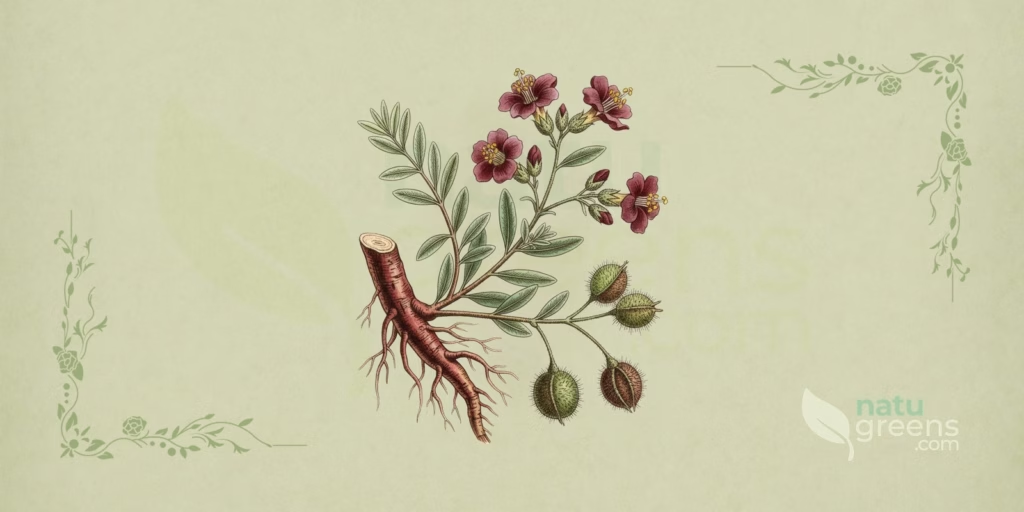
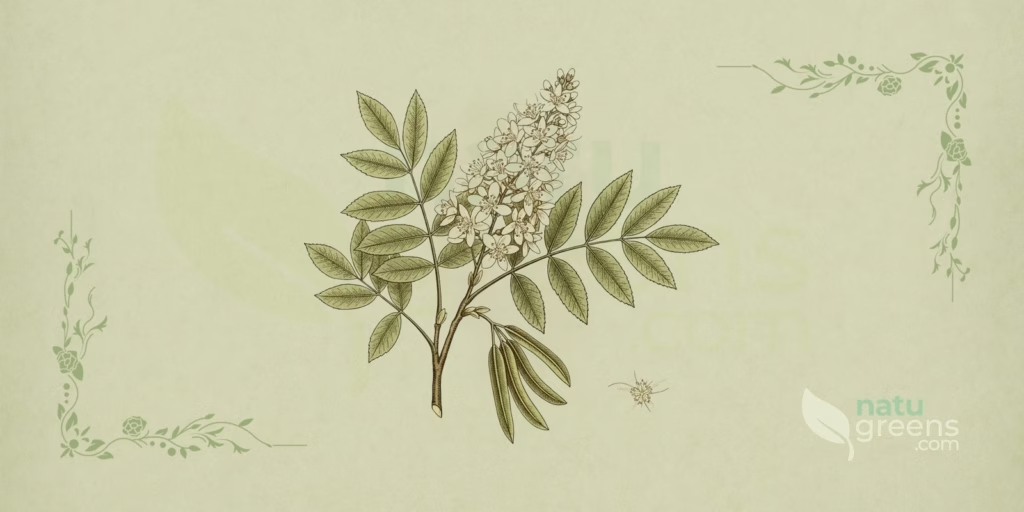
Dioscorea villosa L. / Wild Yam, commonly known as wild yam, is a perennial climbing vine of the family Dioscoreaceae, described by Carl Linnaeus in 1753. Native to North America, this species has been a cornerstone of both Indigenous traditional medicine and Western herbalism, with its rhizome (underground stem) being the most valued part, historically used for a wide range of conditions, especially those related to the female reproductive system and inflammatory processes.
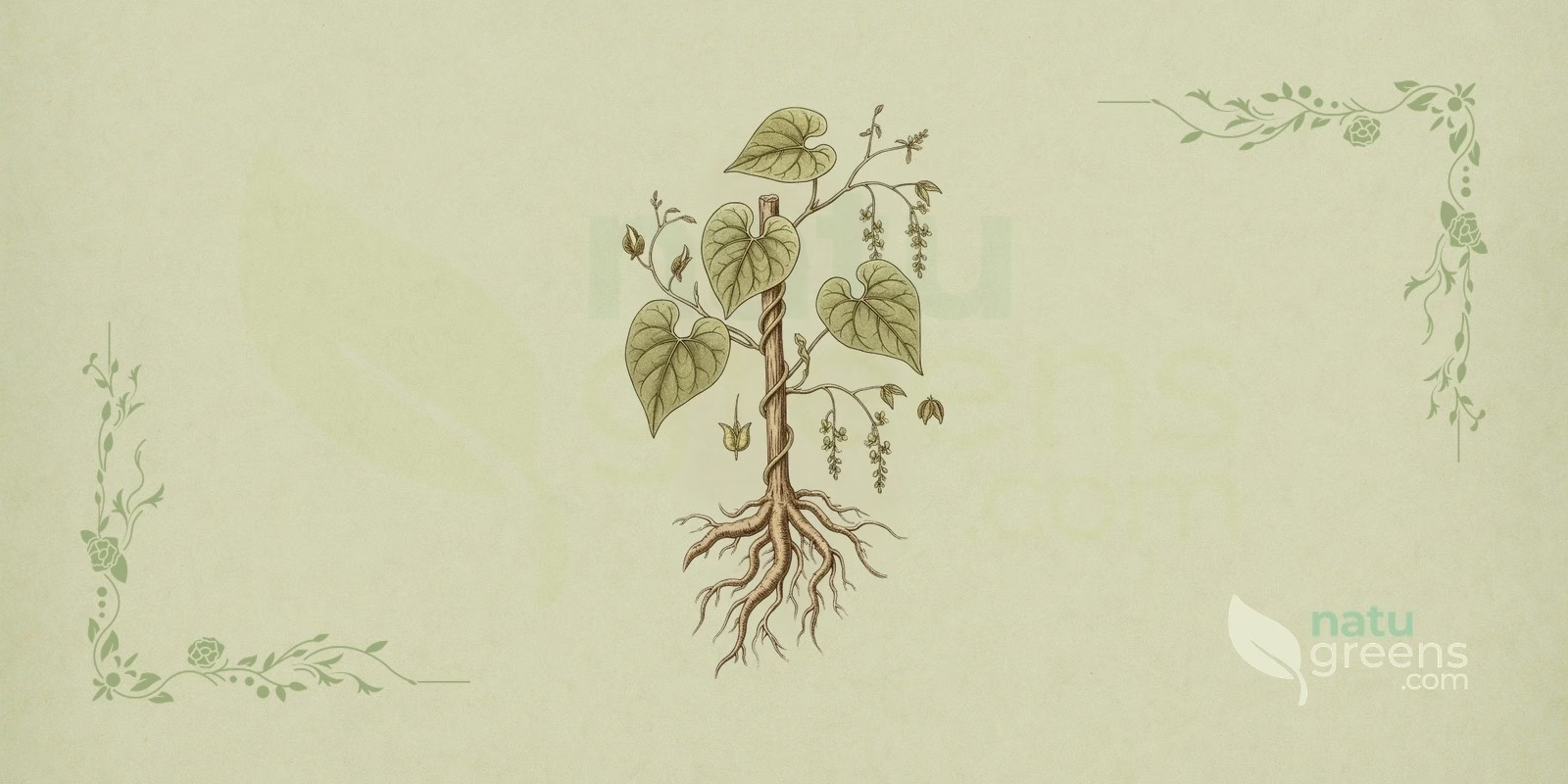
In herbal tradition, wild yam is prized for its antispasmodic and anti-inflammatory properties, with traditional applications ranging from relief of menstrual cramps and labor pain to support for rheumatoid arthritis and digestive complaints. The plant is known for its richness in steroidal saponins, most notably diosgenin, a phytochemical that serves as a precursor in the laboratory synthesis of hormones such as estrogen and progesterone, and contemporary scientific research has sought to validate these ancestral uses by exploring the potential of its bioactive compounds.
Popular and International Names of Wild Yam
- English: China Root, Colic Root, Devil’s Bones, Rheumatism Root, Wild Yam.
- Spanish: Barbasco, Ñame Salvaje.
- Portuguese: Inhame-mexicano, Inhame-selvagem.
- French: Igname Sauvage, Racine de Colique.
- Italian: Dioscorea Villosa, Igname Selvatico.
- German: Gelenkwurzel, Wilde Yamswurzel.
Botanical Synonyms of Dioscorea villosa
Although Dioscorea villosa L. is the accepted and widely recognized scientific name, botanical and pharmacological literature may list a few synonyms, since the taxonomy of Dioscorea species can be complex and at times confusing due to the genus’s great diversity and hybridization. For Dioscorea villosa, however, synonyms are less common than for other species: some historical or lesser-used names include Dioscorea quaternata (Walter) J.F.Gmel. and Dioscorea paniculata Michx., although these are often considered distinct species or subspecies in some classifications. Modern taxonomic validation tends to keep Dioscorea villosa as the primary designation for this particular plant.
Botanical Family: Dioscoreaceae
Dioscorea villosa belongs to the family Dioscoreaceae, a family of monocotyledonous plants comprising about 9 genera and more than 850 species, predominantly distributed in tropical and subtropical regions of the world. This family is notable for underground rhizomes or tubers rich in starch and steroidal saponins, and many of its members, including several Dioscorea species, are cultivated as important food crops known as yams, in addition to being valued for their medicinal properties. The family is characterized by climbing plants with alternate or opposite leaves and small, inconspicuous flowers, generally unisexual.
Parts of Wild Yam Used
- Rhizome (underground stem)
- Roots
Ethnobotanical and Traditional Uses
- Biliary problems
- Digestive disorders (intestinal colic, flatulence)
- Dysmenorrhea (painful menstruation)
- Labor pain (to facilitate childbirth)
- Menopause (symptoms such as hot flashes and night sweats)
- Menstrual cramp relief
- Muscle cramps
- Rheumatoid arthritis
Therapeutic Properties of Wild Yam
- Analgesic (traditional use for pain relief)
- Anti-inflammatory (effect studied for reducing inflammation)
- Antioxidant (activity studied against free radicals)
- Antispasmodic (effect studied for reducing muscle spasms)
- Hypoglycemic (effect studied on blood sugar)
Detailed Phytochemical Profile of Wild Yam
- Alkaloids
- Anthraquinones
- Cardiac glycosides
- Dioscoretin
- Diosgenin (steroidal saponin)
- Flavonoids
- Saponins
- Steroids
- Tannins
Preparation and Administration Forms of Wild Yam
- Capsules
- Cream (topical)
- Extract
- Powder
- Tea (infusion)
- Tincture
Synergy with Other Medicinal Plants
Relief of Menopausal Symptoms
Dioscorea villosa can be combined with other plants that support hormonal balance and relief of climacteric symptoms, and synergy with Cimicifuga racemosa (black cohosh) and Trifolium pratense (red clover) may enhance estrogenic and anti-inflammatory effects, offering broader support for hot flashes, night sweats, and mood changes. The diosgenin in wild yam, together with the phytoestrogens of these plants, may modulate the hormonal response more effectively, but this combination is subject to the same restrictions in hormone-sensitive conditions described under Contraindications, making supervision by a healthcare professional essential.
Digestive and Antispasmodic Support
To enhance the antispasmodic and digestive effect, wild yam can be paired with plants such as Mentha piperita (peppermint) and Foeniculum vulgare (fennel), since combining wild yam’s compounds with peppermint’s menthol and fennel’s anethole may provide faster relief from intestinal colic, flatulence, and dyspepsia. This synergy is particularly useful in cases of irritable bowel syndrome, where reducing spasms and inflammation is important for patient comfort.
Recipes and Usage Protocols of Wild Yam
Traditional Infusion for Colic and Digestive Discomfort
Ingredients: a small amount of dried wild yam rhizome (chopped), boiling water.
Preparation: place the rhizome in a cup, cover with the boiling water, cover and let steep for a few minutes before straining and drinking warm. This infusion is traditionally used for the relief of gastrointestinal spasms and pain associated with dysmenorrhea; the amount and frequency of use should always be determined by a healthcare professional, especially given the contraindications in pregnancy, breastfeeding, and hormone-sensitive conditions.
Traditional Topical Cream for Joint Pain
Ingredients: 50 g of dried wild yam rhizome powder, 100 ml of vegetable oil (olive or almond), 15 g of beeswax.
Preparation: infuse the wild yam powder in the vegetable oil over a double boiler for 2 hours at low temperature, then strain the oil, discarding the solid residue. Add the beeswax to the strained oil and heat again over the double boiler until the wax melts completely, pour the mixture into a sterilized container, and let it cool until it solidifies. Applied to areas affected by joint or muscle pain, with gentle massage, 2 to 3 times a day, this cream is traditionally associated with local relief due to the plant’s anti-inflammatory properties; discontinue use if skin irritation occurs.
The preparations above follow traditional records and do not replace professional guidance. Before any internal use, review the contraindications and interactions described in this article.
The preparations above follow traditional records and do not replace professional guidance. Before any internal use, check the contraindications and interactions described in this article.
Associated Therapies
Western Herbal Medicine
In Western herbal medicine, wild yam is valued mainly for its antispasmodic and anti-inflammatory actions, frequently used in formulations aimed at biliary, intestinal, and menstrual colic, as well as in support for pain associated with arthritis and rheumatism. Standardized extracts and tinctures are the most common forms of administration, allowing precise dosing of active compounds such as diosgenin, and its application also extends to supporting women during menopause, though with caution and under professional guidance, given the complexity of hormonal interactions.
Homeopathy
In homeopathy, Dioscorea villosa is a remedy indicated for spasmodic and acute pain, especially pain that is relieved by stretching the body or by pressure, and it is frequently prescribed for intestinal, biliary, and renal colic, as well as for dysmenorrhea with intense, radiating pain. The homeopathic pathogenesis of Dioscorea villosa highlights its affinity with the digestive and reproductive systems, being a remedy associated with conditions characterized by spasms and acute pain that appear intermittently and intensely.
Contraindications and Side Effects of Wild Yam
General Contraindications
Dioscorea villosa is contraindicated in individuals with known hypersensitivity to the plant or any of its components. Because of its potential estrogenic effect, it should be avoided by women with hormone-sensitive conditions, such as breast cancer, uterine cancer, ovarian cancer, endometriosis, or uterine fibroids, as it may worsen these conditions. Pregnant or breastfeeding women should avoid using wild yam due to insufficient safety data and a theoretical risk of hormonal interference, and young children should also avoid its use.
Side Effects
In moderate amounts, wild yam is generally well tolerated, but consuming large amounts can lead to gastrointestinal side effects such as nausea, vomiting, diarrhea, and abdominal discomfort, and headaches have also been reported. With topical applications, skin irritation may occur in sensitive individuals, so it is essential to respect recommended amounts and seek guidance from a healthcare professional before starting any use of Dioscorea villosa, especially for those taking other medications, due to the potential for interactions.
Historical Notes and Interesting Facts
Origins and Indigenous Use
Wild yam has a long history of use among the Indigenous peoples of North America, who used it for a variety of purposes, including menstrual cramps, labor pain, digestive problems, and rheumatism, and it was considered a sacred plant by some tribes, who recognized its role in pain relief and women’s health care. Its incorporation into Western medicine came through observation and the exchange of knowledge with these communities.
A Hormone Precursor, Not a Direct Source of Them
In the 1940s, chemist Russell Marker discovered that diosgenin, a compound found in wild yam, could be converted into progesterone and other steroids in the laboratory, a discovery that revolutionized the industrial production of steroid hormones, including the birth control pill and hormone replacement therapy medications, making them more accessible and affordable. It is important to be clear, however, that this conversion depends on an industrial chemical process and that the human body lacks the enzymes needed to carry it out: consuming wild yam, therefore, does not result in the production of progesterone or estrogen in the body, and creams or supplements sold as “natural wild yam progesterone” without that industrial processing have no hormonal effect proven through this mechanism.
Frequently Asked Questions about Wild Yam
Can Wild Yam Tea Replace Hormone Therapy?
No. Although wild yam contains diosgenin, a precursor of steroid hormones used in the pharmaceutical industry, the human body lacks the enzymes needed to convert diosgenin into estrogen or progesterone, so wild yam tea cannot replace hormone therapy prescribed by a doctor. Any change to medication should be discussed with a healthcare professional.
Is Wild Yam Safe for Everyone?
No. Wild yam is contraindicated for pregnant and breastfeeding women, young children, and individuals with hormone-sensitive conditions, such as certain types of cancer, and people with allergies to plants in the family Dioscoreaceae should also avoid its use. It is essential to consult a doctor or herbalist before using wild yam, especially in the presence of any pre-existing health condition or use of other medications.
What Are the Main Benefits of Wild Yam?
The main uses attributed to wild yam include relief of colic and spasms (menstrual, intestinal, biliary), traditional support for inflammatory conditions (arthritis, rheumatism), and management of some menopausal symptoms, with its antispasmodic and anti-inflammatory properties being the most studied and recognized in traditional medicine and herbalism.
Does Wild Yam Really “Balance Hormones” When Consumed?
Not in the way the popular claim suggests: the diosgenin present in the plant only converts into progesterone or other hormones through an industrial chemical process, never inside the human body. Consuming wild yam as tea, capsule, or tincture does not produce this direct hormonal effect, even though the plant has other well-documented traditional uses.
Notice: this content is for informational purposes and does not replace professional medical advice. Consult a physician or herbal practitioner before using medicinal plants, especially during pregnancy, breastfeeding, or alongside medication.
References and Scientific Studies
Peer-Reviewed Scientific Studies (1)
- PMC2013 Lima, C. M., et al. (2013). Bioassay-guided evaluation of Dioscorea villosa, an acute and subchronic toxicity, antinociceptive and anti-inflammatory approach. BMC Complementary and Alternative Medicine, 13(1), 195. Retrieved from PMC NCBI
Supplementary Readings (4)
- Medical News Today. (n.d.). Wild yam: Benefits, evidence, safety, and side effects. Retrieved from Medical News Today
- WebMD. (n.d.). WILD YAM: Overview, Uses, Side Effects, Precautions, Interactions, Dosing and Reviews. Retrieved from WebMD
- 2025 Plants Journal. (2025). Dioscorea villosa in focus: A literature review of its …. Retrieved from Plants Journal
- 2024 Skyfox. (2024). Himalayan Dioscorea villosa: A Comprehensive Analysis. Retrieved from Skyfox