Ceratonia siliqua L. / Carob Tree
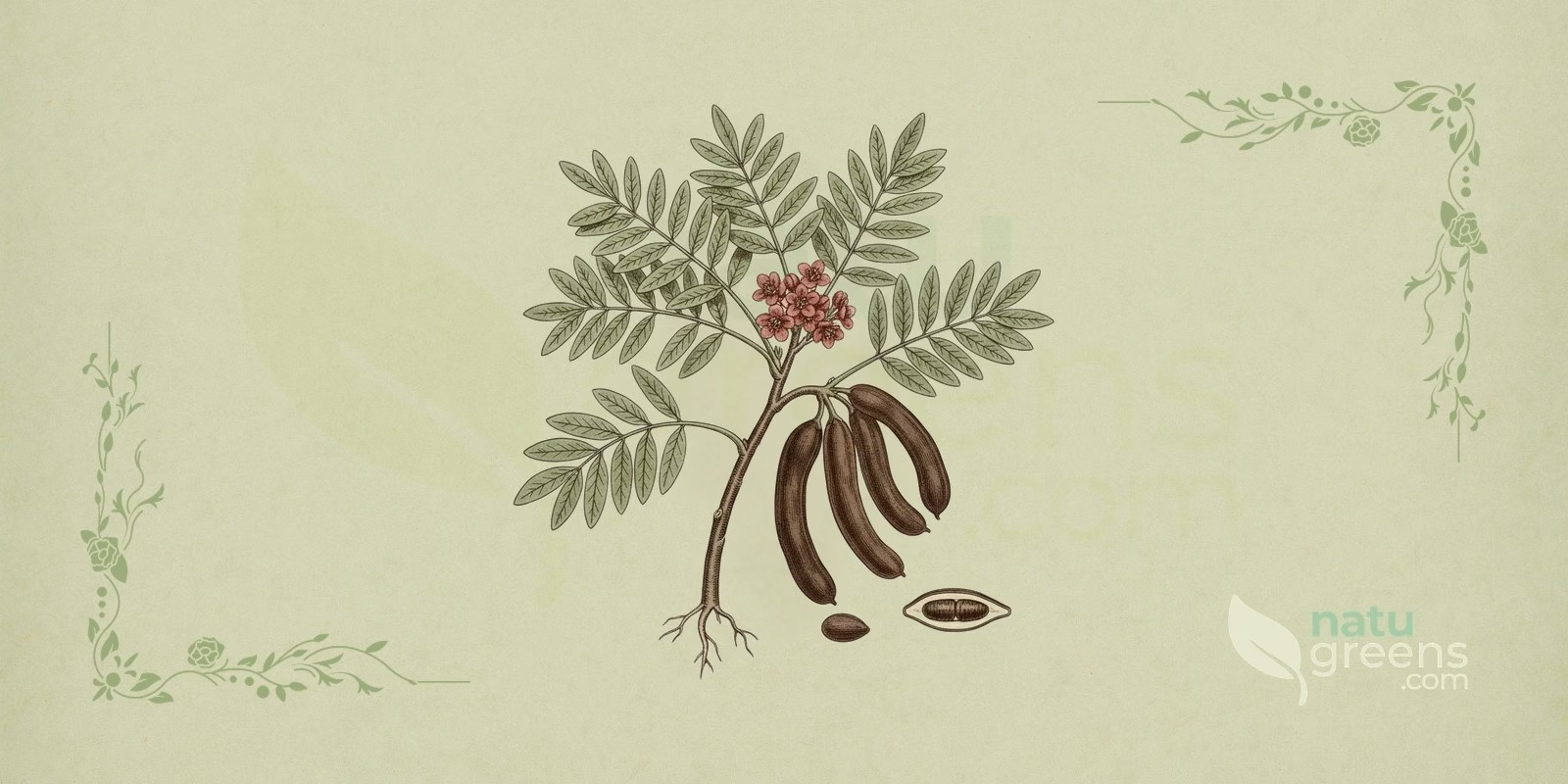
The carob tree, scientifically known as Ceratonia siliqua L., is a large evergreen tree belonging to the Fabaceae family, native to the Mediterranean region and the Middle East. This robust, adaptable species is widely cultivated for its edible pods, known as carob pods, which are used in both human and animal feed. The carob tree is also valued as an ornamental tree in a variety of landscapes. Portugal, Italy, and Morocco stand out as the largest global producers of this versatile fruit. Historically, carob has been a subsistence food and a natural substitute for chocolate, owing to its naturally sweet flavor and nutritional profile.
Popular and International Names of the Carob Tree
- English: carob, carob tree, locust bean, st. john’s bread.
- Spanish: algarroba, algarrobo.
- Portuguese: alfarroba, alfarrobeira, fava-rica, figueira-de-pitágoras, figueira-do-egito, pão-de-joão, pão-de-são-joão.
- French: caroube, caroubier.
- Italian: carruba, carrubo.
- German: johannisbrotbaum, karubenbaum.
Botanical Synonyms of Ceratonia siliqua
- No widely accepted botanical synonyms were found for Ceratonia siliqua L. in the literature consulted.
Botanical Family: Fabaceae
Ceratonia siliqua belongs to the Fabaceae family, subfamily Caesalpinioideae, which includes a vast range of leguminous plants.
Parts of the Carob Tree Used
- Pod pulp (fruit)
- Seeds (for carob gum)
Ethnobotanical and Traditional Uses
- Animal feed, such as for cattle and pigs.
- Natural sweetener and chocolate substitute.
- Subsistence food during periods of scarcity, especially in the Mediterranean region.
- Use in religious rituals and cultural traditions, such as the Jewish holiday of Tu BiShvat.
- Use of the seeds as a unit of weight (carat) for metals and precious stones in antiquity.
- Various culinary preparations, such as flours, syrups, and sweets.
Therapeutic Properties of the Carob Tree
- Antidiarrheal (due to its high tannin content)
- Antioxidant (activity studied against free radicals due to polyphenols)
- Digestive (the high fiber content supports gastrointestinal health)
- Hypocholesterolemic (effect studied on cholesterol)
- Hypoglycemic (helps support healthy blood sugar levels)
- Immunostimulant (effect studied on the immune system)
Detailed Phytochemical Profile of the Carob Tree
The carob tree (Ceratonia siliqua) is rich in a variety of phytochemical compounds that contribute to its nutritional and medicinal properties. The pod pulp is notable for its high sugar content, including sucrose, glucose, fructose, and mannose, which give it its naturally sweet flavor. It is also an excellent source of dietary fiber, such as cellulose and hemicellulose, which are crucial for digestive health. Tannins, polyphenolic compounds, are abundant in carob and are responsible for its antidiarrheal and antioxidant properties. The seeds, in turn, are rich in proteins and galactomannans, polysaccharides with thickening and stabilizing properties that are widely used in the food industry. Carob also contains B-complex vitamins, vitamin A, and vitamin E, along with essential minerals such as calcium, phosphorus, potassium, magnesium, iron, zinc, manganese, copper, and selenium, which play vital roles in various bodily functions.
Preparation and Administration Forms of the Carob Tree
- Carob Flour
- Carob Gum
- Carob Syrup
Synergy with Other Medicinal Plants
Carob and Ginger
The combination of carob with ginger (Zingiber officinale) may support digestive effects, helping to reduce nausea and improve nutrient absorption. Ginger, known for its anti-inflammatory and digestive properties, complements the action of carob fiber, promoting a healthier gastrointestinal system.
Carob and Cinnamon
The synergy between carob and cinnamon (Cinnamomum verum) is traditionally associated with supporting glycemic control: while carob fiber helps moderate sugar absorption, cinnamon is recognized for supporting insulin sensitivity, making this combination of interest to those seeking glycemic balance, always with professional guidance in cases of diabetes or prediabetes.
Recipes and Usage Protocols of the Carob Tree
Hot Carob Drink
Mix 2 tablespoons of carob flour with 200 ml of milk (plant-based or dairy) and sweeten to taste. Heat over low heat, stirring constantly, until it reaches a creamy consistency. You can add a pinch of cinnamon to enhance the flavor. This drink is an excellent alternative to hot chocolate, being nutritious and comforting.
Carob Energy Bars
Combine 1 cup of carob flour, 1 cup of oats, 1/2 cup of chopped nuts (walnuts, almonds), 1/4 cup of seeds (chia, flax), 1/2 cup of honey or maple syrup, and 1/4 cup of peanut butter. Mix all the ingredients well, press the mixture into a pan lined with parchment paper, and refrigerate for at least 2 hours before cutting into bars. Ideal for a healthy, energizing snack.
Carob Pudding
In a saucepan, combine 3 tablespoons of carob flour, 2 tablespoons of cornstarch, 4 tablespoons of sugar (or sweetener to taste), and 500 ml of milk. Cook over medium heat, stirring continuously, until thickened. Remove from heat, stir in 1 teaspoon of vanilla extract, and pour into individual cups. Refrigerate for a few hours until set. Serve cold, garnished with carob shavings or fresh fruit.
The preparations above follow traditional records and do not replace professional guidance. Before any internal use, check the contraindications and interactions described in this article.
Associated Therapies
Phytotherapy
In phytotherapy, carob is used mainly for its antidiarrheal properties and as a bulking agent to promote satiety. Its richness in soluble and insoluble fiber contributes to regulating intestinal transit and maintaining a healthy microbiota. It is frequently used in preparations to relieve mild digestive disturbances and as a supportive element in weight management diets.
Functional Nutrition
Carob is valued in functional nutrition as a prebiotic food that nourishes beneficial gut bacteria. Its nutritional profile, rich in vitamins, minerals, and antioxidants, makes it an interesting ingredient for formulating diets aimed at improving overall health, supporting cholesterol management, and stabilizing blood glucose levels. It is also a healthy alternative to cocoa for individuals sensitive to caffeine or theobromine.
Contraindications and Side Effects of the Carob Tree
Carob is generally considered safe for consumption. However, in rare cases, it may cause allergic reactions in sensitive individuals. Its high fiber content can, in excess, lead to gastrointestinal discomfort, such as bloating or gas, especially if not accompanied by adequate fluid intake. People with diabetes should consume carob in moderation due to its natural sugar content, although its fiber helps mitigate glycemic spikes. It is always recommended to consult a healthcare professional before starting any supplementation or making significant dietary changes, especially for pregnant women, breastfeeding mothers, and people with pre-existing medical conditions.
Historical Notes and Interesting Facts
The Origin of the Carat
The word carat, a unit of measurement for precious stones and gold, originates from carob seeds. In antiquity, carob seeds were used as a weight standard due to their remarkable uniformity, with each seed weighing approximately 0.2 grams, equivalent to a modern carat. This practice was common in the Middle East and demonstrates the historical importance of the carob tree.
St. John’s Bread
Carob is often referred to as St. John’s Bread, a name that traces back to the belief that John the Baptist ate carob pods in the desert. Although the Bible mentions “locusts and wild honey,” some scholars suggest that the Greek word for locusts (akrides) may actually refer to carob pods, given their visual resemblance and their role as a subsistence food in the region.
Resilience and Longevity
The carob tree is a remarkably resilient tree, capable of thriving in arid conditions and poor soils, which has made it a valuable crop in drought-prone Mediterranean regions. Its longevity is impressive, with some trees living for centuries. The Jewish Talmud, for example, contains a parable describing a carob tree taking 70 years to bear fruit, symbolizing the importance of planting for future generations.
Frequently Asked Questions about the Carob Tree
Does Carob Tea Contain Caffeine?
No, carob tea is naturally free of caffeine and theobromine, the stimulants found in cocoa. This makes it an excellent alternative for people sensitive to these compounds or who wish to reduce their stimulant intake, and it can be enjoyed at any time of day without interfering with sleep.
Is Carob Suitable for Diabetics?
Yes, carob can be a suitable option for diabetics, but in moderation. Although it contains natural sugars, its high fiber content helps moderate glucose absorption, avoiding rapid spikes in blood sugar. However, it is essential for diabetics to consult a healthcare professional to determine the appropriate amount and how to include it in their diet.
What Are the Main Benefits of Carob for Digestive Health?
Carob is widely recognized for its digestive health benefits. Its dietary fiber, both soluble and insoluble, helps regulate intestinal transit, helping to prevent both diarrhea and constipation. The tannins present in carob have astringent properties that help relieve diarrhea, while its prebiotic fiber promotes the growth of beneficial gut bacteria, contributing to a healthy microbiota.
Can Carob Be Used as a Chocolate Substitute in All Recipes?
Carob is an excellent chocolate substitute in many recipes, especially in baked goods and desserts, due to its naturally sweet flavor and nutritional profile. However, its flavor is distinct from cocoa, being milder and more caramel-like. Therefore, while it can be used as an alternative, the final result will have a slightly different flavor profile than what would be achieved with chocolate.
Notice: this content is for informational purposes and does not replace professional medical advice. Consult a physician or herbal practitioner before using medicinal plants, especially during pregnancy, breastfeeding, or alongside medication.
References and Scientific Studies
- PMC2026 Victoria-Montesinos D, et al. Effects of carob (Ceratonia siliqua) and carob-derived products on glycaemic control and insulin resistance: a systematic review of clinical trials.. Nutrition Research. 2026.
- PMC2026 Macit C, et al. Characterization of liposomal and free aqueous extracts of Ceratonia siliqua: evaluation of phenolic contents and antimicrobial, antimutagenic, enzyme inhibitory, and antiproliferative activities.. Biomedical Chromatography. 2026.
- PMC2024 Karaahmet AY, et al. The Effect of Carob (Ceratonia Siliqua) on Sperm Parameters of Infertile Men: Systematic Review and Meta-Analysis of Randomized Controlled Trials. Reproductive sciences (Thousand Oaks, Calif.). 2024.