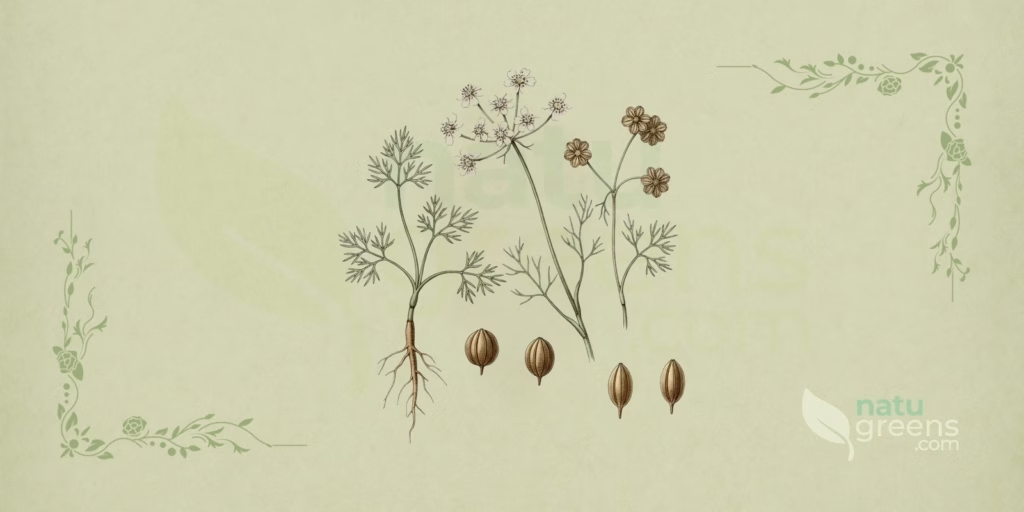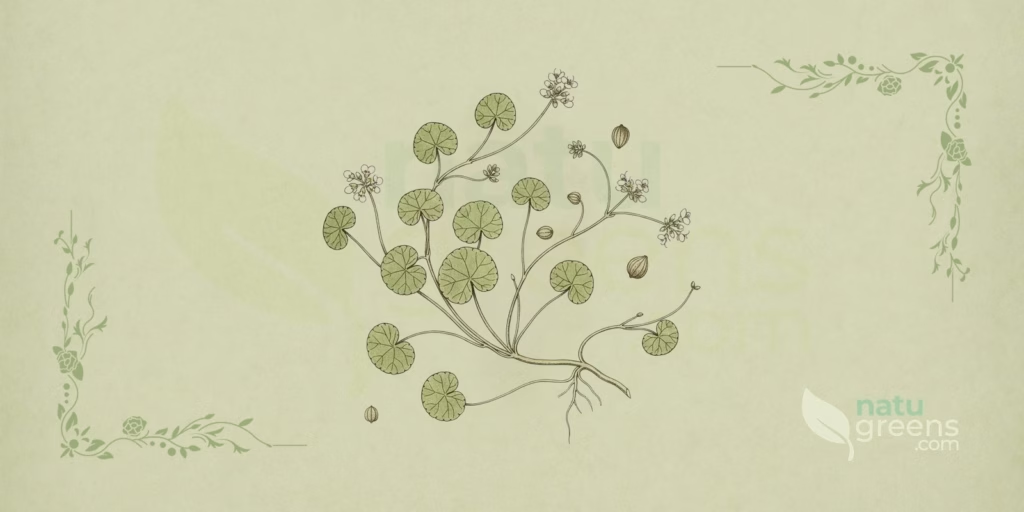
Bupleurum chinense DC. / Chinese Thorowax, commonly known as Chinese thorowax or hare’s ear root, is a perennial herbaceous plant belonging to the Apiaceae family. Described by Augustin Pyramus de Candolle, this species is native to East Asia and has been a fundamental pillar of Traditional Chinese Medicine (TCM) for more than two millennia. Its root, known as Radix Bupleuri, is widely valued for its therapeutic properties, particularly in supporting liver health and harmonizing the body.
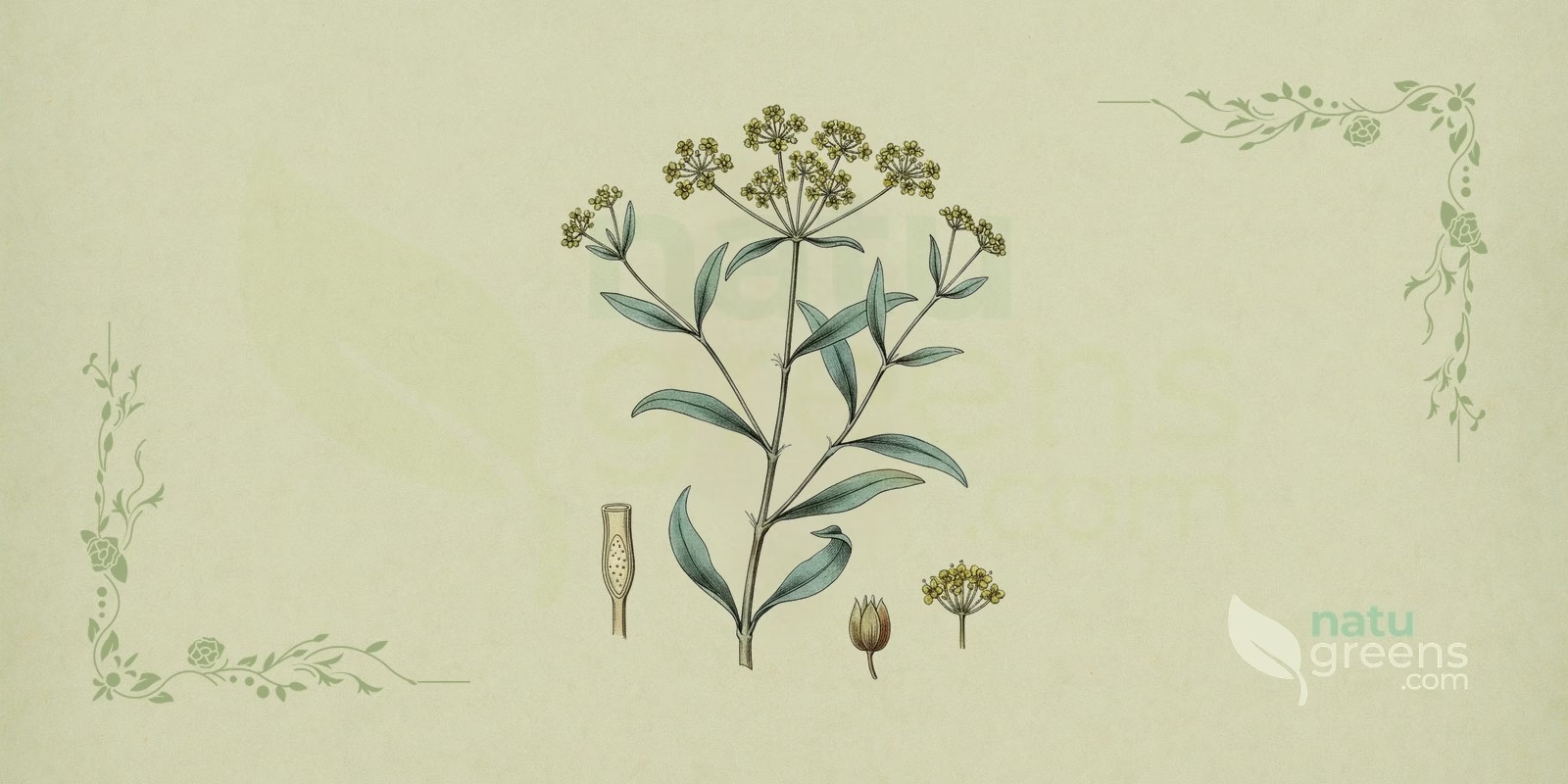
In TCM, Chinese thorowax is used to address a wide range of conditions, from digestive complaints and fevers to gynecological disorders. Modern scientific research has been exploring and validating many of its traditional uses, highlighting its rich phytochemical composition. Compounds such as saikosaponins, polyacetylenes, and flavonoids are responsible for its anti-inflammatory, hepatoprotective, and immunomodulatory actions. This plant remains an active subject of study, reinforcing its importance in the field of global herbal medicine.
Popular and International Names of Chinese Thorowax
- English: Chinese Thoroughwax, Hare’s Ear Root, Saiko, Thorowax.
- Spanish: Bupleuro Chino, Raíz de Oreja de Liebre.
- Portuguese: Bupleuro Chinês, Raiz-de-Orelha-de-Lebre.
- French: Buplèvre de Chine, Chai Hu.
- Italian: Bupleuro Cinese.
- German: Chinesisches Hasenohr, Saiko.
Botanical Synonyms of Bupleurum chinense
Chai Hu is the common Chinese name for the roots of several Bupleurum species, including Bupleurum chinense DC. and Bupleurum scorzonerifolium Willd. Other botanical synonyms for Bupleurum chinense include Bupleurum chinense Franch., Bupleurum falcatum var. ensifolium H.Wolff, and Bupleurum chinense var. vanheurckii (Müll. Arg.) Shan & Yin Li. These synonyms reflect the taxonomic complexity and morphological variation within the genus, which is widely used in Traditional Chinese Medicine.
Accurate species identification is essential to ensure the efficacy and safety of medicinal use. The Chinese Pharmacopoeia specifically recognizes the dried roots of Bupleurum chinense DC. and Bupleurum scorzonerifolium Willd. as the official source of Radix Bupleuri. This standardization helps distinguish among the various Bupleurum species, which can have distinct phytochemical profiles and biological activities.
Botanical Family: Apiaceae
Bupleurum chinense belongs to the Apiaceae family, formerly known as Umbelliferae. This is one of the largest families of flowering plants, characterized by its umbrella-shaped inflorescences that cluster small flowers. The Apiaceae family includes many plants of economic, culinary, and medicinal importance, such as carrot, celery, parsley, and fennel. This family’s diversity is remarkable, with species distributed worldwide.
Plants in the Apiaceae family are often rich in bioactive compounds, such as essential oils, coumarins, and flavonoids, which give them a variety of therapeutic properties. Floral structure and chemical composition are distinguishing features that aid in the identification and study of these species. Bupleurum chinense, with its medicinal roots, exemplifies this family’s relevance in the field of traditional and modern herbal medicine.
Parts of Chinese Thorowax Used
- Root (Radix Bupleuri)
Ethnobotanical and Traditional Uses
- Harmonizing and cooling the body.
- Relief of digestive disorders.
- Treatment of liver disease, malaria, gynecological disorders, headache, and tinnitus.
- Use in Traditional Chinese Medicine (TCM) for liver problems.
Therapeutic Properties of Chinese Thorowax
- Antidepressant (effect studied in research on mood and emotional well-being)
- Anti-inflammatory (effect studied in reducing inflammation)
- Antipyretic (effect studied in reducing fever)
- Antiviral (activity studied against viruses)
- Hepatoprotective (protective effect studied against liver damage)
- Hypoglycemic (effect studied on blood sugar)
- Immunomodulatory (effect studied on the immune system)
- Neuroprotective (protective effect studied on the nervous system)
Detailed Phytochemical Profile of Chinese Thorowax
- Coumarins
- Flavonoids
- Lignins
- Phenylpropanoids and Phenylpropanol Glycosides
- Polyacetylenes
- Saikosaponins (A, B2, D, among others)
- Volatile Oils
Preparation and Administration Forms of Chinese Thorowax
- Extracts
- Teas/Infusions
- Tinctures
Synergy with Other Medicinal Plants
Combinations in Traditional Chinese Medicine
Chinese thorowax is often used in complex herbal formulas within Traditional Chinese Medicine (TCM). Its combination with other herbs is traditionally intended to support therapeutic effects and reduce potential adverse effects. For example, it is commonly paired with Paeonia lactiflora (Baishao) in formulations traditionally aimed at liver balance and relief of stress-related conditions. This synergy is studied for its antidepressant and harmonizing potential, though it calls for professional supervision because of the hepatotoxicity risk already noted in the contraindications.
Liver and Digestive Support
For liver and digestive support, Chinese thorowax can traditionally be combined with herbs such as artichoke (Cynara scolymus) or milk thistle (Silybum marianum). These combinations are traditionally intended to support liver function and digestive comfort, but they require professional supervision given the hepatic caution already noted in the contraindications. The combined action of the phytochemical compounds in these plants is studied as support for the gastrointestinal and hepatic systems, without replacing medical evaluation.
Relief of Cold and Fever Symptoms
For colds and fevers, Chinese thorowax is traditionally combined with herbs that have antipyretic and anti-inflammatory properties. Its inclusion in formulas for these conditions is intended to help modulate the immune response and reduce the intensity of symptoms. The synergy with other plants may provide more comprehensive relief and support for the immune system during illness.
Recipes and Usage Protocols of Chinese Thorowax
Infusion for Liver Support
Ingredients: A small portion of dried Chinese thorowax root, boiling water.
Preparation: Place the dried root in a cup and add the boiling water. Cover and let steep for 10 to 15 minutes, then strain and drink. The amount of root and the number of cups per day should be determined with guidance from a healthcare professional, preferably taken between meals. This infusion is traditionally associated with liver health and relief of digestive discomfort; consult a healthcare professional before use, given the plant’s potential for liver toxicity at inappropriate doses.
Tincture for Emotional Balance
Ingredients: Chinese thorowax tincture (1:5, 45% alcohol).
Preparation: The number of drops and daily frequency should follow the manufacturer’s instructions and the guidance of a healthcare professional, never arbitrary doses. The tincture is a concentrated form that allows for faster absorption of the active compounds and is traditionally indicated for support during stress and emotional imbalance, according to TCM; consult a healthcare professional before use, especially for prolonged periods, given the potential for liver toxicity associated with thorowax in combined formulas.
Decoction for Fevers and Colds
Ingredients: Dried Chinese thorowax root, water.
Preparation: Place the root and water in a pot and bring to a boil. Reduce the heat and simmer for 20 to 30 minutes, then strain and drink the liquid while warm. The amount of root used should be guided by a healthcare professional. This decoction is traditionally associated with relief of fever, chills, and other cold and flu symptoms, according to TCM; consult a healthcare professional before use, given the plant’s potential for liver toxicity at high doses.
The preparations above follow traditional records and do not replace professional guidance. Before any internal use, check the contraindications and interactions described in this article.
Associated Therapies
Acupuncture
In Traditional Chinese Medicine, Chinese thorowax is often integrated into acupuncture treatments. Combining herbal medicine with acupuncture is intended to optimize the flow of Qi (vital energy) and balance the meridians, particularly those related to the liver. This holistic approach seeks not only to ease symptoms but also to address the underlying cause of the body’s energetic imbalances.
Chinese Dietary Therapy
Chinese dietary therapy uses foods and herbs to promote health and prevent illness. Chinese thorowax can traditionally be incorporated into diets aimed at liver balance and improved digestion. Its cooling, harmonizing nature makes it a valuable ingredient in medicinal culinary preparations, traditionally contributing to overall well-being, always with an evaluation from a healthcare professional regarding prolonged liver-related use.
Contraindications and Side Effects of Chinese Thorowax
General Contraindications
Chinese thorowax is contraindicated for individuals with known hypersensitivity to any component of the plant. Pregnant or breastfeeding women should avoid its use due to the lack of conclusive studies on safety in these groups. People with pre-existing liver conditions, such as cirrhosis or severe hepatitis, should use Chinese thorowax with extreme caution and under strict medical supervision, given its potential for liver toxicity at high doses.
There are rare reports of hepatotoxicity associated mainly with combined Traditional Chinese Medicine formulas containing Bupleurum, not necessarily with the isolated plant, a caveat equivalent to one already noted for Bupleurum falcatum. If symptoms such as jaundice, dark urine, or persistent abdominal pain occur, use should be stopped and a doctor consulted without delay. Extra caution is recommended for those who already have pre-existing liver disease or who use the plant for extended periods without professional supervision.
Common Side Effects
Side effects are generally rare and mild but may include gastrointestinal discomfort, such as nausea, diarrhea, or bloating. In some cases, allergic skin reactions, such as rashes or itching, may occur. Dizziness or headaches have also been reported. It is essential to monitor any adverse reaction and discontinue use if symptoms persist or worsen.
Drug Interactions
Chinese thorowax may interact with certain medications, especially those metabolized by the liver. It may potentiate the effect of anticoagulants, increasing the risk of bleeding. Combining it with immunosuppressants should be avoided, as thorowax may modulate the immune response. Patients being treated for diabetes should monitor their glucose levels, as the plant may have a hypoglycemic effect. Always consult a healthcare professional before combining thorowax with other treatments.
Historical Notes and Interesting Facts
Origin of the Common Name
The Chinese name for Bupleurum chinense is Chai Hu (柴胡), which translates literally as “firewood of the barbarians.” The exact origin of this name is uncertain, but it reflects the plant’s long history of use in Traditional Chinese Medicine. This distinctive name highlights the plant’s cultural and medicinal importance over the centuries, testifying to its relevance in Eastern pharmacopoeia.
A Pillar of Traditional Chinese Medicine
Chinese thorowax has been one of the pillars of Traditional Chinese Medicine (TCM) for more than two thousand years. Its inclusion in countless classical herbal formulas demonstrates its versatility and effectiveness in addressing a wide range of conditions. Its reputation as a harmonizer and regulator of liver Qi has cemented its place as one of the most respected and studied herbs in TCM.
Variations and Identification
Several Bupleurum species are used in TCM, and correct identification is crucial. The Chinese Pharmacopoeia specifies the roots of Bupleurum chinense DC. and Bupleurum scorzonerifolium Willd. as the official sources of Radix Bupleuri. This distinction is vital, since different species can have varying phytochemical profiles and therapeutic potencies, ensuring the safety and effectiveness of treatment.
Frequently Asked Questions about Chinese Thorowax Tea
What Is Chinese Thorowax?
Chinese thorowax, scientifically known as Bupleurum chinense DC., is a perennial herbaceous plant of the Apiaceae family. Its root, called Radix Bupleuri, is widely used in Traditional Chinese Medicine (TCM) for its therapeutic properties, particularly in supporting liver health and harmonizing the body.
What Is Chinese Thorowax Tea Used For?
Chinese thorowax tea is traditionally used for various purposes. It helps relieve digestive disorders, harmonize the body, and is a key component in TCM treatments for liver problems, fevers, malaria, gynecological disorders, headaches, and tinnitus. Modern studies also indicate potential support for the immune system and blood sugar regulation.
What Are the Main Benefits of Chinese Thorowax?
Its main benefits include protecting the liver against damage, modulating the immune system, and potentially helping manage blood sugar levels. It also has anti-inflammatory, antiviral, and antipyretic properties. In TCM, it is valued for its ability to relieve liver Qi stagnation and harmonize the body’s energy flow.
Are There Contraindications for Using Chinese Thorowax?
Yes, Chinese thorowax is contraindicated for people allergic to the plant, and for pregnant or breastfeeding women. Individuals with severe liver disease should use it with caution and under medical supervision. It may interact with anticoagulant, immunosuppressant, and diabetes medications, so it is essential to consult a healthcare professional before starting use. There are also rare reports of liver problems linked mainly to combined Traditional Chinese Medicine formulas, so symptoms such as jaundice or dark urine require stopping use and immediate medical evaluation.
How Do You Prepare Chinese Thorowax Tea?
To prepare the tea, use a small amount of dried Chinese thorowax root per cup of boiling water, steeping for 10 to 15 minutes before straining and drinking. For a more concentrated decoction, the root can be boiled in water for 20 to 30 minutes. The amount of root and frequency of use should be determined with guidance from a healthcare professional, given the plant’s potential for liver toxicity at high doses.
Notice: this content is for informational purposes and does not replace professional medical advice. Consult a physician or herbal practitioner before using medicinal plants, especially during pregnancy, breastfeeding, or alongside medication.
References and Scientific Studies
- PMC2020 Yang L, et al. Managing Depression with Bupleurum chinense Herbal Formula: A Systematic Review and Meta-Analysis of Randomized Controlled Trials. Journal of alternative and complementary medicine (New York, N.Y.). 2020.
- PMC2022 Li QF, et al. Proprietary Medicines Containing Bupleurum chinense DC. (Chaihu) for Depression: Network Meta-Analysis and Network Pharmacology Prediction. Frontiers in pharmacology. 2022.
- PMC2022 Lv S, et al. Antidepressant Active Components of Bupleurum chinense DC-Paeonia lactiflora Pall Herb Pair: Pharmacological Mechanisms. BioMed research international. 2022.