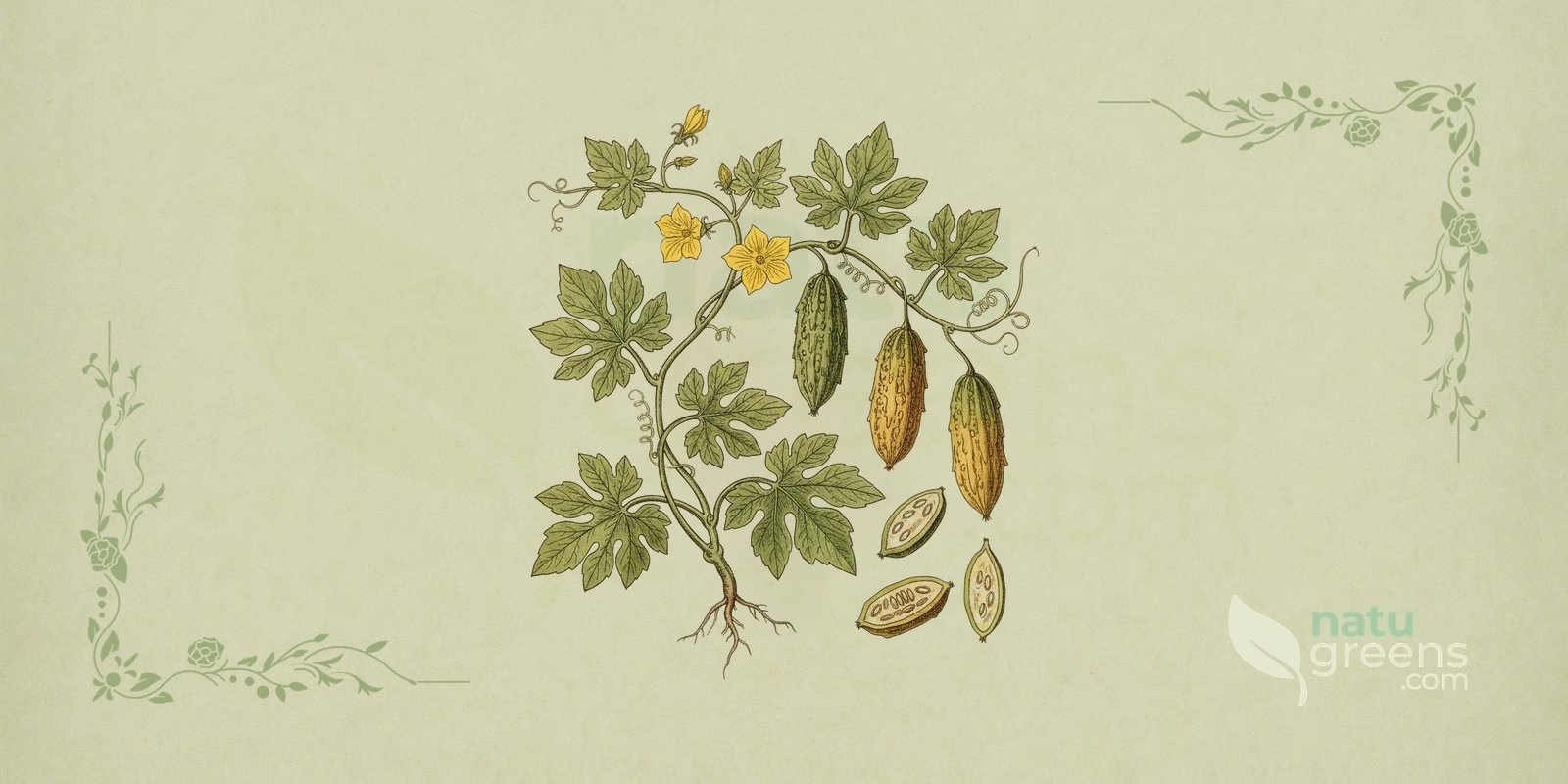
Momordica charantia L. / Bitter Melon, also known as bitter gourd, is a tropical climbing vine in the Cucurbitaceae family, native to tropical regions of Asia and Africa and now widely cultivated for its fruits, which are edible and also have medicinal use. For centuries the plant has been part of the traditional medicine of many cultures, among them Asian, African and South American traditions, which apply it to a range of conditions, most notably diabetes.
In folk medicine, bitter melon is known for its hypoglycemic, anti-inflammatory and digestive properties, which are associated with a phytochemical profile that includes charantin, momordicin and vicine. Modern studies are investigating many of these traditional uses, and the effect on blood glucose is real enough to demand caution: combined with diabetes medications, it can cause dangerous hypoglycemia, a subject covered in the Contraindications section alongside the risks in pregnancy and the toxicity of the seeds.
Popular and International Names of Bitter Melon
- English: balsam pear, bitter gourd, bitter melon, cerasee.
- Spanish: balsamina, cundeamor, melón amargo.
- Portuguese: erva-de-são-caetano, fruto-de-cobra, melão-amargo, melão-de-são-caetano.
- French: margose, melon amer, poire baumier.
- Italian: melone amaro, zucca amara.
- German: Balsambirne, Bittermelone.
Botanical Synonyms of Momordica charantia
Over the course of botanical history, the species has received several scientific names that are now treated as synonyms of Momordica charantia L., the name accepted in the current literature. The most frequently cited are the following:
- Momordica chinensis
- Momordica elegans
- Momordica indica
- Momordica muricata
- Momordica zeylanica
- Sicyos fauriei
Knowing these names makes it easier to find the plant in older botanical works, although Momordica charantia is the standard designation in scientific studies today.
Botanical Family: Cucurbitaceae
The Cucurbitaceae, known as the gourd family, comprise about 965 species distributed across 95 genera, made up mainly of climbing vines and lianas that grow in tropical and subtropical regions. Many of these species are of great economic importance, such as cucumber, melon, squash and watermelon, and bitter melon shares with them the climbing habit and the fleshy fruits typical of the group.
Parts of Bitter Melon Used
- Fruits
- Leaves
- Roots
- Seeds
The fruit is the best-known part, eaten as food and used in juices and extracts, while the leaves are used in infusions. The seeds appear in traditional records, but they contain toxic compounds, including vicine, and should not be eaten by children, which is why they are always removed in the recipes in this article.
Ethnobotanical and Traditional Uses
Folk medicine in parts of Asia, Africa and South America records the use of the plant in the situations listed below, which reflects traditional use and not efficacy proven by clinical studies:
- Diabetes
- Digestive problems
- Fever
- Hypertension
- Intestinal worms
- Malaria
- Skin infections
Diabetes, hypertension and malaria require medical diagnosis and treatment, and the traditional use of the plant is no substitute for prescribed medications. In the case of diabetes, the hypoglycemic effect of bitter melon can add to that of the medication and cause dangerous hypoglycemia.
Therapeutic Properties of Bitter Melon
- Antidiabetic (reduction in blood glucose observed in studies, with clinical results still inconsistent)
- Anti-inflammatory (action observed in experimental studies)
- Antimicrobial (activity against microorganisms observed in the laboratory)
- Antioxidant (neutralizes free radicals in laboratory assays)
- Antiviral (activity observed in laboratory studies)
- Hepatoprotective (liver-protective effect suggested in preliminary studies)
- Hypoglycemic (lowers blood sugar; a real effect that can cause hypoglycemia when added to diabetes medications)
- Immunomodulatory (modulation of the immune system observed in experimental studies)
Detailed Phytochemical Profile of Bitter Melon
- Alkaloids
- Charantin
- Cucurbitacins
- Flavonoids
- Glycosides
- Momordicin
- Polypeptide-p
- Saponins
- Terpenoids
- Vicine
Charantin and polypeptide-p are among the compounds most studied for their effect on blood glucose, while vicine, found in the seeds, is linked to a favism-like hemolytic reaction in people with G6PD deficiency. The cucurbitacins and momordicin contribute to the bitter taste that defines the fruit and that also shows up in the plant’s names in several languages.
Preparation and Administration Forms of Bitter Melon
- Capsules
- Cooked (fruit)
- Extract
- Infusion (tea)
- Juice
- Tincture
In the kitchen, the fruit is eaten cooked, whereas capsules, extracts and tinctures are the concentrated forms most widely used in herbal medicine. Precisely because they concentrate the active compounds, these preparations can increase the risk of hypoglycemia and should only be used under the supervision of a health professional, above all by people who are being treated for diabetes.
Synergy with Other Medicinal Plants
Traditional Pairing with Cinnamon and Fenugreek
Folk formulations combine bitter melon with cinnamon (Cinnamomum verum) and fenugreek (Trigonella foenum-graecum), plants that the traditional record also associates with blood glucose control. Because their effects on blood sugar tend to add up, this combination increases the risk of hypoglycemia and should not be used by anyone taking insulin or oral hypoglycemic drugs without medical guidance.
Traditional Pairing for Digestion
Combined with ginger (Zingiber officinale) and peppermint (Mentha x piperita), bitter melon is traditionally used in blends intended to relieve indigestion and flatulence, a use tied to the carminative and digestive properties attributed to all three plants. Even in these blends, the restrictions on bitter melon still apply during pregnancy and breastfeeding, in children and for anyone taking diabetes medications.
Recipes and Usage Protocols of Bitter Melon
Bitter Melon Leaf Tea
In folk medicine, the leaf infusion is traditionally used by people with high blood glucose, and because of that same hypoglycemic effect, anyone already taking insulin or oral hypoglycemic drugs should not drink it without medical guidance. The tea is also contraindicated during pregnancy and breastfeeding and for children.
Ingredients: a small amount of dried bitter melon leaves and water.
Preparation: Bring the water to a boil, turn off the heat and add the leaves, letting them steep for 5 to 10 minutes before straining. The amount of leaves and how often the tea is taken need to be determined individually: consult a health professional before drinking it.
Bitter Melon Fruit Juice
The juice is a homemade way of consuming the fresh fruit, here blended with apple, and it is subject to the same restrictions as the tea. All the seeds must be removed before preparation because they contain toxic compounds, and the juice should not be given to children or consumed during pregnancy or breastfeeding, nor by anyone taking diabetes medications without medical guidance.
Ingredients: a small portion of bitter melon fruit, apple and water.
Preparation: Cut the fruit and the apple into pieces, remove all the seeds from the melon, blend with the water, strain and drink right away. Consult a health professional about the appropriate amount and frequency before making the juice part of your routine.
The preparations above follow traditional records and do not replace professional guidance. Before any internal use, check the contraindications and interactions described in this article.
Associated Therapies
Herbal Medicine
In herbal medicine, bitter melon appears in standardized extracts, capsules and tinctures used as adjuncts in blood glucose control and for digestive problems, a use that still depends on further clinical studies and that does not replace the medications prescribed for diabetes. Because of the risk of hypoglycemia, its use should always be supervised by a health professional.
Traditional Medicine and Diet
In the healing traditions of Asia, Africa and South America, the plant has been used for centuries, and in many Asian countries the fruit is also a popular ingredient in everyday cooking. Occasional consumption of the cooked, seedless fruit as food should not be confused with concentrated use in extracts and capsules, which is what calls for professional supervision.
Contraindications and Side Effects of Bitter Melon
Bitter melon is contraindicated for pregnant women, breastfeeding women and children, and medicinal use calls for extra caution because of three well-defined risks: hypoglycemia, especially in combination with diabetes medications; effects on the uterus during pregnancy; and the toxicity of the seeds. Before starting to use it, consult a doctor, particularly if you are taking medication for diabetes.
Hypoglycemia and Interaction with Diabetes Medications
Bitter melon has a real hypoglycemic effect and can cause dangerous hypoglycemia, especially when combined with diabetes medication such as insulin and oral hypoglycemic drugs. People with diabetes who are under treatment need medical guidance before using any preparation of the plant, and anyone with hypoglycemia should avoid consuming it.
Pregnancy and Breastfeeding
The plant is contraindicated during pregnancy, because compounds such as vicine and other substances have been associated with a risk of uterine contractions and an abortifacient effect, and breastfeeding women should also avoid consuming it.
Seed Toxicity and Risk to Children
The seeds contain toxic compounds, including vicine, which is linked to a favism-like hemolytic reaction in people with G6PD deficiency, and they should not be eaten by children. For the same reason, the seeds should be removed in any preparation of the fruit, people with G6PD deficiency need to avoid them, and use of the plant as a whole is contraindicated for children.
Side Effects
Excessive consumption can cause gastrointestinal discomfort, such as abdominal pain and diarrhea, and in rare cases it can trigger allergic reactions. If any of these symptoms appear, or if there are signs of a drop in blood sugar, use should be stopped and a health professional should be consulted.
Historical Notes and Interesting Facts
Bitter melon is a popular ingredient in many Asian cuisines despite its bitter taste, and it is often stir-fried, stuffed or added to soups. To tone down the bitterness, the fruit can be soaked in salted water before cooking, a simple technique that gives it a milder flavor.
The bitterness, in fact, is built into the plant’s very names in several languages, such as bitter melon in English, melón amargo in Spanish, melone amaro in Italian and Bittermelone in German, all of which carry the same meaning of a bitter melon. For centuries, the species has moved back and forth between the cuisine and the traditional medicine of cultures in Asia, Africa and South America.
Frequently Asked Questions about Bitter Melon
Can Bitter Melon Tea Help You Lose Weight?
There is not enough scientific evidence that bitter melon tea, on its own, promotes weight loss. The plant is studied for its effect on blood glucose and has a traditional use in digestion, but that does not make it a weight-loss aid.
Can I Drink Bitter Melon Tea Every Day?
Daily consumption should be moderate and, ideally, supervised by a health professional, especially in cases of diabetes or other health conditions. The tea is contraindicated during pregnancy and breastfeeding and for children, and frequent use calls for extra attention to the risk of hypoglycemia.
Can People with Diabetes Use Bitter Melon?
Only with medical guidance, because the plant has a real hypoglycemic effect and can cause dangerous hypoglycemia when combined with insulin or oral hypoglycemic drugs. Traditional use does not replace prescribed medication, and any preparation of the plant should first be discussed with the doctor who oversees the treatment.
Can Pregnant Women Consume Bitter Melon?
No, bitter melon is contraindicated during pregnancy, because compounds such as vicine and other substances have been associated with a risk of uterine contractions and an abortifacient effect. Consumption should also be avoided while breastfeeding.
Are Bitter Melon Seeds Toxic?
Yes, the seeds contain toxic compounds, among them vicine, which is linked to a favism-like hemolytic reaction in people with G6PD deficiency. They should not be eaten by children and must be removed in any preparation of the fruit, including the juice.
How Can You Reduce the Bitterness of Bitter Melon?
One traditional approach is to soak the fruit in salted water before cooking, which softens the characteristic bitter taste of the species. After that, it can be stir-fried, stuffed or added to soups, as is common in Asian cuisines, always without the seeds.
Notice: this content is for informational purposes and does not replace professional medical advice. Consult a physician or herbal practitioner before using medicinal plants, especially during pregnancy, breastfeeding, or alongside medication.
References and Scientific Studies
- PMC2003 Basch E, et al. Bitter melon (Momordica charantia): a review of efficacy and safety. American Journal of Health-System Pharmacy. 2003.
- PMC2004 Grover JK, et al. Pharmacological actions and potential uses of Momordica charantia: a review. Journal of Ethnopharmacology. 2004.
- PMC2012 Ooi CP, et al. Momordica charantia for type 2 diabetes mellitus. Cochrane Database of Systematic Reviews. 2012.
- PMC2019 Peter EL, et al. Momordica charantia L. lowers elevated glycaemia in type 2 diabetes mellitus patients: Systematic review and meta-analysis. Journal of Ethnopharmacology. 2019.