Cyclopia intermedia E. Mey. / Honeybush, popularly known as honeybush tea or mountain tea, is a perennial shrub of the Fabaceae family, described by the botanist Ernst Meyer and endemic to South Africa, where it thrives in the mountainous regions of the Cape. Honeybush has been valued for generations for its naturally sweet flavor and for the place it holds in South African folk medicine, and it is consumed above all as an infusion, both in the daily life of local communities and on the international tea market.
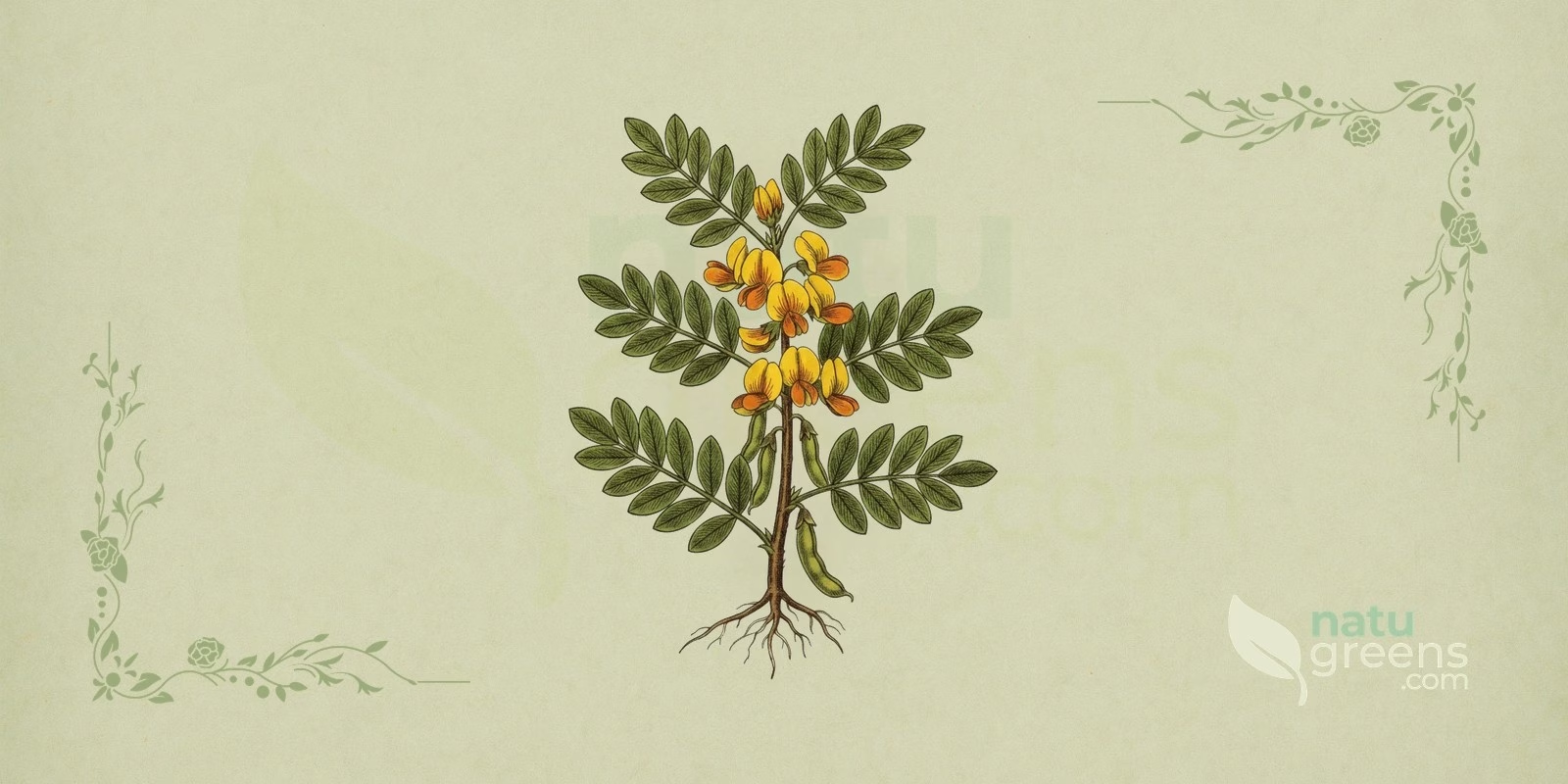
The plant is recognized by its vibrant yellow flowers and its honey-like fragrance, features that earned it its common name. The traditional use of honeybush goes back to Indigenous South African communities, who employed it for a variety of medicinal purposes, and today some of these applications are being investigated in research carried out mostly in the laboratory and in animals, which does not yet justify regarding the plant as a remedy but does reinforce interest in it as a beverage rich in polyphenols.
Popular and International Names of Honeybush
- English: honeybush, mountain tea.
- Spanish: arbusto de la miel, honeybush, té de honeybush.
- Portuguese: chá da montanha, chá de honeybush, honeybush.
- French: buisson à miel, honeybush, thé de honeybush.
- Italian: honeybush, tè di honeybush.
- German: Honigtee.
- Afrikaans: bergtee, heuningtee.
The Afrikaans names bergtee (mountain tea) and heuningtee (honey tea) reflect the plant’s mountain habitat and the scent of its flowers, while the other languages usually keep the English form honeybush alongside literal translations such as Spanish arbusto de la miel and French buisson à miel.
Botanical Synonyms of Cyclopia intermedia
Cyclopia aurea Fourc., Cyclopia brachypoda var. intermedia (E. Mey.) Hofmeyr & E. Phillips, Cyclopia subternata sensu Hofmeyr & E. Phillips and Cyclopia vogelii var. intermedia (E. Mey.) Harv. are names that have historically been associated with Cyclopia intermedia. In the case of Cyclopia subternata, the qualifier sensu only indicates that those authors applied the name to this species, and it is not a formal synonym, since Cyclopia subternata Vogel is a distinct species that is also used in the production of honeybush tea. The taxonomy of the genus Cyclopia has been the subject of in-depth studies, which have led to several reclassifications over time, and the name Cyclopia intermedia E. Mey. is today the most widely accepted and used in contemporary scientific literature.
Botanical Family: Fabaceae
Cyclopia intermedia belongs to the Fabaceae family, also known as Leguminosae, one of the largest families of flowering plants, characterized by its pod-shaped fruits and by the ability of many of its species to fix nitrogen in the soil. It includes countless plants of great economic, nutritional and medicinal importance, such as bean, carob, pea and soybean, as well as rooibos, another traditional South African tea.
Within the family, honeybush belongs to the subfamily Faboideae, notable for the papilionaceous structure of its flowers and for its wealth of bioactive compounds, and this phytochemical diversity helps explain the medicinal interest that many of its species have attracted. With yellow flowers bearing a papilionaceous corolla and fruits in the form of pods, Cyclopia intermedia is a good example of the morphological and chemical traits typical of the Fabaceae.
Parts of Honeybush Used
- Flowers
- Leaves
- Stems
To make the tea, the thin leafy twigs are used together with their stems and flowers, which are chopped and may go through a traditional fermentation process before drying, a step that darkens the material and intensifies the sweet aroma of the brew. Both the fermented and the unfermented versions attract scientific interest, and it was with extracts of these two forms that researchers evaluated effects on the skin of mice, as described in the properties section.
Ethnobotanical and Traditional Uses
Ethnobotanical records describe honeybush mainly as a restorative and expectorant drink, used in South African folk medicine for respiratory complaints. These uses reflect tradition and do not replace medical diagnosis or treatment, and this is essential in the case of serious diseases such as pneumonia and tuberculosis, which require antibiotics and professional medical follow-up.
- Bronchial problems (documented traditional use)
- Catarrh (documented traditional use as an expectorant)
- Cough relief (documented traditional use)
- Menopausal symptom relief (folk use, not clinically proven; see the hormonal cautions under Contraindications)
- Pneumonia (documented historical use as a supportive drink, never as a substitute for medical treatment)
- Tuberculosis (documented historical use as a restorative drink, of no value as a treatment)
Therapeutic Properties of Honeybush
The properties below summarize findings from experimental studies carried out in cells and in animals, and none of them has been confirmed in clinical trials in humans, so they should be read as lines of research and not as indications for use.
- Anti-inflammatory (effect investigated in experimental studies, not clinically proven)
- Antimicrobial (activity reported in laboratory assays, not clinically proven)
- Anti-obesity (stimulation of thermogenesis and fatty acid oxidation observed in fat cells and in obese mice, not proven in humans)
- Antioxidant (polyphenols that neutralize free radicals in laboratory assays)
- Anti-wrinkle (effect observed in hairless mice with fermented and unfermented extracts, with no studies in humans)
Detailed Phytochemical Profile of Honeybush
- Cinnamic acids
- Coumestans
- Flavones
- Isoflavones
- Mangiferin
- Xanthonoids
Chemical analyses of the leaves and stems of Cyclopia intermedia have identified these groups of polyphenols, most notably mangiferin, a xanthone also found in mango, along with isoflavones and coumestans, classes that include substances with estrogen-like activity. This profile is the reason why the isoflavone content appears under Contraindications as a point of attention for people with hormone-sensitive conditions or who take hormonal medications.
Preparation and Administration Forms of Honeybush
- Capsules
- Extracts
- Infusion (tea)
- Tinctures
Infusion is the traditional way of consuming the plant, whereas capsules, extracts and tinctures are modern products that concentrate its compounds and therefore call for extra attention to the cautions regarding hormones, pregnancy and drug interactions, with the dose and duration set together with a healthcare professional.
Synergy with Other Medicinal Plants
Tea for the Respiratory System
The combination of honeybush with licorice (Glycyrrhiza glabra) and ginger (Zingiber officinale) is traditionally used to relieve coughs and bronchial discomfort, in a blend in which honeybush contributes its antioxidants, ginger its gingerols and licorice its glycyrrhizin. Its reputation as an expectorant drink that soothes the airways comes from traditional records and not from clinical studies of the combination, and because licorice can raise blood pressure when used in excess or over long periods, this blend is not recommended for people with hypertension or for pregnant women and should be limited to a few days.
Infusion for General Well-Being
Pairing honeybush with chamomile (Matricaria chamomilla) and rooibos (Aspalathus linearis) produces a drink rich in antioxidants that is traditionally used to unwind at the end of the day, since honeybush and rooibos are naturally caffeine-free and chamomile adds the calming effect that tradition attributes to it. The blend often accompanies evening routines and moments of rest, but it should not be regarded as a remedy for anxiety or insomnia, and people who are allergic to plants of the Asteraceae family, to which chamomile belongs, should avoid it.
Recipes and Usage Protocols of Honeybush
Iced Honeybush Tea with Lemon and Mint
A refreshing preparation for hot days, in which honeybush provides a caffeine-free and naturally sweet base, in keeping with the plant’s traditional everyday use as a beverage and with no promise of any medicinal effect.
Ingredients:
- 2 tablespoons of dried honeybush leaves and stems
- 500 ml of water
- Fresh mint leaves to taste
- Honey or a natural sweetener (optional)
- Juice of 1 lemon
Preparation:
- Make a strong honeybush infusion with 500 ml of boiling water.
- Let it cool completely, then place it in the refrigerator.
- Once it is chilled, add the lemon juice, the mint leaves and the honey, if using.
- Serve over ice.
Basic Honeybush Infusion
This is the form closest to the traditional South African practice, in which dried leaves and stems are steeped in boiling water, a temperature that also meets the precaution on microbial contamination mentioned under Contraindications.
Ingredients:
- 1 tablespoon of dried honeybush leaves and stems (Cyclopia intermedia)
- 250 ml of boiling water
Preparation:
- Place the honeybush in a cup or teapot.
- Pour the boiling water over the plant.
- Cover and let it steep for 5 to 10 minutes.
- Strain and drink it warm, plain or with a little honey, up to 3 times a day.
Anyone who has a hormone-sensitive condition, is pregnant or breastfeeding, or takes anticoagulants should talk to a healthcare professional before adopting this regular intake.
The preparations above follow traditional records and do not replace professional guidance. Before any internal use, check the contraindications and interactions described in this article.
Associated Therapies
Herbal Medicine
In South African herbal medicine, honeybush holds a prominent place as a plant of traditional use, employed in folk medicine for a range of complaints, and its extracts appear in formulations aimed at respiratory and digestive discomfort as well as in preparations sold as a general tonic. Research continues to explore the potential of the species in different applications, but the available results come mainly from laboratory and animal studies, which keeps these formulations in the field of traditional use and not among treatments of proven efficacy.
Functional Nutrition
Thanks to its antioxidant-rich profile and the absence of caffeine, honeybush is regarded as a functional food and often features in diets focused on cardiovascular health, cell protection and general well-being, although these associations rest mainly on its polyphenol content and not on clinical trials with the beverage. It can be drunk regularly as an alternative to other beverages, provided the cautions under Contraindications are respected, especially by people who have a hormone-sensitive condition or take anticoagulants.
Contraindications and Side Effects of Honeybush
Honeybush is generally considered safe for most people when consumed in moderate amounts as a beverage, but some precautions and possible side effects should be taken into account, above all because of its isoflavone content.
Honeybush (Cyclopia intermedia) is consumed as a traditional tea in South Africa and contains isoflavones with possible estrogen-like activity. Laboratory studies with extracts of Cyclopia genistoides, a species of the same genus, observed phytoestrogenic activity, which reinforces the need for the cautions below.
Side Effects
- Allergic Reactions: although uncommon, allergic reactions may occur in people who are sensitive to plants of the Fabaceae family, and they should avoid honeybush.
- Digestive Disorders: in rare cases, excessive consumption may cause mild gastrointestinal discomfort.
Precautions
- Hormone-Sensitive Conditions: caution in hormone-sensitive conditions, such as breast, endometrial and ovarian cancer, without medical guidance.
- Licorice Blends: the combinations described in the synergy section that include licorice are not recommended for people with hypertension or for pregnant women.
- Microbial Contamination: although rare, microbial contamination can occur during the fermentation process, and for safety it is advisable to prepare the infusion with water at a temperature of at least 60 °C.
- Pregnancy and Breastfeeding: do not use during pregnancy and breastfeeding without guidance, since the safety of honeybush during these periods has not been fully established and its isoflavone content calls for assessment by a healthcare professional.
Drug Interactions
- Anticoagulants and Hormonal Medications: caution with hormonal medications and with anticoagulants, because of a possible interaction.
- Drug-Metabolizing Enzymes: honeybush may interact with enzymes that metabolize medicines, possibly altering the efficacy or bioavailability of certain drugs, so people undergoing drug treatment should seek medical advice before regular use.
Historical Notes and Interesting Facts
Unique Aroma and Flavor
The common name “honeybush” comes from the sweet, honey-like scent of the flowers, and this olfactory trait is one of the reasons why the plant is so highly appreciated, both in the cup and in its natural state. The flavor of the infusion is often compared to that of rooibos, though with a more pronounced sweetness, which makes honeybush a pleasant and naturally flavorful alternative for anyone looking for a mellow drink.
Honeybush Tea vs. Green Tea
Unlike green tea (Camellia sinensis), honeybush tea does not turn bitter with prolonged steeping, a trait that allows it to be left to steep for long periods and to release more compounds without spoiling its flavor. In some rural areas of South Africa it was common to keep a pot of honeybush brewing on the stove, scenting the house and keeping the drink always ready for anyone who dropped by.
Fire Resistance
Like many plants of the fynbos, the shrubby vegetation typical of southwestern South Africa, Cyclopia intermedia has adapted to the frequent fires of the region and can resprout from its woody root system once the fire has passed, which ensures its continued presence in the ecosystem. This resilience reflects the adaptation of the species to a harsh environment and weighs in favor of sustainable harvesting, since much of the honeybush from this species is still gathered from wild populations.
Frequently Asked Questions about Honeybush
How Do You Make Honeybush Tea?
Simply place one tablespoon of dried honeybush leaves and stems in 250 ml of boiling water, let it steep for 5 to 10 minutes and strain. The drink can be enjoyed hot or iced, plain or with honey or another natural sweetener, and using very hot water also meets the precaution on microbial contamination described under Contraindications.
Does Honeybush Tea Contain Caffeine?
No, honeybush tea is naturally caffeine-free, which means it can be drunk at any time of day, including in the evening, without any stimulating effect that interferes with sleep. For this reason it is often chosen as a drink for the end of the day, frequently combined with chamomile or rooibos.
Where Does Honeybush Tea Come From?
Honeybush tea is an infusion made from the leaves, stems and flowers of Cyclopia intermedia, a shrub native to the Cape mountains of South Africa, where Indigenous communities were already drinking it long before it was sold commercially. It is known for its naturally sweet flavor, reminiscent of honey, and has become a popular caffeine-free alternative to traditional teas.
What Benefits Are Attributed to Honeybush Tea?
South African tradition uses honeybush mainly to relieve coughs and respiratory problems, while laboratory and animal studies describe antioxidant action, stimulation of thermogenesis and fatty acid oxidation, and an effect on wrinkles with fermented and unfermented extracts. These results are preliminary and have not been confirmed in clinical trials in humans, so the tea is no substitute for medical treatment.
Who Should Avoid Honeybush Tea?
Pregnant or breastfeeding women should not use honeybush without guidance, and people with hormone-sensitive conditions, such as breast, endometrial and ovarian cancer, need to exercise caution and seek medical advice before consuming it. Those who take hormonal medications or anticoagulants should also be cautious because of the possible interaction, and anyone who is allergic to plants of the Fabaceae family should avoid the plant.
Does Honeybush Have Estrogen-Like Effects?
Honeybush contains isoflavones with possible estrogen-like activity, observed in laboratory studies with species of the genus Cyclopia. For this reason, caution is advised in hormone-sensitive conditions, such as breast, endometrial and ovarian cancer, without medical guidance, and the same care applies to anyone who takes hormonal medications.
Notice: this content is for informational purposes and does not replace professional medical advice. Consult a physician or herbal practitioner before using medicinal plants, especially during pregnancy, breastfeeding, or alongside medication.
References and Scientific Studies
View All 8 Cited References
- PMC1998 Ferreira D, et al. Phenolic Compounds from Cyclopia intermedia (Honeybush Tea). 1. Journal of Agricultural and Food Chemistry. 1998.
- PMC2014 Im AR, et al. Anti-wrinkle effects of fermented and non-fermented Cyclopia intermedia in hairless mice. BMC Complementary and Alternative Medicine. 2014.
- PMC2018 Jack BU, et al. Polyphenol-Enriched Fractions of Cyclopia intermedia Selectively Affect Lipogenesis and Lipolysis in 3T3-L1 Adipocytes. Planta Medica. 2018.
- PMC2023 Jack BU, et al. Cyclopia intermedia (Honeybush) Induces Uncoupling Protein 1 and Peroxisome Proliferator-Activated Receptor Alpha Expression in Obese Diabetic Female db/db Mice. International Journal of Molecular Sciences. 2023.
- PMC2008 Joubert E, et al. South African herbal teas: Aspalathus linearis, Cyclopia spp. and Athrixia phylicoides: a review. Journal of Ethnopharmacology. 2008.
- PMC2003 Kamara BI, et al. Polyphenols from Honeybush tea (Cyclopia intermedia). Journal of Agricultural and Food Chemistry. 2003.
- PMC2004 Kamara BI, et al. Phenolic metabolites from honeybush tea (Cyclopia subternata). Journal of Agricultural and Food Chemistry. 2004.
- PMC2007 Verhoog NJ, et al. Evaluation of the phytoestrogenic activity of Cyclopia genistoides (honeybush) methanol extracts and relevant polyphenols. Journal of Agricultural and Food Chemistry. 2007.