Garcinia mangostana L., known in English as mangosteen and also as purple mangosteen, is an evergreen tropical fruit tree of the Clusiaceae family, described by Carl Linnaeus in 1753. Native to Southeast Asia, the species is prized for its edible fruits, which have a dark purple rind and white, segmented flesh, and for centuries it has held a prominent place in traditional Asian medicine, which relies mainly on the pericarp in a range of home preparations.
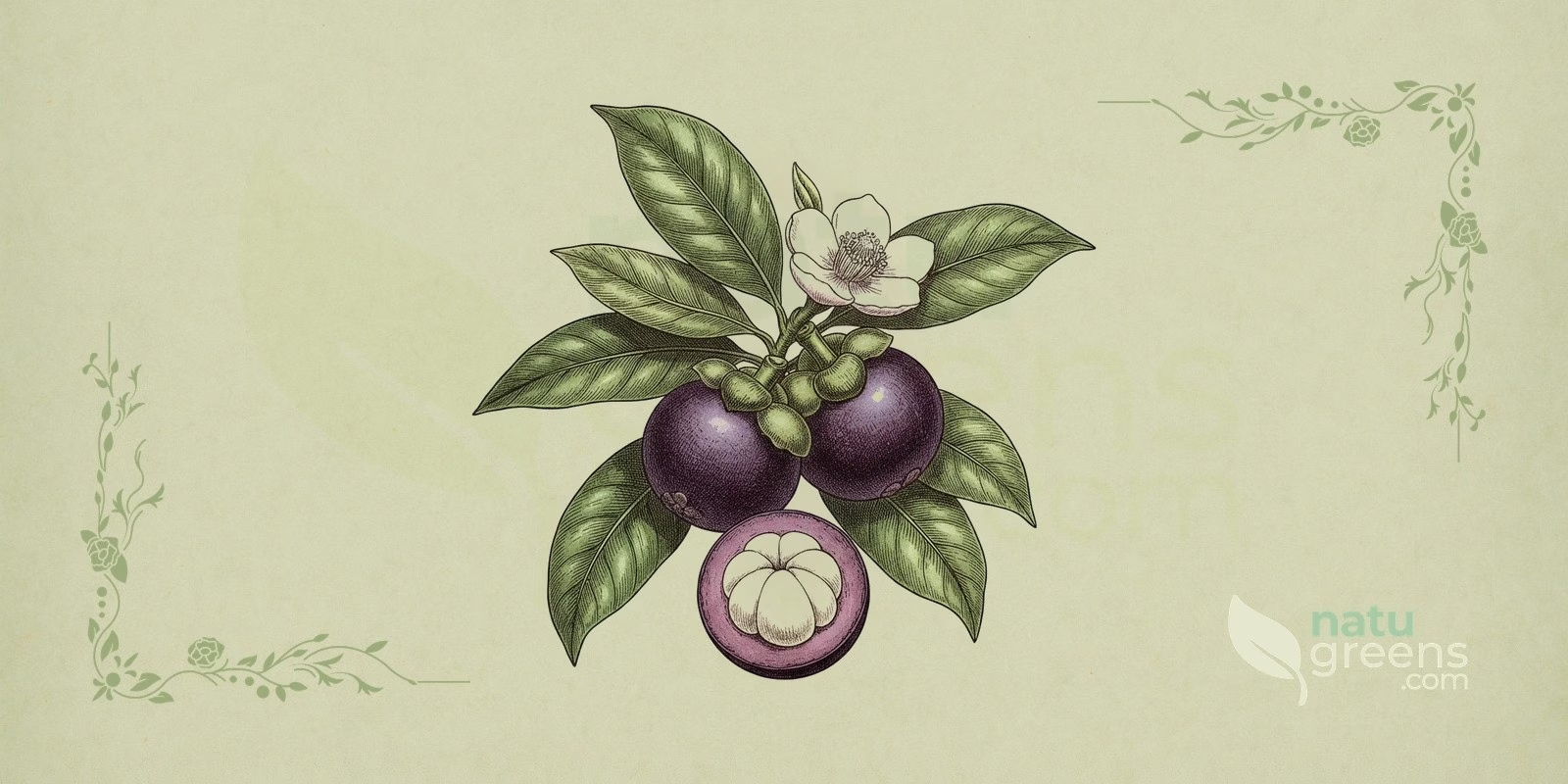
Scientific interest in the plant centers on the phytochemical makeup of the pericarp, which is rich in xanthones, a group of compounds credited in laboratory settings with antioxidant and anti-inflammatory activity. Many of the traditional uses are being investigated in laboratory and animal studies, while clinical trials in humans are still few in number and small in size, so these findings cannot be taken as proof of efficacy. Thanks to its delicate and exotic flavor, the fruit is often called the “Queen of Fruits” in the countries where it is grown and in international trade as well.
Popular and International Names of Mangosteen
The names of the fruit in the major languages are strikingly similar to one another, which makes it easy to recognize the species on labels, in markets and in foreign publications, as the list below shows.
- English: mangosteen, purple mangosteen.
- Spanish: mangostán, mangostín, mangostino.
- Portuguese: mangostão, mangostim.
- French: mangostier, mangoustan, mangoustanier.
- Italian: mangostano.
- German: Mangostane.
Botanical Synonyms of Garcinia mangostana
Mangostana garcinia Gaertn. is the botanical synonym recorded for the species in taxonomic databases. The name accepted by most botanical authorities, including World Flora Online, remains Garcinia mangostana L., and it is under this name that the plant appears in nearly all pharmacological and phytochemical publications, so the synonym is useful mainly for tracking down older botanical works.
Botanical Family: Clusiaceae
The Clusiaceae family, also known by the alternative name Guttiferae, comprises flowering plants distributed across about 14 genera and more than 600 species. Older classifications took it in a broad sense that also included the plants now placed in the separate family Hypericaceae. Predominantly tropical and subtropical, the family ranges from trees to shrubs and herbs, and many of its species stand out for their production of resins and bioactive compounds.
Mangosteen shares several morphological features typical of the family, such as opposite leaves and the presence of resin canals. The Clusiaceae are known for producing phytochemical compounds, above all xanthones, and this chemical diversity has driven intensive pharmacological research, with an impact on the development of herbal medicinal products and dietary supplements.
Parts of Mangosteen Used
Traditional medicine and the supplement industry make use of different parts of the tree, most notably the pericarp, the thick rind of the fruit, which holds most of the xanthones that have been studied by science.
- Fruit (pulp)
- Leaves
- Rind (pericarp)
- Roots
- Seeds
Ethnobotanical and Traditional Uses
Ethnobotanical records from Southeast Asia and scientific reviews of the species cite the traditional use of mangosteen, particularly of the pericarp, in the situations listed below. These are folk uses with no clinical proof behind them, and conditions such as cholera, dysentery and persistent fever require medical care.
- Abdominal pain relief
- Cholera
- Cystitis
- Diarrhea, including chronic diarrhea
- Dysentery
- Fever
- Gum infections
- Inflammation
- Menstrual disorders
- Muscle strength (popular use in modern supplements)
- Obesity (popular use in modern supplements)
- Oral hygiene, in toothpastes
- Skin infections
- Wounds
Therapeutic Properties of Mangosteen
The activities listed below were described, for the most part, in laboratory and animal studies using pericarp extracts or isolated xanthones such as alpha-mangostin, and they are not equivalent to proven effects from eating the fruit or drinking the tea.
- Adjunctive use in schizophrenia (investigated in preliminary clinical studies, with no established recommendation; does not replace psychiatric treatment)
- Antiallergic (reduction of allergic reactions observed in laboratory studies)
- Antibacterial (activity against bacteria observed in the laboratory)
- Antidepressant (effect investigated only in preliminary studies)
- Anti-inflammatory (traditional record and effect observed in experimental studies)
- Antimalarial (activity against the malaria parasite observed in the laboratory)
- Antimicrobial (activity against microorganisms observed in the laboratory)
- Antioxidant (free radical scavenging observed in laboratory studies)
- Antiparasitic (activity against parasites observed in the laboratory)
- Antiproliferative (activity observed in laboratory studies, without clinical proof)
- Antiviral (activity against viruses observed in the laboratory)
- Effect on body composition (possible support for weight management, investigated in preliminary studies)
- Effect on insulin sensitivity (investigated in preliminary studies; does not replace medical monitoring of blood glucose)
- Effect on physical fatigue (possible reduction of tiredness, reported in preliminary studies)
- Immunomodulatory (influence on the immune response observed in preliminary studies)
- Neuroprotective (protection of nerve tissue observed in experimental studies)
Detailed Phytochemical Profile of Mangosteen
The pericarp holds the most studied compounds of the species, chiefly the prenylated xanthones, of which alpha-mangostin and gamma-mangostin are the ones most often cited in the literature, alongside other groups of phenolic substances.
- Alpha-mangostin
- Anthocyanins
- Benzophenones
- Bioflavonoids
- Gamma-mangostin
- Polyphenols
- Xanthones
Preparation and Administration Forms of Mangosteen
The fresh fruit is eaten as food, while the dried pericarp serves as the basis for teas, powders, extracts and tinctures, whose concentration varies widely from one product to another and should be assessed with a healthcare professional before any medicinal use.
- Desserts and pies (fruit pulp)
- Extracts (from the pericarp)
- Fresh fruit consumption (pulp)
- Infusion (tea made from the pericarp, the leaves or the bark)
- Juices and smoothies (fruit pulp)
- Powder (from the dried, ground pericarp)
- Tinctures
Synergy with Other Medicinal Plants
The combinations described below appear in commercial formulations and in experimental studies, but none of them has established clinical efficacy, and anyone taking medication should keep in mind that each added plant brings its own interactions and contraindications.
Combination with Green Tea
Mangosteen combined with Camellia sinensis (green tea) is used in antioxidant formulations, based on the hypothesis that the phenolic compounds of the two plants act in a complementary way against oxidative stress. The data behind this idea come mainly from laboratory assays, and any long-term health benefit of the blend has yet to be demonstrated in humans.
Combination with Turmeric
Mangosteen also appears alongside Curcuma longa (turmeric) in wellness formulations, and experimental studies suggest that mangosteen xanthones and turmeric curcuminoids may have complementary activities of an antimicrobial, anti-inflammatory, antioxidant and lipid-lowering nature. These results, which are still preliminary, do not justify using the combination as a substitute for medical follow-up in cases of inflammation or abnormal blood lipid levels, and the pairing calls for extra caution in people taking anticoagulants.
Combination in Weight Management Formulations
Some formulations intended for weight management combine mangosteen with Sphaeranthus indicus, a plant with a history of traditional use in India, in the expectation of effects on lipid and energy metabolism. Studies on this combination are still few and short in duration, so it should not be regarded as a treatment for obesity, especially by people with liver disease, a condition in which Garcinia-based products call for caution.
Recipes and Usage Protocols of Mangosteen
Traditional Mangosteen Pericarp Infusion
This infusion reproduces a preparation recorded in the traditional medicine of Southeast Asia, where the dried pericarp is traditionally used in cases of diarrhea. It is contraindicated during pregnancy and breastfeeding and should not be given to young children, for whom no safety data are available.
Ingredients:
- 1 tablespoon of dried, chopped mangosteen pericarp
- 250 ml of boiling water
Method of Preparation:
- Place the mangosteen pericarp in a cup.
- Pour the boiling water over the pericarp.
- Cover and let it steep for 10 to 15 minutes.
- Strain and drink while warm.
Dosage: Consult a healthcare professional to determine the daily amount suited to your case, and do not exceed 3 days of continuous use without professional guidance. Diarrhea accompanied by fever, blood in the stool or signs of dehydration requires medical care, and replacing lost fluids remains the main measure in these situations.
Refreshing Mangosteen Juice
This is a simple culinary preparation made with the pulp of the fruit, which is eaten as a fresh food in the regions where the species originated. People with diabetes should take the natural sugar of the fruit into account, and daily, prolonged consumption of large amounts of commercial mangosteen juice should be avoided, since severe lactic acidosis has been reported in association with this habit.
Ingredients:
- Pulp of 2 to 3 mangosteen fruits
- 100 ml of filtered water or coconut water
- Honey or sweetener to taste (optional; do not give honey to children under 1 year of age)
Method of Preparation:
- Remove the pulp from the mangosteen fruits.
- Place the pulp in a blender with the water or coconut water.
- Blend until the mixture is smooth.
- Strain if you prefer, and add honey or sweetener to taste.
- Serve chilled.
Dosage: Drink 1 to 2 glasses a day as part of a balanced diet.
The preparations above follow traditional records and do not replace professional guidance. Before any internal use, check the contraindications and interactions described in this article.
Associated Therapies
Western Herbal Medicine
In Western herbal medicine, mangosteen is valued mainly for the antioxidant, anti-inflammatory and antimicrobial activities that laboratory studies attribute to its xanthones. Pericarp extracts and supplements are marketed with the aim of supporting general health and the immune response, although these indications rest more on experimental data than on robust clinical trials. Research has explored the potential of the species in cardiovascular health, blood sugar control and inflammatory conditions, and the plant is often included in formulations aimed at digestive well-being and skin care.
Traditional Asian Medicine
Mangosteen has a long history of use in traditional Asian medicine, where the pericarp is traditionally employed in cases of diarrhea, dysentery, skin infections, wounds and inflammation. Decoctions of the bark and leaves appear in the records as a remedy for fevers and urinary complaints, while the fruit is eaten both as food and as a general tonic. The records also include its use in cholera and other infectious diseases, a practice that reflects local empirical knowledge and that today does not replace medical care, which is essential in such cases.
Contraindications and Side Effects of Mangosteen
Mangosteen (Garcinia mangostana) contains xanthones with a possible interaction with cytochrome P450 enzymes, such as CYP3A4, and with immunosuppressant drugs. These substances are concentrated mainly in the pericarp and in extracts, which makes it essential to talk to a healthcare professional before any medicinal use of the plant.
Contraindications
- Blood Clotting Disorders: People with clotting problems or who take anticoagulants such as warfarin should be cautious, because mangosteen xanthones may influence blood clotting and increase the risk of bleeding.
- Diabetes: Although mangosteen extracts are being studied for blood sugar control, the fresh fruit contains sugars, and people with diabetes should monitor their blood glucose and consult a healthcare professional before consuming large amounts.
- Hypersensitivity: People with a known allergy to any component of mangosteen should avoid consuming it.
- Liver Disease: Caution is advised in cases of liver disease, as Garcinia-based products are suspected of being harmful to the liver, although most of the concerns relate to Garcinia cambogia.
- Pregnancy and Breastfeeding: Mangosteen is contraindicated during pregnancy and breastfeeding, and its medicinal use should be avoided throughout this entire period.
- Surgery: Because of its potential to slow blood clotting, medicinal use of mangosteen should be stopped at least two weeks before any surgical procedure.
- Young Children: There are no safety data for young children, so mangosteen teas, extracts and supplements should not be given to them.
Drug Interactions
- Anticoagulants and Antidepressants: Caution is needed with drugs that depend on these enzymes, such as anticoagulants and some antidepressants, because their levels may be altered; in laboratory studies, xanthone derivatives from mangosteen extract inhibited several cytochrome P450 isoforms.
- Hypoglycemic Drugs: People taking diabetes medication should monitor their blood glucose closely, given the possibility of an effect added to that of the extracts studied for blood sugar control.
- Immunosuppressants: People taking immunosuppressants should consult their doctor first, because mangosteen may have an additive immunosuppressive effect when used with these drugs, although the clinical relevance of this interaction is not yet fully understood.
- Psychiatric Treatment: Studies on adjunctive use in schizophrenia are preliminary, and anyone undergoing psychiatric treatment should not combine mangosteen extracts with their medication without guidance from their psychiatrist.
Common Side Effects
- Digestive Problems: In some people, mangosteen consumption may cause constipation, bloating, nausea and vomiting, especially at high doses.
- Fatigue: There are occasional reports of fatigue associated with the consumption of mangosteen.
Rare Effects
- Allergic Reactions: Although rare, allergic reactions may occur in sensitive individuals.
- Headaches and Dizziness: In very rare cases, headaches and dizziness may occur.
- Lactic Acidosis: Severe lactic acidosis has been reported in a person who drank mangosteen juice daily over a prolonged period, so very high doses or prolonged use of concentrated juices and extracts of Garcinia mangostana call for caution.
Historical Notes and Interesting Facts
Mangosteen is often nicknamed the “Queen of Fruits”, a title popularized by a curious legend according to which Queen Victoria offered a reward to anyone who could bring her a fresh mangosteen, no easy task given how perishable the fruit is. The story lacks documentary evidence, but it helped create the aura of exclusivity and royalty that still surrounds the fruit today.
Native to Southeast Asia, with its strongest presence in countries such as Malaysia, Indonesia, Thailand and the Philippines, mangosteen was scientifically described by Carl Linnaeus in 1753, and the exact origin of the cultivated form is still debated by botanists, who are investigating its relationship with related wild species of the genus Garcinia. The tree is known for its slow growth, taking 8 to 15 years to bear fruit, which makes it a long-term crop. Beyond its medicinal uses, the rind of the fruit was traditionally used to make dyes and to dye leather, evidence of the versatility of the plant in the cultures that adopted it.
Frequently Asked Questions about Mangosteen
Does Mangosteen Tea Help with Weight Loss?
There is no proof that mangosteen tea leads to weight loss. Some preliminary research suggests that xanthones from the pericarp may influence lipid metabolism, and the plant appears in weight management formulations, but the studies are still few and short in duration. At best, mangosteen would be a complement to a balanced diet and an active lifestyle, never a substitute for them.
How Does Traditional Medicine Use Mangosteen?
In traditional Asian medicine, the pericarp is used mainly in cases of diarrhea and dysentery, as well as for skin infections, wounds and inflammation. In the laboratory, the xanthones found in the rind of the fruit show antioxidant, anti-inflammatory and antimicrobial activity, which explains the scientific interest in the species, although these results have not yet been confirmed in large clinical trials.
Are There Contraindications for Mangosteen?
Yes. Mangosteen is contraindicated during pregnancy and breastfeeding, there are no safety data for young children, and people with hypersensitivity to its components should avoid it. Anyone with a clotting disorder or taking anticoagulants needs to be cautious, medicinal use should be stopped at least two weeks before surgery, and people with diabetes or liver disease should consult a healthcare professional. At high doses, effects such as constipation, nausea and fatigue may occur.
Does Mangosteen Interact with Medications?
It may, because mangosteen xanthones have a possible interaction with cytochrome P450 enzymes, such as CYP3A4, and with immunosuppressant drugs. Caution is therefore needed with drugs that depend on these enzymes, such as anticoagulants and some antidepressants, because their levels may be altered, and people taking immunosuppressants should consult their doctor before using any preparation of the plant. People on hypoglycemic drugs should also monitor their blood glucose with extra care.
How Do You Prepare Mangosteen Tea?
The traditional preparation uses one tablespoon of dried, chopped pericarp for 250 ml of boiling water, leaving the cup covered for 10 to 15 minutes before straining. The daily amount should be determined with a healthcare professional, use should not exceed 3 consecutive days without guidance, and the tea is contraindicated during pregnancy and breastfeeding and for young children.
Where Can I Find Mangosteen and Mangosteen Products?
Fresh mangosteen can be found in markets that specialize in tropical fruit, especially during the harvest season. Extracts, powders and teas made from the pericarp are sold in health food stores, compounding pharmacies and online, and it is best to choose reliable suppliers that state the origin and composition of the product on the label, to ensure its quality and purity.
Notice: this content is for informational purposes and does not replace professional medical advice. Consult a physician or herbal practitioner before using medicinal plants, especially during pregnancy, breastfeeding, or alongside medication.
References and Scientific Studies
- PMC2019 Aizat WM, et al. Recent updates on metabolite composition and medicinal benefits of mangosteen plant. PeerJ. 2019.
- PMC2023 Bi C, et al. Botanical characteristics, chemical components, biological activity, and potential applications of mangosteen. PeerJ. 2023.
- PMC2009 Foti RS, et al. In vitro inhibition of multiple cytochrome P450 isoforms by xanthone derivatives from mangosteen extract. Drug Metabolism and Disposition. 2009.
- PMC2017 Ovalle-Magallanes B, et al. Medicinal properties of mangosteen (Garcinia mangostana L.): A comprehensive update. Food and Chemical Toxicology. 2017.
- PMC2008 Pedraza-Chaverri J, et al. Medicinal properties of mangosteen (Garcinia mangostana). Food and Chemical Toxicology. 2008.
- PMC2008 Wong LP, Klemmer PJ. Severe lactic acidosis associated with juice of the mangosteen fruit Garcinia mangostana. American Journal of Kidney Diseases. 2008.
- PMC2023 Yao TL, et al. The origin of cultivated mangosteen (Garcinia mangostana L. var. mangostana): Critical assessments and an evolutionary-ecological perspective. Ecology and Evolution. 2023.