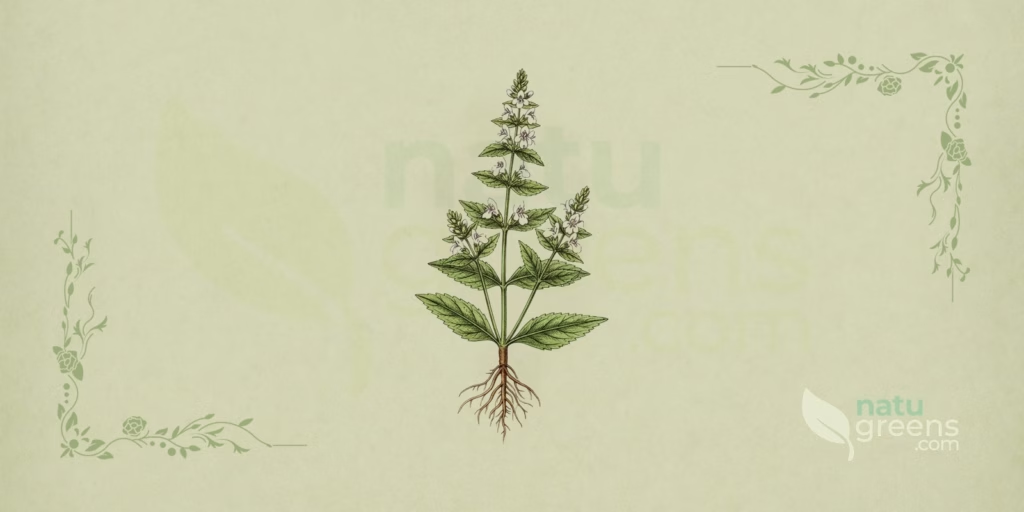
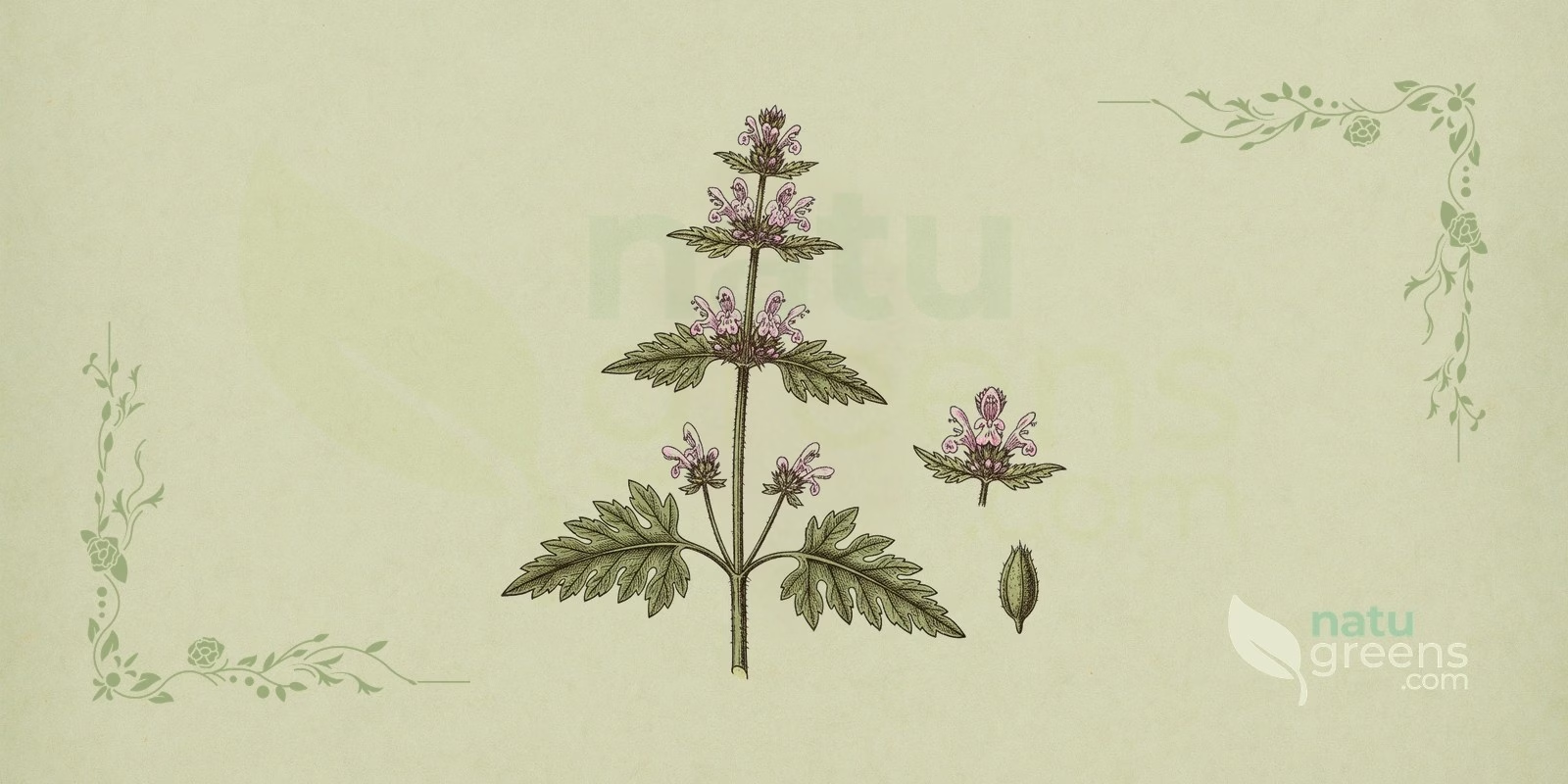
Leonurus cardiaca L. / Motherwort, also known by the folk names heartwort and lion’s tail, is a perennial herbaceous plant of the Lamiaceae family, described by Carl Linnaeus in 1753. Native to southeastern Europe and Central Asia, the species has spread to other parts of the world, carried along by cultivation tied to its medicinal uses. Motherwort has been used for many centuries in traditional European medicine and appears in old herbals, whose authors recorded its use as a plant to support the heart and the nerves. Its flowers, arranged in whorls in the leaf axils, and the aerial parts are harvested at full bloom to prepare infusions, tinctures, extracts and other herbal products.
In the herbal tradition, motherwort holds a prominent place as a calming and cardiotonic plant, and its traditional applications range from palpitations and other mild heart complaints to anxiety and insomnia. The plant has a varied phytochemical makeup, with alkaloids such as stachydrine and leonurine (the presence of the latter has been questioned in chromatographic analyses of the species), along with flavonoids and iridoids, which are thought to account for part of the anti-inflammatory, antioxidant and sedative activities observed in the laboratory. Modern research is looking into several of these traditional uses and has gathered promising results in experimental models, but human studies are still few, which makes motherwort a well-documented plant of European herbal medicine rather than a substitute for medical treatment.
Popular and International Names of Motherwort
- English: heartwort, lion’s ear, lion’s tail, motherwort, throw-wort.
- Spanish: agripalma, cardíaca.
- Portuguese: agripalma, cardíaca, erva-do-coração, orelha-de-leão, rabo-de-leão.
- French: agripaume cardiaque.
- Italian: cardiaca comune.
- German: Echtes Herzgespann, Löwenschwanz.
Botanical Synonyms of Leonurus cardiaca
Leonurus cardiaca L. has accumulated a number of botanical synonyms over time, a reflection of the successive revisions of its taxonomic classification. Although Leonurus cardiaca L. is the name accepted by most botanical authorities, including databases such as The Plant List and World Flora Online, other names still turn up frequently in the scientific and historical literature, and the most often cited are gathered in the list below.
- Cardiaca crispa (Murray) Moench
- Cardiaca glabra Gilib.
- Cardiaca stachys Medik.
- Cardiaca trilobata Lam.
- Cardiaca vulgaris Moench
- Lamium cardiaca (L.) Baill.
- Leonurus aconitifolius Scheidw.
- Leonurus campestris Andrz. ex Benth.
- Leonurus cardiaca subsp. intermedius (Holub) Dostál
- Leonurus cardiaca var. adscendens K.Koch
- Leonurus cardiaca var. capitatus Wender.
- Leonurus cardiaca var. hirtella Holub
- Leonurus cardiaca var. intermedius Holub
- Leonurus cardiaca var. rotundifolia Zalewski
- Leonurus crispus Murray
- Leonurus discolor W.D.J.Koch
- Leonurus glabra (Gilib.) Gilib.
- Leonurus illyricus Benth.
- Leonurus intermedius Holub
- Leonurus lacerus Lindl.
- Leonurus multifidus Raf.
- Leonurus neglectus Schrank
- Leonurus ruderalis Salisb.
- Leonurus trilobatus (Lam.) Dulac
- Stachys triloba Stokes
Botanical Family: Lamiaceae
The Lamiaceae family, formerly called Labiatae, is one of the largest families of flowering plants, with about 236 genera and more than 7,000 species distributed worldwide. Square stems, opposite leaves and two-lipped flowers, often grouped in whorls, are its defining traits, and its members include plants of great economic, culinary and medicinal importance, such as mint, thyme, sage and rosemary.
Motherwort shares these typical morphological features of the family, starting with its square stem and two-lipped flowers. The Lamiaceae are known for producing bioactive compounds, above all essential oils and flavonoids, as well as alkaloids in some genera such as Leonurus itself, and this chemical diversity has been the subject of intense pharmacological research that contributes to the development of herbal medicines and dietary supplements.
Parts of Motherwort Used
Traditional preparations make use of the aerial parts harvested during flowering, and the leaves and flowers can also be used separately, depending on the chosen form of preparation.
- Aerial parts (stem, leaves and flowers)
- Flowers
- Leaves
Ethnobotanical and Traditional Uses
The uses gathered below belong to the plant’s traditional and historical record in Europe and are not equivalent to indications whose efficacy has been proven by clinical studies.
- Anxiety and nervousness, as a folk calming remedy.
- Childbirth, to calm the woman in labor (historical practice; today use during pregnancy is contraindicated because of the risk of uterine contractions).
- Melancholy and low spirits, described by Culpeper as “melancholy vapours from the heart” (historical record).
- Menstrual disorders such as dysmenorrhea and amenorrhea (traditional record of the emmenagogue effect, without proven efficacy; use during pregnancy is contraindicated).
- Palpitations and tachycardia (traditional record of European herbal medicine, which does not replace a cardiological evaluation).
- Protection against evil spirits (15th-century folklore).
Therapeutic Properties of Motherwort
The properties listed reflect traditional use and the results of experimental studies, generally carried out in the laboratory or in animals, since the clinical evidence in humans is still limited.
- Antiarrhythmic (effects on heart rhythm investigated in experimental models, without clinical confirmation)
- Antibacterial (activity against bacteria observed in vitro)
- Anti-inflammatory (activity observed in laboratory studies)
- Antioxidant (capacity to neutralize free radicals observed in the laboratory)
- Anxiolytic (traditional record of relief from nervous tension, with an effect observed in preliminary studies)
- Cardiotonic (traditional record as a heart tonic)
- Emmenagogue (traditional record of stimulating menstrual flow, without proven efficacy)
- Sedative (mild calming effect described in tradition and in preliminary studies)
- Uterotonic (traditional record of stimulating uterine contractions, the reason it is contraindicated in pregnancy)
Detailed Phytochemical Profile of Motherwort
The chemical makeup of motherwort brings together several classes of compounds, and the levels of each one vary with the plant’s origin, the harvest season and the type of extract analyzed.
- Alkaloids (stachydrine; leonurine, whose presence has been questioned in chromatographic analyses of the species)
- Diterpenoids
- Flavonoids (quercetin, rutin)
- Iridoid glycosides (leonuride)
- Tannins
- Triterpenes
- Vitamin A
- Volatile oils
Preparation and Administration Forms of Motherwort
Motherwort is available in different forms, and the choice among them, as well as the amount and duration of use, should be guided by a health professional, especially for people who already take heart medications or sedatives.
- Capsules
- Extracts
- Tea (infusion of the dried leaves)
- Tinctures
Synergy with Other Medicinal Plants
For Cardiovascular Health
In the European herbal tradition, motherwort is often paired with hawthorn (Crataegus monogyna), another plant traditionally used as a tonic for the heart and circulation. Herbalists describe the pair as complementary in the traditional record of mild palpitations, but the combination should only be considered under medical supervision, because the two plants can add up their effects on the heart and call for caution with digoxin and other heart medications.
For Anxiety and Sleep
Motherwort also appears combined with valerian (Valeriana officinalis) and passionflower (Passiflora incarnata), two plants traditionally used as relaxants and sleep aids. In this traditional record, motherwort contributes through its folk use for nervous tension, while the other two account for the effect on sleep, and the blend is recalled for cases of mild insomnia and nervousness. Since all three have a sedative effect, together they can cause marked drowsiness, which calls for caution with sedatives, alcohol and activities that require alertness.
For Female Hormonal Balance
Because of its traditional record as an emmenagogue and uterine stimulant, herbalists have combined motherwort with black cohosh (Actaea racemosa) or chasteberry (Vitex agnus-castus) in formulas traditionally used for menopausal symptoms, irregular cycles and menstrual cramps. These uses have no proven efficacy, and each plant in the combination has its own restrictions, so the blend requires professional guidance and is contraindicated during pregnancy, while breastfeeding and in cases of undiagnosed uterine bleeding.
Recipes and Usage Protocols of Motherwort
Traditional Motherwort Infusion for Moments of Tension
This simple infusion follows the traditional European record, in which motherwort tea is traditionally used to ease nervous tension at the end of the day, and it is not suitable for pregnant or breastfeeding women or for children.
Ingredients:
- 1 teaspoon of dried motherwort leaves (Leonurus cardiaca)
- 250 ml of boiling water
Preparation:
- Place the dried motherwort leaves in a cup.
- Pour the boiling water over the leaves.
- Cover and let steep for 10 to 15 minutes.
- Strain and drink warm.
Dosage: Tradition usually reserves the infusion for the evening, as part of a moment of relaxation, but the daily amount and the duration of use should be decided case by case, so consult a health professional before starting, especially if you take heart medications or sedatives.
Motherwort Tincture from the European Herbal Tradition
In the European herbal tradition, motherwort tincture is traditionally used as support for palpitations linked to nervousness, but because the heart is involved, this preparation should only be considered after a medical evaluation and never in place of prescribed medicines.
Ingredients:
- Motherwort tincture from a reliable source, with the concentration stated on the label
How to Use:
- Dilute the number of drops recommended by your health professional in a small glass of water.
- Take it at the frequency set out in that guidance, without increasing the dose on your own.
Dosage: The dose varies with the concentration of the tincture and each person’s condition, so there is no standard amount that is safe for everyone; consult a health professional, such as a physician or herbalist, before use, and remember that tinctures contain alcohol.
The preparations above follow traditional records and do not replace professional guidance. Before any internal use, check the contraindications and interactions described in this article.
Associated Therapies
Aromatherapy
Motherwort essential oil is uncommon, but the dried plant can find a place in aromatherapy in the form of sachets or compresses, since the mild scent of the leaves helps create a relaxing atmosphere and is associated in tradition with reduced stress and anxiety. Warm compresses made with the infusion and applied to the chest are remembered as a source of comfort and well-being, but they serve only as a complementary practice and do not replace proper care for persistent nervous conditions.
Herbal Medicine
In herbal medicine, motherwort is used in various pharmaceutical forms, such as infusions, tinctures and extracts, and tradition associates it with mild heart complaints, anxiety, menstrual problems and nervousness. Western herbalism values the plant for an action regarded as gentle, which does not rule out caution, since there are not enough safety data for children and its use is contraindicated during pregnancy and breastfeeding. Current research is investigating these traditional uses and exploring new applications, although most of them have not been confirmed in large clinical trials.
Homeopathy
In the homeopathic materia medica, Leonurus cardiaca is associated with palpitations, anxiety and irritability, particularly when these are linked to menstrual changes or menopause. Homeopathy is based on the principle of similars, according to which a substance that causes symptoms in healthy people is given in minimal doses for similar symptoms in sick people, and in this practice motherwort is valued for the action attributed to it on the nervous and cardiovascular systems. These uses belong to the homeopathic tradition and have no efficacy demonstrated in clinical studies, so palpitations always require a medical evaluation.
Contraindications and Side Effects of Motherwort
Motherwort is contraindicated during pregnancy, because of the risk of uterine contractions and miscarriage, and it is also contraindicated while breastfeeding. Do not use it in cases of undiagnosed uterine bleeding, since the plant is traditionally used as an emmenagogue and uterotonic, that is, to stimulate menstrual flow and contractions of the uterus; this emmenagogue effect belongs to the traditional record, without proven efficacy, but the risk of uterine stimulation is enough to justify these restrictions. People taking digoxin and other heart medications should use caution, because of the effect on the heart, and the same caution applies to sedatives.
Beyond these cases, the plant can also cause side effects, especially at high doses or in sensitive people, so it should be used with caution and preferably under the guidance of a qualified health professional.
Main Contraindications
- Bleeding Disorders and Surgery: People with blood clotting disorders or who are scheduled for surgery should avoid motherwort because of the possible increase in bleeding.
- Breastfeeding: Use is contraindicated while breastfeeding, as there are not enough data on its safety for the baby.
- Children: There are not enough safety data for use in children, which should be avoided without professional guidance.
- Pregnancy: Use is contraindicated during pregnancy because of the risk of uterine contractions and miscarriage, including premature labor.
- Severe Heart Disease: People with bradycardia (slow heart rate), hypotension (low blood pressure) or other serious heart conditions should avoid motherwort, which may worsen these conditions and interfere with cardiovascular medications.
- Undiagnosed Uterine Bleeding: Do not use in cases of undiagnosed uterine bleeding, since the stimulation of menstrual flow described in tradition may aggravate the condition and delay the investigation of its cause.
Drug Interactions
- Anticoagulants: Motherwort may interact with anticoagulants such as warfarin and increase the risk of bleeding, so concurrent use should be avoided.
- Digoxin and Other Heart Medications: Use caution with digoxin and other heart medications, because of the effect on the heart; the combination should only take place under medical supervision.
- Sedatives: Use caution with sedatives, anxiolytics and alcohol, as the sedative properties of motherwort may add to those of these products and intensify drowsiness.
Common Side Effects
- Allergic Reactions: Although rare, they can occur in people sensitive to plants of the Lamiaceae family.
- Drowsiness: Because of its sedative properties, the plant may cause drowsiness, especially at higher doses.
- Gastrointestinal Disorders: In some people, consuming motherwort may cause diarrhea, stomach pain, nausea or gastric irritation.
- Uterine Bleeding: Excessive or prolonged use may lead to abnormal uterine bleeding or heavier menstrual flow.
Historical Notes and Interesting Facts
Origins and Nomenclature
The scientific name Leonurus cardiaca is quite descriptive, since Leonurus comes from the Greek leon (lion) and oura (tail), a reference to the leaves or inflorescences that resemble a lion’s tail, while cardiaca, from the Greek kardia (heart), alludes to the plant’s traditional uses in heart ailments. This etymology reflects the long history of motherwort in folk medicine, where it was regarded as a tonic for the heart and a remedy for emotional well-being.
Historical Use in European Monasteries
Motherwort has a long history of use in Europe that goes back to the Middle Ages, when it was often grown in monastery gardens and used by monks and herbalists against a variety of ailments. Nicholas Culpeper, the famous 17th-century English botanist and herbalist, praised the plant for its power to drive “melancholy vapours from the heart” and to “make a merry, cheerful, blithe soul”, which shows the role it played in emotional and cardiovascular support at the time. The plant was also associated with protection against evil spirits, a sign of its cultural and mystical importance.
Motherwort and Women’s Health
One of the most notable uses of motherwort throughout history was in support of women’s health, and its English common name, motherwort (literally “mother’s herb”), reflects its traditional use to help women during childbirth, relieve menstrual cramps and regulate irregular cycles. Modern research is still exploring these uses, which remain within the traditional record, and it is now known that the same uterine stimulation behind this reputation makes the plant contraindicated during pregnancy. Even so, motherwort’s standing as a woman’s ally persists in European popular culture, as a symbol of comfort and support through the different stages of a woman’s life.
Frequently Asked Questions about Motherwort
Can Motherwort Be Used for Anxiety?
Motherwort is traditionally used to relieve symptoms of anxiety and nervousness, and preliminary studies, mostly carried out in the laboratory and in animals, suggest that its extracts may have an anxiolytic effect. Research in humans is still limited, so it is advisable to consult a health professional before using the plant for this purpose, especially if you are already taking sedatives or other medications.
What Does Tradition Say about Motherwort and the Heart?
Tradition attributes cardiotonic properties to motherwort and uses it for palpitations and mild disturbances of heart rhythm, while laboratory studies have observed antioxidant and anti-inflammatory effects of interest for cardiovascular health. These findings do not replace medical treatment of heart disease, and anyone taking digoxin or other heart medications should be cautious and talk to their doctor before trying the plant.
What Are the Side Effects of Motherwort?
The use of motherwort may cause diarrhea, stomach pain, drowsiness and uterine bleeding, especially at high doses. The plant is contraindicated during pregnancy and breastfeeding and should be used with caution by people with heart disease or those taking anticoagulants, because of the risk of interactions, so always seek professional guidance before using it.
How Is Motherwort Usually Prepared?
Motherwort can be prepared as an infusion of the dried leaves, as a tincture or as an extract. In the traditional infusion, one teaspoon of dried leaves goes into 250 ml of boiling water and steeps for 10 to 15 minutes, while tinctures and extracts should follow the manufacturer’s instructions or the guidance of a health professional.
Does Motherwort Interact with Other Medications?
Yes, and the greatest concern is with anticoagulants such as warfarin, whose concurrent use should be avoided because of the increased risk of bleeding. Caution is also needed with digoxin and other heart medications, because of the effect on the heart, and with sedatives, so always tell your doctor or pharmacist about all the supplements and medications you take.
Can Pregnant and Breastfeeding Women Use Motherwort?
No, motherwort is contraindicated during pregnancy, because of the risk of uterine contractions and miscarriage, and it is also contraindicated while breastfeeding, owing to the lack of safety data for the baby. The plant’s emmenagogue effect belongs to the traditional record and has no proven efficacy, but the uterine stimulation described in tradition is reason enough not to use it during these periods or in cases of undiagnosed uterine bleeding.
Notice: this content is for informational purposes and does not replace professional medical advice. Consult a physician or herbal practitioner before using medicinal plants, especially during pregnancy, breastfeeding, or alongside medication.
References and Scientific Studies
View All 10 Cited References
Peer-Reviewed Scientific Studies (9)
- PMC2021 Angeloni S, et al. Phytochemical Profile and Biological Activities of Crude and Purified Leonurus cardiaca Extracts. Plants (Basel). 2021.
- PMC2010 Fierascu RC, et al. Leonurus cardiaca L. as a Source of Bioactive Compounds: An Update of the European Medicines Agency Assessment Report (2010). Biomed Res Int. 2019.
- PMC2021 Koshovyi O, et al. Phytochemical and Psychotropic Research of Motherwort (Leonurus cardiaca L.) Modified Dry Extracts. Plants (Basel). 2021.
- PMC2012 Kuchta K, et al. Leonurus japonicus, Leonurus cardiaca, Leonotis leonurus: a novel HPLC study on the occurrence and content of the pharmacologically active guanidino derivative leonurine. Pharmazie. 2012.
- PMC2013 Kuchta K, et al. Stachydrine in Leonurus cardiaca, Leonurus japonicus, Leonotis leonurus: detection and quantification by instrumental HPTLC and 1H-qNMR analyses. Pharmazie. 2013.
- PMC2015 Rauwald HW, et al. GABAA Receptor Binding Assays of Standardized Leonurus cardiaca and Leonurus japonicus Extracts as Well as Their Isolated Constituents. Planta Med. 2015.
- PMC2010 Ritter M, et al. Cardiac and electrophysiological effects of primary and refined extracts from Leonurus cardiaca L. (Ph.Eur.). Planta Med. 2010.
- PMC2011 Shikov AN, et al. Effect of Leonurus cardiaca oil extract in patients with arterial hypertension accompanied by anxiety and sleep disorders. Phytother Res. 2011.
- PMC2013 Wojtyniak K, et al. Leonurus cardiaca L. (motherwort): a review of its phytochemistry and pharmacology. Phytother Res. 2013.
Supplementary Readings (1)
- 2025 World Flora Online. Leonurus cardiaca L.. Acesso em: 11 out. 2025.