Quick summary
Opuntia ficus-indica (L.) Mill. / Prickly Pear, commonly known as prickly pear, cactus pear or nopal, is a perennial shrubby cactus in the Cactaceae family. The name prickly pear refers to both the plant and its fruit. Native to central Mexico, this succulent has been cultivated and domesticated for millennia and has…
Main caution: Although Opuntia ficus-indica is generally considered safe as a food, there are contraindications to keep in mind. People with a known allergy to cacti or to any component of the plant should avoid using it. Prickly…
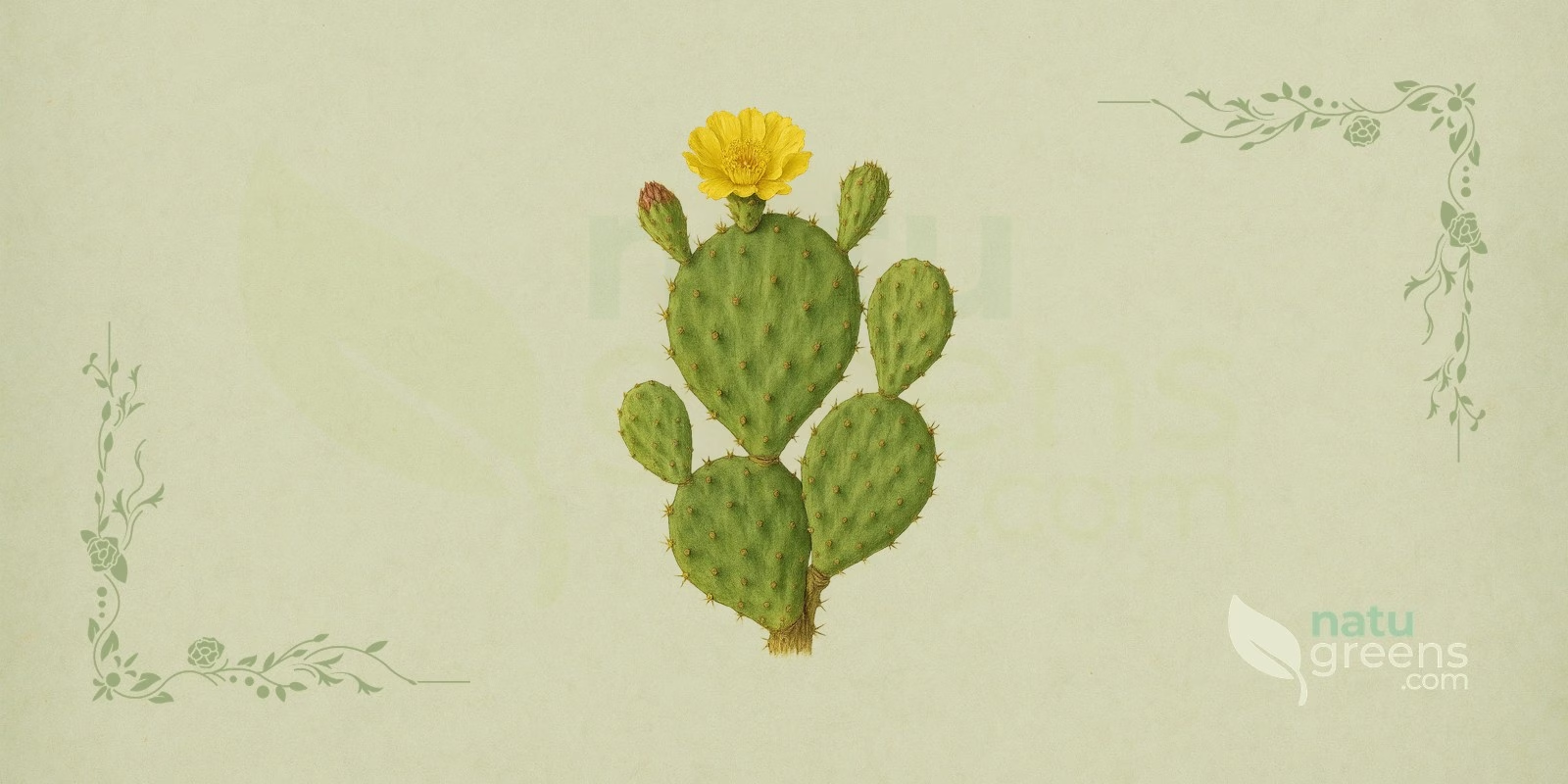
Opuntia ficus-indica (L.) Mill. / Prickly Pear, commonly known as prickly pear, cactus pear or nopal, is a perennial shrubby cactus in the Cactaceae family. The name prickly pear refers to both the plant and its fruit. Native to central Mexico, this succulent has been cultivated and domesticated for millennia and has spread to many arid and semi-arid regions of the world, especially around the Mediterranean. Known for its remarkable ability to adapt to harsh environments, Opuntia ficus-indica is valued both for its edible fruits, the tunas, and for its young cladodes, known as nopales, which are eaten as a vegetable. The species also holds a prominent place in traditional medicine, which uses it for a variety of health complaints.
The versatility of Opuntia ficus-indica is tied to its phytochemical composition, which brings together vitamins, minerals, fiber and bioactive compounds such as betalains, flavonoids and polyphenols. Studies attribute antioxidant, anti-inflammatory and hypoglycemic activities to these compounds, among others. Historically, folk tradition has turned to the plant for gastrointestinal disorders, for managing blood sugar levels and for wound healing. Modern scientific research continues to investigate the potential of this species, seeking to determine which of these traditional uses hold up and opening the way to new applications in health and nutrition.
Popular and International Names of Prickly Pear
As with many plants cultivated for centuries across several continents, prickly pear has gathered names that, depending on the language and region, sometimes set the plant, as with nopal and palma, apart from the fruit, which is called tuna in several countries.
- English: Barbary fig, cactus pear, Indian fig opuntia, prickly pear, spineless cactus.
- French: cactus-raquette, figuier de Barbarie, nopal.
- German: Feigenkaktus, Indische Feige, Kaktusfeige.
- Italian: fico d’India, opunzia, pala di fico d’India.
- Portuguese: figo-da-índia, nopal, palma, palma-forrageira, tabaibo, tuna.
- Spanish: chumbera, higo chumbo, nopal (plant), tuna (fruit).
Botanical Synonyms of Opuntia ficus-indica
The taxonomy of Opuntia ficus-indica has accumulated a number of botanical synonyms over time, reflecting the complexity and evolution of studies on the genus Opuntia. The accepted name, Opuntia ficus-indica (L.) Mill., derives from Cactus ficus-indica, described by Linnaeus and later transferred by Philip Miller to the genus Opuntia, and the most frequently cited synonyms include the following:
- Cactus decumanus Willd.
- Cactus ficus-indica L.
- Opuntia amyclaea Ten.
- Opuntia cordobensis Speg.
- Opuntia decumana (Willd.) Haw.
- Opuntia ficus-barbarica A.Berger
- Opuntia gymnocarpa F.A.C.Weber
- Opuntia hispanica Griffiths
- Opuntia maxima Mill.
- Opuntia megacantha Salm-Dyck
- Opuntia paraguayensis K.Schum.
Botanical Family: Cactaceae
Opuntia ficus-indica belongs to the Cactaceae family, a group of succulent plants widely recognized for their ability to survive in arid and semi-arid environments. The family is characterized by areoles, specialized structures from which spines, glochids and flowers emerge. Cacti are native to the Americas, with remarkable diversity in Mexico, and they span a vast range of shapes and sizes, from small globular cacti to large tree-like species.
The drought adaptation of cacti is favored by mechanisms such as crassulacean acid metabolism (CAM), which allows the stomata to open at night to reduce water loss through transpiration. The succulent stems store large amounts of water, while the thick, waxy epidermis helps reflect sunlight and reduce evaporation. The family has great ecological, economic and cultural importance, since many of its species are used as food, fodder, ornamental plants and resources in traditional medicine.
Parts of Prickly Pear Used
In cooking and traditional preparations, the most commonly used parts of prickly pear are the following:
- Flowers
- Fruits (tunas)
- Seeds
- Young cladodes (nopales), the flattened stem segments commonly called pads or cactus leaves
Ethnobotanical and Traditional Uses
Ethnobotanical records bring together food and medicinal uses of the plant in different regions, and the items below describe traditional uses, not indications of proven efficacy:
- Burns and skin wounds, in traditional topical application
- Catarrhal gastritis, in traditional records of use
- Edema, in traditional records of use
- Hemorrhoids, in a traditional record from Ethiopia
- Human food and animal fodder
- Hyperlipidemia and obesity, as traditional dietary support
Therapeutic Properties of Prickly Pear
The properties listed below have been described mainly in laboratory studies and preliminary trials, so they point to lines of research rather than guaranteed effects in everyday use:
- Antibacterial (inhibition of bacterial growth observed in laboratory studies)
- Anti-inflammatory (reduction of inflammatory processes described in preliminary studies)
- Antioxidant (protection of cells against oxidative damage observed in experimental trials)
- Antiproliferative (activity observed in laboratory studies, without clinical confirmation)
- Antiviral (activity reported in experimental studies, not confirmed in humans)
- Cardioprotective (effect on cardiovascular risk factors investigated in preliminary studies)
- Hepatoprotective (liver protection observed in experimental studies)
- Hypocholesterolemic (cholesterol reduction reported in preliminary studies)
- Hypoglycemic (effect on blood glucose documented in studies, which may add to that of diabetes medications)
- Immunomodulatory (modulation of the immune response in experimental studies)
- Neuroprotective (protection of the nervous system investigated in laboratory studies)
Detailed Phytochemical Profile of Prickly Pear
Composition varies with the part of the plant, the variety and growing conditions, but the groups of compounds most often described in the literature on prickly pear are the following:
- Ascorbic acid (vitamin C)
- Betalains (betanin, indicaxanthin)
- Carotenoids (β-carotene, α-cryptoxanthin, lutein)
- Flavonoids (isorhamnetin, kaempferol, quercetin)
- Linoleic acid
- Minerals (calcium, magnesium, phosphorus, potassium, selenium)
- Polyphenols
- Proteins
- Saponins
- Tannins
Betalains, with reddish-purple betanin and yellow-orange indicaxanthin, give the fruit pulp its color and are among the most studied pigments of the species, alongside flavonoids and other polyphenols.
Preparation and Administration Forms of Prickly Pear
Prickly pear reaches consumers both as food and in concentrated preparations, and the most common forms are the following:
- Capsules
- Extracts
- Juices
- Tea (infusion of the pads or flowers)
- Tinctures
Capsules, extracts and tinctures concentrate the plant’s compounds and therefore fall under the caution for medicinal use described in the contraindications, unlike eating the fruit and pads in culinary amounts.
Synergy with Other Medicinal Plants
Blood Sugar Balance Support
In formulations traditionally used to accompany blood sugar balance, Opuntia ficus-indica appears combined with plants such as cinnamon (Cinnamomum verum) or gymnema (Gymnema sylvestre). The idea is that the hypoglycemic compounds of prickly pear and the active principles of these other species complement each other in people with insulin resistance or type 2 diabetes. Because combining plants that lower glucose increases the risk of hypoglycemia, especially in people already taking diabetes medication, this combination should only be used with professional guidance and blood sugar monitoring.
Digestive Comfort
In the traditional record focused on digestive comfort, prickly pear is often paired with carminative plants such as peppermint (Mentha × piperita) or ginger (Zingiber officinale). This combination is traditionally used to ease bloating, flatulence and indigestion and to support more regular bowel function. Tradition credits the mucilage of prickly pear, together with the essential oils of these plants, with a soothing effect on the gastrointestinal mucosa, although too much fiber can also cause abdominal distension in people who are not used to it.
Antioxidant Support
Combining Opuntia ficus-indica with other antioxidant-rich sources, such as green tea (Camellia sinensis) or pomegranate (Punica granatum), is traditionally used to bolster protection against oxidative stress. In this blend, the flavonoids and betalains of prickly pear add to the polyphenols of these plants. The role of this combination in the prevention of chronic disease and premature aging, however, has not yet been demonstrated in clinical studies and should be understood as a research hypothesis.
Recipes and Usage Protocols of Prickly Pear
Prickly Pear Pad Infusion
A homemade preparation traditionally used to accompany blood sugar balance, which should only become part of the routine of people already taking diabetes medication under the supervision of a health professional.
Ingredients: 1 thin slice of young prickly pear pad (about 50 g) and 500 ml of water.
Method: Wash the pad thoroughly, remove the spines and outer skin and cut it into small pieces. Bring the water to a boil, add the pieces of pad and let them steep for 10 to 15 minutes before straining and drinking warm. How often to use it should be decided with a health professional, with blood sugar monitoring, and anyone taking other oral medications should leave at least 1 to 2 hours between the infusion and those medicines.
Prickly Pear Fruit Juice with Coconut Water
A refreshing drink traditionally used to make the most of the ripe fruit at breakfast, made with the pulp, coconut water, lime and mint leaves.
Ingredients: 2 ripe prickly pear fruits, 1 glass of coconut water, juice of ½ lime and mint leaves to taste.
Method: Peel the fruits carefully, preferably wearing gloves or using a fork and knife, so that the skin comes off together with the tiny spines (glochids). Cut the pulp into pieces and blend it with the coconut water, lime juice and mint leaves until smooth, then strain it if you prefer a drink without seeds. Drink it fresh, preferably in the morning, as part of a varied diet that contributes to hydration.
Nopales Salad (Cladodes)
A dish from Mexican cuisine traditionally used to bring the young pads into the diet as a vegetable, served cold as a starter or side dish.
Ingredients: 2 young prickly pear pads, 1 chopped tomato, ½ chopped red onion, chopped fresh cilantro, juice of 1 lime, olive oil, salt and pepper to taste.
Method: Remove the spines and skin from the pads and cut them into strips or cubes. Cook them in lightly salted boiling water for about 10 to 15 minutes, until tender but still firm, then drain and let cool. In a bowl, mix the cooked nopales with the tomato, red onion and cilantro and season with the lime juice, olive oil, salt and pepper. Serve as a starter or as a side dish in a meal rich in fiber and nutrients, keeping in mind that people who are not used to the mucilage of the pads should start with small portions.
The preparations above follow traditional records and do not replace professional guidance. Before any internal use, check the contraindications and interactions described in this article.
Associated Therapies
Phytotherapy
In phytotherapy, Opuntia ficus-indica is valued for the medicinal properties that tradition attributes to it and appears in a number of formulations. In them, standardized extracts of the pads and fruits are studied as support for blood sugar and cholesterol control and for digestive health. Modern phytotherapy also incorporates prickly pear into dietary supplements and nutraceutical products, drawing on the plant’s richness in fiber, antioxidants and anti-inflammatory compounds, with a focus on metabolic and cardiovascular support. This use should always rest on scientific evidence and professional supervision.
Functional Nutrition
In functional nutrition, Opuntia ficus-indica is often cited as a superfood because of an exceptional nutritional profile, rich in soluble and insoluble fiber, vitamins (especially vitamin C and the B vitamins), minerals such as calcium, magnesium and potassium, and antioxidants. These components are linked to satiety, bowel regularity and metabolic balance. The plant frequently appears in eating plans aimed at weight loss and at managing diabetes and cholesterol, always as a complement and never as a substitute for treatment. The pads and fruits can be added to juices, salads and cooked dishes as a natural way to diversify the diet.
Contraindications and Side Effects of Prickly Pear
General Contraindications
Although Opuntia ficus-indica is generally considered safe as a food, there are contraindications to keep in mind. People with a known allergy to cacti or to any component of the plant should avoid using it. Prickly pear has a documented hypoglycemic effect, which calls for caution in people taking diabetes medication because of the risk of additive hypoglycemia. For this reason, blood sugar should be monitored when starting use, and it is important to talk to a doctor before adopting regular consumption.
There are not enough safety data on concentrated medicinal use during pregnancy and breastfeeding, so this type of use should be avoided during this period. Ordinary food use of the fruit and pads in culinary amounts is not covered by this caution. Capsules, extracts and tinctures are examples of this concentrated use and should be avoided by pregnant and breastfeeding women.
Common Side Effects
Side effects associated with consuming Opuntia ficus-indica tend to be mild and transient. The most common are gastrointestinal disturbances such as nausea, bloating, diarrhea or constipation, especially when the plant is eaten in large amounts or by sensitive people. The fiber and mucilage in the cladode (the “leaf” or pad of the cactus) can cause abdominal discomfort and distension when first used or when taken in excess. The seeds of the fruit are very hard, which can make them difficult to digest and, in some cases, contribute to constipation. It is therefore best to start with small portions, increase the amount gradually to assess individual tolerance and drink enough water, which reduces the risk of digestive discomfort.
Drug Interactions
Opuntia ficus-indica may interact with some medications. Because it lowers blood glucose, it can enhance the action of hypoglycemic agents and other antidiabetic drugs, increasing the risk of hypoglycemia. The fiber and mucilage of the cladode can reduce the absorption of other oral medications taken at the same time. The recommendation is to leave at least 1 to 2 hours between the plant and other medicines. Patients on anticoagulants should also be cautious, as some components of the plant may influence blood clotting. In any case, it is essential to tell your doctor or pharmacist that you use prickly pear, especially if you take other medications on a continuous basis.
Historical Notes and Interesting Facts
Cultural Symbol
Opuntia ficus-indica has deep cultural significance, especially in Mexico, where it is a national symbol. The image of an eagle devouring a snake while perched on a cactus, featured on the Mexican flag and coat of arms, recalls the legend of the founding of Tenochtitlan, the ancient Aztec capital. This cactus, called nopal, represents the identity and resilience of the Mexican people and holds a central place in the country’s cuisine, traditional medicine and art. Its presence bears witness to a rich pre-Columbian heritage and to the importance the plant still holds in everyday life.
A Resilient Pioneer Plant
The remarkable resilience of Opuntia ficus-indica allows it to thrive in extreme climatic conditions, which makes it a pioneer plant in arid and semi-arid regions. Its ability to convert water into biomass efficiently and to improve soil quality, helping to curb erosion, points to an important ecological role. These traits have led to its wide use in reforestation projects and in the recovery of degraded soils, particularly in the Mediterranean basin and North Africa. The drought tolerance and adaptability of the species remain the subject of study in the search for sustainable solutions for agriculture and environmental conservation.
Use in Dye Production
Historically, Opuntia ficus-indica was also grown for purposes beyond food, serving as a host plant for the cochineal insect (Dactylopius coccus). This insect yields a natural dye in red and purplish tones known as carmine. Highly prized in the pre-Columbian era, carmine is still used today in the food, cosmetics and textile industries. The practice of growing cacti to raise cochineal shows the ingenuity of ancient civilizations and the versatility of a plant whose value goes far beyond nutrition and medicine.
Frequently Asked Questions about Prickly Pear
Can Prickly Pear Tea Help with Weight Loss?
Prickly pear tea, made from the pads or flowers, is traditionally associated with weight loss because of the plant’s fiber content, which is linked to satiety and regular bowel transit. Clinical evidence on its effect on body weight, however, is still limited and inconsistent. At most, the tea can be part of a balanced diet and a healthy lifestyle, without working as a stand-alone solution. To put together a suitable weight loss plan, the best course is to consult a health professional.
What Do Studies Say about Prickly Pear and Diabetes?
Studies suggest that prickly pear has a hypoglycemic effect. The plant’s fiber and polyphenols are being investigated for their ability to reduce glucose absorption in the gut and to influence insulin sensitivity, with particular interest in people with type 2 diabetes or prediabetes. This effect calls for caution in people taking diabetes medication because of the risk of additive hypoglycemia, and anyone in this situation should monitor their blood sugar when starting use. Consumption for medicinal purposes requires medical supervision, which makes it possible to assess interactions and adjust medication doses when necessary.
Does Prickly Pear Tea Have Contraindications?
Yes, people who are allergic to cacti should not use the plant, and people with diabetes who take medication should use it with caution and under medical supervision because of the risk of hypoglycemia. During pregnancy and breastfeeding there are not enough safety data on concentrated medicinal use, which should be avoided during this period, although eating the fruit and pads in culinary amounts is not covered by this caution. The most common side effects include nausea, bloating, diarrhea and abdominal discomfort. Before starting any use of medicinal plants, it is advisable to consult a health professional.
How Do You Make Prickly Pear Tea?
The tea can be made with young pads or with flowers. For the pad infusion, simply wash a thin slice (about 50 g) thoroughly, remove the spines and skin, cut it into pieces and steep it in 500 ml of boiling water for 10 to 15 minutes, then strain and drink it warm. For flower tea, tradition calls for 1 to 2 teaspoons of dried flowers per 200 ml of boiling water, steeped for 5 to 7 minutes before straining. How often to drink it should be agreed with a health professional, especially by people taking diabetes medication or other oral medicines, which should be taken at least 1 to 2 hours apart from the tea.
What Are the Main Nutrients in Prickly Pear?
Prickly pear is a good source of dietary fiber, both soluble and insoluble, which is linked to bowel function and studied for its role in blood sugar control. The plant also contains significant amounts of vitamin C and B vitamins. Among the minerals, calcium, magnesium, potassium and selenium stand out, and there are also betalains, flavonoids and polyphenols, compounds that studies associate with antioxidant and anti-inflammatory activity.
Does Prickly Pear Interfere with Other Medications?
It can, because the fiber and mucilage of the cladode may reduce the absorption of other oral medications taken at the same time. For this reason, the recommendation is to leave at least 1 to 2 hours between the plant and other medicines. In addition, the plant’s hypoglycemic effect can add to that of diabetes medications, and components of prickly pear may influence blood clotting in people taking anticoagulants. Before combining the plant with any ongoing treatment, tell your doctor or pharmacist.
Notice: this content is for informational purposes and does not replace professional medical advice. Consult a physician or herbal practitioner before using medicinal plants, especially during pregnancy, breastfeeding, or alongside medication.
How to cite this article
NATUGREENS. Prickly Pear (Opuntia ficus-indica): Properties and Benefits. Natugreens, 3 Nov. 2026. Disponível em: https://natugreens.com/prickly-pear-opuntia-ficus-indica/. Accessed: Nov. 4, 2026.
Natugreens. (2026). Prickly Pear (Opuntia ficus-indica): Properties and Benefits. Natugreens. https://natugreens.com/prickly-pear-opuntia-ficus-indica/
References and Scientific Studies
- PMC2022 Abbas EY, et al. An overview and update on the chemical composition and potential health benefits of Opuntia ficus-indica (L.) Miller. J Food Biochem. 2022.
- PMC2014 El-Mostafa K, et al. Nopal cactus (Opuntia ficus-indica) as a source of bioactive compounds for nutrition, health and disease. Molecules. 2014.
- PMC2004 Griffith MP. The origins of an important cactus crop, Opuntia ficus-indica (Cactaceae): new molecular evidence. Am J Bot. 2004.
- PMC2015 Onakpoya IJ, et al. The effect of cactus pear (Opuntia ficus-indica) on body weight and cardiovascular risk factors: a systematic review and meta-analysis of randomized clinical trials. Nutrition. 2015.
Not an exhaustive list. Read the full contraindications section before considering use.
Read full section