



Quick summary
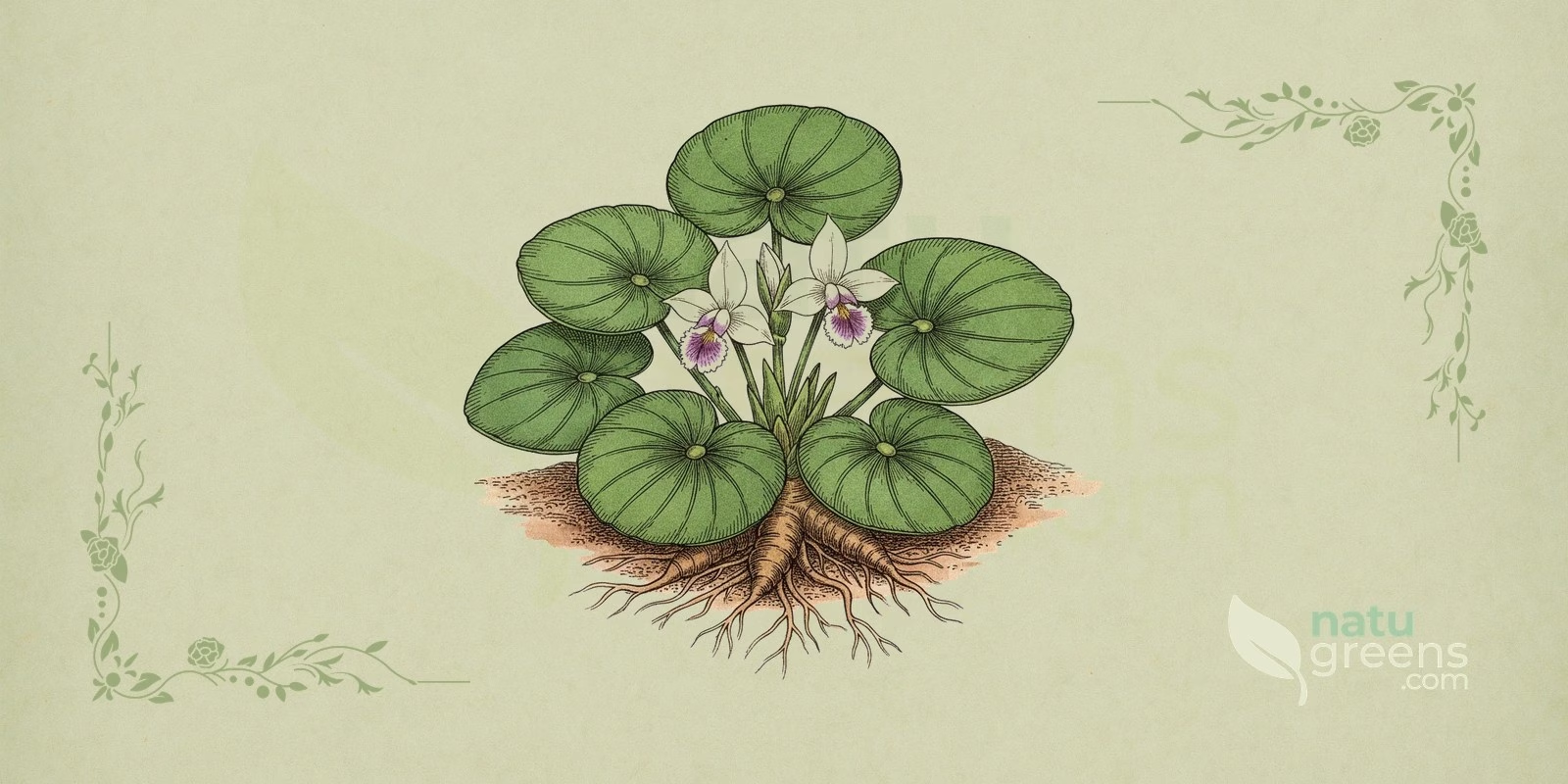
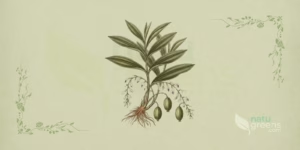
Kaempferia galanga L. is a perennial, rhizomatous herb of the Zingiberaceae family, known in the spice trade by its Indonesian name, kencur. Native to Southeast Asia, it grows close to the ground, with two or three broad, rounded leaves that open almost flat against the soil, and it is cultivated in Indonesia, India…
Main caution: As a spice, in culinary amounts, kencur has been eaten for centuries without records of significant problems. The precautions apply to medicinal amounts, extracts and the essential oil:
Kaempferia galanga L. is a perennial, rhizomatous herb of the Zingiberaceae family, known in the spice trade by its Indonesian name, kencur. Native to Southeast Asia, it grows close to the ground, with two or three broad, rounded leaves that open almost flat against the soil, and it is cultivated in Indonesia, India, southern China and Taiwan. The rhizome, with its camphor-like and pungent aroma, is an everyday spice in Indonesian cooking, and this culinary use is the safety benchmark for the species. Most of the medicinal effects attributed to it come from laboratory and animal studies.
Popular and International Names of Kencur
In English the plant is called aromatic ginger or sand ginger, but the Indonesian name kencur is the one most widely used in the spice trade. The names below refer to Kaempferia galanga:
- English: aromatic ginger, kencur, sand ginger.
- French: galanga camphré, kencur.
- German: Aromatischer Ingwer, Gewürzlilie, Kencur.
- Indonesian: kencur.
- Japanese: banukon.
- Portuguese: gengibre-da-areia, kencur.
- Spanish: jengibre de arena, kencur.
The Portuguese name cananga-do-japão turns up in some sources, but it is not established and is easily confused with cananga, a name for ylang-ylang (Cananga odorata), a tree from an entirely different family.
Species Not to Be Confused with Kencur
Despite its epithet, kencur is not galangal. Greater galangal is Alpinia galanga, and lesser galangal is Alpinia officinarum, which has its own article on this site. Kencur is not black ginger (Kaempferia parviflora) either, another species of the same genus already covered on Natugreens, nor is it Kaempferia rotunda or fingerroot (Boesenbergia rotunda). These are different plants, each with its own chemistry and uses, and they should not be treated as synonyms.
Botanical Synonyms of Kencur
The accepted name is Kaempferia galanga L., published by Linnaeus in 1753. The names recorded in the literature as synonyms include:
- Alpinia sessilis J.Koenig
- Kaempferia galanga var. latifolia (Donn ex Hornem.) Donn
- Kaempferia humilis Salisb.
Botanical Family: Zingiberaceae
Kencur belongs to the Zingiberaceae, the ginger family, made up of perennial herbs with aromatic rhizomes. The family includes ginger (Zingiber officinale), turmeric (Curcuma longa) and cardamom (Elettaria cardamomum), as well as the galangals of the genus Alpinia. The genus Kaempferia, named in honor of the German naturalist Engelbert Kaempfer, brings together low-growing species whose leaves lie close to the ground and whose delicate flowers are short-lived.
Parts of Kencur Used
The rhizome is the part that matters, used fresh in the kitchen or dried and ground into powders and preparations. It has a thin brown skin on the outside and a white, highly fragrant interior. Roots and leaves appear less often in local remedies, and the flowers, white with a lilac blotch, have more ornamental than medicinal value.
Ethnobotanical and Traditional Uses of Kencur
In Indonesia, kencur seasons dishes such as nasi ulam and is the key ingredient of beras kencur, a drink made from rice and grated rhizome that belongs to the jamu tradition. In the folk medicine of Southeast Asia and India, the rhizome is remembered for indigestion, gas and abdominal pain, and it also appears in home remedies for headache, toothache, rheumatism, coughs and colds.
These records describe traditional use. They are no substitute for a diagnosis, and persistent pain, fever or a lingering cough deserve medical assessment.
Therapeutic Properties of Kencur
The activities below have been observed in laboratory and animal studies, largely linked to ethyl p-methoxycinnamate, the main compound in the rhizome. No clinical trials have confirmed them in humans:
- Analgesic (reduced pain response in rodents, under study)
- Antibacterial (activity against bacteria in the laboratory, under study)
- Anti-inflammatory (inhibition of inflammatory mediators in experimental assays, under study)
- Antioxidant (activity against free radicals in laboratory assays)
- Carminative (relief of gas, traditional use)
- Sedative (reduced motor activity in mice after inhalation, under study)
- Vasorelaxant (relaxation of isolated blood vessels in the laboratory, under study)
Claims that kencur fights cancer or promotes weight loss have no support for human use and should not guide health decisions.
Detailed Phytochemical Profile of Kencur
The rhizome concentrates a volatile oil and cinnamic esters that account for its aroma and for much of the activity studied so far:
- Diarylheptanoids (phenolics also found in other members of the ginger family)
- Ethyl cinnamate (an aromatic ester abundant in the oil)
- Ethyl p-methoxycinnamate (the main compound in the rhizome and the most researched)
- Flavonoids (such as kaempferol and kaempferide)
- Monoterpenes (borneol, camphene, 3-carene and 1,8-cineole, responsible for the camphor-like note)
- p-Methoxycinnamic acid (a derivative of the main compound)
Preparation and Administration Forms of Kencur
The safest and most common use is culinary: fresh rhizome grated, pounded into spice pastes or blended into drinks, in the amounts typical of Indonesian cooking. Tradition also uses it in infusions and decoctions, as a powder and in liniments for external use.
The essential oil of the rhizome is concentrated and must not be swallowed. Medicinal amounts, larger than those used in cooking, only make sense under professional guidance.
Synergy with Other Medicinal Plants
Pairings with Other Members of the Ginger Family
In cooking and in jamu, kencur shares the stage with ginger (Zingiber officinale) and turmeric (Curcuma longa), relatives from the same family. The three are combined in traditional wellness drinks, a pairing rooted in culinary tradition that has not been tested in clinical studies.
Traditional Pairings for Digestion
In folk teas for gas and bloating, the rhizome appears alongside peppermint (Mentha × piperita) and fennel (Foeniculum vulgare). This, too, is traditional use, with no specific research on the blend.
Recipes and Usage Protocols of Kencur
Beras Kencur, the Traditional Indonesian Drink
Beras kencur is made from soaked rice and fresh kencur rhizome, blended or pounded with water, strained and sweetened with palm sugar, sometimes with a touch of ginger and tamarind. It is a traditional drink, enjoyed as an invigorating refreshment, and not a medicine.
In the Kitchen
The grated rhizome goes into spice pastes, rice salads and sauces. A piece the size of a fingernail is usually enough to perfume a dish, since the flavor is intense and slightly bitter.
External Use
Traditionally, a paste of fresh rhizome is applied to sore muscles. Because it can cause contact dermatitis, test it first on a small patch of skin and do not apply it to wounds.
The preparations above follow traditional records and do not replace professional guidance. Before any internal use, check the contraindications and interactions described in this article.
Associated Therapies of Kencur
Jamu and Traditional Herbal Medicine
Kencur is one of the pillars of jamu, Indonesian folk herbal medicine, found in drinks and blends sold at markets and by street vendors. Modern research is studying rhizome extracts standardized for ethyl p-methoxycinnamate, still at the preclinical stage.
Aromatherapy
The essential oil of the rhizome is used in perfumery and, to a lesser extent, in aromatherapy. On the skin it must always be diluted in a vegetable oil, and it must never be swallowed.
Contraindications and Side Effects of Kencur
As a spice, in culinary amounts, kencur has been eaten for centuries without records of significant problems. The precautions apply to medicinal amounts, extracts and the essential oil:
- Essential oil: concentrated, it must not be swallowed.
- Interactions: because of the vasorelaxant and sedative effects seen in the laboratory, there is a theoretical reason for caution in people taking blood pressure medication or sedatives. Talk to your doctor before using extracts.
- Pregnancy and breastfeeding: avoid medicinal amounts because safety data are lacking.
- Skin: contact dermatitis is possible, especially with the fresh rhizome or the oil.
In animal studies, high doses of extracts reduced motor activity, which reinforces the advice not to use more than culinary amounts without supervision.
Historical Notes and Interesting Facts about Kencur
On the streets of Java, jamu sellers carry baskets of herbal drink bottles on their backs, and beras kencur is usually one of the most requested. The tradition is handed down from mother to daughter and is recognized as part of Indonesia's cultural heritage.
The ethyl p-methoxycinnamate in kencur has a chemical structure close to that of synthetic cinnamate-type sunscreen filters, which has caught the interest of the cosmetics industry. Rhizome extracts have also shown activity against mosquito larvae in the laboratory, a field of research that is still in its early days.
Frequently Asked Questions about Kencur
Are Kencur and Galangal the Same Plant?
No. Galangal is the name for species of the genus Alpinia, such as greater galangal (Alpinia galanga) and lesser galangal (Alpinia officinarum). Kencur is Kaempferia galanga, from a different genus, with a different flavor and chemistry.
Is Kencur the Same as Black Ginger?
No. Black ginger is Kaempferia parviflora, from the same genus but with a dark purple rhizome and a composition of its own. Studies on one species do not apply to the other.
How Is Kencur Used in Cooking?
Fresh, grated or pounded into spice pastes, rice salads, sauces and drinks such as beras kencur. Dried and ground, it appears in spice blends.
Does Kencur Help with Weight Loss?
There is no evidence of any effect on body weight. This claim has no scientific support.
Can Pregnant Women Eat Kencur?
As a seasoning, in small amounts, its use is traditional. Medicinal amounts, extracts and the oil should be avoided during pregnancy and breastfeeding because data are lacking.
Can I Swallow Kencur Essential Oil?
No. The essential oil is concentrated and is not meant to be swallowed. On the skin, use it only diluted and after a sensitivity test.
Notice: this content is for informational purposes and does not replace professional medical advice. Consult a physician or herbal practitioner before using medicinal plants, especially during pregnancy, breastfeeding, or alongside medication.
How to cite this article
NATUGREENS. Kencur (Kaempferia galanga): Uses, Studies and Precautions. Natugreens, 20 Nov. 2026. Disponível em: https://natugreens.com/aromatic-ginger-kaempferia-galanga/. Accessed: Nov. 20, 2026.
Natugreens. (2026). Kencur (Kaempferia galanga): Uses, Studies and Precautions. Natugreens. https://natugreens.com/aromatic-ginger-kaempferia-galanga/
References and Scientific Studies
- DOI2021 Wang, S. Y. et al. (2021). Kaempferia galanga L.: progresses in phytochemistry, pharmacology, toxicology and ethnomedicinal uses. Frontiers in Pharmacology, 12, 675350. A broad review showing that preclinical studies predominate and clinical data are scarce. ↗
- DOI2012 Umar, M. I. et al. (2012). Bioactivity-guided isolation of ethyl-p-methoxycinnamate, an anti-inflammatory constituent, from Kaempferia galanga L. extracts. Molecules, 17(7), 8720-8734. Identifies ethyl p-methoxycinnamate as the main driver of anti-inflammatory activity in experimental models. ↗
- DOI2006 Othman, R. et al. (2006). Bioassay-guided isolation of a vasorelaxant active compound from Kaempferia galanga L. Phytomedicine, 13(1-2), 61-66. Describes the vasorelaxant effect of the main compound on isolated rat aorta. ↗
- DOI2020 Kumar, A. (2020). Phytochemistry, pharmacological activities and uses of traditional medicinal plant Kaempferia galanga L.: an overview. Journal of Ethnopharmacology. A review of traditional uses and the pharmacological activities described. ↗
You May Also Like

Take your time and tell us everything you think, details included. Every response is read by someone on our editorial team and goes into the article's revision. An honest critique helps us more than a polite compliment.
Take your time and tell us everything you think, details included. Every response is read by someone on our editorial team and goes into the article's revision. An honest critique helps us more than a polite compliment.