



Quick summary
Curcuma zedoaria (Christm.) Roscoe, popularly known as zedoary, is a perennial herbaceous plant of the Zingiberaceae family, native to South and Southeast Asia and now also cultivated in other tropical regions. Its aromatic rhizome, bluish on the inside with a bitter, pungent flavor, has been used for centuries in…
Main caution: Zedoary is contraindicated during pregnancy. This precaution is based both on the plant's traditional use as an emmenagogue in Chinese medicine, that is, as a substance historically used to stimulate menstrual flow, and…
Curcuma zedoaria (Christm.) Roscoe, popularly known as zedoary, is a perennial herbaceous plant of the Zingiberaceae family, native to South and Southeast Asia and now also cultivated in other tropical regions. Its aromatic rhizome, bluish on the inside with a bitter, pungent flavor, has been used for centuries in traditional Asian medicine and in culinary preparations across countries such as Indonesia, India, and Thailand. The species belongs to the same genus as turmeric (Curcuma longa), but it has a distinct chemical profile, rich in sesquiterpenes and low in curcuminoids, which means that the effects studied for curcumin cannot be attributed to zedoary. Most of the traditional uses of zedoary still lack confirmation from robust clinical studies conducted in humans.
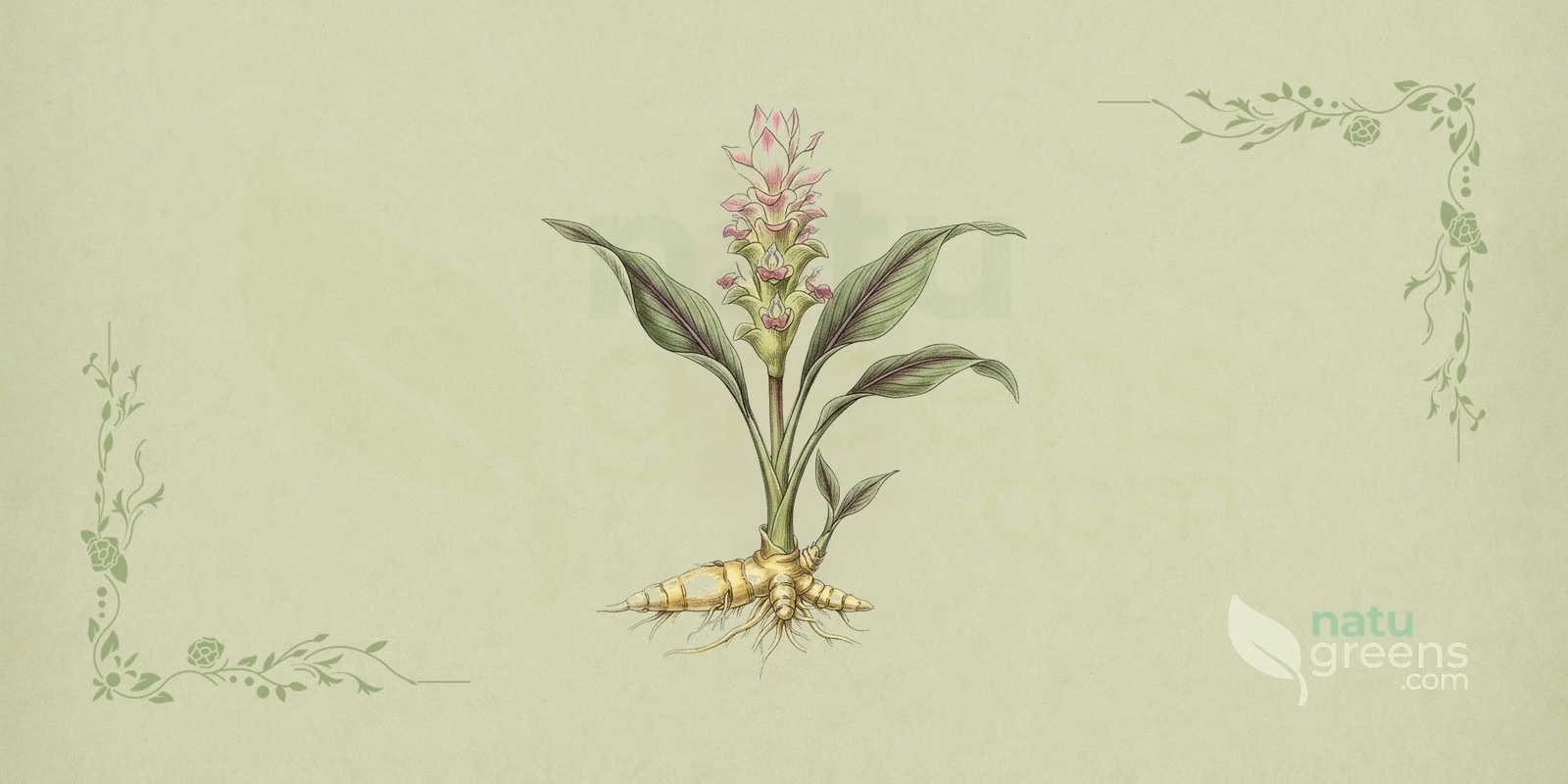
Popular and International Names of Zedoary
- English: zedoary, white turmeric, temu putih.
- French: zédoaire, curcuma blanc.
- German: Zitwerwurzel, Zedoarwurzel, weißer Ingwer.
- Italian: zedoaria, curcuma bianca.
- Portuguese: zedoária, falso-açafrão, cúrcuma-branca, gengibre-branco.
- Spanish: zedoaria, cúrcuma blanca, jengibre blanco.
Not to Be Confused with Turmeric (Curcuma longa)
It is common to find zedoary listed under names also used for turmeric, such as "Indian saffron," which creates confusion for readers and, at times, among sellers of medicinal plants. Curcuma zedoaria and Curcuma longa belong to the same botanical genus and share morphological traits typical of the Zingiberaceae family, but their rhizomes differ in color, aroma, and chemical composition. While turmeric is known mainly for its curcuminoids, especially curcumin, zedoary concentrates sesquiterpenes such as curcumenone, curzerene, and furanodiene, chemically distinct substances. For this reason, no research finding obtained with curcumin should be interpreted as valid for zedoary.
Botanical Synonyms of Zedoary
The botanical name currently accepted for the species is Curcuma zedoaria (Christm.) Roscoe. In scientific literature and taxonomic databases, the synonyms Amomum zedoaria Christm. and Curcuma pallida Lour. also appear, the result of successive revisions to the classification of the genus Curcuma over the past two centuries. These naming variations reflect the ongoing process of botanical reclassification, common in families with wide morphological diversity such as Zingiberaceae.
Botanical Family: Zingiberaceae
The Zingiberaceae family, also called the ginger family, brings together perennial herbaceous plants from tropical and subtropical climates, with underground rhizomes rich in essential oils. Besides zedoary, the family includes species of major economic and medicinal importance, such as ginger (Zingiber officinale) and turmeric itself (Curcuma longa). The diversity of bioactive compounds produced by these plants is the subject of ongoing pharmacological research, which helps explain why species within the same genus can display such different properties.
Parts Used from Zedoary
In zedoary, the part traditionally used is the rhizome, a fleshy underground stem that concentrates most of the essential oils and other compounds responsible for the plant's characteristic aroma. The rhizome is usually harvested, washed, and dried before being turned into powder, extract, or tincture, or else sliced for direct use in infusions.
Ethnobotanical and Traditional Uses of Zedoary
In traditional Asian medicine, the rhizome of zedoary is used, always as a traditional and popular practice not scientifically proven in humans, for a range of digestive complaints such as poor digestion, gastritis, flatulence, and bad breath linked to digestive disorders. It is also traditionally used for mild respiratory conditions such as cough and bronchitis, and for pain of varied origin. In oral health, the rhizome is traditionally used in mouth rinses for gingivitis, periodontitis, and stomatitis. Some cultures turn to zedoary to help eliminate kidney stones, for liver complaints, and for menstrual irregularities, a use historically linked to the emmenagogue effect attributed to the plant in Chinese medicine, which, as detailed further below, also underlies important contraindications. External preparations based on the rhizome still appear in the traditional management of wounds, bedsores, and skin ulcers.
Medicinal Properties of Zedoary
The properties attributed to zedoary come mostly from preclinical studies, carried out in animal models or in the laboratory, and from the traditional use observed across different Asian cultures. None of them has been confirmed by robust clinical trials conducted in humans so far.
- Analgesic (traditional use and preclinical findings of pain relief)
- Anti-Inflammatory (preclinical findings of reduced inflammatory processes)
- Antimicrobial (activity observed in the laboratory against different microorganisms)
- Antinociceptive (reduced pain perception in animal models)
- Antioxidant (ability to neutralize free radicals in laboratory tests)
- Antiseptic (traditional use in oral and skin hygiene)
- Carminative (traditional use to reduce intestinal gas)
- Cholesterol-Lowering (preclinical findings related to lipid profile)
- Expectorant (traditional use for respiratory conditions)
- Mild Diuretic (traditional use to increase fluid elimination)
- Wound Healing (traditional use for wounds and skin lesions)
Detailed Phytochemical Profile of Zedoary
The phytochemical profile of zedoary is dominated by sesquiterpenes present in the essential oil of the rhizome, substances chemically distinct from the curcuminoids found in turmeric. Among the compounds already identified in laboratory analyses, the following stand out.
- Albuminoids (protein compounds present in the rhizome)
- B Complex Vitamins (B1, B2, and B6, in modest amounts)
- Curcumenone (sesquiterpene characteristic of the rhizome's essential oil)
- Curzerene and Furanodiene (volatile sesquiterpenes associated with the plant's pungent aroma)
- Mineral Salts (calcium, phosphorus, iron, manganese, potassium, and sodium)
- Resins and Mucilages (contribute to the texture and preservation of the rhizome)
- Spirolactones and Lactones (compounds related to part of the biological activity observed in the laboratory)
- Tannins (phenolic compounds with astringent properties)
- Volatile Oils (aromatic fraction responsible for the characteristic odor, reminiscent of green mango and camphor)
Forms of Preparation and Use of Zedoary
The rhizome of zedoary can be consumed in different ways, depending on the purpose and the preference of the person using it. The most common preparations include an infusion made from the sliced or powdered rhizome, encapsulated dried powder, fluid extract, hydroalcoholic tincture, and a mouth rinse prepared from the extract diluted in water. Standardized products, such as capsules and titrated extracts, are also available at compounding pharmacies and stores specializing in medicinal plants.
Synergy with Other Medicinal Plants
Digestive Disorders
For mild digestive complaints, zedoary is often combined, in traditional preparations, with ginger (Zingiber officinale) and peppermint (Mentha × piperita), plants known for their popular use in cases of poor digestion and flatulence. The idea behind this combination is to bring together, within the same preparation, aromatic compounds with carminative and digestive action recognized in herbal tradition, although the specific combined effect of these three plants together has not been evaluated in controlled clinical studies.
Anti-Inflammatory Action
In herbal tradition, zedoary is also paired with turmeric (Curcuma longa) in formulations aimed at inflammatory processes, since both species belong to the Zingiberaceae family and each contributes, in its own way, compounds of interest for inflammation: the sesquiterpenes of zedoary and the curcuminoids of turmeric. This combination is described in the ethnobotanical literature as complementary, but it does not replace medical evaluation in cases of persistent inflammation or inflammation of unclear origin.
Recipes and Usage Protocols for Zedoary
Zedoary Rhizome Infusion
Ingredients: 1 teaspoon of dried, sliced or powdered zedoary rhizome, 200 ml of boiling water.
Preparation: Place the rhizome in a cup and add the boiling water. Cover and let it steep for 5 to 10 minutes, then strain and drink while still warm. The infusion can be taken one to three times a day, within the traditional use for digestive discomfort and mild gastritis. Pregnant women and people with menorrhagia should not consume this preparation, for the reasons detailed in the contraindications section.
Zedoary Tincture for Internal Use
Ingredients: zedoary tincture, purchased from a compounding pharmacy or a specialized store.
How to use: Follow the manufacturer's instructions or those of a qualified healthcare professional. The traditionally indicated dosage ranges from 20 to 30 drops diluted in water, two to three times a day, without exceeding the amount stated on the label. People taking anticoagulants or antiplatelet medications, or who have gallstones, should use the tincture only under medical guidance, due to the possibility of interaction and of worsening these conditions.
Zedoary Mouth Rinse
Ingredients: 10 drops of zedoary fluid extract, 50 ml of filtered water.
Preparation: Mix the fluid extract into the filtered water and use as a mouth rinse after brushing, swishing it around the mouth for about thirty seconds, twice a day. This preparation is part of the traditional and popular use for gingivitis, periodontitis, and other mild oral conditions, but it does not replace regular dental care. These uses follow traditional records and do not replace professional guidance.
The preparations above follow traditional records and do not replace professional guidance. Before any internal use, check the contraindications and interactions described in this article.
Therapies Associated with Zedoary
Clinical Herbal Medicine
In clinical herbal medicine, zedoary is usually prescribed as standardized extracts, capsules, or tinctures, forms that allow for better adjustment of the administered dose. Herbal practitioners often recommend it as a complementary option for mild digestive complaints and for inflammatory processes, always taking into account the person's health history and possible interactions with other medications already in use. Individualized prescribing seeks to balance the plant's traditional use with the precautions required by any herbal product.
Ayurvedic Medicine
In Ayurvedic medicine, zedoary is known as kachur and is part of traditional formulations aimed at the digestive system. It is described in this tradition as a tonic that helps balance the doshas and contributes, according to Ayurvedic thought, to eliminating toxins accumulated in the body. Its use in formulations for stomach and liver complaints is common in this centuries-old practice, although, as with the rest of this article, this is a system of traditional beliefs, without confirmation by the standards of evidence-based medicine.
Contraindications and Side Effects of Zedoary
Zedoary is contraindicated during pregnancy. This precaution is based both on the plant's traditional use as an emmenagogue in Chinese medicine, that is, as a substance historically used to stimulate menstrual flow, and on data from animal studies describing an anti-implantation effect, meaning a potential interference with the embryo's attachment to the uterus. For the same reason, the plant is also contraindicated in cases of menorrhagia, heavy or prolonged menstrual bleeding, since its traditional use for regulating menstruation could, in theory, worsen that condition. People being treated with anticoagulants or antiplatelet medications should use zedoary with caution and only under medical guidance, because of its possible effect on blood clotting. The same caution applies to anyone with gallstones, a condition in which use of the plant should be evaluated beforehand by a healthcare professional. Breastfeeding women, young children, and people hypersensitive to the plant's components should also avoid its use without professional guidance.
When used in the forms and doses traditionally described, zedoary tends to be well tolerated, but mild side effects can occur, such as nausea, diarrhea, vomiting, abdominal pain, and a sensation of bloating. Doses well above what is traditionally recommended have been associated with irritation and lesions of the stomach lining. If any uncomfortable reaction appears, use should be discontinued, and if symptoms persist, seeking medical advice is recommended.
Drug Interactions
In addition to the caution already mentioned regarding anticoagulants and antiplatelet medications, zedoary may, according to traditional reports and preclinical findings, interfere with medications used to control blood sugar, potentially altering blood glucose levels. For this reason, people being treated for diabetes should inform their physician about using the plant, so that monitoring can be adjusted as needed. Anyone on continuous medication, especially the medications mentioned in this section, should talk to a healthcare professional before adding zedoary to their routine.
Curiosities and Historical Facts
Zedoary has a long history of use in Asia, from where it is believed to have been brought to medieval Europe by Arab traders, a period in which it ranked among the valued spices alongside ginger and turmeric. As these last two plants became more popular, the use of zedoary gradually lost ground on the European continent, although it remained relevant in various Asian cuisines and medicinal traditions. The aroma of the rhizome, reminiscent of a blend of green mango, cardamom, and camphor, is frequently cited as one of its most distinctive characteristics. In Indonesia, the ground rhizome is used in white curries, while in India it appears fresh or preserved, and in Thailand it is often sliced into salads and chili pastes.
Frequently Asked Questions about Zedoary
Does Zedoary Help with Weight Loss?
There are no scientific studies proving an effect of zedoary on weight loss. Its possible support for digestive processes and for reducing flatulence may contribute indirectly to overall well-being, but that is not the same thing as a proven slimming effect. Consistent weight control results depend on balanced eating habits and regular physical activity, and zedoary, at most, can be seen as an occasional complement within that context, never as a stand-alone solution.
What Is the Difference between Zedoary and Turmeric?
Zedoary (Curcuma zedoaria) and turmeric (Curcuma longa) belong to the same botanical genus but are distinct species, with different rhizomes, flavors, and chemical compositions. The rhizome of zedoary has a bluish tone and a bitter flavor, while that of turmeric is orange-yellow and has a more earthy taste. Chemically, turmeric is known mainly for its curcuminoids, such as curcumin, while zedoary concentrates sesquiterpenes, such as curcumenone and curzerene. For this reason, findings obtained with one of the species cannot automatically be applied to the other.
Can Zedoary Be Used during Pregnancy?
No, zedoary should not be used during pregnancy. Its use is contraindicated throughout gestation, both because of the plant's historical use as an emmenagogue in Chinese medicine and because of data from animal studies pointing to an anti-implantation effect. Pregnant women who wish to use any medicinal plant, including zedoary, should first consult a physician or obstetrician, since risks to the pregnancy cannot be ruled out based on the information currently available.
Can Zedoary Be Used by Children?
The use of zedoary in children should be avoided without guidance from a pediatrician or a qualified herbal medicine practitioner, since there is not enough data on its safety and on the appropriate dosage for this age group. When a professional considers its use appropriate, the dose must be adjusted to the child's age and weight, always with close monitoring. When in doubt, it is safer to seek professional guidance before giving a child any preparation containing zedoary.
Notice: this content is for informational purposes and does not replace professional medical advice. Consult a physician or herbal practitioner before using medicinal plants, especially during pregnancy, breastfeeding, or alongside medication.
How to cite this article
NATUGREENS. Zedoary (Curcuma zedoaria): Uses and Care Guide. Natugreens, 21 Nov. 2026. Disponível em: https://natugreens.com/curcuma-zedoaria-zedoary/. Accessed: Nov. 21, 2026.
Natugreens. (2026). Zedoary (Curcuma zedoaria): Uses and Care Guide. Natugreens. https://natugreens.com/curcuma-zedoaria-zedoary/
References and Scientific Studies
Peer-Reviewed Scientific Studies (5)
- PMC2019 Ayati, Z., et al. (2019). Ethnobotany, Phytochemistry and Traditional Uses of Curcuma Species. Journal of Ethnopharmacology. ↗
- PEER2021 Gharge, S., et al. (2021). Curcuma zedoaria Rosc (Zingiberaceae): a review on its phytochemistry and pharmacology. Future Journal of Pharmaceutical Sciences. ↗
- PMC2009 Lobo, R. (2009). Curcuma zedoaria Rosc. (white turmeric): a review of its chemical, pharmacological and ethnomedicinal properties. Journal of Pharmacy and Pharmacology. ↗
- PMC2020 Rahaman, M. M., et al. (2020). The Genus Curcuma and Inflammation. Molecules. ↗
- PMC2014 Ullah, H. M. A., et al. (2014). Evaluation of antinociceptive, in-vivo & in-vitro anti-inflammatory activity of ethanolic extract of Curcuma zedoaria rhizome. BMC Complementary and Alternative Medicine. ↗
Supplementary Readings (2)
You May Also Like



Take your time and tell us everything you think, details included. Every response is read by someone on our editorial team and goes into the article's revision. An honest critique helps us more than a polite compliment.
Take your time and tell us everything you think, details included. Every response is read by someone on our editorial team and goes into the article's revision. An honest critique helps us more than a polite compliment.