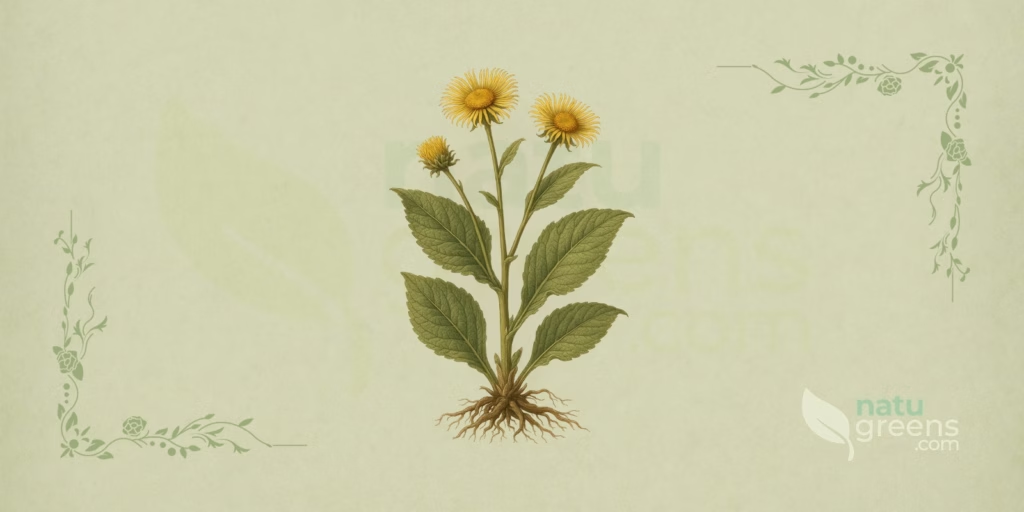
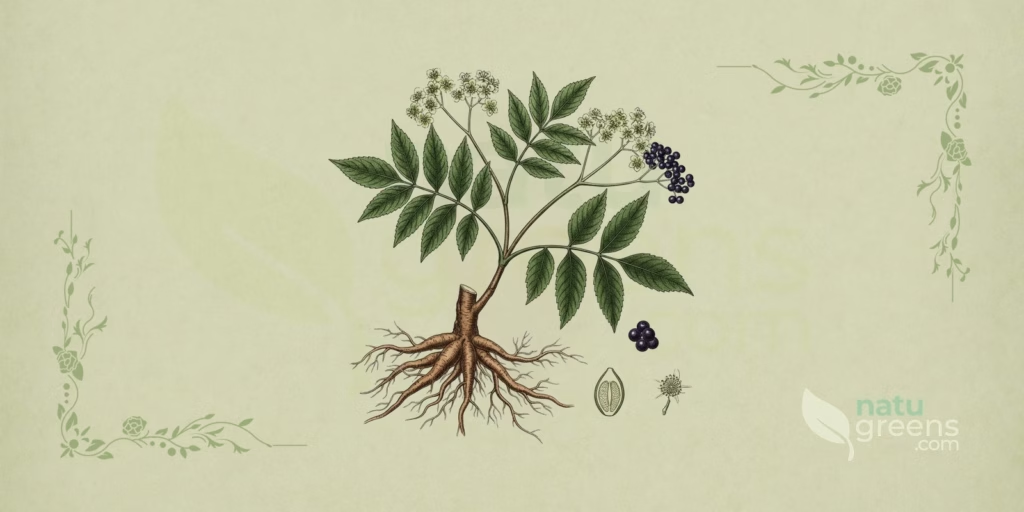
Artemisia dracunculus L. / Tarragon, a perennial herbaceous plant of the Asteraceae family, is recognized worldwide for its culinary and medicinal properties. Native to vast regions of Eurasia and North America, this species has been valued across many cultures throughout history.
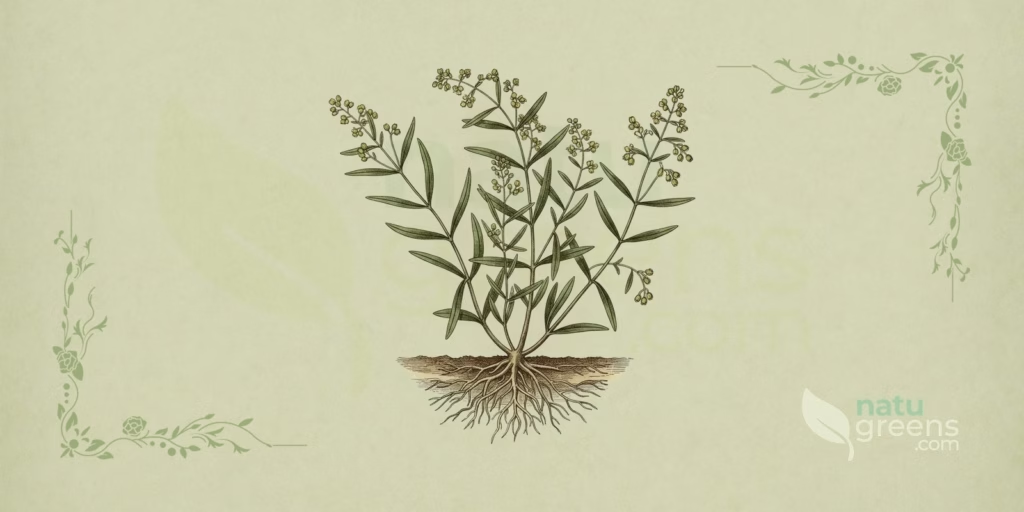
Tarragon is widely used in traditional Asian medicine, especially in Iran, Pakistan, Azerbaijan, and India, where it is employed to treat a variety of conditions. Its rich phytochemical composition, including essential oils, flavonoids, and phenolic acids, gives it a remarkable therapeutic profile. Modern scientific research has validated many of its traditional uses, consolidating its importance as a medicinal plant.
Popular and International Names of Tarragon
- English: tarragon, estragon, dragon sagewort, dragon wormwood, French tarragon, Russian tarragon, wild tarragon, silky wormwood.
- Spanish: estragón, dragoncillo.
- Portuguese: estragão, estragão-francês.
- French: estragon.
- Italian: dragoncello.
- German: Estragon, Dragon.
- Chinese: long hao (龙蒿).
Botanical Synonyms of Tarragon
- Absinthium cernuum Moench
- Achillea dracunculus Hort.
- Artemisia aromatica A.Nelson
- Artemisia cernua Nutt.
- Artemisia dracunculiformis Krasch.
- Artemisia dracunculina S.Wats.
- Artemisia dracunculoides Pursh
- Artemisia glauca Pall. ex Willd.
Botanical Family: Asteraceae
The Asteraceae family, formerly known as Compositae, is one of the largest families of flowering plants, encompassing about 1,900 genera and more than 32,000 species. This family is distributed worldwide and is characterized by the capitulum inflorescence, in which numerous small flowers are grouped together. The Asteraceae include plants of great economic, food, and medicinal importance, such as lettuce, sunflower, and artichoke.
Tarragon shares morphological features typical of the family, including yellow tubular flowers. The Asteraceae family is known for producing bioactive compounds, such as sesquiterpene lactones, flavonoids, and essential oils, which confer medicinal properties on many of its species. The chemical diversity of this family has been the subject of intense pharmacological research, contributing to the development of phytomedicines and dietary supplements.
Parts of Tarragon Used
- Dried aerial parts
- Dried leaves
Ethnobotanical and Traditional Uses of Tarragon
- Analgesic
- Anesthetic
- Antiepileptic
- Anti-inflammatory
- Antipyretic
- Appetite stimulant
- Hypnotic
- Opposing gynecological uses depending on the tradition: emmenagogue in some regions, flow-reducing in others, with neither confirmed clinically
- Relief of gastrointestinal complaints
- Toothache relief
- Treatment of helminthiasis
Therapeutic Properties of Tarragon
- Analgesic (reduces pain)
- Antibacterial (fights bacteria such as Staphylococcus aureus and Escherichia coli)
- Antifungal (fights fungi such as Candida albicans)
- Anti-inflammatory (reduces inflammation)
- Antioxidant (fights free radicals)
- Antiprotozoal (activity observed only in the laboratory against Leishmania major, with no clinical use whatsoever)
- Calming (traditional use for nervous tension; no clinical studies confirm an antidepressant action)
- Carbonic anhydrase inhibitor (observed in a biochemical assay, with no known therapeutic application)
- Hepatoprotective (protects the liver); traditional use, without established clinical efficacy
- Hypoglycemic (lowers blood sugar); traditional use, without established clinical efficacy
- Immunomodulatory (modulates the immune system); traditional use, without established clinical efficacy
- Insect repellent (repels insects such as Calliphora vomitoria and Anopheles stephensi)
Detailed Phytochemical Profile of Tarragon
- Alkamides
- Anethole
- Carvacrol
- Coumarins
- Dillapiole
- Elemicin
- Estragole (methyl chavicol, p-allylanisole)
- Eugenol
- Flavonoids
- Isoelemicin
- Isoeugenol methyl ether
- Limonene
- Linalool
- Methyl eugenol
- Monoterpenoids (sabinene, γ-terpinene, α-terpinene, α-terpineol, terpinolene, α-pinene, myrcene, phellandrene)
- Phenolic acids (chlorogenic acid, caffeic acid, vanillic acid)
- Sesquiterpenoids
Preparation and Administration Forms of Tarragon
- Essential oil
- Herbal extracts
- Infusion
Synergy with Other Medicinal Plants
Pain and Inflammation Relief
Artemisia dracunculus, with its analgesic and anti-inflammatory properties, can be combined with plants that share these effects for more comprehensive relief. Examples include white willow (Salix alba), known for its salicin content, turmeric (Curcuma longa), rich in curcuminoids, and devil’s claw (Harpagophytum procumbens), which contains harpagosides. These combinations can act synergistically to modulate inflammatory pathways and reduce pain perception, offering a more complete phytotherapeutic approach.
Anxiety and Insomnia
Considering the calming properties that tradition attributes to tarragon, it can be combined with other plants with sedative and calming effects to enhance anxiety relief and promote sleep. Examples include valerian (Valeriana officinalis), which acts on GABA receptors, passionflower (Passiflora incarnata), with its C-glycosyl flavonoids, and chamomile (Matricaria chamomilla), rich in apigenin. These synergies can produce a more pronounced calming effect, with an adverse-effect profile different from that of synthetic sedatives, which does not mean an absence of risks or interactions.
Digestive Disorders
Thanks to its digestive and antispasmodic actions, Artemisia dracunculus can be synergistic with plants that also aid digestion and relieve gastrointestinal discomfort. Peppermint (Mentha × piperita), with its menthol, lemon balm (Melissa officinalis), with its phenolic compounds, and ginger (Zingiber officinale), with its gingerols, are examples. These combinations can provide carminative, antispasmodic, and anti-inflammatory effects on the gastrointestinal tract, promoting healthy digestion.
Recipes and Usage Protocols of Tarragon
Infusion for Digestive Relief and Relaxation
To prepare a tarragon infusion, add one teaspoon of dried Artemisia dracunculus leaves to 200 ml of boiling water. Cover and steep for about 5 to 10 minutes. Strain and drink warm. This infusion can be consumed up to three times a day, in short cycles of no more than one to two weeks because of the estragole in the aerial parts, to aid digestion, relieve gastrointestinal spasms, and promote a state of relaxation. It can be sweetened with honey, if desired, to improve the flavor.
Essential Oil for Topical Application
Tarragon essential oil can be used for massage and relief of muscle or joint pain. Dilute 2 to 3 drops of Artemisia dracunculus essential oil in 10 ml of a vegetable carrier oil, such as jojoba or sweet almond oil. Apply the mixture gently to the affected area, massaging until absorbed. This topical application can help reduce localized inflammation and pain, drawing on tarragon’s analgesic and anti-inflammatory properties. Use it in short cycles and over a limited area. Do not apply it to pregnant or breastfeeding women or to children.
Associated Therapies
Aromatherapy
The essential oil of Artemisia dracunculus is widely employed in aromatherapy for its calming and relaxing properties. Inhaling the essential oil’s vapor, diluted in hot water or in a diffuser, can contribute to reducing stress and anxiety and promoting restorative sleep. Topical application, diluted in a carrier oil, can be used in massage to relieve muscle tension and headaches, drawing on its phytochemical profile rich in phenylpropanoids and monoterpenes.
Western Herbal Medicine
In Western herbal medicine, tarragon is frequently combined with other herbs to create complex formulations targeting specific conditions. For example, in digestive preparations, it can be paired with ginger (Zingiber officinale) and fennel (Foeniculum vulgare). For nervous system support, it can be combined with lemon balm (Melissa officinalis) and oats (Avena sativa). These combinations aim to maximize therapeutic effects through the synergy of the plants’ active components.
Contraindications and Side Effects of Tarragon
General Precautions
Artemisia dracunculus is generally considered safe when used in culinary amounts. However, because of the presence of estragole, a compound that at high doses can be hepatotoxic and carcinogenic in animals, prolonged medicinal use or large amounts require caution. Internal use of the essential oil without professional supervision should be avoided. Pregnant or breastfeeding women should avoid tarragon because of the lack of safety studies and its potential emmenagogue effect. People allergic to plants of the Asteraceae family, such as arnica, chamomile, mugwort, and ragweed, should avoid tarragon, and anyone who reacts to mugwort pollen may show a cross-reaction to celery and other spices.
Drug Interactions
Tarragon can interact with certain medications. Because of its hypoglycemic properties, it can potentiate the effect of diabetes medications, leading to hypoglycemia. There is no clinical evidence of an anticoagulant effect of tarragon; even so, anyone taking warfarin should tell their doctor before starting continued medicinal use. It is crucial to consult a health professional before starting any treatment with tarragon, especially if you are taking other medications, to avoid adverse interactions and ensure treatment safety.
Interesting Facts about Tarragon
Etymology and Legends
The name dracunculus, from Latin, means “little dragon”, in reference to its twisted roots, coiled like small serpents. This curious etymology reflects the ancient belief that the plant could be used to cure the bites of snakes and other venomous animals. Tarragon has been cultivated in European gardens since the 16th century and reached North American gardens in the early 19th century, with a record of French tarragon being sent to Thomas Jefferson in 1806, demonstrating its long history of use and appreciation across cultures.
Varieties and Culinary Uses
There are different varieties of tarragon, the best known being French tarragon (Artemisia dracunculus var. sativa) and Russian tarragon (Artemisia dracunculus var. dracunculoides). French tarragon is the most prized in cooking for its anise-like flavor and intense aroma, being an essential ingredient in French cuisine, especially in sauces such as Béarnaise and in fines herbes blends. Russian tarragon, although easier to grow, has a less pronounced flavor and is frequently used in salads or as an aromatic herb in vinegars.
Frequently Asked Questions about Tarragon Tea
Can Tarragon Tea Help with Sleep?
Traditional medicine attributes calming properties to tarragon tea that may support sleep, although clinical studies confirming this effect are lacking. Its relaxing action may help calm the nervous system, facilitating more restful sleep. Drinking a cup of warm tea before bed is recommended to optimize its effects.
What Are Tarragon’s Main Benefits for Digestion?
Tarragon is widely recognized for its digestive benefits. It acts as a carminative, helping relieve gas and bloating, and has antispasmodic properties that can reduce cramps and gastrointestinal spasms. It can also stimulate appetite and the production of digestive juices, contributing to more efficient digestion. It is a traditional remedy for dyspepsia and other gastrointestinal complaints.
Does Tarragon Have Contraindications?
Yes, despite its benefits, tarragon has some contraindications. Pregnant and breastfeeding women should avoid medicinal use of tarragon in any amount or form, because of its emmenagogue effect and the presence of estragole and methyleugenol; the amount used to season food is not at issue. People with liver problems and people allergic to plants of the Asteraceae family should also avoid it. It can interact with diabetes medications and anticoagulants. Consulting a health professional before using tarragon for medicinal purposes is essential, especially with pre-existing health conditions or other medications.
Notice: this content is for informational purposes and does not replace professional medical advice. Consult a physician or herbal practitioner before using medicinal plants, especially during pregnancy, breastfeeding, or alongside medication.
References and Scientific Studies
Peer-Reviewed Scientific Studies (2)
- PMC2021 Ekiert, H., et al. (2021). Artemisia dracunculus (Tarragon): A Review of Its Traditional Uses, Phytochemistry and Pharmacology. Frontiers in Pharmacology.
- PMC2011 Obolskiy, D., Pischel, I., Feistel, B., Glotov, N., & Heinrich, M. (2011). Artemisia dracunculus L. (tarragon): a critical review of its traditional use, chemical composition, pharmacology, and safety. Journal of Agricultural and Food Chemistry, 59(21), 11367-11384.
Institutional Sources (1)
- GOV USDA. Artemisia dracunculus L. USDA PLANTS Database.
Supplementary Readings (3)
- 2008 Aglarova, A. M., Zilfikarov, I. N., & Severtseva, O. V. (2008). Biological characteristics and useful properties of tarragon (Artemisia dracunculus L.). Pharmaceutical Chemistry Journal, 42, 81-86.
- 2011 Bora, K. S., & Sharma, A. (2011). Phytochemical and pharmacological potential of Artemisia dracunculus L. Pharmacognosy Reviews.
- Monticello. Artemisia dracunculus sativa – French Tarragon. Thomas Jefferson Encyclopedia.