Urtica dioica L. / Stinging Nettle, commonly known as common nettle in the United Kingdom and stinging nettle in the United States, is a perennial herbaceous plant of the Urticaceae family, described by Carl Linnaeus in 1753. Native to Europe, much of temperate Asia, and northwestern Africa, this species has spread to every continent because of its well-known therapeutic properties. Nettle has been used for millennia in traditional medicine and is mentioned in ancient texts for its many applications. Its leaves and stems, covered with stinging hairs, are harvested for the preparation of infusions, extracts, and other herbal products.
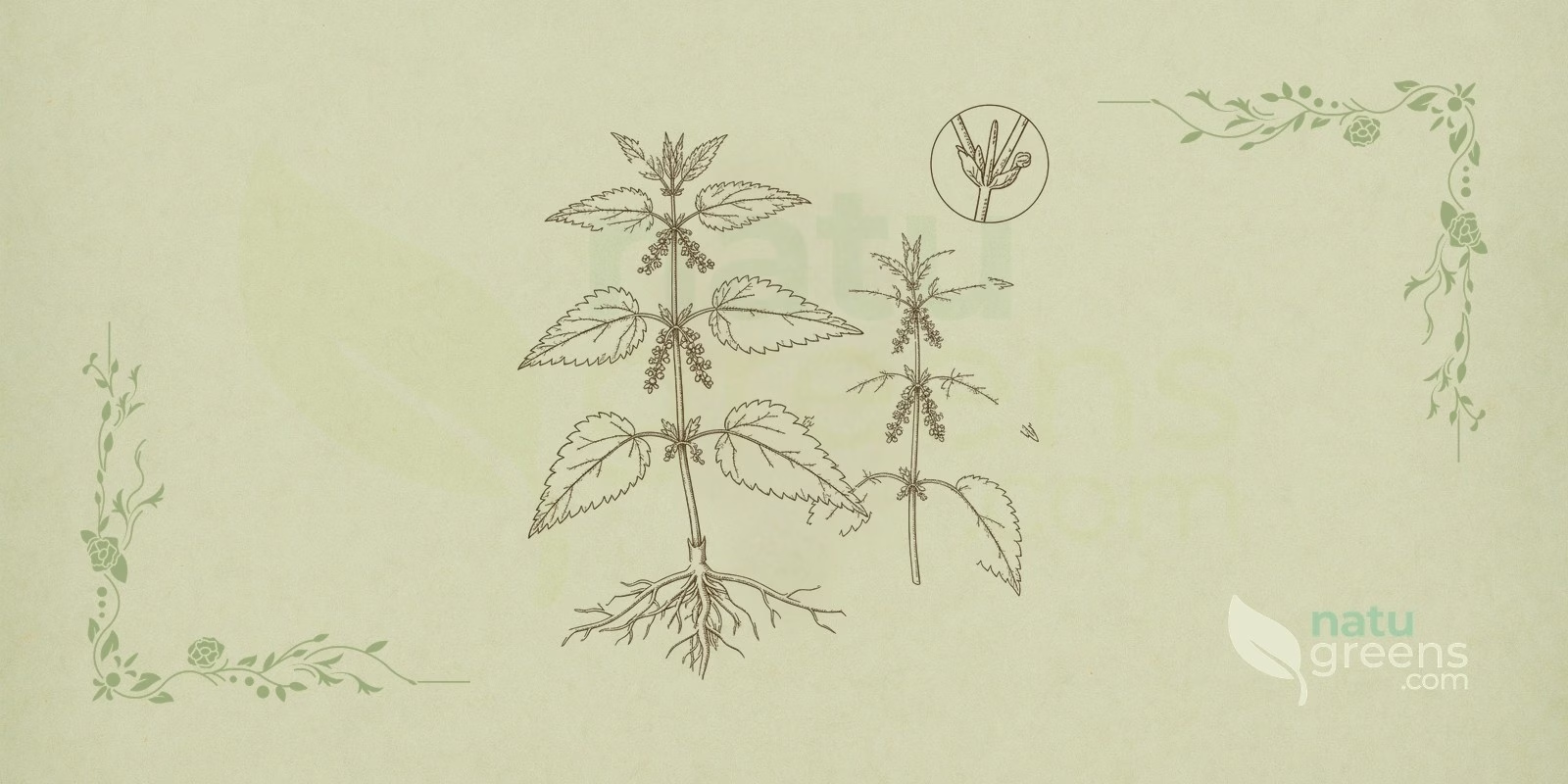
In European herbal tradition, nettle holds a prominent place as a depurative and anti-inflammatory plant. Its applications range from addressing urinary complaints to relieving joint and muscle pain. The plant is recognized for its rich phytochemical composition, especially in flavonoids, phenolic acids, and minerals, which give rise to its medicinal properties. Modern scientific research has validated many of nettle’s traditional uses, consolidating its position as one of the most studied and widely used medicinal plants in the world.
Popular and International Names of Stinging Nettle
- English: burn nettle, common nettle, nettle leaf, stinger, stinging nettle.
- Spanish: ortiga, ortiga mayor, ortiga verde, pringamosa.
- Portuguese: ortiga (BR), urtiga, urtiga-comum (PT), urtiga-maior (PT), urtigão (BR).
- French: grande ortie, ortie, ortie dioïque.
- Italian: ortica, ortica comune.
- German: Brennnessel, Große Brennnessel.
Botanical Synonyms of Urtica dioica
The taxonomy of Urtica dioica can be complex, with several historical names. Although Urtica dioica L. is the name accepted by most botanical authorities, including The Plant List and World Flora Online, other synonyms appear in the literature. These reflect regional variations or taxonomic reclassifications over time. Understanding these synonyms is crucial for accurate research and identification of the plant in different scientific and traditional contexts.
Urtica galeopsifolia Wierzb. ex Opiz, Urtica major H.Mart., Urtica procera Muhl. ex Willd., Urtica serra Blume, Urtica viridis Rydb.
Botanical Family: Urticaceae
The Urticaceae family, to which Urtica dioica belongs, comprises about 54 genera and more than 2,600 species distributed worldwide. This family is known for including plants with stinging hairs, although not all species possess them. Urticaceae are found mainly in tropical and subtropical regions, but also in temperate zones. They include economically important plants such as ramie (Boehmeria nivea), used in fiber production, and various species with medicinal and food uses.
Nettle shares morphological features typical of the family, such as opposite leaves and small, inconspicuous flowers. The Urticaceae family is recognized for producing bioactive compounds, including flavonoids, phenolic acids, and minerals, which give many of its species their medicinal properties. The chemical diversity of this family has been the subject of intense pharmacological research, contributing to the development of herbal drugs and dietary supplements.
Parts of Stinging Nettle Used
- Leaves (young and mature)
- Roots
- Seeds
- Stems
Ethnobotanical and Traditional Uses
- Acne
- Arthritis and lower back pain relief
- Benign prostatic hyperplasia (BPH)
- Body warming (Roman troops)
- Circulation improvement
- Cough and cold treatment
- Cuts and wound healing
- Depurative use (detoxifying)
- Diabetes
- Diarrhea
- Diuretic
- Food (young leaves cooked like spinach, in soups, stews, pesto, teas)
- Hair and skin conditions (external use)
- Kidney stones
- Low blood pressure
- Osteoarthritis
- Textile raw material
- Urinary tract infections (UTIs)
Therapeutic Properties of Stinging Nettle
- Analgesic (traditional use to relieve pain)
- Anti-infective (studied activity against infections)
- Anti-inflammatory (studied effect in reducing inflammation)
- Antioxidant (studied activity against free radicals)
- Antiproliferative (studied inhibitory effect on uncontrolled cell growth)
- Antiulcer (studied in the prevention and treatment of ulcers)
- Hypoglycemic (studied effect in reducing blood sugar)
- Hypotensive (studied effect in reducing blood pressure)
- Neuroprotective (studied protective effect on the nervous system)
- Urolithiatic (studied in the prevention of urinary stone formation)
Detailed Phytochemical Profile of Stinging Nettle
- Amines (acetylcholine, histamine, serotonin)
- Carotenoids (beta-carotene, lutein, violaxanthin)
- Essential oils (alpha-pinene, camphor, carvacrol, eucalyptol, gamma-terpinene, geraniol, limonene, linalool, beta-pinene, alpha-terpineol)
- Flavonoids (isorhamnetin, kaempferol, quercetin, rutin)
- Lectins
- Lignans
- Minerals (calcium, iron, magnesium, potassium, selenium, silicon, zinc)
- Organic acids (acetic acid, citric acid, formic acid)
- Phenolic acids (caffeic acid, chlorogenic acid, coumaric acid, ferulic acid)
- Polysaccharides
- Sterols (beta-sitosterol)
- Tannins
- Triterpenes
- Vitamins (A, B1, B2, B3, B5, B6, B9, C, K)
Preparation and Administration Forms of Stinging Nettle
- Capsules/Tablets
- Compresses
- Creams
- Culinary use (young leaves)
- Essential oil (topical use)
- Extracts (fluid, dry)
- Poultices
- Tea/Infusion (leaves, roots)
- Tinctures
Synergy with Other Medicinal Plants
Urinary and Kidney Health
The combination of nettle with horsetail (Equisetum arvense) and dandelion (Taraxacum officinale) enhances diuretic and depurative effects. This synergy is traditionally used to support urinary tract infections and to help prevent kidney stones. Nettle contributes its anti-inflammatory and diuretic properties, while horsetail supplies silica for urinary tract health and dandelion stimulates kidney function, creating a synergistic effect for eliminating toxins and excess fluid.
Joint Pain Relief
The combination of nettle with devil’s claw (Harpagophytum procumbens) and white willow (Salix alba) is traditionally used to relieve joint pain and chronic inflammation, such as in arthritis. Nettle’s anti-inflammatory compounds act synergistically with the harpagosides in devil’s claw and the salicylates in white willow, providing a significant analgesic and anti-inflammatory effect. This combination may help reduce stiffness and improve mobility in rheumatic conditions.
Seasonal Allergy Support
In cases of seasonal allergies, nettle can be combined with quercetin and bromelain for a synergistic effect. Nettle acts as a natural antihistamine, helping to stabilize mast cells and reduce histamine release. Quercetin, a flavonoid found in nettle, and bromelain, a proteolytic enzyme, reinforce the anti-inflammatory and antiallergic action, easing symptoms such as sneezing, itching, and nasal congestion. This combination offers natural support for modulating the allergic response.
Recipes and Usage Protocols of Stinging Nettle
Capsules for Benign Prostatic Hyperplasia (BPH)
Ingredients: Standardized dry extract of nettle root (400 mg per capsule).
Preparation: Obtain dry extract capsules of nettle root from compounding pharmacies or specialty stores. The usual dosage is 400 mg to 600 mg per day, divided into two or three doses. This protocol is often used, under professional guidance, as a traditional register for supporting relief of BPH symptoms, such as difficulty urinating and frequent urination, attributed to the anti-inflammatory and hormone-modulating effects associated with nettle root. Medical consultation is recommended to determine the appropriate dosage and duration of use.
Poultice for Joint Pain
Ingredients: Fresh nettle leaves, hot water.
Preparation: Crush the fresh nettle leaves into a paste. Warm the paste slightly in hot water (without boiling) to deactivate the stinging hairs. Apply the paste directly to the area affected by joint or muscle pain. Cover with a clean cloth and leave in place for 15 to 30 minutes. This poultice is a traditional register associated with pain relief and local inflammation reduction in rheumatic conditions. Perform a patch test on a small area of skin before full application.
Infusion for Diuretic and Depurative Use
Ingredients: 1 tablespoon of dried nettle leaves, 250 ml of boiling water.
Preparation: Place the nettle leaves in a cup and add the boiling water. Cover and steep for 10 to 15 minutes. Strain and drink. It is recommended to drink 2 to 3 cups per day, between meals. This infusion is traditionally used to stimulate diuresis and assist in toxin elimination, supporting kidney health. It is a popular depurative, associated with internal cleansing and general well-being.
Green Juice with Nettle for Nutrition
Ingredients: 1 cup of fresh nettle leaves (without stinging hairs), 1 apple, 1 cucumber, juice of ½ lemon, 200 ml of coconut water.
Preparation: Wash the nettle leaves and the remaining fruits and vegetables thoroughly. Cut the apple and cucumber into pieces. Add all the ingredients to a blender and blend until smooth. Strain if a finer consistency is preferred. Drink immediately to make the most of the nutrients. This juice is a good source of vitamins, minerals, and antioxidants, contributing to vitality and nutritional support for the body.
Tincture for Seasonal Allergies
Ingredients: 200 g of fresh nettle leaves, 1 liter of 70% grain alcohol.
Preparation: Place the nettle leaves in a dark glass jar and cover with the alcohol. Seal tightly and let macerate for 2 to 4 weeks in a cool, dark place, shaking daily. Strain and store the tincture in a dropper bottle. The usual dosage is 20 to 30 drops, diluted in a little water, 2 to 3 times a day, especially during allergy season. This tincture is traditionally used as support for the immune response, and may help ease symptoms of allergic rhinitis and hay fever.
The preparations above follow traditional records and do not replace professional guidance. Before any internal use, check the contraindications and interactions described in this article.
Associated Therapies
Clinical Phytotherapy
In modern clinical phytotherapy, nettle is widely used in various pharmaceutical forms, including standardized extracts, capsules, and tablets. Nettle extracts are often titrated for active compounds to ensure greater consistency of use. Clinical phytotherapy employs nettle as a support in conditions such as benign prostatic hyperplasia (BPH), arthritis, and rheumatism, in addition to its diuretic and depurative use. Prescription is individualized, taking into account each patient’s specific needs and possible interactions with other medications, aiming for safe, professionally guided use.
Homeopathy
In homeopathy, Urtica urens (a related species, but often associated with Urtica dioica in terms of uses) is a remedy indicated for skin rashes, hives, burns, and insect bites. The homeopathic remedy is prepared from the fresh plant, following the dilution and dynamization process. Urtica urens is often prescribed in low potencies (6C, 12C) for acute symptoms, especially those resembling the stinging sensation of nettle, and is traditionally indicated in cases of hives with intense itching and swelling, as well as allergic skin reactions.
Nutrition and Dietetics
Nettle is valued in nutrition and dietetics for its rich nutritional profile. Young leaves are consumed as a nutritious vegetable, incorporated into soups, stews, green juices, and salads, always after cooking to remove the stinging hairs. It is a good source of vitamins (A, C, K, B complex), minerals (iron, calcium, magnesium, potassium), and protein, which explains its inclusion in the diet as support for the body’s detoxification and for supplying essential nutrients, and it is considered by many cultures a superfood. Its use is often associated with promoting vitality and general well-being.
Contraindications and Side Effects of Stinging Nettle
General Contraindications
Nettle is contraindicated for individuals with a known allergy to plants of the Urticaceae family, since allergic reactions can manifest as contact dermatitis, hives, or, in more severe cases, anaphylaxis. Pregnant women should avoid consuming nettle in high therapeutic doses because of its potential uterine-stimulant effect, and although occasional consumption of mild infusions is generally considered safe during pregnancy, caution advises medical consultation before regular use. Individuals with severe kidney problems or heart failure should use nettle with caution because of its diuretic effect, which may overburden the kidneys or alter electrolyte balance, and people with low blood pressure should monitor their blood pressure, as nettle may lower it further.
Common Side Effects
Side effects from nettle are generally rare and mild. In some people, drinking nettle infusions may cause mild gastrointestinal disturbances, such as nausea, diarrhea, or abdominal discomfort, while topical application of nettle preparations may occasionally result in skin irritation, redness, or itching, especially in sensitive individuals. Direct contact with the fresh plant can cause the characteristic stinging sensation and contact hives due to the stinging hairs, so it is important to handle the plant with gloves and to cook the leaves before consumption to deactivate the trichomes.
Drug Interactions
Nettle may interact with various medications. Because of its diuretic effect, it may potentiate the action of synthetic diuretics, leading to dehydration or electrolyte imbalance, and it may also interact with blood pressure medications, such as antihypertensives, causing an excessive drop in blood pressure. Individuals taking anticoagulants, such as warfarin, should use nettle with caution, as the vitamin K present in the plant may interfere with blood clotting. In addition, because of its possible hypoglycemic effects, nettle requires monitoring of glucose levels in diabetic patients using blood sugar medications, and medical consultation is essential before combining nettle with any medication.
Historical Notes and Interesting Facts
The Legend of the Nettle and the Warrior
In Norse mythology, nettle was associated with the god Thor, the god of thunder, and legend says Thor used it for protection against lightning and thunder, throwing it into the fire to ward off evil spirits. This popular belief demonstrates the reverence ancient cultures held for this plant, despite its stinging nature, and it was seen as a symbol of protection and strength, capable of warding off negative energies and purifying the environment. Its presence in rituals and folk tales underscores the deep connection between humanity and the plant kingdom throughout history.
Nettle in World War II
During World War II, the scarcity of raw materials led to the use of nettle as an alternative for textile production in Germany, where nettle fibers, similar to those of flax, were used to manufacture military uniforms and other textile goods. This application demonstrates the plant’s versatility and its importance in times of need, since nettle’s ability to provide strong, durable fibers was a valuable resource, showing how nature can offer solutions in moments of crisis. The history of nettle as a textile raw material goes back centuries, standing as a testament to its usefulness.
The Nettle Festival
In some regions of Europe, such as England and France, annual festivals dedicated to nettle are held, celebrating the plant through culinary contests, where chefs prepare innovative dishes with nettle, and raw nettle-eating competitions, a challenge for the boldest participants. These festivals not only promote awareness of nettle’s culinary and medicinal uses, but also help demystify its reputation as a stinging plant, standing as vibrant celebrations that highlight the cultural and botanical richness of nettle.
Frequently Asked Questions about Stinging Nettle
Is Nettle Safe to Consume?
Yes, nettle is safe to consume when properly prepared. Fresh leaves have stinging hairs that cause irritation on contact, but these hairs are deactivated by cooking, drying, or crushing, so young leaves can be cooked like spinach and added to soups, stews, or teas. It is a plant rich in nutrients, vitamins, and minerals, and has been used for centuries in cooking and traditional medicine. However, it is important to harvest nettle in clean locations, away from sources of pollution, and always handle it with gloves before preparation, and people allergic to plants of the Urticaceae family should avoid consumption.
What Are the Main Health Benefits of Nettle?
Nettle offers a wide range of health benefits thanks to its rich phytochemical composition, and is widely recognized for its diuretic properties, which help eliminate toxins and are studied for supporting urinary tract infections and kidney stones. It also has studied anti-inflammatory effects, useful for relieving joint and muscle pain and conditions such as arthritis. In addition, nettle is valued for its potential to support diabetes management, help lower blood pressure, assist in controlling acne, and support the immune system. Its richness in vitamins and minerals makes it a good nutritional tonic.
How Can Nettle Be Used for Prostate Problems?
Nettle root is traditionally used and has been studied as a possible support in the management of benign prostatic hyperplasia (BPH), a common condition in older men. Nettle root extracts contain compounds that may help inhibit prostate cell growth and reduce inflammation, easing symptoms such as difficulty urinating, frequent urination, and a sensation of incomplete bladder emptying. It is generally used as a standardized dry extract in capsules or tinctures. It is essential that the use of nettle for prostate problems be done under medical guidance, to ensure the correct dosage and to monitor the progress of treatment.
Does Nettle Have Side Effects or Contraindications?
Although nettle is generally safe, there are some contraindications and possible side effects. It is contraindicated for people with a known allergy to plants of the Urticaceae family. Pregnant women should avoid high doses because of the potential uterine-stimulant effect, and individuals with severe kidney problems, heart failure, or low blood pressure should use it with caution. Side effects are rare and mild, and may include mild gastrointestinal disturbances or skin irritation with topical application. Nettle may interact with diuretics, antihypertensives, and anticoagulants, so medical consultation is essential before starting use, especially if taking other medications.
What Is the Best Way to Prepare Nettle Tea?
Nettle infusion is one of the most popular ways to consume the plant. To prepare it, use 1 tablespoon of dried nettle leaves for every 250 ml of boiling water, place the leaves in a cup, add the boiling water, cover, and steep for 10 to 15 minutes. Strain and drink, and you can have 2 to 3 cups per day, between meals, adding a little honey or lemon for a more pleasant flavor. This infusion is traditionally used as a diuretic, depurative, and to support the immune system. Be sure to use dried or fresh (cooked) leaves to avoid the sting.
Notice: this content is for informational purposes and does not replace professional medical advice. Consult a physician or herbal practitioner before using medicinal plants, especially during pregnancy, breastfeeding, or alongside medication.
References and Scientific Studies
Peer-Reviewed Scientific Studies (2)
- PEER2022 Bhusal, K. K., Magar, S. K., Magar, S. T., Lamsal, A., Ghimire, S., & Magar, R. M. (2022). Nutritional and pharmacological importance of stinging nettle (Urtica dioica L.): A review. Recuperado de ScienceDirect
- PEER2020 Grauso, L., et al. (2020). Stinging nettle, Urtica dioica L.: botanical, phytochemical and pharmacological aspects. Recuperado de SpringerLink
Institutional Sources (1)
- GOV2022 Taheri, Y., et al. (2022). Urtica dioica-Derived Phytochemicals for Pharmacological Applications: A Review. Recuperado de PubMed Central
Supplementary Readings (1)
- 2022 Devkota, H. P., et al. (2022). Stinging Nettle (Urtica dioica L.): Nutritional Composition, Phytochemicals, and Pharmacological Activities. Recuperado de MDPI