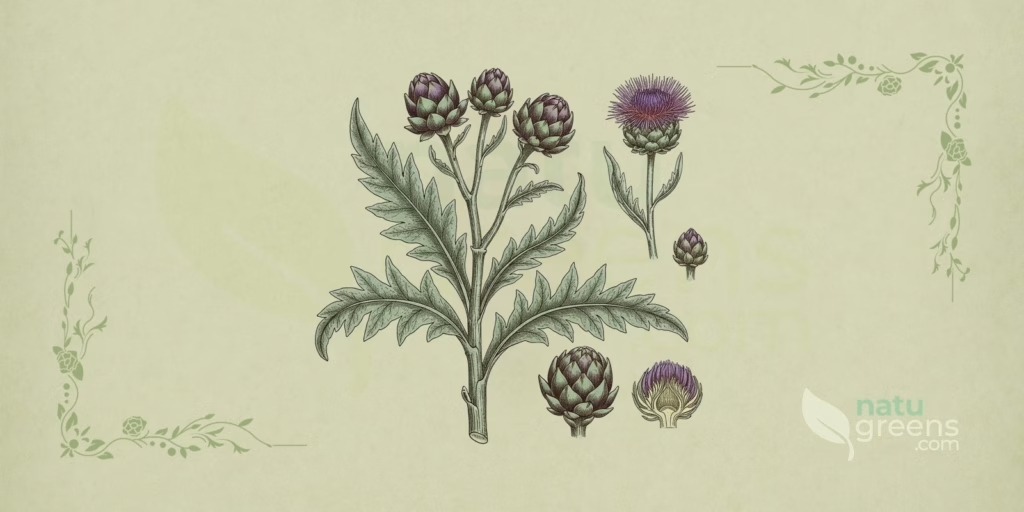
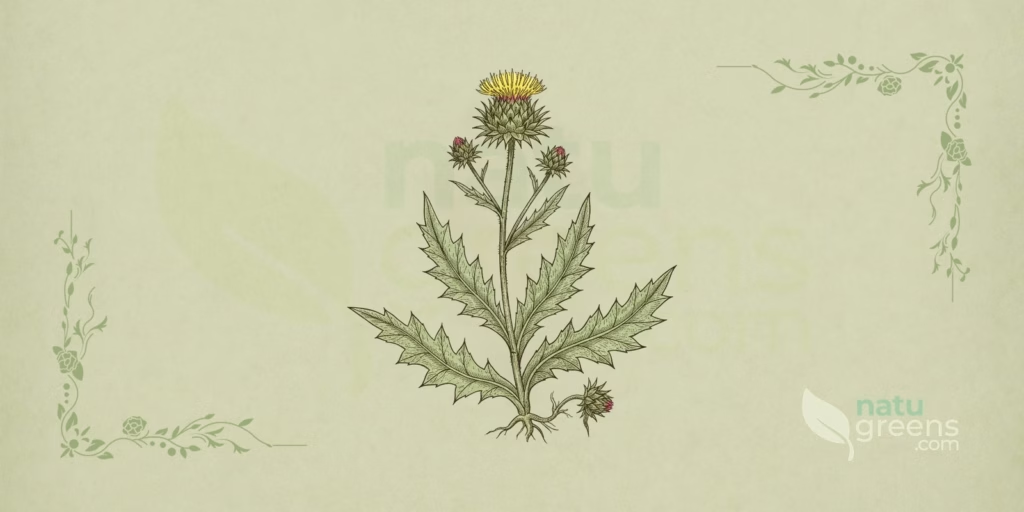
Carthamus tinctorius L. / Safflower, commonly known as safflower, false saffron and dyer’s saffron, is an annual herbaceous plant of the Asteraceae family described by Carl Linnaeus in 1753. Native to arid regions of southern Asia, China, India, Iran and Egypt, the species spread across several continents thanks to its many uses, both medicinal and industrial. Cultivated for millennia, the plant appears in historical records from Ancient Egypt, where it served as a dye and was part of funerary rituals. Its flowers, which range from yellow to reddish orange, are the most prized part of the plant, whether for extracting pigments or for herbal applications.
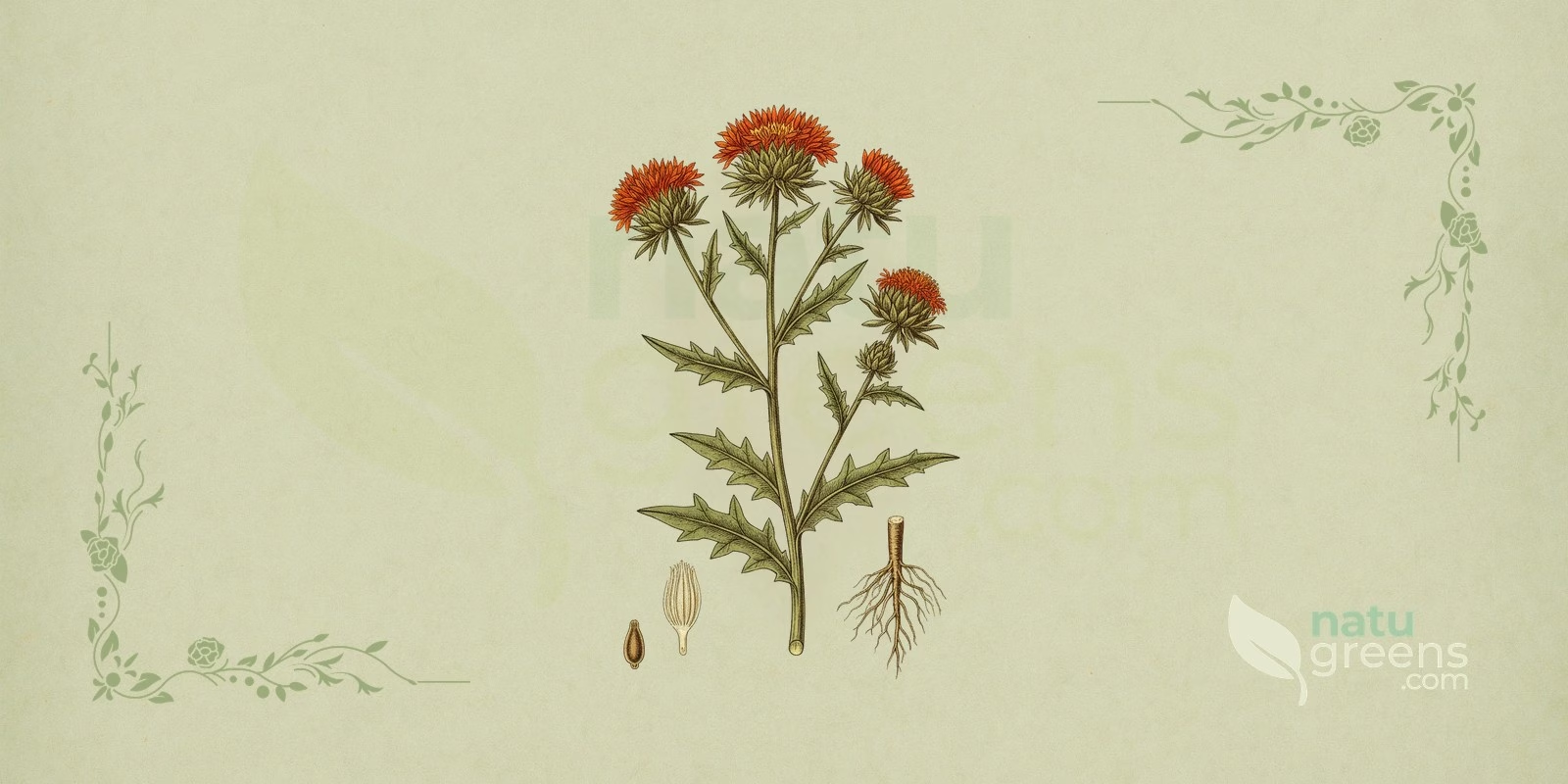
In herbal tradition, safflower holds a prominent place in cultures such as those of India and China, which use it for a wide range of complaints, from menstrual disorders to cardiovascular problems. Modern scientific research has been investigating many of these indications and describes a rich phytochemical composition that includes flavonoids, phenylethanoid glycosides and fatty acids, substances associated with the antioxidant, anti-inflammatory and anticoagulant activities observed in experimental studies. This body of data makes safflower a medicinal plant of great scientific interest, although most of the evidence still comes from laboratory and animal studies rather than from clinical trials in humans.
Popular and International Names of Safflower
The names given to safflower in different languages almost always echo its comparison with true saffron and the old use of its flowers in dyeing, as the forms used in each language show.
- English: dyer’s saffron, false saffron, safflower.
- French: carthame, safran bâtard, safran des teinturiers.
- German: Färberdistel, Saflor.
- Italian: cartamo, zafferanone.
- Portuguese: açafrão-agreste, açafrão-bastardo, açafrão-bravo, açafrão-dos-tintureiros, açafroa, açafrol, cártamo.
- Spanish: alazor, azafrán bastardo, cártamo.
Botanical Synonyms of Carthamus tinctorius
The name Carthamus tinctorius L. is the accepted botanical name for this species, but over the history of botany several synonyms have been assigned to it, reflecting both the morphological variation of the plant and the differing taxonomic interpretations of each period. The less common synonyms include the following names:
- Carthamus glaber Burm.f.
- Carthamus tinctorius var. inermis (Hegi) Schmalh.
- Carthamus tinctorius var. spinosus (Hegi) Schmalh.
The two varieties listed refer mainly to the presence or absence of spines on the leaves and bracts of the plant, features that can influence the oil content of the seeds and that help distinguish the cultivated types.
Botanical Family: Asteraceae
The Asteraceae family, also known as Compositae, is one of the largest and most diverse families of flowering plants, with about 1,900 genera and more than 32,000 species distributed worldwide. Its most distinctive feature is the inflorescence called a capitulum, or flower head, in which numerous small flowers, the florets, are densely clustered into a structure that resembles a single flower. The family includes many plants of great economic importance, such as sunflower, lettuce and artichoke, as well as countless species whose medicinal use is well established in tradition.
As a member of the Asteraceae, safflower shares morphological features typical of the group, including tubular flowers and bracts surrounding the flower head. The family also stands out for producing a vast range of bioactive compounds, such as sesquiterpene lactones, flavonoids and essential oils, which underlie the properties attributed to many of its species. This phytochemical diversity has been the subject of intensive research aimed at developing new plant-based drugs and supplements.
Parts of Safflower Used
Although the flower accounts for most of the traditional medicinal use, several parts of safflower are put to use, and it is worth distinguishing from the outset between the flower, used medicinally and as a dye, and the oil extracted from the seeds, which is a commonly consumed food.
- Flowers (florets)
- Fruits
- Leaves
- Seed oil
- Seeds
Ethnobotanical and Traditional Uses
The uses listed below bring together records from traditional and folk medicine in different regions, such as India, Iran, China and Thailand, and describe historical practices, not indications with efficacy proven by clinical studies.
- Abdominal pain after childbirth
- Amenorrhea (absence of menstruation)
- Antidote for scorpion stings (a historical record that does not replace emergency care)
- Arthritis
- Diabetes (Iranian folk medicine, without clinical evidence)
- Food and textile dye
- Gastric tumors (a traditional medicine record, without clinical evidence)
- Hair coloring (Thailand)
- Inflammation
- Jaundice (tea made from the dried flowers in India)
- Joint pain
- Mastalgia
- Melancholy
- Numb limbs
- Occasional constipation (used as a laxative)
- Phlegmatic fever (a concept from traditional humoral medicine)
- Psoriasis
- Relief of menstrual cramps and dysmenorrhea
- Rheumatism
- Scabies
- Skin blemishes and vitiligo
- Trauma
- Wounds (internal and external use)
Therapeutic Properties of Safflower
The properties below combine the traditional record with activities observed in laboratory and animal studies, and few of them have been confirmed in clinical trials in humans, so none of them replaces medical supervision.
- Analgesic (traditional record in pain relief, with the effect investigated in animal studies)
- Anticoagulant (effect on blood clotting described in experimental studies)
- Anti-inflammatory (activity observed in experimental studies)
- Antioxidant (free radical neutralization observed in laboratory assays)
- Antiplatelet (inhibition of platelet aggregation observed in experimental studies)
- Antiproliferative (activity observed in laboratory studies, without clinical evidence)
- Antipyretic (traditional record in the management of fever)
- Cardioprotective (effect on the cardiovascular system investigated in preclinical studies)
- Diuretic (traditional record of increased urine volume)
- Hypocholesterolemic (effect of the seed oil on cholesterol investigated in preliminary studies)
- Hypotensive (blood pressure reduction described in preliminary studies)
- Laxative (traditional record of a mild laxative effect)
- Neuroprotective (effect on the nervous system investigated in experimental models)
- Vasodilator (dilation of blood vessels observed in experimental studies)
Detailed Phytochemical Profile of Safflower
The chemical composition of safflower varies with the part of the plant, since the flowers concentrate pigments and flavonoids, such as carthamin and hydroxysafflor yellow A, while the seeds provide an oil rich in unsaturated fatty acids.
- Apigenin
- Carthamin (a red pigment of the quinochalcone group)
- Coumarins
- Flavonoids
- Hydroxysafflor yellow A (HSYA)
- Linoleic acid (omega-6)
- Oleic acid (monounsaturated)
- Phenylethanoid glycosides
- Stearic acid
- Steroids
Preparation and Administration Forms of Safflower
The forms of use vary with the part employed, as the flowers usually appear in teas, tinctures and extracts, whereas the seed oil is used in cooking, in capsules and in applications to the skin.
- Extracts
- Oil (culinary and topical use)
- Seed oil capsules
- Tea (infusion of the flowers)
- Tinctures
Synergy with Other Medicinal Plants
Cardiovascular Health
Because of the cholesterol-lowering and vasodilating activities described in studies, safflower appears in traditional combinations with plants such as garlic (Allium sativum) and hawthorn (Crataegus monogyna). Garlic is studied for its effects on cholesterol and blood pressure, while hawthorn has a long traditional record of use in supporting the heart muscle and coronary circulation. For this reason, the combination is traditionally used as a complementary approach to the health of the heart and blood vessels. Since garlic also interferes with platelet aggregation, adding it to safflower may intensify the effect on blood clotting, which calls for professional guidance, especially for anyone already taking anticoagulants, antiplatelet drugs or blood pressure medication.
Support in Inflammatory Conditions
In inflammatory conditions, safflower is traditionally paired with plants of well-established anti-inflammatory use, such as turmeric (Curcuma longa) and ginger (Zingiber officinale). According to experimental studies, curcumin from turmeric and gingerols from ginger modulate the inflammatory response through mechanisms different from those of safflower compounds, which is why the combination is traditionally used in chronic conditions such as arthritis. Turmeric and ginger may also add their own antiplatelet effect to that of safflower, so the combination calls for extra caution in people with clotting disorders or taking anticoagulants.
Digestive Support
Given the mild laxative effect described in tradition, safflower can be combined with senna (Senna alexandrina), traditionally used for occasional constipation, or with peppermint (Mentha × piperita), used for gastrointestinal discomfort. Senna acts as a stimulant laxative, while peppermint has carminative and antispasmodic action, and the combination should be used with caution, especially in the case of senna, which is not suitable for prolonged use because of the risk of dependence and other adverse effects. None of these combinations with the safflower flower should be used during pregnancy or breastfeeding.
Recipes and Usage Protocols of Safflower
Safflower Flower Tea for the Menstrual Period
Ingredients: A small portion of dried safflower flowers and one cup of boiling water, in a proportion to be adjusted with a health professional.
Preparation: Place the flowers in the cup, pour the boiling water over them, cover and let steep for 5 to 10 minutes before straining. This tea is traditionally used to ease menstrual cramps and regulate the cycle, owing to the emmenagogue and analgesic properties attributed to the flower. The frequency and duration of use should be set with a health professional, and the tea should not be taken during pregnancy, when pregnancy is suspected, or by anyone with heavy menstrual bleeding.
Safflower Oil in the Kitchen
Ingredients: Cold-pressed safflower seed oil.
Preparation: Use safflower oil in place of other vegetable oils in salads, dressings and dishes that do not require high temperatures, always in normal cooking amounts. Because of its high content of unsaturated fatty acids, it is often chosen as a fat option within a varied diet, and ideally its intake should be balanced with sources of omega-3, since too much omega-6 can upset this ratio.
Safflower Flower Tincture for Muscle and Joint Pain
Ingredients: 50 g of dried safflower flowers and 250 ml of 70% grain alcohol.
Preparation: Place the flowers in a dark glass jar, cover them with the alcohol, seal tightly and leave to macerate for 2 to 4 weeks in a cool, dark place, shaking daily, before straining and storing the tincture. It is traditionally used to relieve muscle, joint and inflammatory pain, and it concentrates the active constituents of the flower, which makes the dose a delicate matter: the amount and frequency should be determined by a health professional, and the tincture should be avoided during pregnancy and breastfeeding, by people taking anticoagulants or antiplatelet drugs, and in cases of heavy menstrual bleeding.
The preparations above follow traditional records and do not replace professional guidance. Before any internal use, check the contraindications and interactions described in this article.
Associated Therapies
Acupuncture
In Traditional Chinese Medicine, safflower (hóng huā) is often used alongside acupuncture in conditions that this tradition associates with blood stasis, such as pain, amenorrhea and cardiovascular complaints. Chinese practice records the application of safflower preparations to specific acupuncture points with the aim of enhancing the stimulation of circulation and the relief of pain, within an integrative approach that, according to TCM principles, seeks to rebalance the body’s energy. This type of procedure, however, should only be performed by a qualified practitioner.
Clinical Herbal Medicine
In modern clinical herbal medicine, safflower appears in various formulations, including standardized extracts and capsules, studied as a complement in the management of dyslipidemia, cardiovascular disease and inflammatory conditions. Recommending it is a matter for a qualified professional, who weighs the available evidence, each patient’s needs and possible interactions with other medications, especially anticoagulants, antiplatelet drugs and antidiabetic drugs. In this context, safflower serves only as a complementary agent in supporting cardiovascular health and lipid metabolism, never as a substitute for conventional treatment.
Traditional Chinese Medicine (TCM)
In TCM, the safflower flower (hóng huā) is classified as an herb that moves the blood and dissolves stasis, traditionally used as an emmenagogue, that is, a stimulant of menstrual flow, and to activate circulation in conditions such as dysmenorrhea, amenorrhea, postpartum pain, trauma and joint pain. It is usually combined with other herbs in complex formulas designed to enhance its effects and address specific energetic imbalances. The tradition regards it as a central component for revitalizing circulation and relieving pain associated with blood stagnation, which is why TCM itself restricts its use in pregnancy.
Contraindications and Side Effects of Safflower
The safflower flower, traditionally used in Chinese medicine as an emmenagogue (a stimulant of menstrual flow) and to activate circulation, has well-defined contraindications and can cause side effects, especially at high doses or in sensitive people. The seed oil, a common food, has a different safety profile. For this reason, medicinal use of the flower calls for caution and, preferably, the guidance of a qualified health professional.
Warning: the flower (unlike the seed oil) is traditionally contraindicated in pregnancy, because of its historical use as a uterine stimulant; caution is needed in people who take anticoagulants or antiplatelet drugs, because of the possible additive effect on circulation; allergic reactions are possible in people sensitive to plants of the Asteraceae family; and caution is recommended in heavy menstrual bleeding. The seed oil in usual dietary use does not carry these risks.
Contraindications and Precautions
- Asteraceae Allergy: People with a known allergy to plants of the Asteraceae family, such as daisies, chrysanthemums and ragweed, should avoid the safflower flower because of the risk of allergic reactions.
- Bleeding Disorders: Anyone with clotting disorders or scheduled surgery should avoid the flower, since its anticoagulant properties may increase the risk of bleeding.
- Breastfeeding: Women who are breastfeeding should avoid medicinal use of safflower, as there are not enough data on its safety for the infant.
- Children: Medicinal use of safflower in children is not recommended without medical guidance.
- Heavy Menstrual Bleeding: Since tradition credits the flower with stimulating menstrual flow, its use calls for caution in women with heavy periods or with uterine bleeding that has not yet been diagnosed.
- Pregnancy: The flower is contraindicated in pregnancy because of its potential emmenagogue and abortifacient effect, which may stimulate uterine contractions and impair embryonic development; animal studies have shown histological changes in the nervous system of embryos and developmental disorders.
Drug Interactions
- Anticoagulants and Antiplatelet Drugs: Use alongside warfarin, acetylsalicylic acid (aspirin), clopidogrel and similar drugs requires extreme caution, as the additive effect on circulation may heighten the risk of hemorrhage; the same applies to combination with plants of similar action, such as garlic, turmeric and ginger.
- Antidiabetic Drugs: People with diabetes, especially those using insulin or oral antidiabetic drugs, should use safflower with caution, as it may influence blood glucose levels and require closer monitoring of blood sugar.
- Antihypertensives: Since preliminary studies describe a hypotensive effect, people taking blood pressure medication should inform their doctor before turning to the safflower flower.
Possible Side Effects
- Allergic Reactions: Although rare, skin reactions such as contact dermatitis or hives may occur in sensitive people.
- Effects on Fertility: Animal studies suggest that safflower may have adverse effects on male and female fertility, including a reduction in ovarian follicles and testicular toxicity, findings that have not yet been confirmed in humans.
- Fatty Acid Imbalance: The high linoleic acid (omega-6) content of safflower oil may, when consumed in excess, upset the ratio between omega-6 and omega-3, which may have long-term health implications.
- Gastrointestinal Disorders: Consumption of safflower oil, especially in high doses, may cause nausea, vomiting and diarrhea.
Historical Notes and Interesting Facts
One of the Oldest Crops
Safflower is recognized as one of humanity’s oldest crops, with evidence of use dating back more than 4,000 years. Seeds and garlands made from its flowers have been found in ancient Egyptian tombs, including that of the pharaoh Tutankhamun, which shows its cultural and ritual importance. This long history of cultivation helps explain the plant’s role in the development of agricultural and medicinal practices across many civilizations.
The “Bastard Saffron”
Safflower is called “bastard saffron” or “dyer’s saffron” because it produces a yellow-orange dye similar to that of true saffron (Crocus sativus), and for this reason it was widely used as a more affordable substitute for saffron in cooking and dyeing. The genus name, Carthamus, is usually linked to the Arabic “kurthum” and the Hebrew “kartami”, terms connected with the act of dyeing, while the epithet tinctorius comes from Latin and means “of the dyers”, which underlines the plant’s historical role as a source of dye.
Industrial and Medicinal Versatility
Beyond its medicinal uses, safflower has remarkable industrial versatility, since before the advent of synthetic dyes it was one of the main sources of pigments for the textile industry, with a palette ranging from yellow to mustard, khaki and even red. Today the plant is grown mainly for its oil-rich seeds, whose oil is valued in the food industry as cooking oil and in cosmetics for its moisturizing properties. This dual role, spanning health and industry, explains the continuing importance of safflower in different markets.
Frequently Asked Questions about Safflower
Does Safflower Tea Help with Weight Loss?
Although safflower oil is popularly associated with weight loss because of its linoleic acid content, direct scientific evidence on safflower tea for weight loss is limited. Some studies suggest that conjugated linoleic acid (CLA), obtained from safflower oil, may help reduce body fat, but tradition attributes mainly a diuretic action to the tea, and its antioxidant effect has been observed only in the laboratory. At best, it can accompany a balanced diet and regular exercise, without working as a stand-alone solution.
What Benefits Are Attributed to Safflower Tea?
Safflower tea is valued for the anti-inflammatory, antioxidant, analgesic and anticoagulant activities described in studies, most of them experimental. Tradition uses it for menstrual cramps, fever and jaundice and in support of cardiovascular health, and compounds in the flowers such as flavonoids and hydroxysafflor yellow A are being investigated for their action on blood circulation and for protecting cells against oxidative stress. These traditional uses, however, do not replace diagnosis or treatment by a doctor.
Does Safflower Tea Have Contraindications?
Yes, and they are important, since the flower is contraindicated in pregnancy because of its historical use as a uterine stimulant and the risk of contractions and miscarriage, and it also calls for caution in cases of heavy menstrual bleeding. People with bleeding disorders or who take anticoagulants or antiplatelet drugs should avoid the tea, because the additive effect on circulation may increase the risk of hemorrhage, and anyone allergic to plants of the Asteraceae family should also abstain. If in doubt, it is best to consult a health professional before using the plant.
How Should Safflower Tea Be Prepared?
The traditional method is infusion, in which a small portion of dried flowers is placed in a cup, boiling water is poured over it and the cup is kept covered for 5 to 10 minutes before straining, without boiling the flowers directly in the water. The amount of flowers, the frequency and the duration of use should be set with a health professional, since the flower has important contraindications, and the tea is usually drunk warm and unsweetened.
Can Safflower Tea Be Taken Every Day?
Daily consumption of safflower tea should be moderate and preferably supervised by a professional, because there are not enough safety data on continuous use of the flower. Prolonged use in large amounts may lead to side effects such as gastrointestinal disturbances and requires extra attention in people with other health conditions or who take medication, which is why breaks from regular use are recommended, as with any medicinal plant.
Does Safflower Oil Carry the Same Risks as the Flower?
No, because the contraindications related to pregnancy, circulation and menstrual bleeding concern the flower, traditionally used as an emmenagogue and to activate circulation, and the seed oil in usual dietary use does not carry these risks. That does not justify excess, since high intake of the oil can cause gastrointestinal discomfort and upset the ratio between omega-6 and omega-3 in the diet.
Notice: this content is for informational purposes and does not replace professional medical advice. Consult a physician or herbal practitioner before using medicinal plants, especially during pregnancy, breastfeeding, or alongside medication.
References and Scientific Studies
- PMC2013 Asgarpanah J, Kazemivash N. Phytochemistry, pharmacology and medicinal properties of Carthamus tinctorius L. Chinese Journal of Integrative Medicine. 2013.
- PMC2025 Bai H, et al. Carthamus tinctorius L.: a comprehensive review of its ethnomedicine, phytochemistry, pharmacology, and clinical applications. Frontiers in Pharmacology. 2025.
- PMC2024 Cheng H, et al. Genetic diversity, clinical uses, and phytochemical and pharmacological properties of safflower (Carthamus tinctorius L.): an important medicinal plant. Frontiers in Pharmacology. 2024.
- PMC2018 Delshad E, et al. Medical uses of Carthamus tinctorius L. (Safflower): a comprehensive review from Traditional Medicine to Modern Medicine. Electronic Physician. 2018.
- PMC2013 Louei Monfared A, Salati AP. Effects of Carthamus tinctorius L. on the ovarian histomorphology and the female reproductive hormones in mice. Avicenna Journal of Phytomedicine. 2013.
- PMC2000 Nobakht M, et al. A study on the teratogenic and cytotoxic effects of safflower extract. Journal of Ethnopharmacology. 2000.
- PMC1996 Yasukawa K, et al. Inhibitory effect of alkane-6,8-diols, the components of safflower, on tumor promotion by 12-O-tetradecanoylphorbol-13-acetate in two-stage carcinogenesis in mouse skin. Oncology. 1996.