Quick summary
Bael (Aegle marmelos (L.) Corrêa), also known as golden apple or stone apple, is a deciduous tree in the Rutaceae family. Carl Linnaeus originally described it as Crateva marmelos, and the Portuguese botanist José Francisco Corrêa da Serra later transferred it to the genus Aegle. Native to the Indian subcontinent and…
Main caution: Bael is generally considered safe in food amounts, but medicinal doses should be avoided during pregnancy and breastfeeding due to a lack of data, a caveat that does not apply to ripe fruit eaten occasionally as food.…
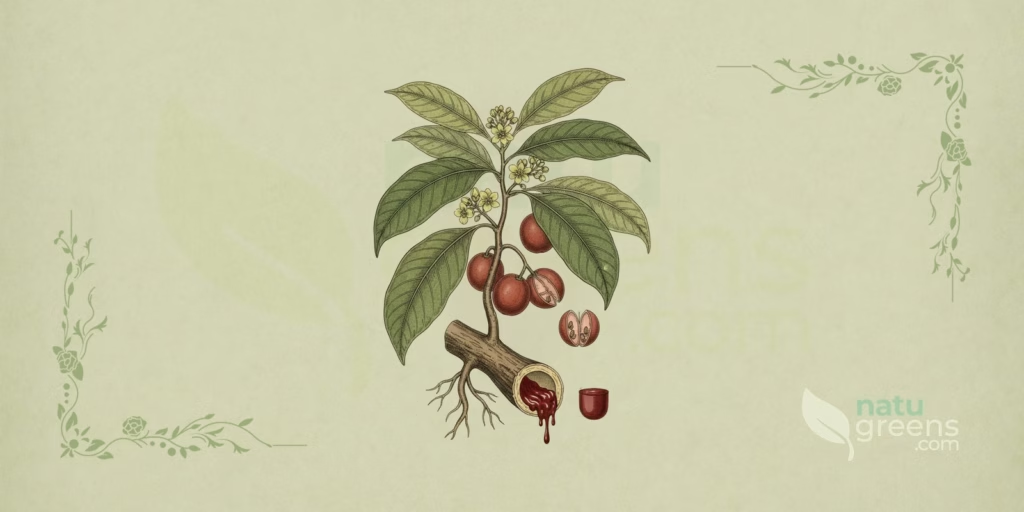
Bael (Aegle marmelos (L.) Corrêa), also known as golden apple or stone apple, is a deciduous tree in the Rutaceae family. Carl Linnaeus originally described it as Crateva marmelos, and the Portuguese botanist José Francisco Corrêa da Serra later transferred it to the genus Aegle. Native to the Indian subcontinent and Southeast Asia, the species grows in India, Pakistan, Bangladesh, Sri Lanka and Nepal, and for centuries it has been revered by Hindus and Buddhists, who place it at the center of many cultural and religious practices.
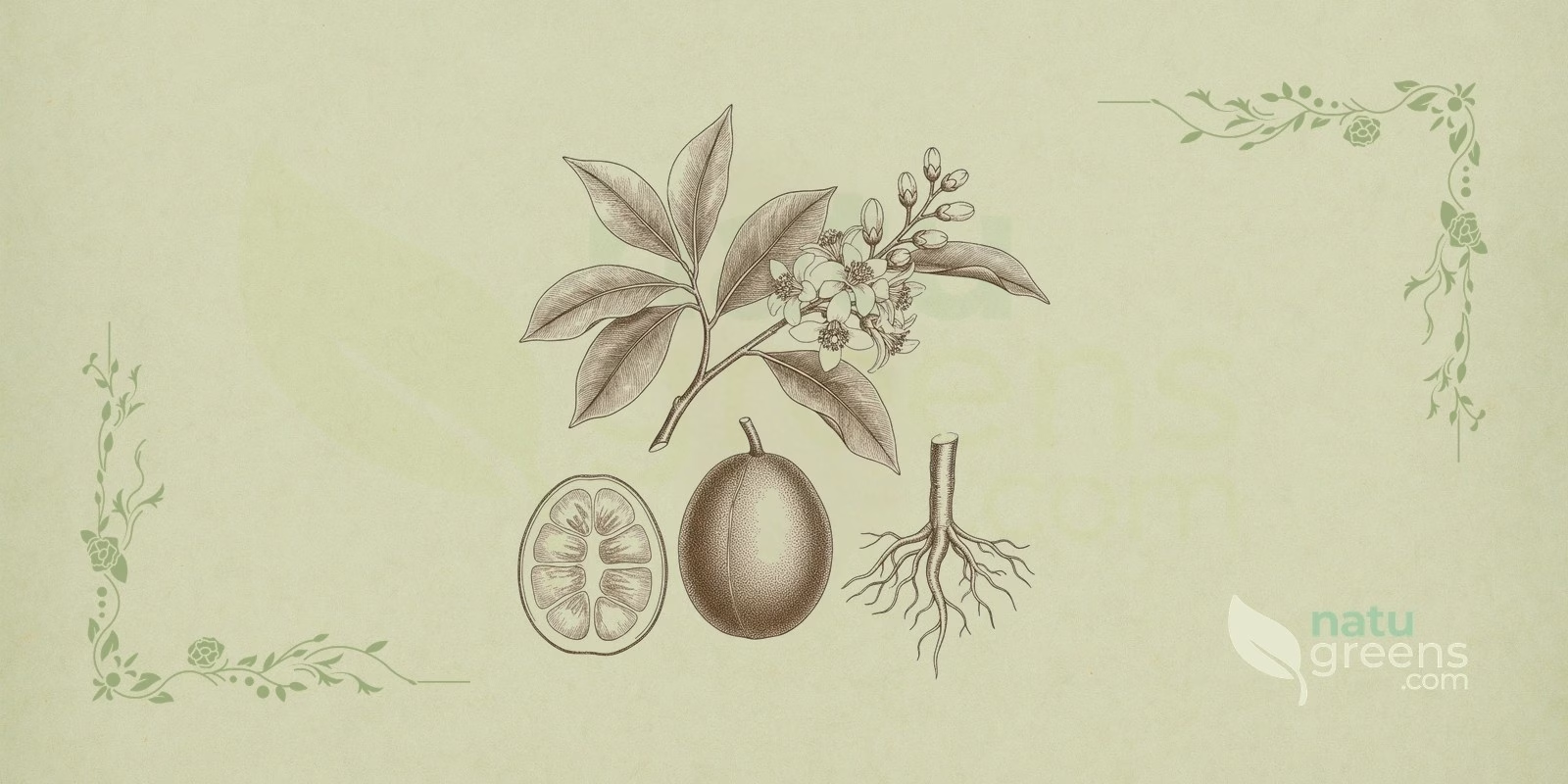
In traditional medicine, above all in Ayurveda, virtually every part of the bael tree is put to use, and modern research has been examining many of these ethnobotanical uses in laboratory studies and animal models. Its rich phytochemistry, which includes alkaloids, coumarins and flavonoids, helps explain why researchers are interested in it, and this article brings together the botanical features, traditional uses, chemical profile, preparation methods and safety precautions associated with the plant.
Popular and International Names of Bael
- English: bael, bael fruit, Bengal quince, golden apple, Indian bael, stone apple.
- French: bilva, cognassier du Bengale.
- German: Baelbaum, Bengalische Quitte.
- Italian: cotogno del Bengala, mela di pietra.
- Portuguese: bael, maçã de pedra, maçã dourada, marmelo-de-bengala.
- Spanish: bél, manzana de piedra, membrillo de Bengala.
Botanical Synonyms of Aegle marmelos
- Belou marmelos (L.) A.Lyons
- Crateva marmelos L. (basionym)
The botanical synonyms of Aegle marmelos (L.) Corrêa reflect the taxonomic history of the species, which began with the basionym Crateva marmelos L. and passed through Belou marmelos (L.) A.Lyons before settling on the name accepted today. Because these older names still turn up frequently in earlier literature, knowing them is essential for anyone researching the plant who needs to identify it accurately across different botanical and ethnobotanical contexts.
Botanical Family: Rutaceae
The Rutaceae, known as the citrus family, include a wide range of trees, shrubs and herbs characterized by oil glands in the leaves, which give the group its distinctive aromas. The family is of great economic importance thanks to edible fruits such as oranges, lemons and grapefruits, and many of its species have a history of traditional medicinal use linked to remarkably rich phytochemical profiles.
As a member of the Rutaceae, bael shares botanical and chemical traits with other plants in the group, and its composition, rich in coumarins, flavonoids and alkaloids, reflects the biochemical diversity of the family. Because of this wealth of bioactive compounds, the Rutaceae remain the subject of ongoing research into possible pharmaceutical and nutritional applications.
Parts of Bael Used
- Bark
- Fruits (ripe and unripe)
- Leaves
- Roots
- Seeds
Ethnobotanical and Traditional Uses
- Cardiac palpitations, in traditional records
- Diabetes, a traditional use now under research
- Fever control in folk medicine
- Nausea and vomiting, in traditional records
- Traditional relief of chronic diarrhea and dysentery, using the pulp of the unripe fruit
- Traditional support for digestive complaints and gastritis
- Urinary complaints, in traditional records
Therapeutic Properties of Bael
- Antibacterial (activity observed in laboratory studies)
- Antidiarrheal (traditional record, associated with the pulp of the unripe fruit)
- Anti-inflammatory (preliminary studies in experimental models)
- Antioxidant (activity observed in laboratory studies)
- Antiproliferative (activity observed in laboratory studies, without clinical evidence)
- Antiviral (activity observed in laboratory studies)
- Cardioprotective (preliminary studies in animal models)
- Gastroprotective (preliminary studies in animal models)
- Hepatoprotective (preliminary studies in animal models)
- Hypoglycemic (under research, with results in animal models and small trials)
- Radioprotective (experimental studies in animals)
Detailed Phytochemical Profile of Bael
- Aegelenine
- Aegeline
- Alkaloids
- Alloimperatorin
- Coumarins (marmesin, marmelosin, psoralen, scopoletin)
- Essential oils
- Flavonoids (luteolin, quercetin, rutin)
- Fragrine
- Furanocoumarins (xanthotoxol)
- Phenolic acids
- Tannins
Preparation and Administration Forms of Bael
- Decoction
- Extracts
- Infusion
- Juice (from the fresh fruit)
- Powder (from the dried fruit)
- Tincture
Synergy with Other Medicinal Plants
Digestive Complaints
In traditional practice, bael is often combined with ginger (Zingiber officinale) and peppermint (Mentha × piperita) in preparations aimed at digestive discomfort, since bael is credited with antidiarrheal and gastroprotective action, while ginger and peppermint are known for their carminative and antispasmodic use. This combination is traditionally used for bloating, gas and cramps, as support for more comfortable digestion.
Blood Sugar Control
In traditional records and in recent lines of research, bael appears alongside cinnamon (Cinnamomum verum) and gymnema (Gymnema sylvestre), two plants that have also been studied for a possible influence on blood glucose. The hypoglycemic effect of bael and gymnema has been observed in animal models and small trials, and the action of cinnamon on insulin sensitivity is still under investigation, so this combination remains a subject of research and never replaces medical care for diabetes; anyone using insulin or oral antidiabetic drugs should talk to their doctor before trying it.
Recipes and Usage Protocols of Bael
Bael Leaf Infusion
A preparation traditionally used during episodes of diarrhea, particularly in Indian folk medicine.
Ingredients: a small portion of dried bael leaves and one cup of boiling water.
Preparation: place the leaves in the cup, pour the boiling water over them, cover and let them steep for about 10 minutes before straining and drinking the infusion warm. The amount and frequency of use have not been standardized for leaf preparations, which concentrate compounds studied for their effects on male fertility, so consult a healthcare professional before use. Tradition attributes astringent and antimicrobial compounds to the leaves, linked to the normalization of bowel function.
Fresh Bael Fruit Juice
A drink traditionally taken after meals as a digestive, made with the ripe fruit.
Ingredients: the pulp of half a ripe bael fruit, 200 ml of water, and honey or sugar to taste (optional).
Preparation: scoop out the pulp, mix it with the water and blend until smooth, then strain to remove the fibers and seeds and sweeten to taste if you wish. Ayurvedic tradition considers the ripe fruit a mild laxative, the opposite of the unripe fruit, but eating too much of it can cause constipation and a feeling of heaviness in the stomach, so an occasional glass is best rather than several servings a day.
Bael Bark Decoction
A preparation traditionally used for fever and the aches that accompany it.
Ingredients: a small portion of dried bael bark and water.
Preparation: put the bark and water in a saucepan, bring to a boil and let it simmer for 15 to 20 minutes, then strain and allow it to cool until lukewarm. Since the bark has also been studied for antifertility activity in male rats and no safe dose has been established, consult a healthcare professional to decide whether and how to use it. This traditional use should only ever be complementary and must never replace medical care in case of fever.
The preparations above follow traditional records and do not replace professional guidance. Before any internal use, check the contraindications and interactions described in this article.
Associated Therapies
Ayurveda
In Ayurvedic medicine, bael, known as bilva, is a fundamental and revered plant, traditionally used to balance the Vata and Kapha doshas and regarded as a tonic for the digestive system. The unripe fruit is valued for its astringent and antidiarrheal qualities, whereas the ripe fruit is seen as a mild laxative, and the leaves, roots and bark go into a range of traditional formulations aimed at complaints from gastrointestinal disorders to fevers and inflammation, always within a holistic approach to health.
Phytotherapy
Contemporary phytotherapy is interested in bael mainly because of its phytochemical composition, and standardized extracts of the plant have been studied for antidiarrheal, antimicrobial, anti-inflammatory and antioxidant activity, largely still in the laboratory and in animal models. Research has isolated compounds such as marmelosin and aegeline, which are being investigated as possible starting points for new drugs, and any complementary use for gastrointestinal disorders, diabetes or other conditions should rest on evidence and take place under the supervision of a healthcare professional.
Contraindications and Side Effects of Bael
General Contraindications
Bael is generally considered safe in food amounts, but medicinal doses should be avoided during pregnancy and breastfeeding due to a lack of data, a caveat that does not apply to ripe fruit eaten occasionally as food. Studies in male rats with leaf extract showed a reversible antifertility effect, so men trying to conceive should avoid concentrated leaf extracts; a study with methanolic bark extract also recorded antifertility activity in male rats. Medicinal use in children should only take place under professional guidance, and people with chronic gastrointestinal problems should consult a healthcare professional before using the plant.
Unripe Fruit and Ripe Fruit
The pulp of the unripe fruit is the traditional remedy for diarrhea, while the ripe fruit has the opposite effect, so readers should not substitute one for the other. Eating too much ripe fruit causes constipation and a feeling of heaviness in the stomach, an effect partly linked to its high tannin content.
Drug Interactions
The hypoglycemic effect of bael seen in animal models and small trials is still under research, but it calls for caution in people using insulin or oral antidiabetic drugs, since the combined effects could lower blood sugar too much. Because it is rich in tannins, bael should be taken 2 hours apart from iron supplements and medications so as not to interfere with their absorption.
Side Effects
At high doses or in concentrated preparations, bael can cause unwanted effects, and in rare cases allergic reactions have been reported in sensitive individuals. Aegeline, a compound isolated from the leaves, has been associated with cases of acute non-viral hepatitis when consumed in concentrated dietary supplements, which reinforces the advice to use the plant in moderation, preferably in traditional preparations, and to avoid isolated compounds without medical guidance.
Correct Species Identification
Bael is not the European quince (Cydonia oblonga), despite the common name Bengal quince, and it should not be confused with wood apple (Limonia acidissima, synonym Feronia limonia), another tree in the Rutaceae family with a hard-shelled fruit. In English, the safest terms are bael or Bengal quince, because the word "quince" on its own refers to Cydonia oblonga.
Historical Notes and Interesting Facts
The Sacred Tree
In India, bael ranks among the most sacred trees, especially for Hindus, and it is often planted near temples and homes. Its trifoliate leaves are seen as a symbol of the trident of the god Shiva and are offered in rituals of worship, a veneration that goes back to ancient texts associated with the Rigveda, in which the plant is linked to the goddess Lakshmi, deity of wealth and prosperity. This belief in the sanctity of the tree still contributes to its preservation and continued use in Indian culture.
A Versatile Fruit
Despite its extremely hard shell, which often takes a hammer or a machete to crack open, the bael fruit is remarkably versatile, and its aromatic pulp is turned into refreshing drinks such as sharbat, as well as sweets and preserves. Because it can be stored for long periods once dried, the fruit is also an important food in the regions where it is grown, which shows its weight in both cooking and traditional medicine.
Symbolic Marriage to the Fruit
In the Newar culture of Nepal, bael plays a central role in a ritual for girls known as Bel Bibaaha, in which they are symbolically married to the fruit. According to the belief, as long as the fruit remains intact the woman can never be considered a widow, even if her human husband dies, and for this reason the ritual secures a higher social status for widows in the Newar community, in contrast with the situation of other women in Nepal. The practice reveals the deep cultural and symbolic bond between the plant and local life and society.
Frequently Asked Questions about Bael
What Is Bael?
Bael (Aegle marmelos) is a tree of the Rutaceae family native to the Indian subcontinent and Southeast Asia, known for its edible fruits with a hard shell and aromatic pulp. Its leaves, bark, roots and fruits are used in traditional medicine, especially in Ayurveda, and the fruit is eaten fresh or in culinary preparations. Despite the name Bengal quince, it is neither the European quince (Cydonia oblonga) nor wood apple (Limonia acidissima).
What Are the Main Traditional Uses of Bael?
Tradition uses bael mainly for digestive problems such as diarrhea and dysentery, as well as for fever, nausea and palpitations. Laboratory and animal studies are investigating antimicrobial, anti-inflammatory, antioxidant, gastroprotective and hepatoprotective activity, but these findings have not yet been confirmed in clinical trials. The effect on blood sugar is still under research and does not replace diabetes care.
Do Unripe and Ripe Bael Fruit Have the Same Effect?
No. The pulp of the unripe fruit is the traditional remedy for diarrhea, while the ripe fruit has the opposite effect, so readers should not substitute one for the other. In addition, eating too much ripe fruit causes constipation and a feeling of heaviness in the stomach.
Who Should Avoid Bael?
Medicinal doses should be avoided during pregnancy and breastfeeding due to a lack of data, and men trying to conceive should avoid concentrated leaf extracts, since studies in male rats showed a reversible antifertility effect. People using insulin or oral antidiabetic drugs need to be cautious because of the hypoglycemic effect under research. As the plant is rich in tannins, it is advisable to leave 2 hours between it and iron supplements or medications.
How Is Bael Traditionally Used?
The leaves are prepared as infusions, the pulp of the fresh fruit is eaten as is or made into juices and refreshing drinks, the dried fruit can be ground into powder, and the bark and roots go into decoctions. For medicinal leaf or bark preparations, consult a healthcare professional about amount and frequency. Concentrated extracts or isolated compounds, such as aegeline, should not be used without medical supervision.
Where Can You Find Bael?
Bael is cultivated in countries such as India, Pakistan, Bangladesh, Sri Lanka and Nepal. Outside these regions, it usually turns up in Asian grocery stores and health food shops, generally as dried fruit, powder or extract. It is best to choose reliable suppliers who guarantee correct identification of the species and the quality of the product.
Notice: this content is for informational purposes and does not replace professional medical advice. Consult a physician or herbal practitioner before using medicinal plants, especially during pregnancy, breastfeeding, or alongside medication.
How to cite this article
NATUGREENS. Bael (Aegle marmelos): Properties and Benefits. Natugreens, 8 Nov. 2026. Disponível em: https://natugreens.com/bael-aegle-marmelos/. Accessed: Nov. 9, 2026.
Natugreens. (2026). Bael (Aegle marmelos): Properties and Benefits. Natugreens. https://natugreens.com/bael-aegle-marmelos/
References and Scientific Studies
- PMC2012 Agrawal SS, et al. Antifertility activity of methanolic bark extract of Aegle marmelos (l.) in male wistar rats. Daru. 2012.
- PMC2023 Monika S, et al. Phytochemical and biological review of Aegle marmelos Linn. Future Sci OA. 2023.
- PMC2025 Thakur M, et al. Exploring pharmacological potential of Aegle marmelos: integrating traditional knowledge with modern physiology and molecular biology. Physiol Mol Biol Plants. 2025.
- PMC2021 Venthodika A, et al. Bioactive compounds of Aegle marmelos L., medicinal values and its food applications: A critical review. Phytother Res. 2021.