Quick summary
Vijayasar (Pterocarpus marsupium Roxb.), also known as Indian kino tree, bijasal or beejaka, is a deciduous tree of the Fabaceae family, native to India, Nepal and Sri Lanka, and used for centuries in Ayurvedic medicine. Indian tradition uses it for complaints such as diabetes, obesity, diarrhea and skin diseases…
Main caution: Warning: the Indian clinical trials on the hypoglycemic effect of vijayasar are preliminary and dated, and the plant is under study, not a substitute for medical treatment of diabetes. There is a real risk of…
Vijayasar (Pterocarpus marsupium Roxb.), also known as Indian kino tree, bijasal or beejaka, is a deciduous tree of the Fabaceae family, native to India, Nepal and Sri Lanka, and used for centuries in Ayurvedic medicine. Indian tradition uses it for complaints such as diabetes, obesity, diarrhea and skin diseases, including vitiligo, eczema and psoriasis, and the heartwood is the most valued part, followed by kino, the reddish resin that oozes from the wounded trunk and gives the tree its common name. These uses are a traditional record, and even the effect on blood sugar, the most researched, is still under study.
In Indian herbal tradition, vijayasar holds a prominent place as a plant associated with metabolic balance and the reduction of inflammation. Modern research has focused mainly on its antidiabetic potential, with animal studies and a few preliminary and dated Indian clinical trials, which has made the species one of the most investigated Ayurvedic plants, but has not turned it into a substitute for medical treatment of diabetes. Intensive exploitation of the wood has also led to the species being classified as Near Threatened by the IUCN, so the origin of the material matters.
Popular and International Names of Vijayasar
- English: bijasal, Indian kino tree, Malabar kino, vijayasar.
- French: kino de l'Inde, vijaysar.
- German: Indischer Kino-Baum, Malabar-Kino.
- Hindi and Sanskrit: beejaka, bijasal, vijayasar.
- Italian: kino indiano, vijaysar.
- Portuguese: árvore-do-kino-da-índia, bijasal, kino-da-índia, kino-indiano, vijayasar, vijaysar.
- Spanish: árbol de kino de la India, vijaysar.
Botanical Synonyms of Vijayasar
Pterocarpus marsupium Roxb. is the accepted botanical name for the species, established at the end of the 18th century by the Scottish botanist William Roxburgh, who described and catalogued many Indian plants. There are no widely used synonyms causing confusion in the current literature, but older works record the name Pterocarpus bilobus and, through misapplication, Pterocarpus indicus, which actually refers to another Southeast Asian tree. The more serious confusion, however, is not about synonyms but about other plants that produce kino or reddish wood, such as red sandalwood, covered in the Contraindications.
- Pterocarpus bilobus Roxb.
- Pterocarpus indicus auct. non Willd. (name applied in error)
Botanical Family: Fabaceae
The Fabaceae family, also known as Leguminosae, is one of the largest families of flowering plants, with about 765 genera and more than 19,500 species distributed worldwide. It is characterized by pod-shaped fruits and by the ability of many species to fix atmospheric nitrogen in symbiosis with bacteria, and it includes plants of great food, economic and medicinal importance, such as beans, soybeans, peanuts and carob.
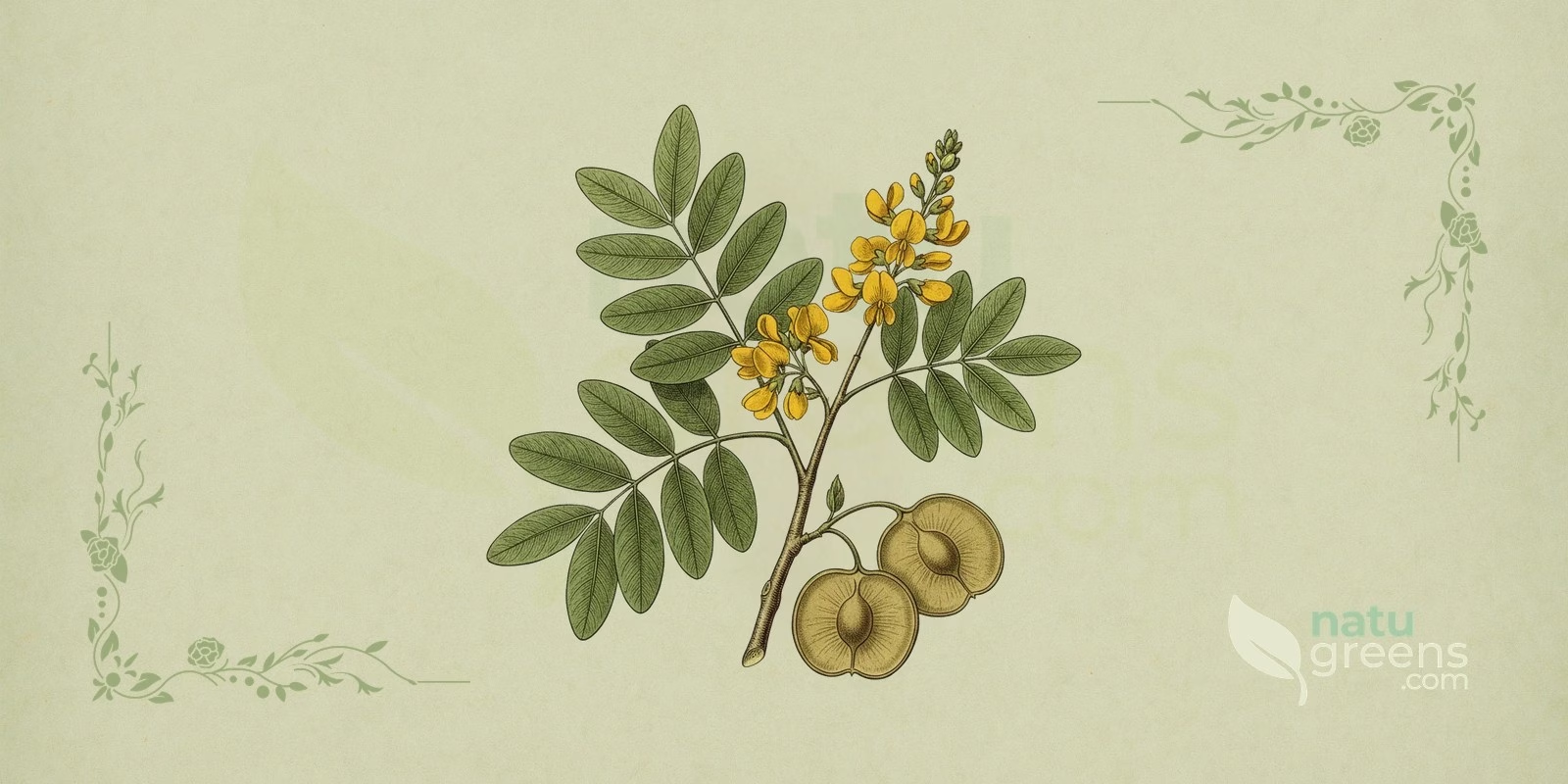
Vijayasar shares typical features of the family, such as compound leaves and yellow papilionaceous flowers, but its fruit is a flat, rounded pod surrounded by a broad wing, an adaptation to wind dispersal that gives the genus Pterocarpus, winged fruit, its name. The Fabaceae produce a huge variety of bioactive compounds, such as flavonoids, tannins, alkaloids and terpenoids, and this chemical diversity underpins much of the pharmacological research on the family.
Parts of Vijayasar Used
- Bark
- Fruits
- Heartwood (central part of the wood)
- Kino (resin exuded from the trunk)
- Leaves
- Seeds
Ethnobotanical and Traditional Uses of Vijayasar
- Ayurvedic record for diabetes (Prameha) and associated anemia.
- Traditionally recorded for asthma, bronchitis and cough.
- Traditionally recorded for bruises and fractures.
- Traditionally recorded for diarrhea and dysentery.
- Traditionally recorded for elephantiasis and erysipelas.
- Traditionally recorded for eye problems.
- Traditionally recorded for indigestion.
- Traditionally recorded for leprosy.
- Traditionally recorded for mild bleeding.
- Traditionally recorded for obesity.
- Traditionally recorded for rheumatoid arthritis and gout.
- Traditionally recorded for skin diseases such as eczema, leukoderma, psoriasis and vitiligo.
- Traditionally recorded for toothache.
Therapeutic Properties of Vijayasar
- Analgesic (traditional Ayurvedic record)
- Antibacterial (activity of extracts in laboratory studies)
- Antidiabetic (under study; preliminary and dated Indian clinical trials)
- Anti-inflammatory (observed in animal studies)
- Antioxidant (attributed to flavonoids and stilbenes in in vitro assays)
- Astringent (attributed to the tannins of the kino and bark)
- Cardioprotective (findings in animal models of atherosclerosis)
- Hypoglycemic (glucose reduction in animals and in preliminary clinical studies, not a substitute for treatment)
- Regenerative (effect on pancreatic cells described only in rats)
Detailed Phytochemical Profile of Vijayasar
The heartwood of vijayasar concentrates most of the compounds studied, including flavonoids such as liquiritigenin, marsupin, pterosupin and marsupol, the stilbene pterostilbene, related to resveratrol, and epicatechin, a flavanol to which old rat studies attributed an effect on pancreatic beta cells. Glycosides such as pterocarposide and marsuposide have also been isolated, along with the compound C-β-D-glucopyranosyl-2,6-dihydroxybenzene, terpenoids such as pterocarpol and erythrodiol-3-monoacetate and other constituents described in the Indian literature, such as carsupin and vijayosin. Kino, the red resin from the trunk, is especially rich in tannins, responsible for the traditional astringent action and also for the constipation and reduced absorption of iron and medicines it can cause. Composition varies with the part used and the extraction method, which makes it hard to compare different products.
- C-β-D-glucopyranosyl-2,6-dihydroxybenzene
- Carsupin
- Epicatechin
- Erythrodiol-3-monoacetate
- Flavonoids (liquiritigenin, marsupol, pteroisoauroside, pteroside)
- Marsupin
- Marsuposide
- Pterocarpol
- Pterocarposide
- Pterostilbene
- Pterosupin
- Tannins
- Triterpene alcohol
- Vijayosin
Preparation and Administration Forms of Vijayasar
- Aqueous extract
- Decoction
- Heartwood powder
- Hydroalcoholic or methanolic extract (research and standardized herbal products)
- Tincture
Because of the tannins, any preparation should be taken at least 2 hours apart from iron supplements and other medicines.
Synergy with Other Medicinal Plants
Ayurvedic Formulas with Gurmar and Bitter Melon
In Ayurvedic formulas traditionally used in the context of blood sugar, vijayasar is combined with gurmar (Gymnema sylvestre) and bitter melon (Momordica charantia). Animal and laboratory studies suggest that these plants act through different mechanisms, but the combination is under study and may add to the effects of insulin and oral antidiabetic drugs, with a real risk of hypoglycemia. People with diabetes should not use these blends in place of prescribed medicines or combine them without talking to their doctor and monitoring their blood sugar.
Traditional Combinations with Boswellia and Guggul for the Joints
Ayurvedic medicine also pairs vijayasar with boswellia (Boswellia serrata) and guggul (Commiphora wightii) in preparations traditionally used for joint pain and inflammation. Boswellic acids and guggulsterones are studied for their anti-inflammatory action, but the combination has not been clinically evaluated, and guggul has its own contraindications, including interactions with anticoagulants and thyroid medicines. Arthritis and gout require diagnosis and medical follow-up.
Recipes and Usage Protocols of Vijayasar
Bark Decoction in the Traditional Record for Diarrhea
An Ayurvedic preparation traditionally used in episodes of mild diarrhea, based on the astringent action of the tannins in the bark.
Ingredients: dried vijayasar bark and water.
Preparation: In the traditional method, the bark is boiled in water until the volume is reduced by half, and the liquid is strained and left to cool to lukewarm. The amount and frequency should be set with a health professional, especially for people taking diabetes medicines, and the decoction should be taken apart from medicines and iron supplements. Diarrhea with blood, fever, dehydration or lasting longer than two days requires medical evaluation.
Heartwood Powder in the Ayurvedic Tradition
A traditional form of use in Ayurveda, in which the heartwood powder is mixed with warm water or honey and traditionally used for inflammatory and metabolic complaints.
Ingredients: vijayasar heartwood powder and warm water or honey.
Preparation: Because the plant can lower blood sugar and there is not enough safety data for continuous use, the dose should be guided by a doctor or a qualified Ayurvedic practitioner. Use is not indicated during pregnancy, breastfeeding or in children, and anyone using insulin or sulfonylureas needs to monitor their blood sugar and talk to their doctor before starting.
The preparations above follow traditional records and do not replace professional guidance. Before any internal use, check the contraindications and interactions described in this article.
Therapies Associated with Vijayasar
Ayurveda
In Ayurveda, vijayasar is considered a rasayana herb, that is, rejuvenating and tonic, used to balance the Kapha and Pitta doshas. It holds a central place in traditional approaches to Prameha, an Ayurvedic category that includes diabetes, and also appears in formulations for the skin and digestion, almost always combined with other herbs. These concepts belong to the Ayurvedic system and are not equivalent to proven efficacy, and Ayurveda practiced responsibly also involves monitoring blood sugar and conventional medicines.
Clinical Herbal Medicine
In modern herbal medicine, standardized extracts of Pterocarpus marsupium, sometimes standardized to epicatechin or pterostilbene, are studied for their antidiabetic and anti-inflammatory potential. An open trial conducted by the Indian Council of Medical Research in 1998 evaluated the plant in people with newly diagnosed type 2 diabetes, and more recent studies have assessed the short-term safety of an extract in healthy adults, but the clinical evidence remains preliminary and dated, and the plant is still under study, never a substitute for medical treatment.
Contraindications and Side Effects of Vijayasar
Diabetes and Hypoglycemia
Warning: the Indian clinical trials on the hypoglycemic effect of vijayasar are preliminary and dated, and the plant is under study, not a substitute for medical treatment of diabetes. There is a real risk of hypoglycemia when it is added to insulin or sulfonylureas, so people taking these medicines should monitor their blood sugar and talk to their doctor before combining them.
General Contraindications
Vijayasar should be avoided during pregnancy and breastfeeding due to the lack of safety data, and should not be used in children without medical guidance. People with known hypersensitivity to the plant or to other legumes should also avoid it.
Side Effects and Interactions
Kino and bark are rich in tannins, which can cause constipation and reduce the absorption of iron and of medicines taken at the same time, making it necessary to space doses at least 2 hours apart. Abdominal discomfort, nausea and allergic skin reactions are possible, though uncommon. There is also a theoretical risk of interaction with anticoagulants such as warfarin, attributed to coumarins mentioned in some sources, and people taking these medicines should consult their doctor first.
Identity and Conservation
Vijayasar should not be confused with Pterocarpus santalinus (red sandalwood), a different and protected species listed in CITES Appendix II, nor with the kinos produced by species of Eucalyptus or Butea, which share the same common name but are exudates from different plants. Pterocarpus marsupium is classified as Near Threatened by the IUCN (2017 assessment) because of overexploitation, so it is best to choose products from cultivated or certified sources, never from predatory wild harvesting.
Historical Notes and Interesting Facts about Vijayasar
Pterocarpus marsupium has a long history in traditional Indian medicine, and one of its best-known curiosities is the wooden tumbler. In folk practice, a cup carved from vijayasar heartwood is filled with drinking water at night and left to stand until the next morning, when the water takes on a slight tint from the wood and is drunk on an empty stomach. This custom is only a traditional record and historical curiosity, not a current treatment recommendation. The tree is also known for the red resin it exudes when the trunk is wounded, Indian kino, which was used for centuries as an astringent and a dye.
Frequently Asked Questions about Vijayasar
Does Vijayasar Replace Diabetes Treatment?
No. The Indian clinical studies on the hypoglycemic effect are preliminary and dated, and the plant is under study, neither a cure nor a substitute for medical treatment. People using insulin or sulfonylureas are at risk of hypoglycemia if they combine the plant without guidance, and diabetes control depends on diet, exercise and prescribed medication.
Are There Side Effects When Using Vijayasar?
Yes. The tannins can cause constipation and reduce the absorption of iron and medicines, and abdominal discomfort, nausea or skin allergies are possible, though uncommon. Pregnant and breastfeeding women and children should avoid the plant.
What Is Vijayasar Tumbler Water?
It is an Indian folk practice in which drinking water is left overnight in a cup made from the heartwood and drunk on an empty stomach. The custom is included here only as a traditional record and historical curiosity, with no recommendation to use it to control blood sugar.
Does Vijayasar Interact with Other Medicines?
Yes. The most relevant interaction is with diabetes medicines, such as insulin and sulfonylureas, because of the risk of hypoglycemia, and there is a theoretical risk with anticoagulants such as warfarin. The tannins also reduce the absorption of iron and other medicines, so it is advisable to space doses at least 2 hours apart.
Is Vijayasar the Same as Red Sandalwood?
No. Red sandalwood is Pterocarpus santalinus, a different species of the same genus, protected by CITES. Eucalyptus and Butea kinos are also products of other plants, and no information about them applies to vijayasar.
How Can I Choose Vijayasar Products Safely?
Choose products from reliable suppliers that state the scientific name Pterocarpus marsupium and the plant part used. Since the species is Near Threatened according to the IUCN, it is worth choosing material from cultivated or certified sources, and medicinal use should always be discussed with a health professional.
Notice: this content is for informational purposes and does not replace professional medical advice. Consult a physician or herbal practitioner before using medicinal plants, especially during pregnancy, breastfeeding, or alongside medication.
How to cite this article
NATUGREENS. Vijayasar (Pterocarpus marsupium): Properties and Benefits. Natugreens, 10 Nov. 2026. Disponível em: https://natugreens.com/vijayasar-pterocarpus-marsupium/. Accessed: Nov. 10, 2026.
Natugreens. (2026). Vijayasar (Pterocarpus marsupium): Properties and Benefits. Natugreens. https://natugreens.com/vijayasar-pterocarpus-marsupium/
References and Scientific Studies
- PMC2022 Ahmad A, et al. Biotechnological Advances in Pharmacognosy and In Vitro Manipulation of Pterocarpus marsupium Roxb.. Plants (Basel). 2022.
- PMC2005 Grover JK, et al. Pterocarpus marsupium extract (Vijayasar) prevented the alteration in metabolic patterns induced in the normal rat by feeding an adequate diet containing fructose as sole carbohydrate. Diabetes Obes Metab. 2005.
- PMC1998 Indian Council of Medical Research (ICMR). Flexible dose open trial of Vijayasar in cases of newly-diagnosed non-insulin-dependent diabetes mellitus. Indian J Med Res. 1998.
- PMC2023 Majeed M, et al. A Short-Term Safety Evaluation of Silbinol, an Extract from Pterocarpus marsupium in Healthy Adults: a Randomized, Double-Blind, Placebo-Controlled Study. J Evid Based Integr Med. 2023.
- PMC2022 Sharma N, et al. Co-administration of Pterocarpus marsupium Extract and Glibenclamide Exhibits Better Effects in Regulating Hyperglycemia and Associated Changes in Alloxan-induced Diabetic Mice. Curr Top Med Chem. 2022.
Take your time and tell us everything you think, details included. Every response is read by someone on our editorial team and goes into the article's revision. An honest critique helps us more than a polite compliment.
Take your time and tell us everything you think, details included. Every response is read by someone on our editorial team and goes into the article's revision. An honest critique helps us more than a polite compliment.
You May Also Like