Quick summary
Sumatra Benzoin (Styrax benzoin Dryand.) is a tree of the Styracaceae family native to Southeast Asia, grown mainly on the island of Sumatra, in Indonesia, and known for the aromatic resin it produces. The herbal substance is not the whole plant but this resin, an exudate that the tree forms in response to cuts made…
Main caution: Warning: compound benzoin tincture is a known contact sensitizer, with documented cross-reactivity with balsam of Peru and colophony. Before any use on the skin, do a test on a small area, and never apply Sumatra…
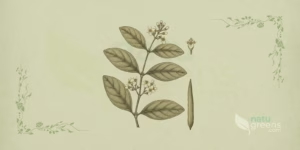
Sumatra Benzoin (Styrax benzoin Dryand.) is a tree of the Styracaceae family native to Southeast Asia, grown mainly on the island of Sumatra, in Indonesia, and known for the aromatic resin it produces. The herbal substance is not the whole plant but this resin, an exudate that the tree forms in response to cuts made in the bark and that hardens into tears and blocks later collected by hand. Valued for centuries in perfumery, incense and traditional medicine, Sumatra benzoin should not be confused with Siam benzoin (Styrax tonkinensis), another species of the same family, nor with Lindera benzoin, an unrelated North American shrub that only shares part of its English common name, nor with the chemical compound benzoin, a synthetic substance used as a photoinitiator in industry, which has nothing to do with the natural resin.
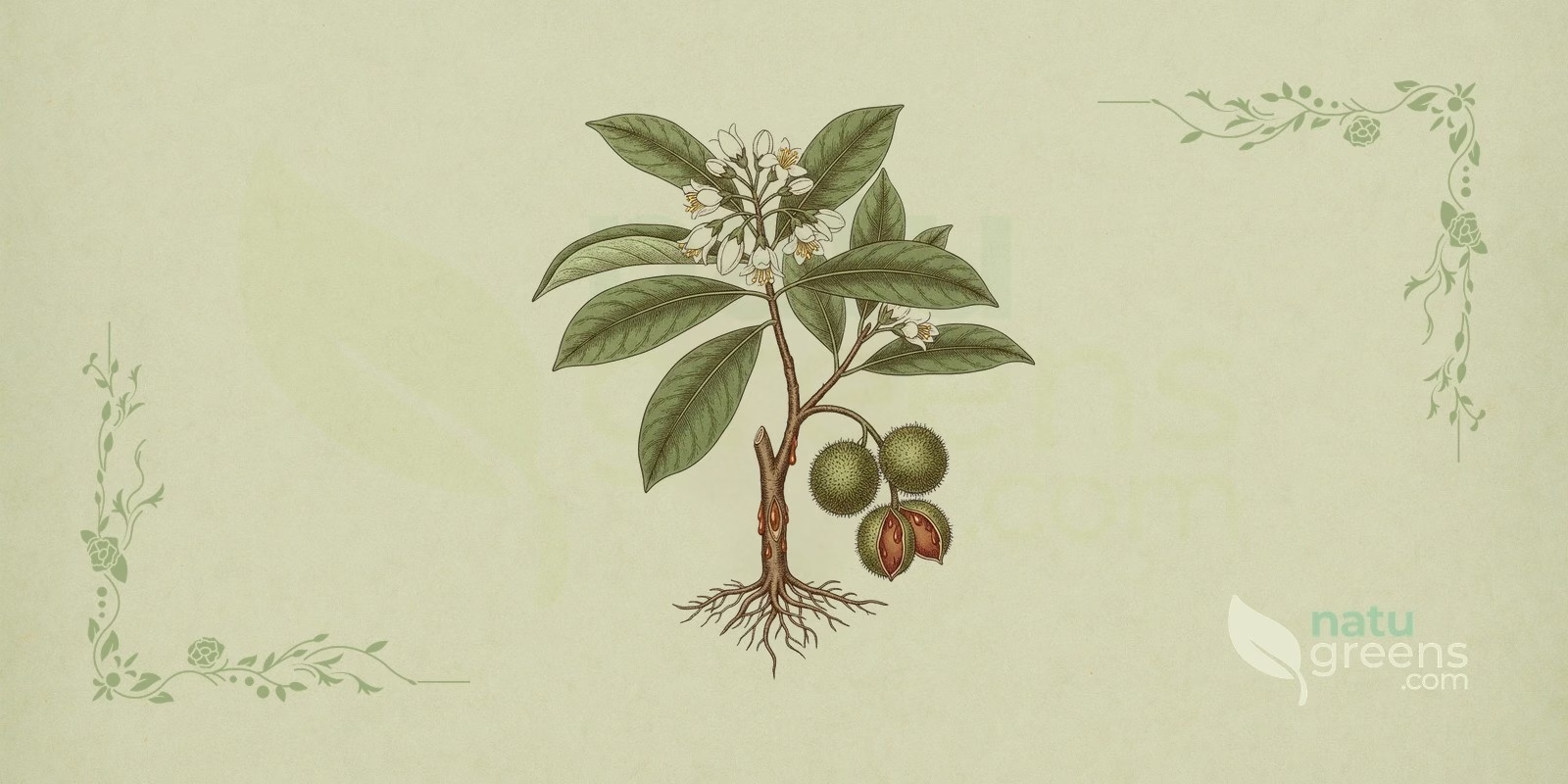
Interest in Sumatra benzoin goes beyond its aroma, because tradition uses it for respiratory and skin complaints, and laboratory studies are investigating the antimicrobial and anti-inflammatory activity of the resin. These uses, however, are a traditional record, and the antiseptic and wound-healing properties have never been proven as a treatment for infections or wounds in people. The composition of the resin, rich in benzoic and cinnamic acids, esters of these acids and vanillin, explains both its characteristic scent and the fact that benzoin tincture is a known contact sensitizer, which calls for care when used on the skin.
Popular and International Names of Sumatra Benzoin
- English: benzoin, gum benjamin tree, Sumatra benzoin tree.
- French: benjoin, benjoin de Sumatra.
- German: Benzoe, Benzoeharzbaum, Sumatra-Benzoe.
- Indonesian and Malay: kemenyan.
- Italian: benzoino, benzoino di Sumatra.
- Languages of India and the Middle East: loban.
- Portuguese: benjoim-de-java, benjoim-de-sumatra.
- Spanish: benjuí, benjuí de Sumatra.
Names such as benzoin, benjoin and loban are also used in the trade for Siam benzoin and, in the case of loban, even for other resins, so the scientific name Styrax benzoin is the safest way to identify the product.
Botanical Synonyms of Sumatra Benzoin
Botanical synonyms are alternative or older scientific names applied to the same species. In the case of Styrax benzoin Dryand., the accepted name was published by Jonas Dryander at the end of the 18th century, and the tree has been classified in very different genera, from Laurus to Lithocarpus, a reflection of a time when the species was known in Europe mainly through the imported resin rather than through examination of living specimens. These shifts explain why names such as Benzoin officinale appear in old pharmacopoeias and works.
- Benzoin officinale Hayne
- Benzoina vera Raf.
- Cyrta dealbata Miers
- Laurus benzoin Houtt.
- Lithocarpus benzoin (Dryand.) Royle
- Plagiospermum benzoin (Dryand.) Pierre
- Styrax benjuifer Stokes
- Styrax benzoin var. hiliferus Steenis
Botanical Family: Styracaceae
The Styracaceae family comprises about 130 species of trees and shrubs, distributed mainly in tropical and temperate regions of Asia, the Americas and the Mediterranean, and it stands out for producing aromatic resins such as the different types of benzoin. Species of the genus Styrax exude resin when the bark is wounded, a process exploited for centuries for harvesting, and the genus is also present in Brazil, with native species popularly known as estoraque. The chemical diversity of these resins makes the family a constant subject of phytochemical studies, especially for the aromatic compounds derived from benzoic and cinnamic acids.
Parts of Sumatra Benzoin Used
- Resin (bark exudate)
Ethnobotanical and Traditional Uses of Sumatra Benzoin
- Incense in rituals and ceremonies.
- Perfumery and cosmetics, as a fragrance fixative.
- Recorded in traditional Chinese medicine as a circulatory stimulant and for respiratory complaints.
- Traditionally recorded as a skin antiseptic and wound-healing agent.
- Traditionally recorded as a skin protector against cracking and irritation.
- Traditionally recorded for arthritis and muscle pain.
- Traditionally recorded for laryngitis and sore throat.
- Traditionally recorded in inhalations for cough, colds and bronchitis.
Therapeutic Properties of Sumatra Benzoin
- Analgesic (traditional record in massage)
- Antibacterial (activity of resin extracts in laboratory studies)
- Anti-inflammatory (preliminary laboratory findings)
- Antioxidant (attributed to phenolic compounds in in vitro assays)
- Antiseptic (traditional use, no proven efficacy in treating infections)
- Astringent (traditional record of topical use)
- Carminative (traditional record)
- Diuretic (traditional record)
- Expectorant (traditional record in inhalations)
- Wound-healing (traditional use, no proven efficacy on wounds)
Detailed Phytochemical Profile of Sumatra Benzoin
Sumatra benzoin resin consists mainly of free and esterified balsamic acids, notably cinnamic acid and benzoic acid, as well as esters such as cinnamyl cinnamate, known as styracin, and phenylpropyl cinnamate, joined by vanillin, benzaldehyde, styrene and acidic triterpenes described in older literature as sumaresinotannol and siaresinotannol. The marked presence of cinnamic acid and its esters is precisely what distinguishes Sumatra benzoin from Siam benzoin, in which benzoic acid derivatives predominate, and the composition varies considerably between samples, depending on origin, tree age and harvesting method. Some sources also mention tannins, flavonoids and alkaloids in resin extracts, but in smaller and poorly characterized amounts. The same aromatic acids and esters help explain the allergenic potential of the resin, with cross-reactivity with balsam of Peru and colophony.
- Alkaloids
- Benzaldehyde
- Benzoic acid
- Benzoresinol
- Cinnamic acid
- Flavonoids
- Phenylpropyl cinnamate
- Siaresinotannol
- Styracin (cinnamyl cinnamate)
- Styrene
- Sumaresinotannol
- Tannins
- Vanillin
Preparation and Administration Forms of Sumatra Benzoin
- Adeps benzoatus (benzoinated lard, a historical fat preservative in pharmacy)
- Resin (incense and perfumery)
- Resinoid or aromatic absolute (aromatherapy and perfumery)
- Steam inhalation (traditional use, with precautions)
- Tincture (external use only)
The so-called benzoin essential oil sold in aromatherapy shops is usually a resinoid or absolute, because the resin is not distilled like ordinary essential oils. Sumatra benzoin tincture is not for internal use or swallowing.
Synergy with Other Medicinal Plants
Traditional Inhalations with Eucalyptus and Pine
In European tradition, Sumatra benzoin is combined with eucalyptus (Eucalyptus globulus) and Scots pine (Pinus sylvestris) in steam inhalations traditionally used for a blocked nose, cough and colds. The balsamic aromas of these plants are assumed to complement each other, but the pairing is a traditional record, with no study of the blend, and it should not be used on young children, since eucalyptus can cause airway spasm in this age group, nor by people with asthma without medical guidance.
Skin Preparations with Calendula and Lavender
In cosmetics and handmade balms, Sumatra benzoin appears alongside calendula (Calendula officinalis) and lavender (Lavandula angustifolia), in preparations traditionally used to protect dry, rough skin. The pairing rests on the cosmetic history of the three plants, with no study of the combination, and it should only be applied to intact skin, never to wounds, active eczema or burns, because benzoin is a known contact sensitizer.
Recipes and Usage Protocols of Sumatra Benzoin
Traditional Inhalation for a Blocked Nose
A home preparation traditionally used for colds with nasal congestion, only for adults without asthma.
Ingredients: 5 drops of Sumatra benzoin tincture and 1 liter of hot, but not boiling, water.
Preparation: Pour the hot water into a bowl on a stable surface, add the tincture and inhale the steam from a safe distance, with a towel over your head and your eyes closed, for 5 to 10 minutes. Hot steam can cause burns, so never use boiling water or bring your face too close, and do not use the inhalation on young children. People with asthma should only use it under medical guidance, and the inhalation should be stopped at the first sign of an irritating cough or wheezing.
Aromatic Massage Oil
A preparation for external use, traditionally used in relaxing massages on tense muscles.
Ingredients: 5 drops of Sumatra benzoin resinoid and 30 ml of a vegetable oil, such as sweet almond or jojoba.
Preparation: Mix the resinoid into the vegetable oil and first do a test on a small area of skin, waiting 24 hours. If there is no reaction, gently massage the desired area, always on intact skin, and avoid use in anyone who has had an allergy to balsam of Peru, colophony, perfumes or adhesive plasters.
Balm for Dry, Intact Skin
A homemade cosmetic preparation, traditionally used to protect dry, rough hands and feet.
Ingredients: 1 ml of Sumatra benzoin tincture and 50 g of shea butter or another neutral base.
Preparation: Mix the tincture thoroughly into the base until you get an even paste and store it in a clean, dry jar. Do the sensitivity test before first use and apply a thin layer to dry, intact skin. Do not use on wounds, open cracks, burns or active eczema.
The preparations above follow traditional records and do not replace professional guidance. Before any internal use, check the contraindications and interactions described in this article.
Therapies Associated with Sumatra Benzoin
Aromatherapy
In aromatherapy, Sumatra benzoin resinoid is appreciated for its warm, sweet, balsamic scent with vanilla notes, and it is often used in diffusers and in massages with diluted oil to create a cozy, relaxing atmosphere. These effects on well-being are reports from aromatherapy practice, without clinical proof, and topical use requires dilution and a prior sensitivity test. Indoors, resin or incense should only be burned with good ventilation.
Herbal Medicine and Traditional Pharmacy
In traditional pharmacy, benzoin went into classic preparations such as compound benzoin tincture, long used in inhalations and on the skin, and benzoinated lard, used to preserve ointments. Today compound tincture is used in medicine mainly to increase the adhesion of adhesive dressings, and it is precisely in this context that several cases of allergic contact dermatitis have been described. Tradition cites it for bronchitis and laryngitis, but these indications have not been proven, and use should be external and guided by a professional.
Contraindications and Side Effects of Sumatra Benzoin
Contact Allergy
Warning: compound benzoin tincture is a known contact sensitizer, with documented cross-reactivity with balsam of Peru and colophony. Before any use on the skin, do a test on a small area, and never apply Sumatra benzoin to broken skin or an extensive burn. Anyone who has had an allergy to perfumes, adhesive plasters, balsams or essential oils should avoid it.
Internal Use and Inhalation
The tincture is not for internal use or swallowing. Traditional steam inhalation calls for caution in people with asthma, carries a risk of burns from the hot steam and should not be used on young children. Benzoin incense smoke is also a respiratory irritant in closed, poorly ventilated rooms, so it is best burned only in airy places, away from children, people with asthma and pets.
Product Identity
Sumatra benzoin (Styrax benzoin) is not Siam benzoin (Styrax tonkinensis), a different species of the same family, nor Lindera benzoin, an unrelated North American shrub, nor the chemical compound benzoin, a synthetic substance used as an industrial photoinitiator. Always check the scientific name and origin on the label.
Other Precautions
Pregnant and breastfeeding women should avoid use due to the lack of safety studies, including in inhalations and massages, and people with hypersensitivity to benzoic acid or cinnamic acid should not use the resin. There are no well-established drug interactions, but some sources mention the presence of coumarins in certain Styrax resins, which raises a theoretical risk with anticoagulants, so people taking these medicines should consult their doctor first.
Historical Notes and Interesting Facts about Sumatra Benzoin
A Resin with a Long History
Benzoin has been traded for many centuries along the routes linking Southeast Asia to India, the Arab world and Europe, where it became one of the most prized aromatic resins. Some authors associate benzoin with onycha, an ingredient of the sacred incense mentioned in the Bible, but this identification is uncertain and debated by historians. The technique of making incisions in the trunk to harvest the resin is ancient and is still practiced by hand by farmers in Sumatra.
A Pathological Resin
Benzoin resin is classified as a pathological exudate, because the tree hardly produces it under normal conditions, only in response to wounds in the bark. The cuts made by collectors stimulate the formation of resin canals, in which the resin is secreted as a defense mechanism, and the first, paler tears are usually the most prized, in a close relationship between human management and the physiology of the tree.
Variations in Quality
Resin quality varies with the Styrax species, the region and the harvesting method. Sumatra benzoin, rich in cinnamic acid, has a more resinous and balsamic aroma, while Siam benzoin, from Styrax tonkinensis, contains almost no cinnamic acid and has a sweeter, vanilla-like scent, differences that guide the use of each type in perfumery and industry. Recent studies have analyzed hundreds of Sumatra samples to establish quality criteria and combat adulteration.
Frequently Asked Questions about Sumatra Benzoin
What Is Sumatra Benzoin and What Is It Used For?
Sumatra benzoin is the aromatic resin obtained from the bark of Styrax benzoin, used for centuries in perfumery, incense and traditional medicine. Tradition uses it for respiratory and skin complaints, but its antiseptic and wound-healing properties are a traditional record, with no proven efficacy in treating infections or wounds.
How Is Sumatra Benzoin Used for Respiratory Problems?
The traditional use is steam inhalation with a few drops of tincture in hot, never boiling, water. The practice calls for caution in people with asthma, carries a risk of burns and should not be done on young children, and a persistent cough, fever or shortness of breath call for medical evaluation.
Does Sumatra Benzoin Have Side Effects?
Yes. The tincture is a known contact sensitizer and can cause dermatitis, with cross-reactivity with balsam of Peru and colophony, and incense smoke irritates the airways in closed rooms. Always do a test on a small area before using it on the skin, and avoid use during pregnancy and breastfeeding.
What Is the Difference between Siam Benzoin and Sumatra Benzoin?
Siam benzoin comes from Styrax tonkinensis, is rich in benzoic acid derivatives and has a sweeter, vanilla-like aroma, with almost no cinnamic acid. Sumatra benzoin, from Styrax benzoin, contains benzoic acid and cinnamic acid and has a more resinous, balsamic scent.
Can Sumatra Benzoin Tincture Be Swallowed?
No. The tincture is for external use and should not be swallowed, nor used on broken skin or extensive burns.
Are Sumatra Benzoin, Lindera benzoin and the Chemical Benzoin the Same Thing?
No. Lindera benzoin is a North American shrub with no botanical relation to Sumatra benzoin, and the chemical compound benzoin is a synthetic substance used as an industrial photoinitiator. Neither has anything to do with the natural resin of Styrax benzoin.
Notice: this content is for informational purposes and does not replace professional medical advice. Consult a physician or herbal practitioner before using medicinal plants, especially during pregnancy, breastfeeding, or alongside medication.
How to cite this article
NATUGREENS. Sumatra Benzoin (Styrax benzoin): Properties and Benefits. Natugreens, 10 Nov. 2026. Disponível em: https://natugreens.com/styrax-benzoin-sumatra-benzoin/. Accessed: Nov. 10, 2026.
Natugreens. (2026). Sumatra Benzoin (Styrax benzoin): Properties and Benefits. Natugreens. https://natugreens.com/styrax-benzoin-sumatra-benzoin/
References and Scientific Studies
- PMC2025 Api AM, et al. RIFM Natural Complex Substance (NCS) fragrance ingredient safety assessment, benzoin infusion, Sumatra, CAS Registry Number 9000-05-9, RIFM ID 104-K2.31. Food Chem Toxicol. 2025.
- PMC2024 Debnath S, et al. Phytochemical characterization of Styrax benzoin resin extract, molecular docking, ADME, and antibacterial activity study. Nat Prod Res. 2024.
- PMC2014 Fettig J, et al. Post-surgical allergic contact dermatitis to compound tincture of benzoin and association with reactions to fragrances and essential oils. Dermatitis. 2014.
- PMC2014 Han JS, et al. Benzoin Spray: Cause of Allergic Contact Dermatitis due to Its Rosin Content. Ann Dermatol. 2014.
- PMC2023 He Q, et al. Benzoin Resin: An Overview on Its Production Process, Phytochemistry, Traditional Use and Quality Control. Plants (Basel). 2023.
Take your time and tell us everything you think, details included. Every response is read by someone on our editorial team and goes into the article's revision. An honest critique helps us more than a polite compliment.
Take your time and tell us everything you think, details included. Every response is read by someone on our editorial team and goes into the article's revision. An honest critique helps us more than a polite compliment.
You May Also Like