Beta vulgaris L. / Beetroot
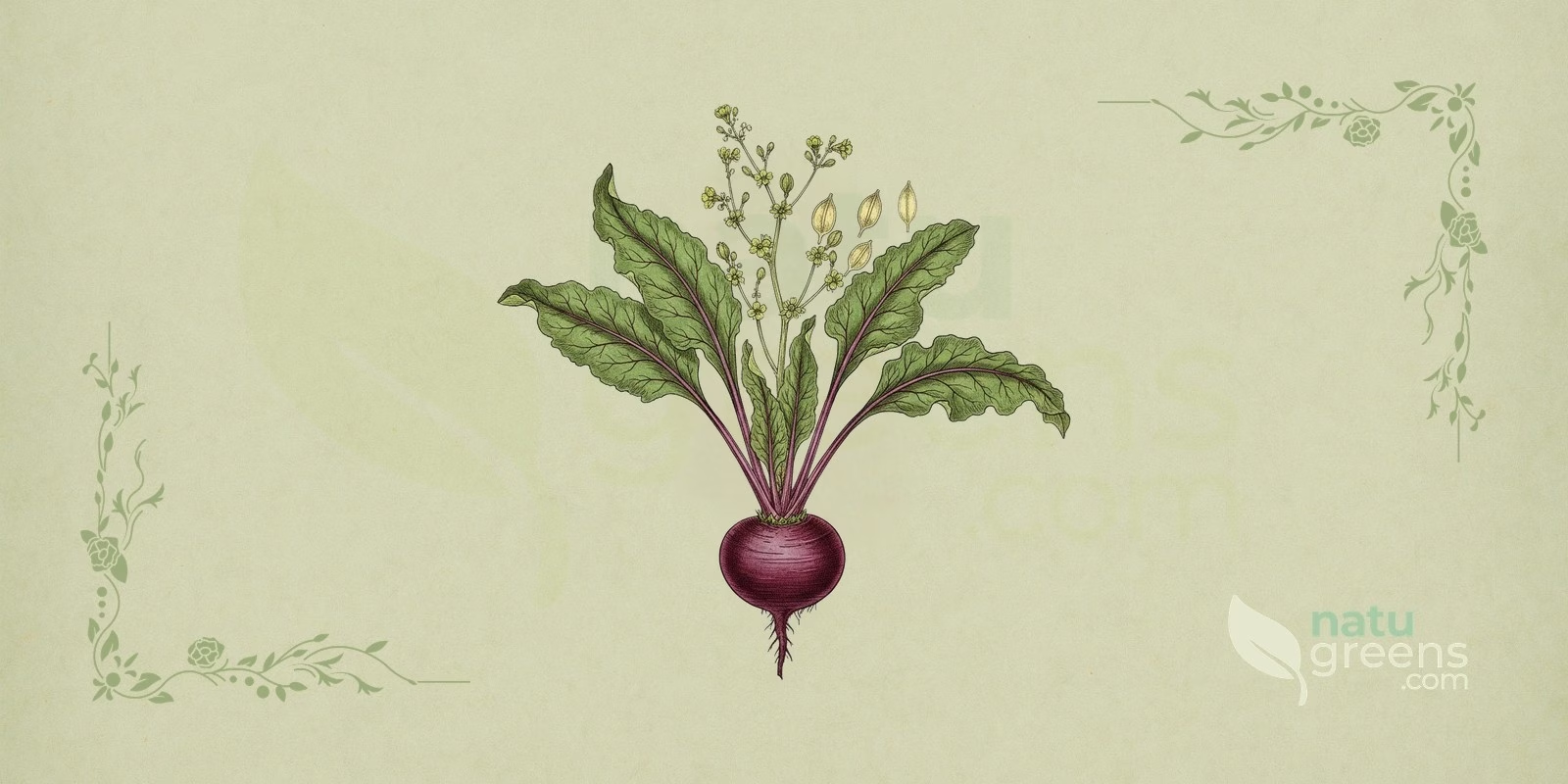
Beta vulgaris L., popularly known as beetroot, is a herbaceous plant belonging to the Amaranthaceae family, previously classified under the Chenopodiaceae. Native to the Mediterranean region, this species is cultivated worldwide for its edible tuberous roots and nutritious leaves. Historically, beetroot has been valued not only in cuisine but also in traditional medicine, where it is employed for its various therapeutic properties. Its richness in bioactive compounds, such as betalains, inorganic nitrates, polyphenols, folates, minerals, and vitamins, gives beetroot a significant role in promoting health and preventing disease.
Popular and International Names of Beetroot
- English: beet, beetroot, garden beet, table beet.
- Spanish: remolacha, betabel, betarraga.
- Portuguese: beterraba, beterraba-hortense, beterraba-vermelha.
- French: betterave, betterave rouge.
- Italian: barbabietola, barbabietola rossa.
- German: Rote Bete, Runkelrübe, Zuckerrübe.
Botanical Synonyms of Beta vulgaris
The taxonomy of Beta vulgaris L. includes several botanical synonyms, reflecting the diversity of its cultivated varieties and the evolution of its classification. Although Beta vulgaris L. is the accepted name, some historical and varietal designations can still be found in the literature. Among the best-known synonyms and varieties are Beta vulgaris subsp. vulgaris L., Beta vulgaris var. conditiva Alef., and Beta vulgaris var. altissima Doll. These terms refer to the plant’s different forms, including table beet, sugar beet, and chard, all of which are cultivars of the same species.
Botanical Family: Amaranthaceae
Beta vulgaris L. belongs to the Amaranthaceae family, a vast and diverse family of flowering plants that includes about 180 genera and more than 2,500 species. This family is cosmopolitan, with the greatest concentration in tropical and subtropical regions, and is known for including many plants of economic, food, and medicinal importance. Beetroot was previously classified in the Chenopodiaceae family, which is now considered a subfamily (Chenopodioideae) within Amaranthaceae, according to the phylogenetic classification system of the Angiosperm Phylogeny Group (APG). The Amaranthaceae family is characterized by small flowers, often clustered in dense inflorescences, and by producing a variety of bioactive compounds.
Parts of Beetroot Used
- Leaves
- Tuberous Root
Ethnobotanical and Traditional Uses
- Anemia.
- Anti-inflammatory.
- Antioxidant.
- Digestive disorders.
- Functional food.
- Hormonal regulation.
- Improved blood circulation.
- Liver detoxification.
- Muscle strengthening.
- Natural dye.
Therapeutic Properties of Beetroot
- Antibacterial (activity studied against bacteria)
- Antidiabetic (effect studied on blood sugar)
- Anti-inflammatory (effect studied in reducing inflammation)
- Antioxidant (activity studied against free radicals)
- Antiproliferative (activity observed in laboratory studies, without clinical proof)
- Antiviral (activity studied against viruses)
- Cardioprotective (protective effect studied on the heart)
- Carminative (effect studied in reducing intestinal gas)
- Emmenagogue (effect studied on menstrual flow)
- Hemostatic (helps stop bleeding)
- Hepatoprotective (protective effect studied on the liver)
- Hypocholesterolemic (effect studied in lowering cholesterol)
- Hypoglycemic (effect studied in lowering blood sugar)
- Immunomodulatory (effect studied on the immune system)
- Neuroprotective (protective effect studied on the nervous system)
- Renal Protective (protective effect studied on the kidneys)
- Tonic (revitalizes the body)
Detailed Phytochemical Profile of Beetroot
- Alkaloids (calystegines B1, B2, B3, C1, ipomine)
- Amino Acids (alanine, arginine, cystine, phenylalanine, glutamic acid, histidine, isoleucine, leucine, lysine, methionine, proline, threonine, tyrosine, valine)
- Betalains (betacyanins, betaxanthins)
- Carbohydrates
- Carotenoids (alpha-carotene, beta-carotene, beta-cryptoxanthin, lutein, neoxanthin, violaxanthin, zeaxanthin)
- Coumarins
- Flavonoids (astragalin, kaempferol, rhamnocitrin, rhamnetin, tiliroside)
- Folic Acid
- Inorganic Nitrates
- Minerals (boron, calcium, copper, iron, phosphorus, magnesium, manganese, potassium, selenium, sodium, zinc)
- Phenolic Acids
- Polyphenols
- Saponins
- Sesquiterpenoids
- Soluble Fiber
- Tannins
- Triterpenes
- Vitamins (A, B1, B2, B3, B5, B6, B9, B12, C, E, K)
Preparation and Administration Forms of Beetroot
- Baked
- Boiled
- Extracts
- Juices
- Raw (grated, in salads)
Synergy with Other Medicinal Plants
Anemia and Fatigue
Beetroot, rich in iron and folic acid, can be combined with plants such as nettle (Urtica dioica) and spinach (Spinacia oleracea) with traditional use to support cases of anemia and fatigue. Nettle is an excellent source of iron and vitamin C, which aids iron absorption, while spinach contributes additional iron and folate. This nutritional synergy helps increase red blood cell production and improve energy levels.
Cardiovascular Health
For cardiovascular health, beetroot, with its inorganic nitrates that promote nitric oxide production, can be paired with garlic (Allium sativum) and hibiscus (Hibiscus sabdariffa). Garlic is known for its blood-pressure-lowering and cholesterol-lowering properties, while hibiscus contributes to reducing blood pressure. Together, these components work synergistically to improve circulation, lower blood pressure, and protect the heart.
Liver Detoxification
Beetroot, with its hepatoprotective properties, can be combined with milk thistle (Silybum marianum) and artichoke (Cynara scolymus) to optimize liver detoxification. Milk thistle is widely recognized for its ability to protect and regenerate liver cells, while artichoke stimulates bile production, aiding in the elimination of toxins. This combination offers comprehensive support for liver function.
Recipes and Usage Protocols of Beetroot
Energizing Detox Juice
Ingredients: 1 medium beetroot, 1 apple, 1 carrot, 1 small piece of ginger (2 cm), 200 ml of water or coconut water.
Preparation: Wash all ingredients thoroughly. Peel the beetroot, carrot, and ginger. Cut all ingredients into smaller pieces. Place them in a blender with the water or coconut water and blend until smooth. Strain if preferred, and drink immediately. This juice is ideal for boosting energy, improving circulation, and supporting the body’s detoxification. It can be consumed daily in the morning.
Roasted Beetroot Salad with Herbs
Ingredients: 2 medium beetroots, 1 tablespoon of olive oil, salt and pepper to taste, chopped fresh herbs (rosemary, thyme, oregano).
Preparation: Preheat the oven to 200°C (390°F). Wash and peel the beetroots. Cut them into cubes or slices. In a bowl, toss the beetroot with the olive oil, salt, pepper, and fresh herbs. Spread on a baking sheet lined with parchment paper. Roast for 25-35 minutes, or until tender and lightly caramelized. Serve warm or cold as a side dish. This salad brings out the natural flavor of beetroot and is rich in antioxidants.
Beetroot Leaf Infusion for Digestion
Ingredients: 1 cup of fresh beetroot leaves (well washed), 500 ml of boiling water.
Preparation: Roughly chop the beetroot leaves. Place them in a kettle or heat-resistant container. Add the boiling water and let steep for 10-15 minutes. Strain and drink warm. This infusion can support digestion and provide the vitamins and minerals found in beetroot leaves. It can be consumed 2-3 times a day, especially after meals.
The preparations above follow traditional records and do not replace professional guidance. Before any internal use, consult the contraindications and interactions described in this article.
The preparations above follow traditional records and do not replace professional guidance. Before any internal use, check the contraindications and interactions described in this article.
Associated Therapies
Functional Nutrition
In functional nutrition, beetroot is widely used as a superfood due to its dense nutritional profile and the presence of bioactive compounds. It is often recommended to improve athletic performance, support cardiovascular health by helping reduce blood pressure, and promote detoxification. Including beetroot in functional diets aims to maximize the intake of antioxidants, anti-inflammatory compounds, and dietary nitrates, contributing to the prevention and management of various chronic conditions. Beetroot can be incorporated into juices, smoothies, salads, and cooked dishes to make the most of its benefits.
Sports Supplementation
Beetroot has gained prominence in sports supplementation, mainly due to its high content of inorganic nitrates. These nitrates are converted into nitric oxide in the body, which plays a crucial role in vasodilation, improving blood flow and the delivery of oxygen and nutrients to the muscles. Endurance and strength athletes use beetroot juice or concentrated extracts to improve performance, reduce fatigue, and speed up post-exercise recovery. Studies show that beetroot supplementation can increase the efficiency of oxygen use during physical exercise.
Contraindications and Side Effects of Beetroot
General Contraindications
Beetroot is generally safe for most people when consumed in food-level amounts. However, individuals predisposed to oxalate kidney stones should consume beetroot in moderation, as it is rich in oxalates. People with hypotension (low blood pressure) should exercise caution, since beetroot’s nitrates can further lower blood pressure. In rare cases, a harmless condition called beeturia can occur, in which urine and stool take on a reddish color due to the excretion of unmetabolized betalains.
Drug Interactions
Due to its nitrate content, beetroot can interact with blood pressure medications, potentiating their hypotensive effect. Individuals taking organic nitrates for heart conditions should avoid excessive beetroot consumption, as the combination can lead to a dangerous drop in blood pressure. It is always recommended to consult a healthcare professional before making significant dietary changes, especially when taking medication.
Historical Notes and Interesting Facts
Beetroot has a rich and fascinating history, having been cultivated for thousands of years. Originally, only the leaves were consumed, and the tuberous root only gained popularity as food starting in the 16th century. One of its most notable curiosities is its use as a source of sugar. Sugar beet, a variety of Beta vulgaris, is one of the main crops for sugar production worldwide, especially in temperate-climate regions. In addition, beetroot’s intense red pigment, betalain, is used as a natural dye in the food and cosmetic industries, offering a healthy alternative to synthetic dyes. Beetroot has also been used in rituals and symbolism across various cultures throughout history.
Frequently Asked Questions about Beetroot
Can Beetroot Be Consumed Daily?
Yes, beetroot can be consumed daily as part of a balanced diet. It is an excellent source of vitamins, minerals, and antioxidants that contribute to overall health. However, people predisposed to oxalate kidney stones should moderate their intake.
Does Beetroot Help Lower Blood Pressure?
Yes, beetroot is known to help lower blood pressure due to its high content of inorganic nitrates. These nitrates are converted into nitric oxide in the body, which relaxes and dilates blood vessels, improving blood flow and reducing blood pressure.
Which Parts of Beetroot Are Edible?
Both the tuberous root and the leaves of beetroot are edible. The roots can be eaten raw, boiled, or roasted, while young leaves can be added to salads and mature leaves cooked like spinach.
Does Beetroot Cause Discoloration of Urine and Stool?
Yes, in some people, eating beetroot can cause a reddish discoloration of the urine (beeturia) and stool. This phenomenon is harmless and is due to the excretion of betalains, the pigments that give beetroot its color, which are not metabolized by everyone.
Is Beetroot Good for Athletes?
Yes, beetroot is very beneficial for athletes. The nitrates in beetroot can improve the efficiency of oxygen use during exercise, increasing endurance and performance. Many athletes drink beetroot juice before training or competitions.
Notice: this content is for informational purposes and does not replace professional medical advice. Consult a physician or herbal practitioner before using medicinal plants, especially during pregnancy, breastfeeding, or alongside medication.
References and Scientific Studies
Peer-Reviewed Scientific Studies (2)
- PEER2013 Neelwarne, B., & Halagur, S. B. (2013). Red Beet: An Overview. In: Red Beet Biotechnology – Food and Pharmaceutical applications. Springer Science+Business Media, New York, 1-43.
- PEER2019 Chhikara, N., Kushwaha, K., Sharma, P., Gat, Y., & Panghal, A. (2019). Bioactive compounds of beetroot and utilization in food processing industry: A critical review. Food Chemistry, 272, 192-200.
Supplementary Readings (1)
- 2020 Ceclu, L., & Nistor, O.-V. (2020). Red Beetroot: Composition and Health Effects – A Review. Journal of Nutritional Medicine and Diet Care, 6:043.