Elettaria cardamomum L. / Cardamom, popularly known as green cardamom or true cardamom, is a perennial herbaceous plant of the Zingiberaceae family. Native to southern India and Southeast Asia, this ancient spice grows in humid, rainy forests, reaching up to 5 meters in height. Cardamom is valued mainly for its aromatic seed pods, used extensively in cooking and traditional medicine. The plant has been a staple in many cultures, recognized for its therapeutic properties and distinctive flavor.
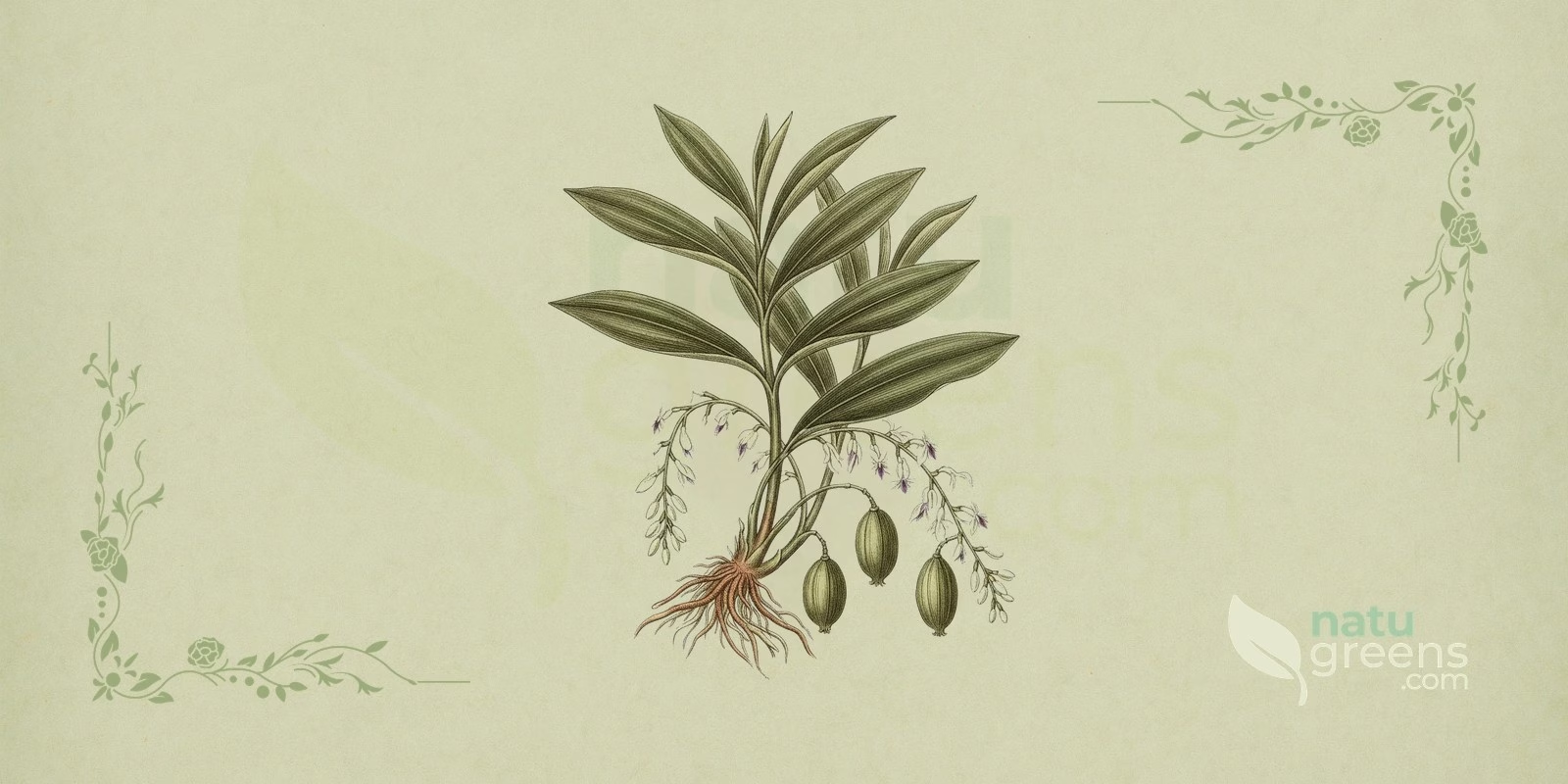
In traditional Indian medicine, cardamom is used to support digestion, stimulate circulation, and help relieve coughs. Tea made from the seeds is often consumed after meals, highlighting its role as a digestive aid. The spice is also a versatile culinary ingredient, present in both sweet and savory dishes. Its importance extends well beyond cooking, making it an essential component of wellness and health practices around the world.
Popular and International Names of Cardamom
- English: cardamom, Ceylon cardamom, grains of paradise, green cardamom, lesser cardamom, Malabar cardamom, round cardamom, true cardamom.
- Spanish: cardamomo, cardamomo verde, grana del paraíso.
- Portuguese: cardamomo, cardamomo legítimo, cardamomo verdadeiro, cardamomo verde, pacová (BR).
- French: cardamome, cardamome de Malabar, cardamome verte.
- Italian: cardamomo, cardamomo piccolo, cardamomo verde, cardamomo vero.
- German: Echter Kardamom, Grüner Kardamom, Kardamom.
Botanical Synonyms of Elettaria cardamomum
The taxonomy of cardamom includes several botanical synonyms, reflecting the complexity of species classification throughout history. Among the best known are Amomum cardamomum L., Amomum racemosum Lam., Alpinia cardamomum (L.) Roxb., and Matonia cardamomum Maton. Although Elettaria cardamomum L. is the currently accepted scientific name, these historical designations are still frequently found in specialized literature.
Botanical Family: Zingiberaceae
Elettaria cardamomum belongs to the Zingiberaceae family, the same family as ginger and turmeric. This family is recognized for its aromatic and medicinal plants, many of which are used as spices. Zingiberaceae species are characterized by underground rhizomes and showy flowers, common in tropical regions. The presence of essential oils gives them distinctive therapeutic and culinary properties.
Parts of Cardamom Used
- Essential oil from the seeds
- Leaves
- Seeds
- Shoots
Ethnobotanical and Traditional Uses
- Bladder and urinary problems
- Improved circulation
- Improved digestion
- Indigestion and nausea
- Reduced flatulence and bloating
- Relief of colic and diarrhea
- Relief of constipation
- Relief of coughs
- Traditional relief of asthma and bronchitis symptoms
- Traditional relief of toothache
Therapeutic Properties of Cardamom
- Antibacterial (activity studied against bacteria)
- Antidiabetic (effect studied on blood sugar)
- Anti-inflammatory (effect studied in reducing inflammation)
- Antimicrobial (activity studied against microorganisms)
- Antioxidant (activity studied against free radicals)
- Antiproliferative (activity observed in laboratory studies, without clinical proof)
- Cardioprotective (protective effect studied on the heart)
- Digestive (effect studied on digestion)
- Expectorant (helps eliminate mucus)
- Hypoglycemic (effect studied in reducing blood sugar)
- Immunomodulatory (effect studied on the immune system)
Detailed Phytochemical Profile of Cardamom
- 1,8-cineole (eucalyptol)
- Flavonoids
- Limonene
- Linalyl
- Phenols
- Sterols
- Tannins
- Terpenoids
- Terpineol
- α-terpinyl acetate
Preparation and Administration Forms of Cardamom
- Beverages (teas, coffees, cocktails)
- Culinary use (sweet and savory dishes)
- Decoction
- Essential oil
- Infusion/Tea
- Pickles
Synergy with Other Medicinal Plants
Suggested Combinations with Other Plants
Cardamom, with its aromatic profile, blends well with various other plants in culinary and herbal tradition. It is traditionally combined with cinnamon (Cinnamomum verum) and clove (Syzygium aromaticum) in beverages and dishes, where the synergy of flavors is highly valued. For the traditional care of digestive discomfort, cardamom is often paired with ginger (Zingiber officinale) in decoctions, following an established folk practice, although robust scientific proof of this specific combination is lacking. In addition, cardamom essential oil is used in aromatherapy blends aimed at balance and general well-being, often combined with other essential oils.
Recipes and Usage Protocols of Cardamom
Digestive Cardamom Tea
To prepare a digestive tea, add 1 to 2 teaspoons of crushed cardamom seeds to 500 ml of water. Heat until the water begins to boil, then turn off the heat. Let steep for about 10 minutes, strain, and drink warm. This tea is traditionally consumed after meals to support digestion and ease mild stomach discomfort such as flatulence and bloating. It can be sweetened with honey if desired.
Cardamom and Ginger Infusion for Nausea
Combine 1 teaspoon of cardamom seeds with a small piece of grated fresh ginger in 250 ml of water. Boil for 5 minutes, then let sit for another 5 minutes before straining. This infusion is traditionally used to help ease nausea and queasiness, based on the properties attributed to both ingredients in folk medicine. It offers a natural, comforting option for mild stomach discomfort, without replacing medical guidance in persistent cases.
The preparations above follow traditional records and do not replace professional guidance. Before any internal use, check the contraindications and interactions described in this article.
Associated Therapies
Aromatherapy
In aromatherapy, cardamom essential oil is valued, within the tradition of this practice, for its stimulating and invigorating properties. It is used with the aim of awakening the mind, reducing mental fatigue, and easing drowsiness. Inhaling its aroma is traditionally associated with a sense of mental clarity and well-being. The oil can be diffused into the air or applied topically, always diluted in a carrier vegetable oil, for massages intended to ease tension and encourage relaxation.
Homeopathy
Homeopathy recognizes cardamom, or Cardamomum, as a remedy with potential to balance the body and support the immune system. In homeopathic practice, it is believed to help with digestion, ease constipation, and relieve gastrointestinal issues. According to this approach, the goal of homeopathic cardamom preparations is to stimulate the body’s so-called self-healing capacity, acting on specific symptoms and contributing to a general sense of well-being, always as a complementary resource and never as a substitute for conventional medical treatment.
Contraindications and Side Effects of Cardamom
Drug Interactions
Although cardamom is generally safe in culinary and therapeutic doses, it is important to be aware of possible drug interactions. Due to its hypoglycemic potential, individuals using diabetes medications should exercise caution, as cardamom may intensify their effect, requiring a dose adjustment. It may likewise interact with anticoagulants such as warfarin due to the presence of coumarins, increasing the risk of bleeding. People with heart conditions or those taking heart medications should consult a healthcare professional before using cardamom in large amounts.
Gallstones and Allergies
People with a history of gallstones should avoid excessive cardamom consumption, as it may stimulate gallbladder contraction and trigger colic. Although rare, allergic reactions to cardamom are possible, manifesting as skin rashes, swelling, or gastrointestinal discomfort. If any adverse reaction occurs, use should be discontinued and a doctor consulted. Moderation and attention to individual reactions are always recommended.
Historical Notes and Interesting Facts
Cardamom is revered as the “Queen of Spices,” a title that reflects its importance and value throughout history. It is one of the oldest spices in the world, with records of use dating back to 700 AD in southern India, from where it was exported to Europe along trade routes. The botanical name Elettaria cardamomum (L.) Maton has its roots in the Tamil word “Elettari,” meaning “cardamom seeds,” underscoring its origin and the focus on its seeds. Beyond its culinary use, cardamom is a key ingredient in Ayurvedic medicine and Asian cuisine, where its unique aroma and flavor are highly prized. Its rich history and versatility make it a fascinating spice, essential to many cultures.
Frequently Asked Questions about Cardamom
Can Cardamom Help with Weight Loss?
Recent studies suggest that cardamom may play a role in supporting weight loss, since it has potential to help burn fat and reduce inflammation, factors that contribute to a healthy metabolism. Even so, cardamom works best as part of a balanced diet and an active lifestyle, not as a stand-alone solution for weight loss. Consulting a healthcare professional or nutritionist is always recommended for a personalized plan.
Is It Safe to Consume Cardamom During Pregnancy?
The safety of consuming cardamom in large amounts during pregnancy has not been fully established due to a lack of conclusive studies. While small culinary amounts are generally considered safe, therapeutic use or high doses should be avoided. Pregnant or breastfeeding women are advised to consult their doctor before adding cardamom to their diet or supplement routine, to help ensure the safety of both mother and baby.
What Is the Difference between Green and Black Cardamom?
There are two main varieties of cardamom, each with distinct characteristics. Green cardamom (Elettaria cardamomum) is the “true” cardamom, known for its more delicate, floral, and slightly citrusy flavor. It is the most common variety and is widely used in both sweet and savory dishes. Black cardamom (Amomum subulatum), on the other hand, has a smokier, more intense, earthy flavor and is often used in robust savory dishes, especially in Indian and Asian cuisine. The choice between the two depends on the flavor profile desired in the dish.
What Is Cardamom Used for in Traditional Medicine?
In traditional Indian medicine, cardamom is used to support digestion, stimulate circulation, and help ease coughs, and it is often consumed as a tea after meals. Outside the medicinal context, the spice also plays a prominent culinary role, used in both sweet and savory dishes. These uses reflect an age-old tradition, especially in southern India and Southeast Asia, where the plant originates.
Who Should Avoid or Be Careful with Cardamom?
People taking diabetes medications or anticoagulants such as warfarin should exercise caution, since cardamom may intensify these effects and increase the risk of bleeding. Anyone with heart conditions, a history of gallstones, or a previous allergic reaction to the spice should also seek guidance from a healthcare professional before using it in large amounts. Pregnant or breastfeeding women should limit consumption to typical culinary amounts and avoid therapeutic doses without medical supervision.
What Are the Most Common Ways to Consume Cardamom?
Cardamom can be prepared as a tea or infusion, used in decoctions, added to beverages such as coffee and cocktails, or used in cooking for both sweet and savory dishes. Its seeds are also used in pickles, and the essential oil extracted from them is used in both aromatherapy and diluted topical preparations. This versatility explains why the spice holds a prominent place in both the kitchen and wellness practices.
Notice: this content is for informational purposes and does not replace professional medical advice. Consult a physician or herbal practitioner before using medicinal plants, especially during pregnancy, breastfeeding, or alongside medication.
References and Scientific Studies
- PMC2021 Yahyazadeh, R. (2021). The effect of Elettaria cardamomum (cardamom) on metabolic syndrome. PMC NCBI.
- PMC2021 Garza, G. R. C. (2021). Benefits of Cardamom (Elettaria cardamomum (L.) Maton) and Turmeric (Curcuma longa L.) Extracts for Their Applications as Natural Anti-Inflammatory Adjuvants. PMC NCBI.
- PMC2020 Ashokkumar, K. (2020). Botany, traditional uses, phytochemistry and biological activities of cardamom [Elettaria cardamomum (L.) Maton] – A critical review. PubMed.