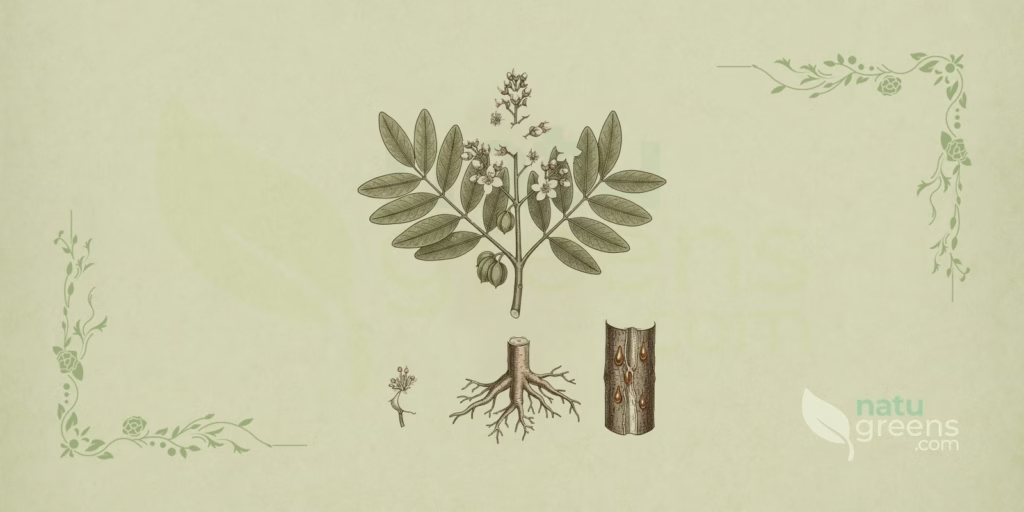
Fraxinus ornus L. / Manna Ash, also known as flowering ash, is a deciduous tree of the Oleaceae family, native to southern Europe and southwestern Asia. Its range extends from Spain and Italy to the Caucasus. The species owes its fame to manna, a sugary, mannitol-rich sap extracted from the trunk and traditionally used as a gentle laxative, especially for children and older adults. In young children, however, this use should only take place under a pediatrician’s guidance. Throughout history, the tree also held a prominent place in Mediterranean traditional medicine, which made use of its leaves, bark and flowers for a wide range of purposes.
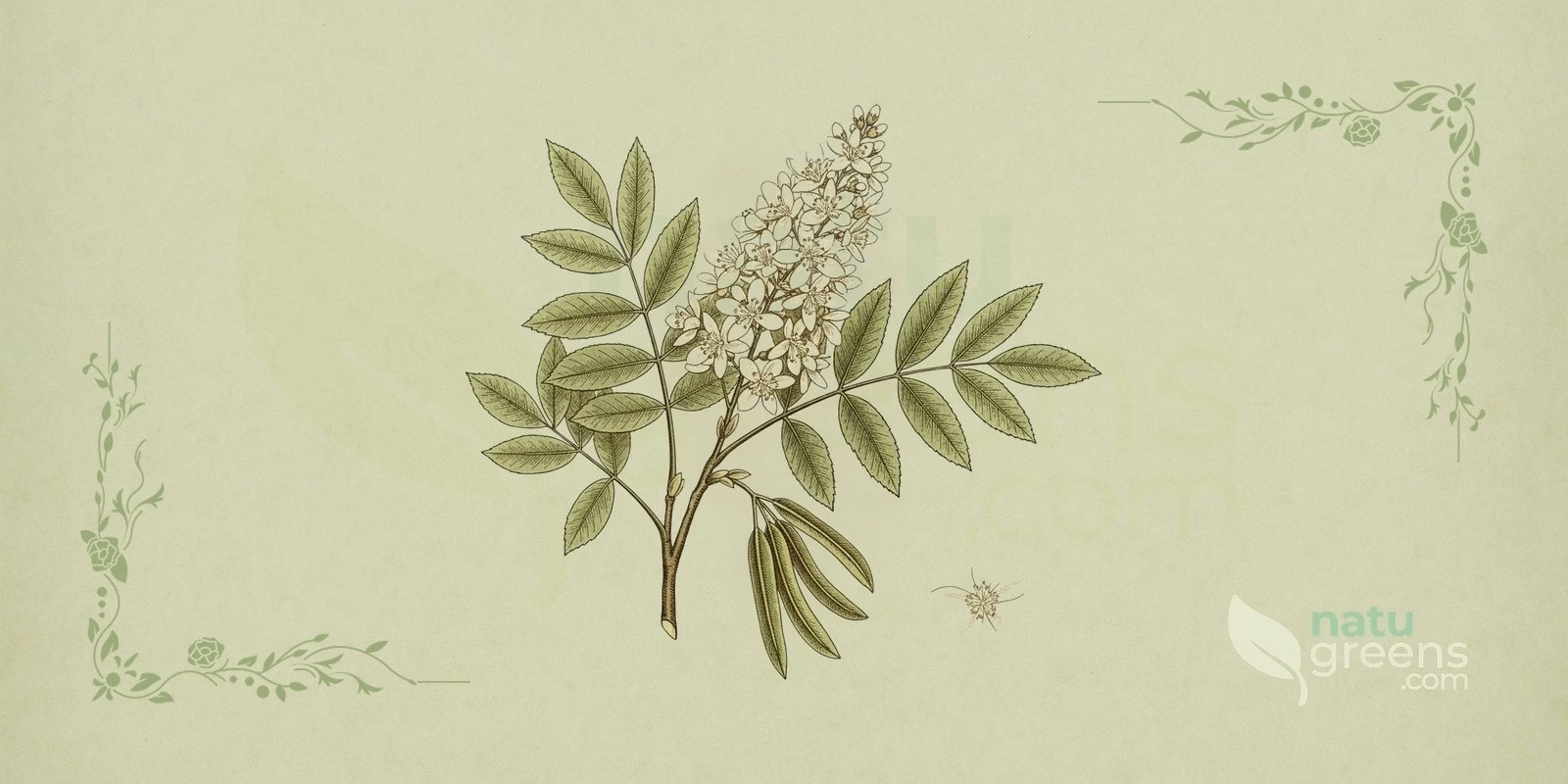
Manna harvesting, the ancient practice that gave the tree its common name, clearly shows the ethnobotanical importance of the species. Other parts of the plant also contain bioactive compounds that have drawn the interest of scientific research. Studies on the phytochemical profile of Fraxinus ornus have identified coumarins, secoiridoids and other substances with anti-inflammatory and antioxidant activity in laboratory assays and animal models. These results still need confirmation in clinical studies before any conclusion can be drawn about use in people. Thanks to this medicinal legacy and its distinctive chemistry, the plant continues to attract the attention of botanists and pharmacologists.
Popular and International Names of Manna Ash
- English: flowering ash, manna ash, South European flowering ash.
- French: frêne à fleurs, frêne à manne, orne.
- German: Blumen-Esche, Manna-Esche, Schmuck-Esche.
- Italian: frassino da manna, orniello, orno.
- Portuguese: freixo-das-flores, freixo-de-flor, freixo-de-folhas-redondas, freixo-do-maná, freixo-florido, freixo-orneiro, orneiro.
- Spanish: fresno de flor, fresno del maná, fresno florido, orno.
Botanical Synonyms of Fraxinus ornus
Botanical synonyms are alternative scientific names applied to the same species over the history of taxonomy. Knowing them is essential for identifying the plant accurately in old works, herbarium collections and scientific databases. In the case of Fraxinus ornus, one of the most frequently cited is Ornus europaea Pers., which reflects an older classification that placed the species in the genus Ornus. The name Fraxinus montana Salisb. also appears in the literature, although it is regarded as a superfluous name.
The recognized homotypic synonyms, that is, names based on the same nomenclatural type as the species, include the following:
- Fraxinus montana Salisb.
- Ornus europaea Pers.
- Ornus ornus (L.) H.Karst.
Botanical Family: Oleaceae
Fraxinus ornus belongs to the Oleaceae family, a diverse group of flowering plants that includes trees, shrubs and lianas. The family is widely distributed across the temperate and tropical regions of the world. Among its best-known members are the olive (Olea europaea), lilac (Syringa vulgaris) and jasmine (Jasminum officinale). Many species in the family are valued for their timber, ornamental flowers, edible fruits or use in traditional medicine.
Oleaceae are characterized by opposite leaves, generally bisexual flowers and fruits of varied types, such as drupes, berries and samaras. In ash trees, the typical fruit is the samara, which bears a wing that aids dispersal by the wind. Chemically, the presence of iridoids, especially secoiridoids, is a trait shared by many species in the family. These compounds help explain the pharmacological interest in several Oleaceae, including Fraxinus ornus itself, which shares this chemical richness with its botanical relatives.
Parts of Manna Ash Used
Different parts of the tree appear in records of traditional use, each associated with specific methods of preparation and distinct purposes in Mediterranean folk medicine:
- Bark (stem and root)
- Flowers
- Leaves
- Manna (stem exudate)
Ethnobotanical and Traditional Uses
The uses listed below come from ethnobotanical records and folk practice. They describe how the plant has been used over time and are not equivalent to indications of proven efficacy:
- Arthritis (bark, leaves)
- Diuretic (leaves)
- Dysentery (bark)
- Gentle laxative (manna, leaves)
- Inflammation relief (bark)
- Malaria (root bark and leaves; traditional record of a serious disease that requires medical treatment)
- Pneumonia (root bark and leaves; traditional record of a serious disease that requires medical treatment)
- Sweetener (manna)
- Tonic (manna)
- Wounds (bark)
Therapeutic Properties of Manna Ash
The properties below bring together activities investigated in laboratory studies and animal models, along with actions attributed by tradition. In parentheses, each item indicates the level of evidence available to date:
- Anti-inflammatory (activity investigated in mice with a bark extract and with esculin, not clinically proven)
- Antimicrobial (activity reported in laboratory studies, not clinically proven)
- Antioxidant (activity of phenolic compounds observed in laboratory assays)
- Antiprotozoal (attribution based on traditional use, not confirmed in clinical studies)
- Diuretic (traditional record linked to the leaves)
- Laxative (osmotic action of the mannitol present in manna)
- Purgative (stronger laxative effect, associated with larger amounts of manna)
- Tonic (traditional record, not scientifically proven)
Detailed Phytochemical Profile of Manna Ash
Fraxinus ornus has a diverse phytochemical profile, and much of the interest in the species centers on manna, the sugary exudate of the trunk. This exudate is rich in mannitol, a sugar alcohol with an osmotic laxative action when taken by mouth. In hospital medicine, mannitol is also given intravenously as an osmotic diuretic. Besides mannitol, the plant contains coumarins, secoiridoids, flavonoids and lignans, compounds to which part of the pharmacological actions described in experimental studies is attributed.
Among the coumarins, esculetin, esculin, fraxetin and fraxin stand out, substances whose anti-inflammatory and antioxidant activity has been described in experimental studies. A study in mice, for example, evaluated the effect of a total bark extract and of esculin on paw edema induced by zymosan and by carrageenan. Secoiridoids such as oleuropein complete the plant’s chemical profile. The combination of these phytochemicals explains why Fraxinus ornus continues to be studied in the search for new molecules of pharmacological interest.
More specific research helps pinpoint where these compounds are concentrated. Escuside, a molecule whose structure combines a coumarin and a secoiridoid, has been isolated from the bark. In the leaves, fluorescence microscopy located esculetin and esculin in inclusions within the vacuole of palisade parenchyma cells.
- Coumarins (esculetin, esculin, fraxetin, fraxin)
- Flavonoids
- Lignans
- Mannitol
- Secoiridoids (oleuropein)
Preparation and Administration Forms of Manna Ash
- Decoction (bark)
- Manna (taken directly or in preparations)
- Tea (leaf infusion)
In Mediterranean tradition, manna is the best-known form of use, usually dissolved in warm water or milk. The leaves are commonly prepared as a tea by infusion, while the tougher bark calls for decoction to release its compounds. Whatever the form, the amount and duration of use should be decided with a healthcare professional, especially for prolonged use or in more vulnerable groups.
Synergy with Other Medicinal Plants
Constipation
Traditional practice for occasional constipation often pairs manna from the manna ash with other plants that have a gentle laxative action, such as plum (Prunus domestica) and tamarind (Tamarindus indica). The rationale for the combination is complementary, since the mannitol in manna draws water into the intestine through an osmotic mechanism. The fiber and organic acids in the fruits, in turn, contribute to intestinal transit. No study has evaluated this combination as such, so it is prudent to start with small amounts and avoid prolonged use.
Inflammation
For musculoskeletal inflammation and inflammation associated with arthritis, herbal tradition records the use of manna ash bark together with white willow (Salix alba) or meadowsweet (Filipendula ulmaria). These two plants are also traditionally used for pain and swelling. The idea behind the combination is to add the coumarins of the ash to the salicylates of willow and meadowsweet. This supposed boost to the anti-inflammatory effect, however, has not yet been tested in clinical studies. Because salicylates interact with anticoagulants and should not be used by people allergic to aspirin (acetylsalicylic acid), the combination should only be used under professional guidance.
Recipes and Usage Protocols of Manna Ash
Traditional Bark Decoction
Ingredients: 1 tablespoon of dried manna ash bark and 500 ml of water.
Preparation: Put the bark and water in a saucepan, bring to a boil and keep boiling for 10 to 15 minutes; then remove from the heat, cover and leave to cool before straining. This decoction is traditionally used for internal and external inflammation, such as that associated with arthritis or dysentery, but there are insufficient safety data on the bark, so the amount to take and how often to use it need to be determined individually. Consult a healthcare professional before use.
Traditional Leaf Infusion
Ingredients: 1 teaspoon of dried manna ash leaves and 200 ml of boiling water.
Preparation: Add the leaves to the boiling water, cover and let steep for 5 to 7 minutes, then strain. This infusion is traditionally used as a diuretic, to increase urine output, but using diuretics, even natural ones, can alter the body’s balance of fluids and mineral salts, so the daily amount should be set with professional guidance, especially by people with pre-existing conditions such as kidney or heart disease. Consult a healthcare professional.
Dissolved Manna as a Traditional Gentle Laxative
Ingredients: a small portion of manna from the manna ash, in an amount agreed with a healthcare professional, and a glass of warm water or milk.
Preparation: Dissolve the manna in the warm water or milk and take it before bed, following the traditional record that uses it as a gentle laxative, with the effect expected the next morning. High doses and prolonged use should be avoided because of the risk of diarrhea, cramps and electrolyte imbalance typical of osmotic laxatives, and pregnant or breastfeeding women and young children should only use it under the guidance of a doctor or pediatrician. If constipation persists, seek medical advice.
The preparations above follow traditional records and do not replace professional guidance. Before any internal use, check the contraindications and interactions described in this article.
Associated Therapies
Clinical Phytotherapy
In clinical phytotherapy, Fraxinus ornus is of interest mainly for the possibility of obtaining extracts that concentrate its active compounds. The bark and leaves may appear in formulations aimed at anti-inflammatory and diuretic support, although there are no clinical studies establishing doses or efficacy. Phytochemical research continues to seek out and isolate new molecules with pharmacological potential. Any clinical use of the plant requires supervision by a qualified healthcare professional, able to adjust the amounts and assess possible interactions with medications.
Homeopathy
The homeopathic use of Fraxinus ornus is poorly documented and far less common than that of other plants. When it does occur, it follows the principles of homeopathy, which uses highly diluted preparations chosen according to the totality of the patient’s symptoms and the law of similars. This practice lacks consistent scientific evidence of efficacy and therefore should not replace medical diagnosis or follow-up. Any preparation should be chosen together with a homeopathic physician.
Research in Dermatology and Cosmetology
A study published in 2024 evaluated in the laboratory the biological activity of Fraxinus ornus manna and investigated its possible incorporation into hydrogels for dermatology and cosmetology. This line of research extends interest in the exudate beyond its traditional laxative use. It is, however, experimental work, and its results still need confirmation in human studies before any recommendation for use on the skin.
Contraindications and Side Effects of Manna Ash
General Contraindications
The use of Fraxinus ornus is contraindicated in people with known hypersensitivity to any component of the plant or to other species of the Oleaceae family. People with intestinal obstruction, abdominal pain of unknown origin or inflammatory bowel disease in an acute phase should refrain from the laxative preparations of manna ash. Pregnant and breastfeeding women should not use it on their own initiative, especially manna in high doses, because conclusive studies on its safety in these groups are lacking. Young children should only use any preparation of the plant under a pediatrician’s guidance.
Specific Precautions with Manna
Because it is rich in mannitol, manna calls for specific precautions that anyone interested in using it should observe:
- Avoid prolonged use or high doses, due to the risk of diarrhea, cramps and electrolyte imbalance typical of osmotic laxatives.
- Caution in diabetes, as mannitol can affect glycemic control in large amounts.
- Contraindicated in intestinal obstruction: the sap should not be used in this situation.
- Do not use during pregnancy and breastfeeding without medical advice.
- Young children should only use it under a pediatrician’s guidance.
Although Mediterranean tradition uses manna as a gentle laxative for children and older adults, these groups are precisely the most sensitive to the loss of fluids and mineral salts. This makes professional supervision essential whenever manna is considered for them.
Drug Interactions
Because of their diuretic and laxative actions, manna ash preparations may enhance the effect of pharmaceutical diuretics and laxatives and promote electrolyte imbalances. The plant’s anti-inflammatory compounds may interact with nonsteroidal anti-inflammatory drugs (NSAIDs) and with anticoagulants, a risk that increases when the bark is combined with willow or meadowsweet, both rich in salicylates. People with diabetes who use insulin or glucose-lowering medications should talk to their doctor before consuming manna in quantity. Anyone taking medications on a regular basis should tell their doctor or pharmacist that they use the plant.
Common Side Effects
In high doses, manna can cause gastrointestinal discomfort, with flatulence, abdominal cramps and diarrhea. Allergic reactions, although rare, may occur in sensitive people as skin rashes, itching or, in more severe cases, difficulty breathing. In the event of any persistent or serious adverse reaction, use should be stopped immediately and a doctor consulted for proper evaluation and guidance.
Historical Notes and Interesting Facts
Origin of the Name Manna
The common name manna ash comes from the sugary substance that exudes from the tree’s trunk, especially in Sicily and Calabria. This sap was likened to biblical manna, the food that, according to tradition, fell from heaven to feed the Israelites in the desert. Over the centuries, ash manna was widely used as a gentle laxative and as a sweetener, playing a significant role in the medicine and cuisine of several Mediterranean cultures.
Manna Harvesting
Manna harvesting is an ancestral practice still carried out today in some areas of southern Italy, such as the Madonie mountains in northern Sicily. There, producers make incisions in the bark during the summer and let the sap flow out and harden on contact with the air. Mannitol, the main sugar in manna, also accumulates naturally in the tree’s bark, and recent research is examining how trunk shading and drought influence this accumulation.
Use in Antiquity
Fraxinus ornus has a long history in traditional medicine dating back to Antiquity, and historical records indicate that the plant was valued by several civilizations. Besides manna, the bark and leaves were used, according to these records, for fevers, inflammation and digestive complaints. This versatility made the manna ash a frequent presence in old herbals and pharmacopoeias, securing its place as a plant of great historical and cultural relevance.
Frequently Asked Questions about Manna Ash
Is Manna Ash Tea Safe for Children?
Manna, the exudate of the manna ash, has a traditional record as a gentle laxative, including for children. Tea made from the leaves or bark, however, may have stronger effects and is not recommended for children without professional supervision. Young children should only use any preparation of the plant under the guidance of a pediatrician, who can assess the appropriate amount for their age and health status.
What Are the Main Traditional Uses of Manna Ash Tea?
Manna ash tea, usually prepared from the leaves, has a traditional record as a diuretic and laxative and is used in folk medicine for mild fluid retention. Tradition also associates it with the relief of pain and inflammation, such as that of arthritis, and with digestive problems. Scientific research on these uses, however, is still preliminary and does not confirm benefits in people.
Does Manna Ash Interact with Medications?
Yes, especially in more concentrated preparations such as bark extracts, which may enhance pharmaceutical diuretics and laxatives and promote electrolyte imbalances. The plant’s anti-inflammatory compounds may also interact with nonsteroidal anti-inflammatory drugs (NSAIDs) and with anticoagulants. For this reason, anyone who takes medications on a regular basis should inform their doctor or pharmacist before consuming manna ash.
Can Manna Be Used during Pregnancy and Breastfeeding?
Manna should not be used during pregnancy and breastfeeding without medical advice, because conclusive studies on its safety during these periods are lacking. Like any osmotic laxative, it can cause diarrhea, cramps and loss of mineral salts, effects that call for extra caution in pregnant and breastfeeding women.
Can People with Diabetes Consume Manna?
People with diabetes should be cautious, as the mannitol in manna can affect glycemic control when consumed in large amounts. Anyone using insulin or other glucose-lowering medications should talk to their doctor before trying manna and monitor their blood glucose more closely during use.
How Should I Store Manna from the Manna Ash?
Manna should be kept in an airtight container in a cool, dry place away from light. Moisture and heat can make it sticky or spoil it, and direct sunlight can degrade its components. Properly stored, it keeps its characteristics for a long time, but it is advisable to check the expiry date, where there is one, and discard any product that shows changes in color, texture or odor.
Notice: this content is for informational purposes and does not replace professional medical advice. Consult a physician or herbal practitioner before using medicinal plants, especially during pregnancy, breastfeeding, or alongside medication.
References and Scientific Studies
- PMC2026 Gargiulo S, et al. Stem Shading Promotes Mannitol Accumulation in the Bark of Fraxinus ornus and Prevents Sucrose Transport in Roots Under Drought. Physiol Plant. 2026.
- PMC2002 Iossifova T, et al. Escuside, a new coumarin-secoiridoid from Fraxinus ornus bark. Fitoterapia. 2002.
- PMC2001 Kostova I. Fraxinus ornus L. Fitoterapia. 2001.
- PMC2017 Sarfraz I, et al. Fraxinus: A Plant with Versatile Pharmacological and Biological Activities. Evid Based Complement Alternat Med. 2017.
- PMC1995 Stefanova Z, et al. Effect of a total extract from Fraxinus ornus stem bark and esculin on zymosan- and carrageenan-induced paw oedema in mice. J Ethnopharmacol. 1995.
- PMC2014 Tattini M, et al. Esculetin and esculin (esculetin 6-O-glucoside) occur as inclusions and are differentially distributed in the vacuole of palisade cells in Fraxinus ornus leaves: a fluorescence microscopy analysis. J Photochem Photobiol B. 2014.
- PMC2024 Villa C, et al. Evaluation of the Biological Activity of Manna Exudate, from Fraxinus ornus L., and Its Potential Use as Hydrogel Formulation in Dermatology and Cosmetology. Gels. 2024.