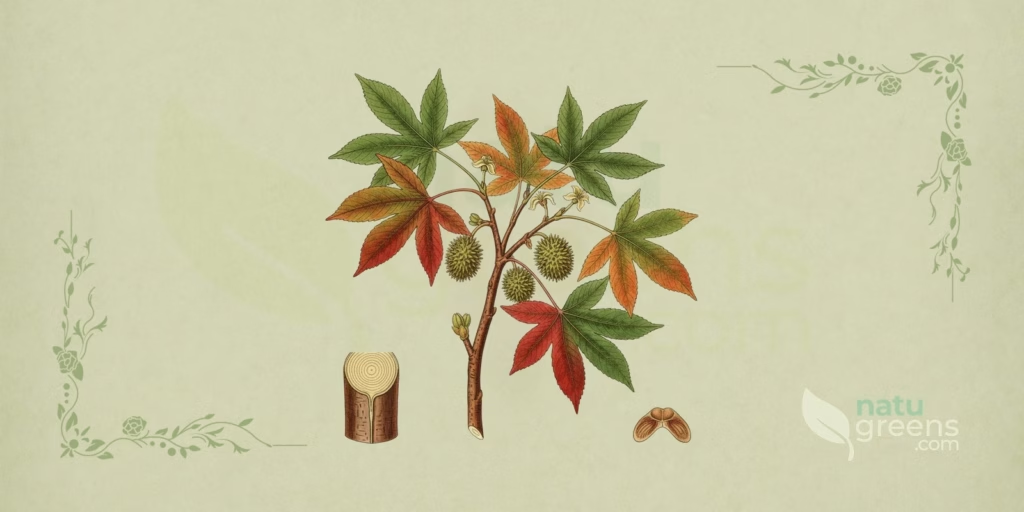
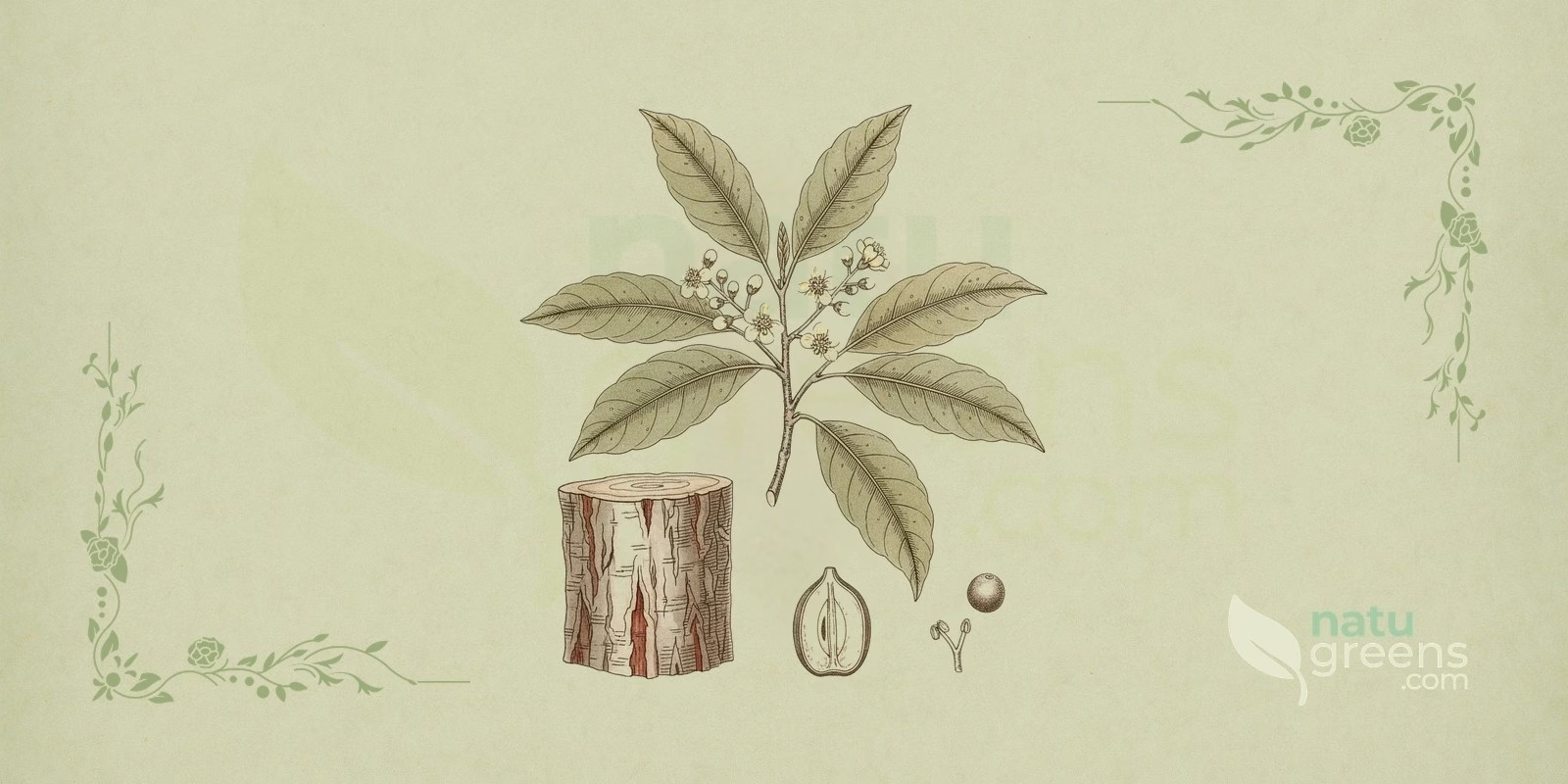
Cinnamomum camphora (L.) J.Presl / Camphor, popularly known as the camphor tree, is a large evergreen tree belonging to the Lauraceae family. Its native range covers the warm temperate and subtropical regions of East Asia, including China, Taiwan, Vietnam, Korea and Japan, and the species has also been cultivated for centuries in other countries such as India. The camphor tree is the source of camphor and camphor essential oil, both widely used topically in traditional preparations. It has always been prized both for its aromatic wood and for this compound of great medicinal and industrial importance.
Throughout history, camphor has held a prominent place in the traditional medicine of many cultures, almost always in external applications that ranged from the relief of muscle aches and local inflammation to use as an insect repellent. Because it is highly toxic when swallowed, its use today is restricted to the external route, topical and diluted, and it must never involve babies or young children. Modern research has explored the plant’s different chemotypes, each with its own chemical profile and specific applications in pharmacology and the fragrance industry.
Popular and International Names of Camphor
- English: camphor laurel, camphor tree, camphorwood.
- French: arbre à camphre, camphre, camphrier, laurier-camphre.
- German: Kampferbaum, Kampferlorbeer.
- Italian: albero della canfora, canfora.
- Portuguese: cânfora, canforeira.
- Spanish: alcanfor, alcanforero, árbol del alcanfor.
Botanical Synonyms of Cinnamomum camphora
In the pharmacological and commercial literature, the most widely used name for this species is still Cinnamomum camphora (L.) J.Presl. However, the phylogenetic revision published by Yang and colleagues in 2022 showed that the genus Cinnamomum, as it was then understood, does not form a natural group. The authors therefore reinstated the genus Camphora, in which the camphor tree is named Camphora officinarum Nees. The names listed below appear in the botanical and pharmacological literature as equivalents, a taxonomic complexity that reflects the plant’s vast distribution and its regional morphological variations.
- Camphora officinarum Nees
- Laurus camphora L.
- Persea camphora (L.) Spreng.
Botanical Family: Lauraceae
Cinnamomum camphora belongs to the Lauraceae family, a group of flowering plants made up of trees and shrubs, many of them aromatic. The family includes species of great economic importance, such as bay laurel (Laurus nobilis) and cinnamon (Cinnamomum verum). Its plants accumulate essential oils in their leaves, stems and fruits, which gives them distinctive aromas and draws the interest of perfumery and traditional medicine.
Found mainly in tropical and subtropical regions, the Lauraceae family supplies species used in cooking, in perfumery and in traditional health care systems. The diversity of phytochemical compounds in these plants, such as terpenes and flavonoids, is linked to the biological activities observed in the laboratory, which is why they remain the subject of ongoing study in phytochemistry and pharmacology.
Parts of Camphor Used
- Bark
- Essential oil, obtained by distilling the leaves and wood
- Leaves
- Wood
All of these parts serve as raw material for preparations intended exclusively for external use. Camphor and camphor essential oil are toxic when taken orally, even in small amounts.
Ethnobotanical and Traditional Uses
- Bruises and rheumatic pain, applied externally (traditional record)
- Insect bites and itching, on intact skin only
- Insect repellent, from the wood and crystals
- Local circulatory stimulant, through its rubefacient effect on the skin
- Nasal and bronchial decongestant by inhalation, in adults only (traditional record)
- Topical relief of muscle and joint pain
These uses belong to the traditional record and concern external application only. Old records of internal use, such as its carminative use against intestinal gas, have been abandoned in light of the substance’s toxicity when taken by mouth.
Therapeutic Properties of Camphor
The properties below bring together effects attributed to camphor in external use by the traditional record and by experimental studies, and they do not replace an assessment by a health professional.
- Analgesic (local pain relief when applied topically)
- Anti-inflammatory (activity observed in experimental studies)
- Antipruritic (local relief of itching on intact skin)
- Antiseptic (antimicrobial activity observed in laboratory studies)
- Decongestant (feeling of freer breathing reported after inhalation)
- Expectorant (traditional record in steam inhalations)
- Rubefacient (causes local reddening and warming of the skin)
- Stimulant (invigorating effect that tradition attributes to its aroma)
Detailed Phytochemical Profile of Camphor
Cinnamomum camphora is rich in volatile compounds, above all terpenes, which are responsible for its characteristic aroma and for the activities studied in the plant. Its essential oils are obtained by steam distillation of the wood and leaves. The species has chemotypes, that is, trees of the same species that produce oils with a different predominant composition. A study of 750 leaves distinguished five of them, the camphor, cineole, linalool, borneol and isoborneol types, which shapes the industrial and traditional applications of each oil.
In the essential oil trade, three chemotypes are worth telling apart, starting with ct. camphor, the traditional one, whose main component is camphor. The ct. linalool, known as “ho wood”, has a softer aroma, and the ct. 1,8-cineole is sold commercially as “ravintsara”. The latter is often confused on the market with Ravensara aromatica, a distinct botanical species, so the label of any oil should state both the binomial and the chemotype. The brown and yellow oil fractions, which contain safrole, are prohibited for cosmetic and therapeutic use because they are considered carcinogenic, and they must not go into any preparation.
- 1,8-Cineole (eucalyptol), main component of the chemotype sold as ravintsara
- Borneol
- Camphor, main component of the traditional chemotype
- Isoborneol
- Linalool, main component of the chemotype known as ho wood
- Nerolidol
- Safrole, present in the brown and yellow oil fractions, considered carcinogenic
Preparation and Administration Forms of Camphor
All camphor preparations are for external use, with no oral use under any circumstances, and the reference regulatory limit in topical products is 11%. Whenever possible, choose commercial products with the concentration stated on the label, which are safer than homemade mixtures of uncertain strength.
- Balms and topical ointments
- Essential oil diluted in a vegetable oil
- Poultices on intact skin
- Steam inhalation, for adults only
- Tinctures for external rubbing
Synergy with Other Medicinal Plants
Traditional Combination for Muscle and Joint Pain
In preparations for external use, camphor is traditionally combined with arnica (Arnica montana) and white willow (Salix alba) to relieve muscle and joint pain. Arnica, known in tradition for its anti-inflammatory and analgesic properties, often accompanies the rubefacient action of camphor in ointments and gels. White willow, rich in salicin, contributes an additional analgesic effect attributed to this compound. These combinations apply to intact skin only, and arnica must not be swallowed either. Preparations containing white willow should be avoided by people who are allergic to salicylates or who take anticoagulants.
Traditional Combination for Respiratory Congestion
For the respiratory discomfort of colds, camphor is traditionally paired with eucalyptus (Eucalyptus globulus) and peppermint (Mentha × piperita) in inhalations and chest rubs. The eucalyptol in eucalyptus and the menthol in peppermint add to the camphor vapors in a combination that tradition uses to ease a blocked nose and help bring up mucus. This use is limited to adults, since these aromas must not be applied near the face or nostrils of babies and young children.
Recipes and Usage Protocols of Camphor
Traditional Topical Balm for Muscle Aches
This balm for external use is traditionally used by adults to relieve muscle aches and bruises. It is made by dissolving powdered camphor in a vegetable oil, such as coconut oil or olive oil, and warming the mixture gently in a double boiler until it has completely dissolved. The proportion of camphor must stay below the 11% reference limit in the final mixture, something homemade preparations rarely achieve with precision. For this reason, consult a health professional or a pharmacist before making it, or choose a ready-made product with a stated concentration.
Once cooled, the balm should be stored in an airtight container, clearly labeled and out of the reach of children. Apply a small amount to the intact skin of the painful area, massaging gently until absorbed, two to three times a day. Do not use it on wounds, mucous membranes or the face, or under dressings that seal the skin, and wash your hands thoroughly right after application.
Traditional Steam Inhalation for Respiratory Congestion
This inhalation is traditionally used by adults to relieve the feeling of nasal congestion during colds and flu. Add a few drops of camphor essential oil to a large bowl of hot, but not boiling, water and cover your head with a towel. Inhale the steam for 5 to 10 minutes with your eyes closed, keeping a comfortable distance from the water.
Tradition repeats the procedure up to twice a day, as needed, to help bring up mucus and ease coughing. Never give this inhalation to children or do it in their presence, discard the water right after use and stop at the first sign of dizziness, nausea or irritation.
Associated Therapies
Aromatherapy
In aromatherapy, camphor essential oil is valued for its stimulating and invigorating aroma, which tradition associates with mental clarity, less fatigue and greater concentration. It can be diffused into a room for short periods or applied topically, diluted in a carrier oil, in massages aimed at muscle tension and general well-being. Diffusion should be avoided in rooms with babies, young children, pregnant women or people with epilepsy.
Herbal Medicine
In herbal medicine, camphor appears in formulations for external use, such as balms and ointments for muscle aches and the discomfort of colds. In these formulations, tradition draws on the analgesic, anti-inflammatory and decongestant properties attributed to the substance. It is also included in preparations intended to relieve itching and mild irritation of intact skin, always in controlled concentrations and never by mouth.
Traditional Chinese Medicine (TCM)
In Traditional Chinese Medicine, camphor is known as zhang nao and classified as a hot, toxic substance. Its action is described as ascending, focused on the head, eyes and skin. Classical texts record its use to “open the orifices” in cases of fainting, clouded consciousness and delirium. They also describe uses to drain dampness, dispel wind-damp, relieve pain and move the blood in conditions such as scabies, itching and trauma. These records describe the logic of Chinese materia medica and do not constitute a recommendation for use, not least because some of them involved internal administration, which is unacceptable today. TCM itself advises great caution with the substance because of its toxicity.
Contraindications and Side Effects of Camphor
Camphor is toxic when used incorrectly, and serious poisonings, including fatal ones, are well documented in the medical literature, especially in young children. For this reason, the rules below are not mere recommendations but mandatory conditions for any contact with the substance or with the essential oil.
Toxicity Warning
- Oral Use Prohibited: NEVER take camphor or camphor essential oil by mouth, as the pediatric lethal dose is approximately 1 gram and ingestion can cause seizures and death.
- Babies and Young Children: NEVER use on babies and young children, and never apply near the face or nostrils of young children, because of the risk of apnea and respiratory collapse.
- Exclusively External Use: the only permitted use is external, topical and diluted, with a reference regulatory limit of up to 11% in topical products, and oral use is prohibited.
- Safe Storage: keep strictly out of the reach of children, in a tightly closed and clearly labeled bottle, away from food and oral medicines.
- Brown and Yellow Fractions: the brown and yellow oil fractions, which contain safrole, are prohibited for cosmetic and therapeutic use because they are considered carcinogenic, and they must not be used in any preparation.
In the event of accidental ingestion, or of symptoms such as dizziness, vomiting, agitation or seizures after any contact with camphor, seek emergency care immediately. You can also call a poison control center, and it is a good idea to bring the product packaging, because signs of poisoning can appear quickly.
Contraindications
- Pregnancy and Breastfeeding: do not use during pregnancy or breastfeeding, because of the risk of toxicity to the fetus or the baby.
- Children: beyond the absolute prohibition in babies and young children, any use in older children requires guidance from a health professional.
- Epilepsy and Seizures: people with a history of epilepsy or seizures should avoid camphor, which can trigger or worsen seizures.
- Damaged Skin and Mucous Membranes: do not apply to damaged or irritated skin, open wounds or mucous membranes, as systemic absorption and the risk of toxicity increase.
- Liver Disease: people with liver disease should use it with caution and under professional guidance, as camphor is metabolized by the liver.
Interactions and Precautions
Preparations that combine camphor with white willow contain salicylate derivatives and should be avoided by people taking anticoagulants or allergic to salicylates. With any topical formulation, avoid covering the area with dressings that seal the skin, applying the product over large areas of the body or combining its use with heat packs. These situations increase absorption, and anyone on ongoing treatment with any medication should tell a health professional about this use.
Side Effects
- Allergic Reactions: in rare cases, it can cause allergic reactions such as contact dermatitis.
- Skin Irritation: it can cause irritation, redness or a burning sensation on the skin, especially in sensitive people.
- Toxicity Symptoms: after ingestion or excessive use, dizziness, headache, nausea, vomiting, agitation, confusion, seizures and respiratory depression may occur, and even small amounts can be fatal for children, with a pediatric lethal dose of approximately 1 gram.
Historical Notes and Interesting Facts
Origins and Ancient Trade
Camphor has a long history of use and trade dating back to ancient Asian civilizations, and it was also a valuable product as incense and in religious rituals. A review published in 2013 describes its use as a fumigant during the Black Death and its reputation as a coveted fragrant wood in ancient Egypt and Babylon. The same review highlights its value as an ingredient in perfumes and embalming fluids. Centuries later, during the Japanese colonial period, the camphor trade became a significant industry in Taiwan and one of the most profitable monopolies of the era.
Sacred Trees of Japan
In Japan, some camphor trees are regarded as sacred and venerated, and a notable example is the roughly 700-year-old tree at Kayashima Station. It was preserved and built into the station structure after local residents protested against its removal, an episode that shows the species’ deep cultural and spiritual connection in certain regions.
Industrial Uses of Camphor
Beyond its medicinal and aromatic applications, camphor played an important role in industry as an essential ingredient in the production of smokeless powder and celluloid. Camphor tree wood is also valued for its insect-repellent quality. Today camphor can also be synthesized chemically, mainly from turpentine, without relying solely on the distillation of wood.
Invasive Species and Responsible Cultivation
Outside its native range, the camphor tree can establish itself spontaneously, and the species is considered a declared invasive in Australia. Data on its invasive behavior are compiled in the CABI Invasive Species Compendium. As for cultivation in Brazil, planting is not recommended without first considering the species’ status in invasion risk databases such as Base Hórus, which gathers information on invasive alien species in the country.
Frequently Asked Questions about Camphor
Is Camphor Safe for Internal Use?
No, camphor and camphor essential oil must never be swallowed, because ingestion is toxic and can cause dizziness, vomiting and seizures. In children, about 1 gram has been enough to cause death. The only permitted use is external, topical and diluted, with a reference limit of 11% in topical products and guidance from a health professional.
How Is Camphor Traditionally Used on the Skin?
In tradition, camphor goes into balms and ointments applied to intact skin to relieve muscle aches, bruises, insect bites and itching. This use rests on the analgesic, anti-inflammatory and antipruritic properties attributed to the substance. The rubefacient effect warms the area and stimulates local circulation, but it should never be applied to wounds, mucous membranes, babies or children’s faces.
Where Does Camphor’s Decongestant Sensation Come From?
The traditional explanation attributes the effect to the mildly irritating action of the vapors on the mucous membranes, which promotes expectoration and produces the feeling of freer breathing. That is why camphor is a common ingredient in rubs and inhalation products for adults during colds and flu. The same vapors, however, can cause apnea and respiratory collapse in young children, who must never be exposed to them near the face or nostrils.
Can Camphor Be Used on Babies and Children?
Use on babies and young children is prohibited, and application near the face or nostrils can cause apnea and respiratory collapse. Every product containing camphor must be kept strictly out of the reach of children, since accidental ingestion of about 1 gram can lead to seizures and death. Any use in older children depends on guidance from a health professional.
Are Ravintsara and Ravensara the Same Plant?
No, ravintsara is the trade name of the oil from Cinnamomum camphora chemotype 1,8-cineole, while Ravensara aromatica is a distinct botanical species. The two are often confused on the market because of their similar names. When buying an essential oil, always check the binomial and the chemotype on the label, which also helps you tell the traditional ct. camphor apart from ct. linalool, the “ho wood”, which has a softer aroma.
Can Every Fraction of Camphor Oil Be Used?
No, because the brown and yellow oil fractions contain safrole, are considered carcinogenic and are therefore prohibited for cosmetic and therapeutic use. Only oils of known origin, with a declared composition and free of these fractions, should go into preparations for external use. They must always be diluted, respecting the reference limit of 11% camphor in topical products.
Notice: this content is for informational purposes and does not replace professional medical advice. Consult a physician or herbal practitioner before using medicinal plants, especially during pregnancy, breastfeeding, or alongside medication.
References and Scientific Studies
View All 10 Cited References
Peer-Reviewed Scientific Studies (8)
- PMC2013 Chen W, et al. Camphor–a fumigant during the Black Death and a coveted fragrant wood in ancient Egypt and Babylon–a review. Molecules. 2013.
- PMC2017 Guo X, et al. Molecular differentiation of five Cinnamomum camphora chemotypes using desorption atmospheric pressure chemical ionization mass spectrometry of raw leaves. Sci Rep. 2017.
- PMC2022 Lee SH, et al. Phytochemistry and Applications of Cinnamomum camphora Essential Oils. Molecules. 2022.
- PMC2004 Love JN, et al. Are one or two dangerous? Camphor exposure in toddlers. J Emerg Med. 2004.
- PMC2006 Manoguerra AS, et al. Camphor Poisoning: an evidence-based practice guideline for out-of-hospital management. Clin Toxicol (Phila). 2006.
- PMC2022 Yang Z, et al. Phylogeny and taxonomy of Cinnamomum (Lauraceae). Ecol Evol. 2022.
- PMC2004 Love JN, Sammon M. Are one or two dangerous? Camphor exposure in toddlers. J Emerg Med. 2004.
- PMC2006 Manoguerra AS, Erdman AR, et al. Camphor Poisoning: an evidence-based practice guideline for out-of-hospital management. Clin Toxicol (Phila). 2006.
Supplementary Readings (2)
- 2022 CABI. Cinnamomum camphora (camphor laurel). CABI Compendium. 2022.
- 2009 Hempen CH, Fischer T. A Materia Medica for Chinese Medicine. Elsevier. 2009.